
Ten days ago, on a chilly Sunday evening, I stood outside the doors of Norfolk & Norwich A&E trying to decide whether to go in or not.
That decision may well have saved me from a heart attack.
My chest had been hurting again, but I’ve only just turned 50 and consider myself fairly fit, walking several kilometres most days. Maybe it was just indigestion, or even just in my head. Still, the symptoms had been getting worse for a while and I was on the list for a referral to cardiology, so I took the plunge and walked in.
From the moment I stepped through those doors, I was treated quickly and thoroughly. The reception staff in A&E gave me an ECG immediately and took my blood pressure. I’ve had high blood pressure for several years and take medication for it, though it was within normal parameters that evening. After being checked in and given a wristband I was directed to Ambulatory Majors, where they deal with serious but non-life-threatening conditions requiring same-day assessment, treatment and diagnosis. At that point I was still hoping I’d be checked over and sent home.
What followed, into the early hours of Monday morning, were blood tests, a chest X-ray, and a CT scan the following afternoon. The contrast dye they use really does make you feel like you’ve wet yourself. I’d never had a CT scan before; it was very Star Trek. I’m fairly sure at one point they reversed the polarity of the neutron flow or vented the plasma ducts.
I also had an echocardiogram to check my heart valves and rule out the frighteningly named “dissected aorta” – thankfully all clear.
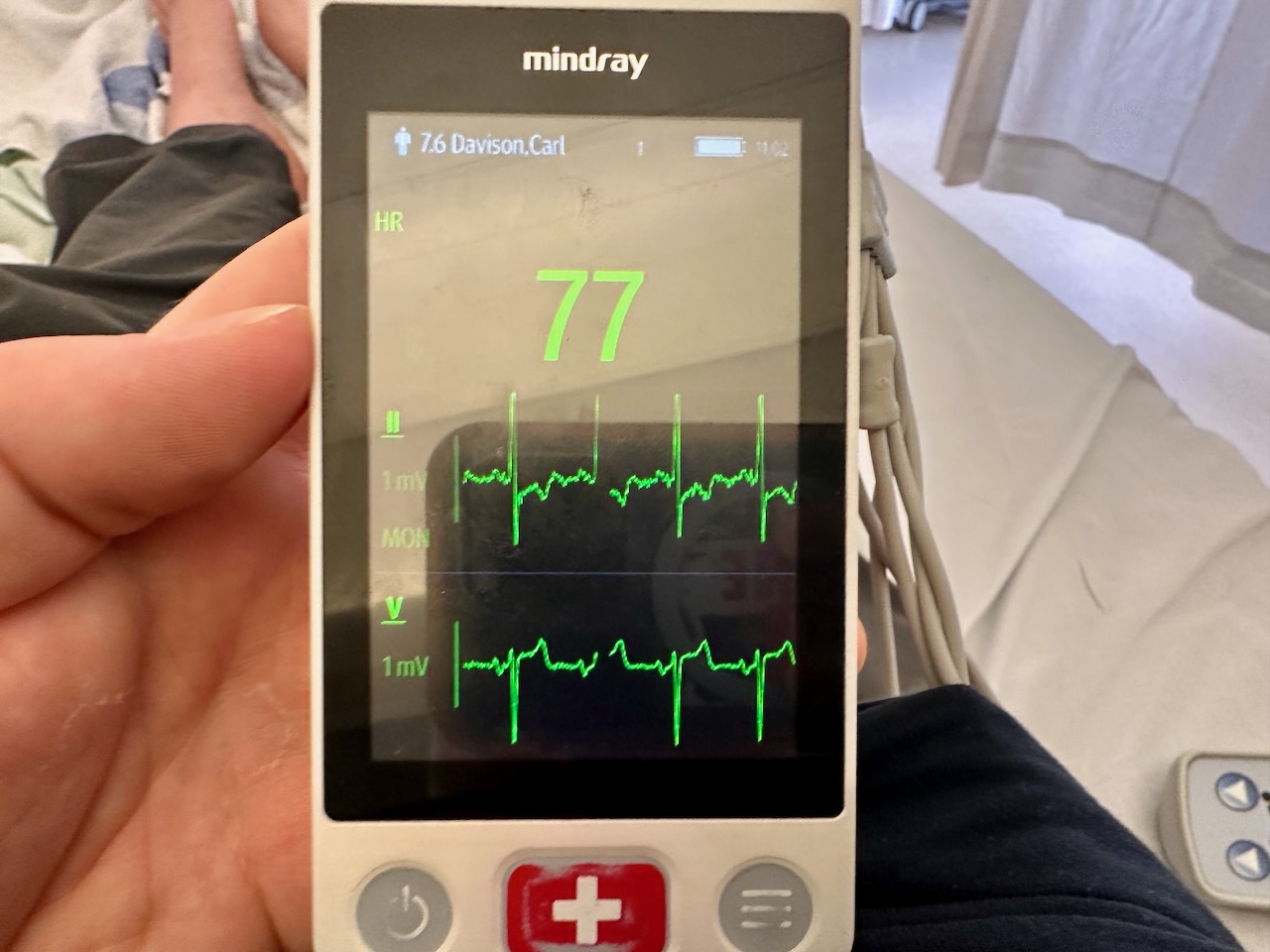
Possible causes for my aching chest were gradually being ruled out, but due to my medical history they weren’t taking any chances. I had a catheter ablation several years ago to fix a tachycardia, which is where your heart rate suddenly increases for no apparent reason. Back then my heart rate would shoot up to well over 120 beats per minute even when I wasn’t doing anything. When they fixed that – by burning out a dodgy nerve pathway – they also discovered I have a bicuspid aortic valve. These aren’t that uncommon, but they can wear out more quickly. Fortunately these days they can replace them, which is pretty groovy.
Hospitals can be tedious places, with little in the way of privacy and a lottery when it comes to ward mates. I must admit to thinking at one point, after getting no real sleep on Monday night and very little on Tuesday night due to a disruptive patient, that if I wasn’t ill before I was admitted I would be by the time I left. I’m also pretty sure everything in hospitals is designed to beep, often seemingly at random.
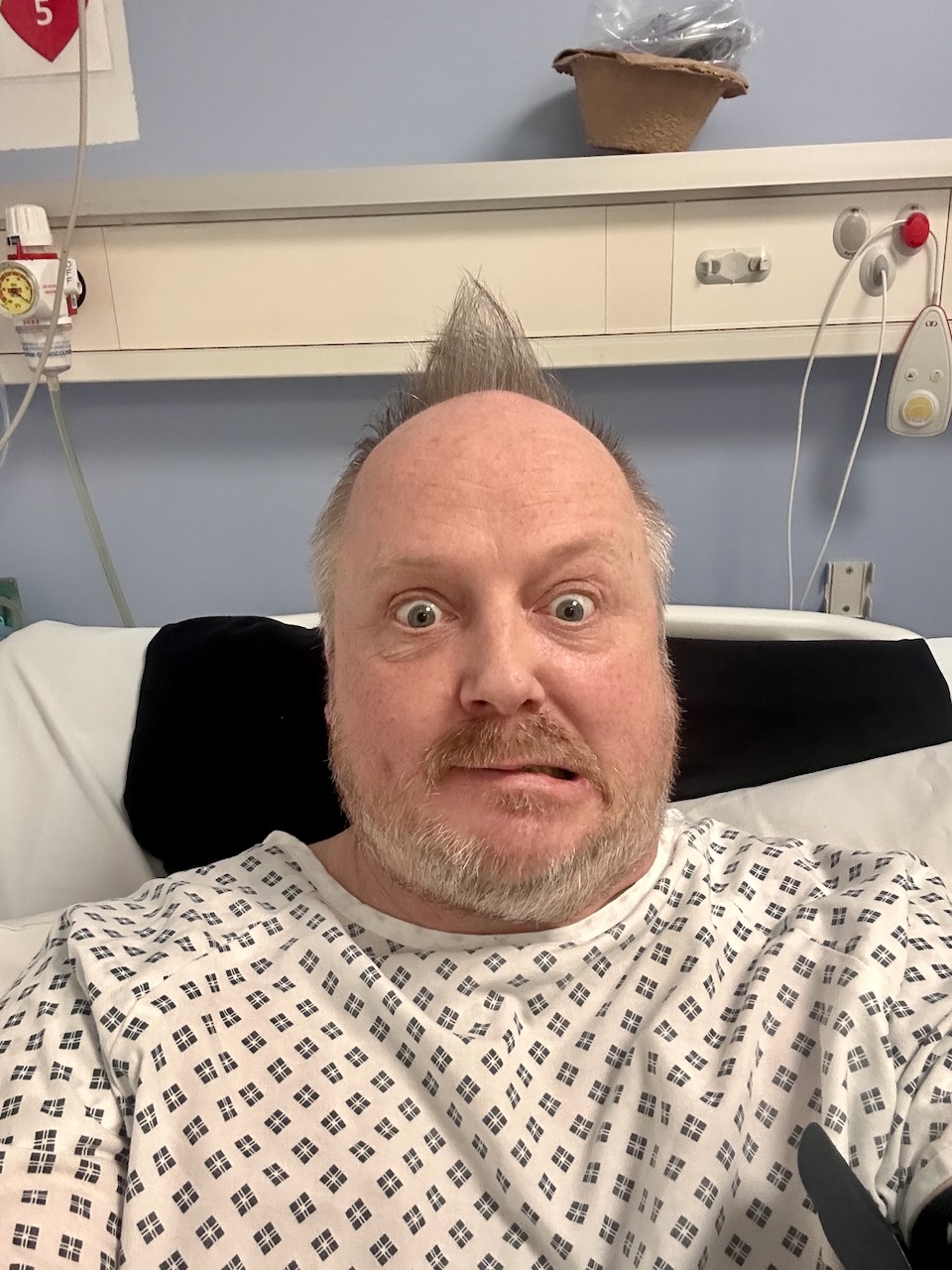
Finally, on Wednesday afternoon I had an angiogram. The doctors found that my Left Anterior Descending artery, often nicknamed the ‘widow-maker’ when severely blocked, had significantly narrowed, somewhere between 75% to 95%. That was a bit scary.
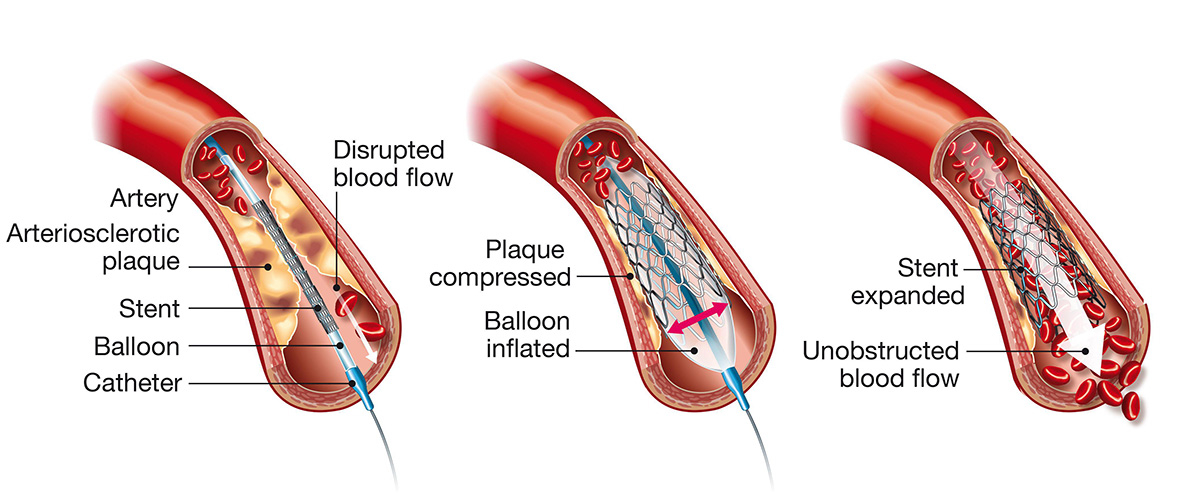
During the angiogram they inserted a stent to restore blood flow. This involves inflating a tiny balloon inside the artery, pressing a metal mesh stent into place. The stent acts like permanent scaffolding to keep the artery open. Seeing the before-and-after images was startling, as was the overwhelming sense of relief.
Throughout my stay I was treated with courtesy, patience and good humour by an incredibly professional, hardworking and kind group of staff from a wide range of backgrounds and nationalities. I don’t think our NHS could function without international workers filling roles across the board. The level of care was outstanding.
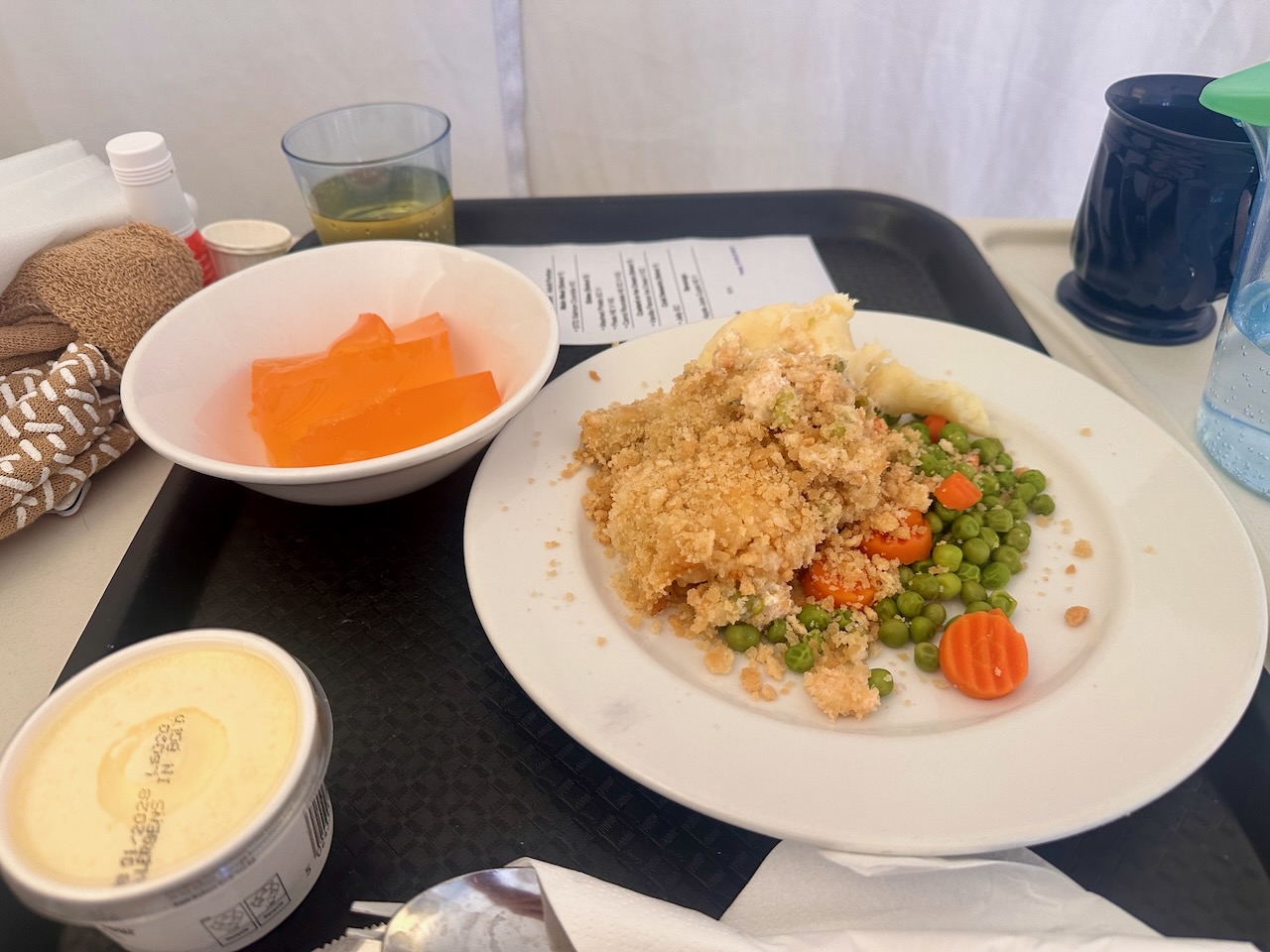
I even enjoyed the food (the jelly and ice cream in particular took me straight back to childhood). Behind the scenes you could see just how hard the staff work, often covering 12-and-a-half-hour shifts. I suspect the only way they get through it is by supporting one another with camaraderie, kindness and care.
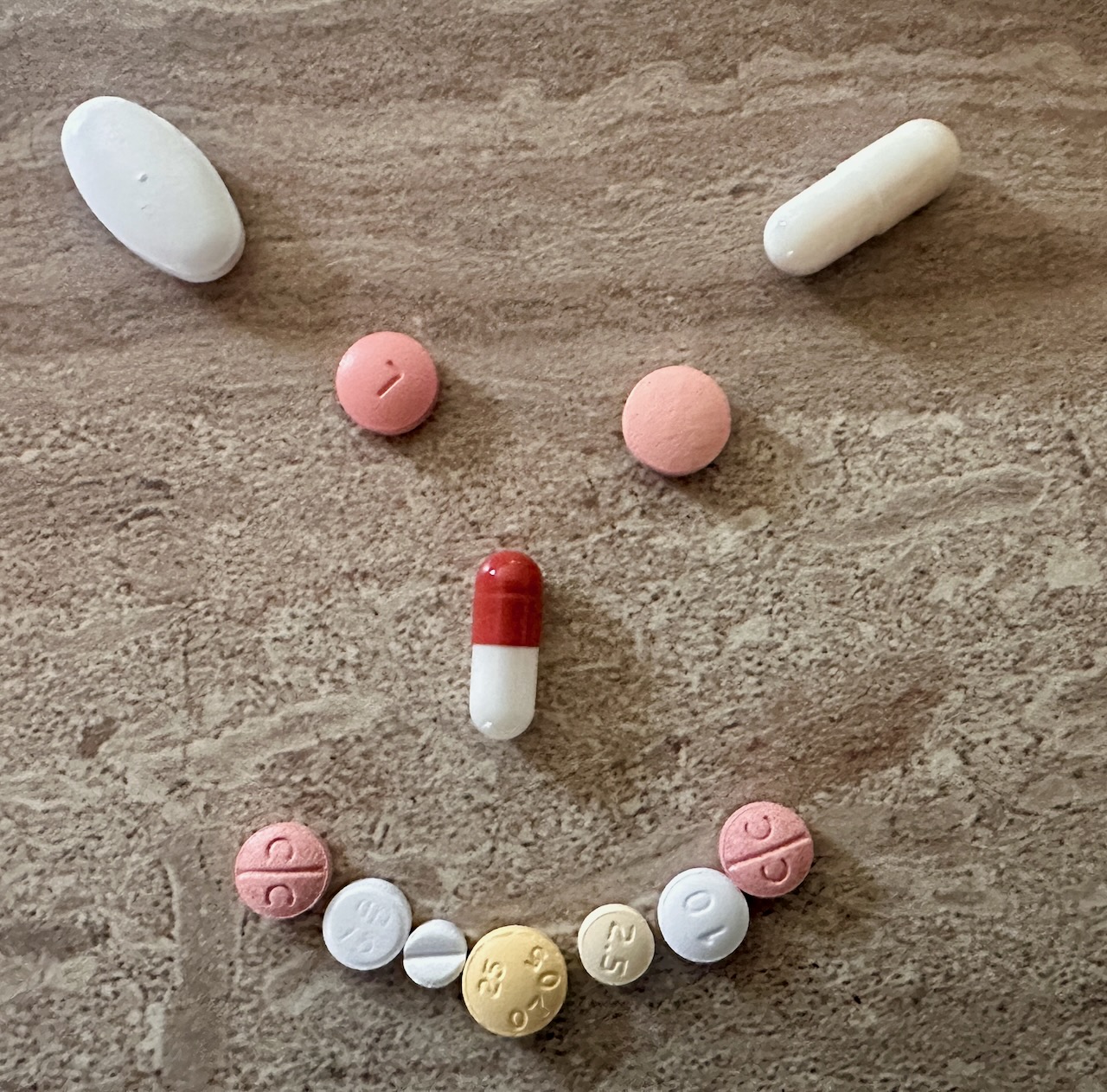
I want to say a heartfelt thank you to everyone at the N&N – from those first moments in A&E to being handed my discharge papers and medication. And thank you as well to the friends who came to pick me up.
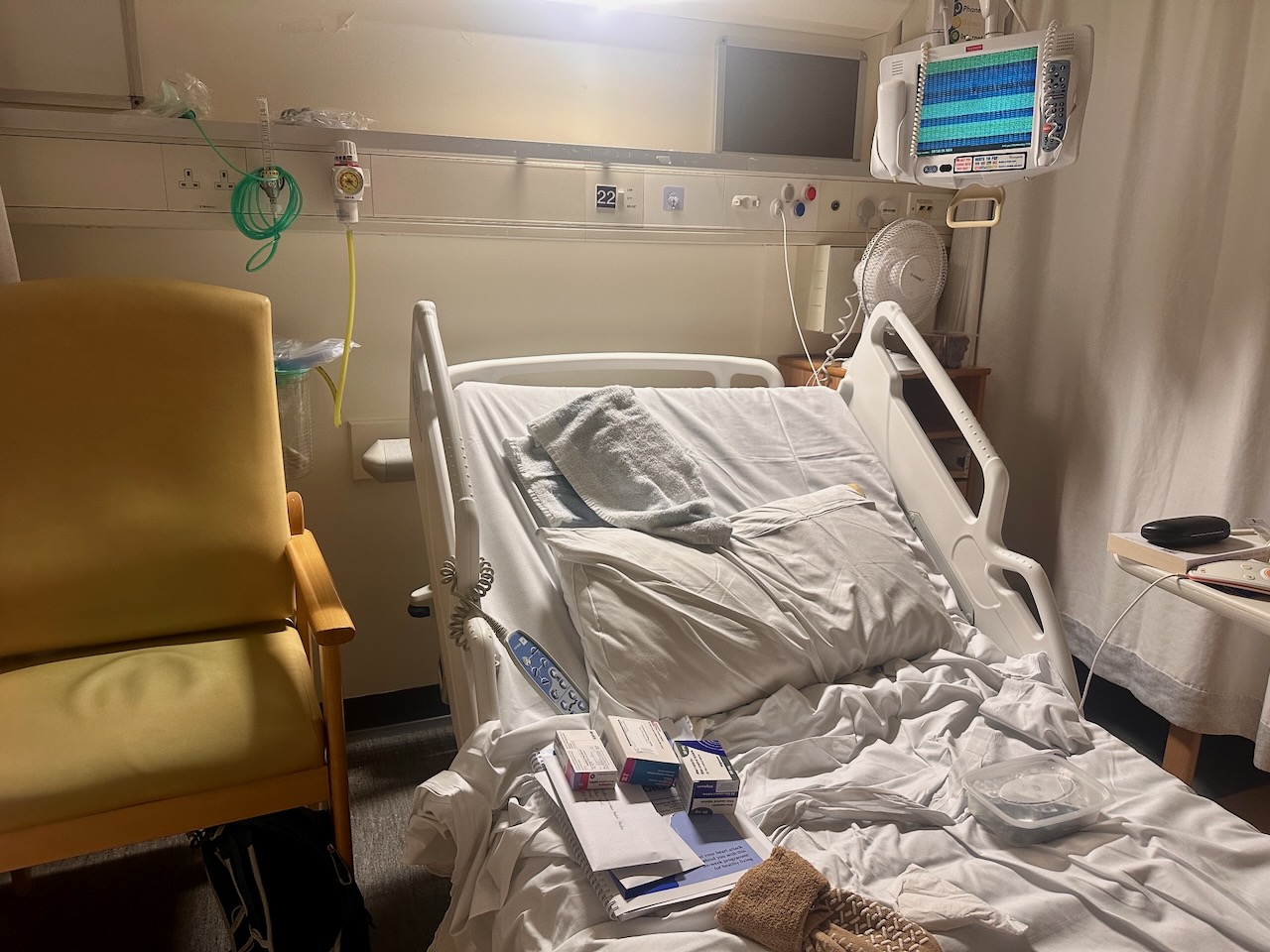
The NHS is not broken. It is full of skilled, compassionate people doing extraordinary work under pressure. What it needs is proper support and funding, and leadership that understands its value. It definitely doesn’t need to be further privatised. We’ve already seen what that has done to other essential services like water companies. And an insurance-based model would exclude many people who need care, as we see in the United States.
I got home last Wednesday night, and I’m now a week into recovery. I went back to hospital on Monday because my chest was hurting again, which apparently can happen. Sometimes it can even feel worse than before a stent is inserted because the artery has been stretched and the stent is settling into the vessel wall as it heals.
It’s getting better, though it still aches and twinges. I’m trying to get out for a short, slow walk every day – which is pleasant now that the weather is improving and the blackthorn blossom is out.
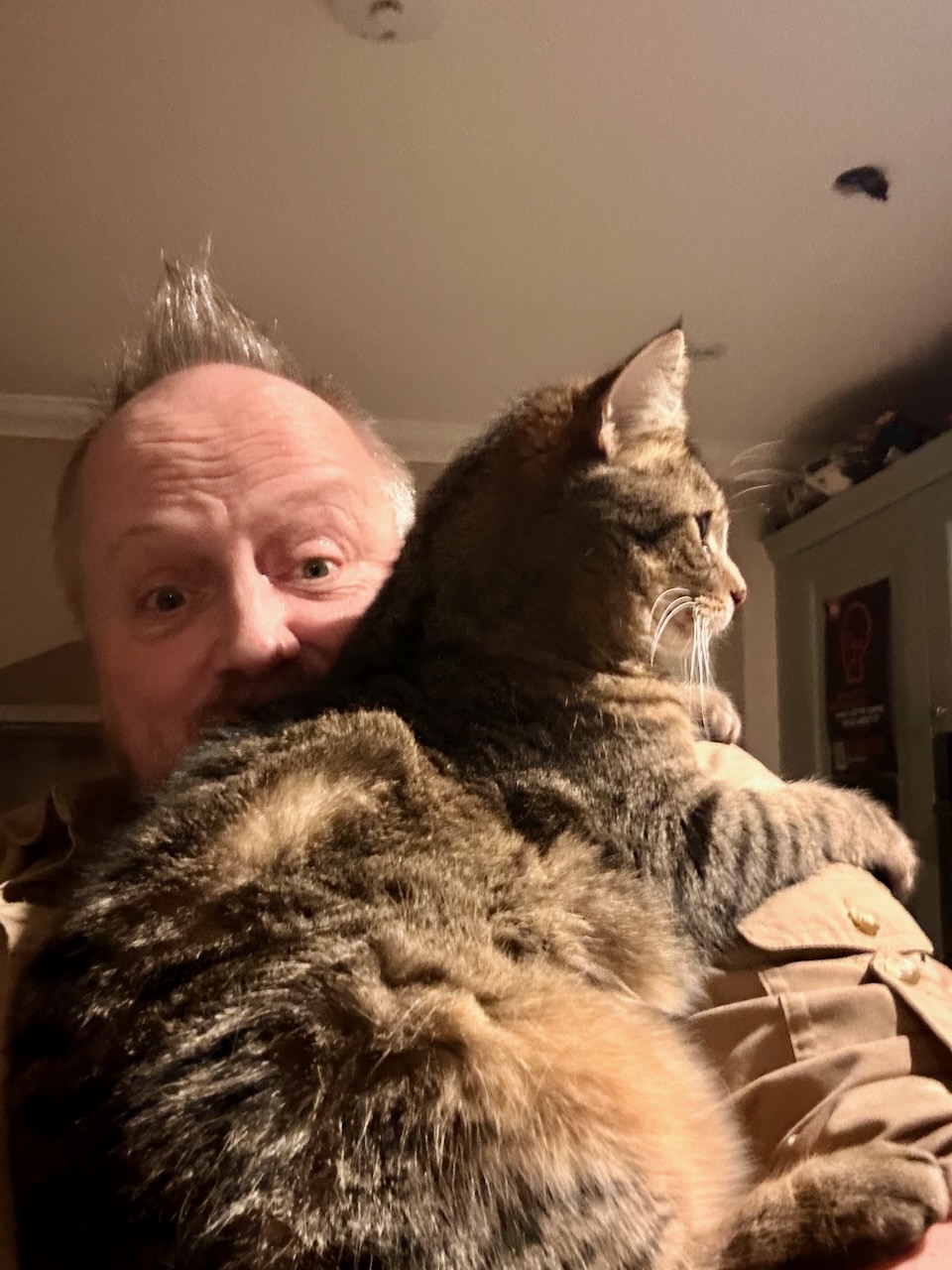
Finally, if your chest is hurting — don’t ignore it. Get it checked.
I was lucky. I avoided a heart attack this time. Others on the ward were not so fortunate and now face life with permanent heart damage.
If something doesn’t feel right, go and get help. It might save your life.
 Self Propelled
Wow James – this is an amazing account written with huge courage, humility and honesty. Thank you for telling it and thank God for the medical staff. Wishing you a complete recovery as you walk and cycle your way back to fulness of life.
LikeLiked by 2 people
Wishing you a speedy recovery back to 100% cycling hero
LikeLiked by 2 people