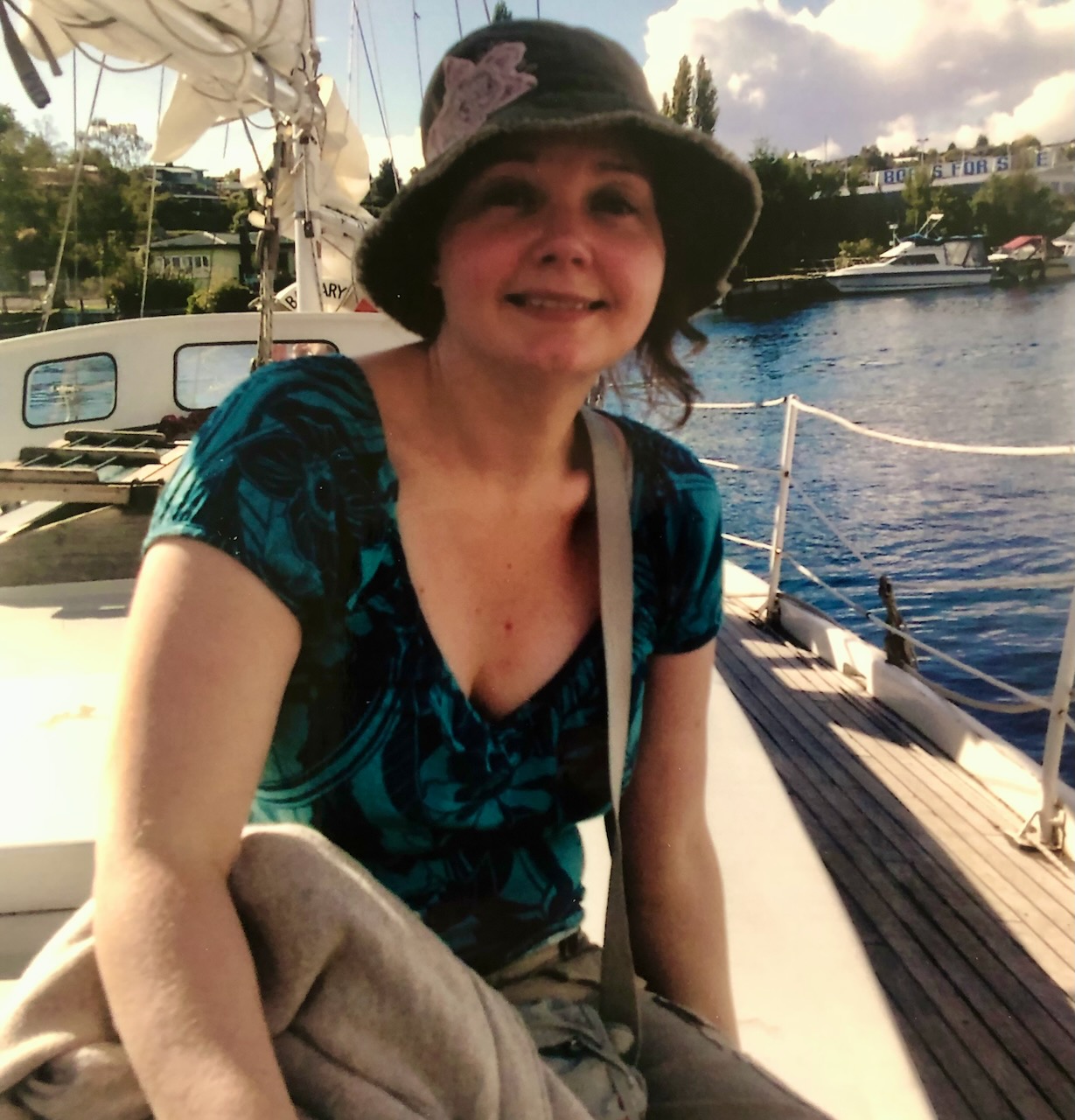
I prefer to celebrate her life on her birthday rather than the day she died, from cancer, on 26 Feb 2012. I hate cancer.
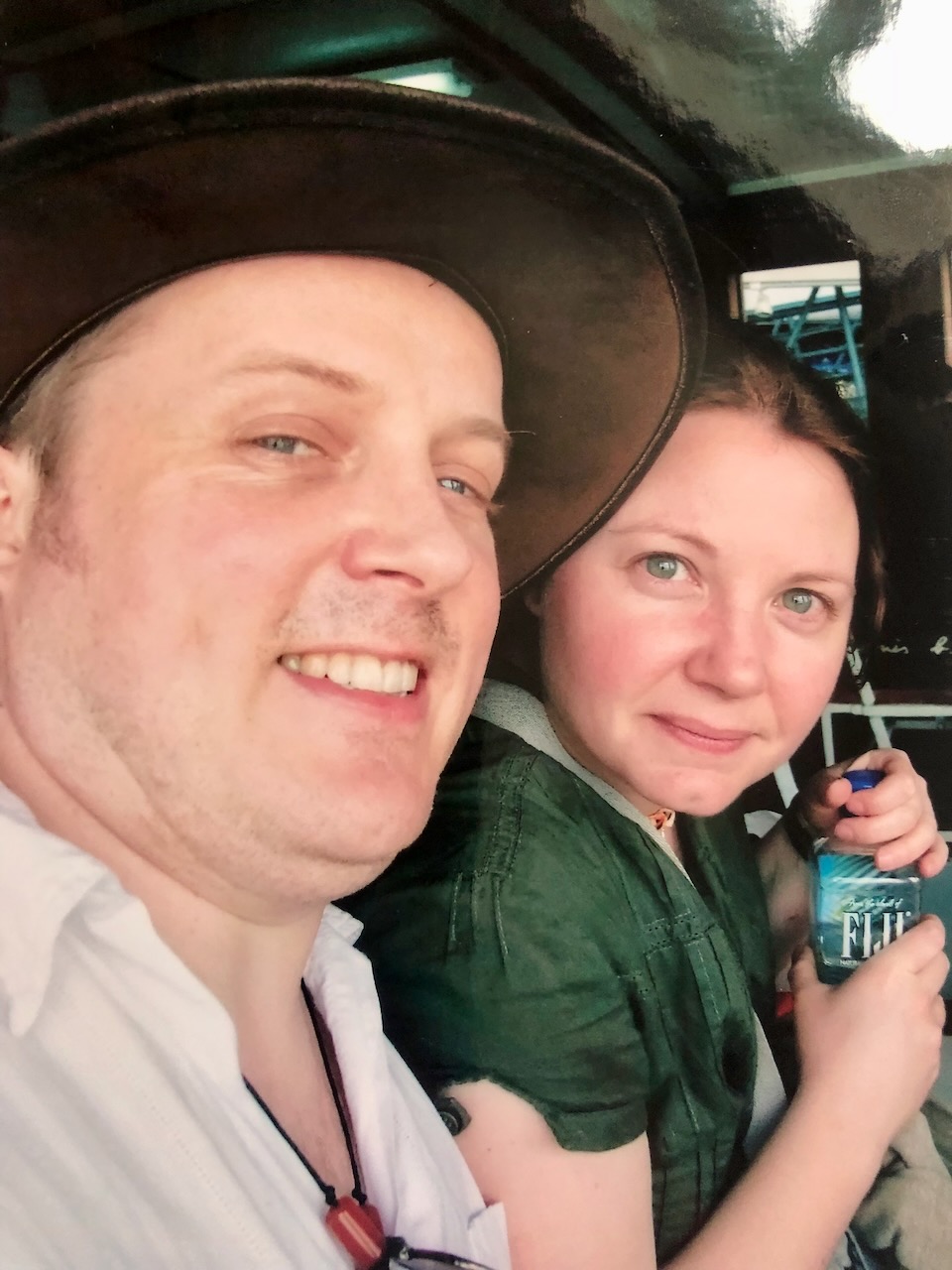
I spent the day looking through old photo albums and thought I’d share a few for friends and family. Had to take a photo of some of these on my phone as don’t have digital versions. Treasured memories. And by the way there’s really no order to these.
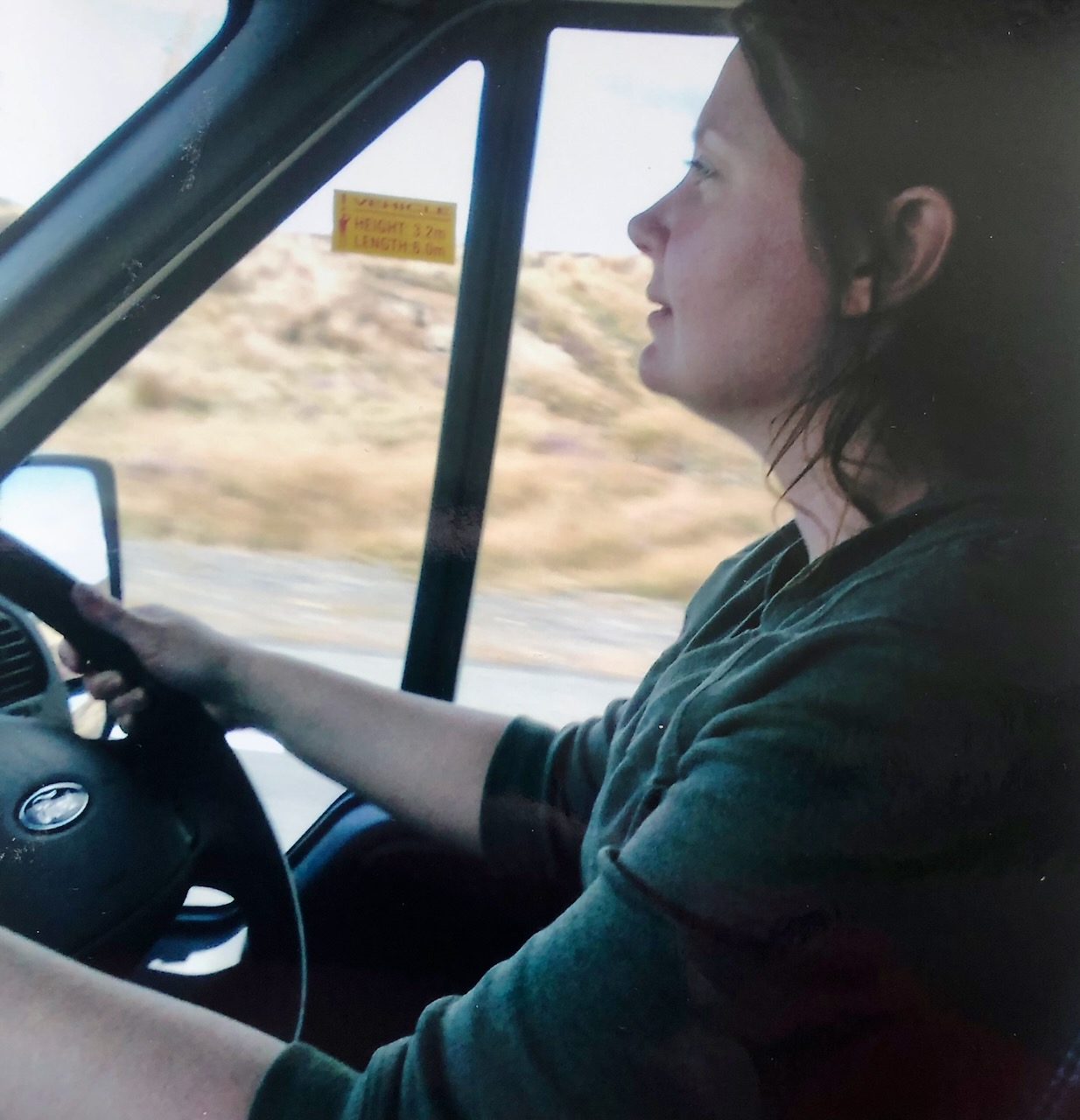
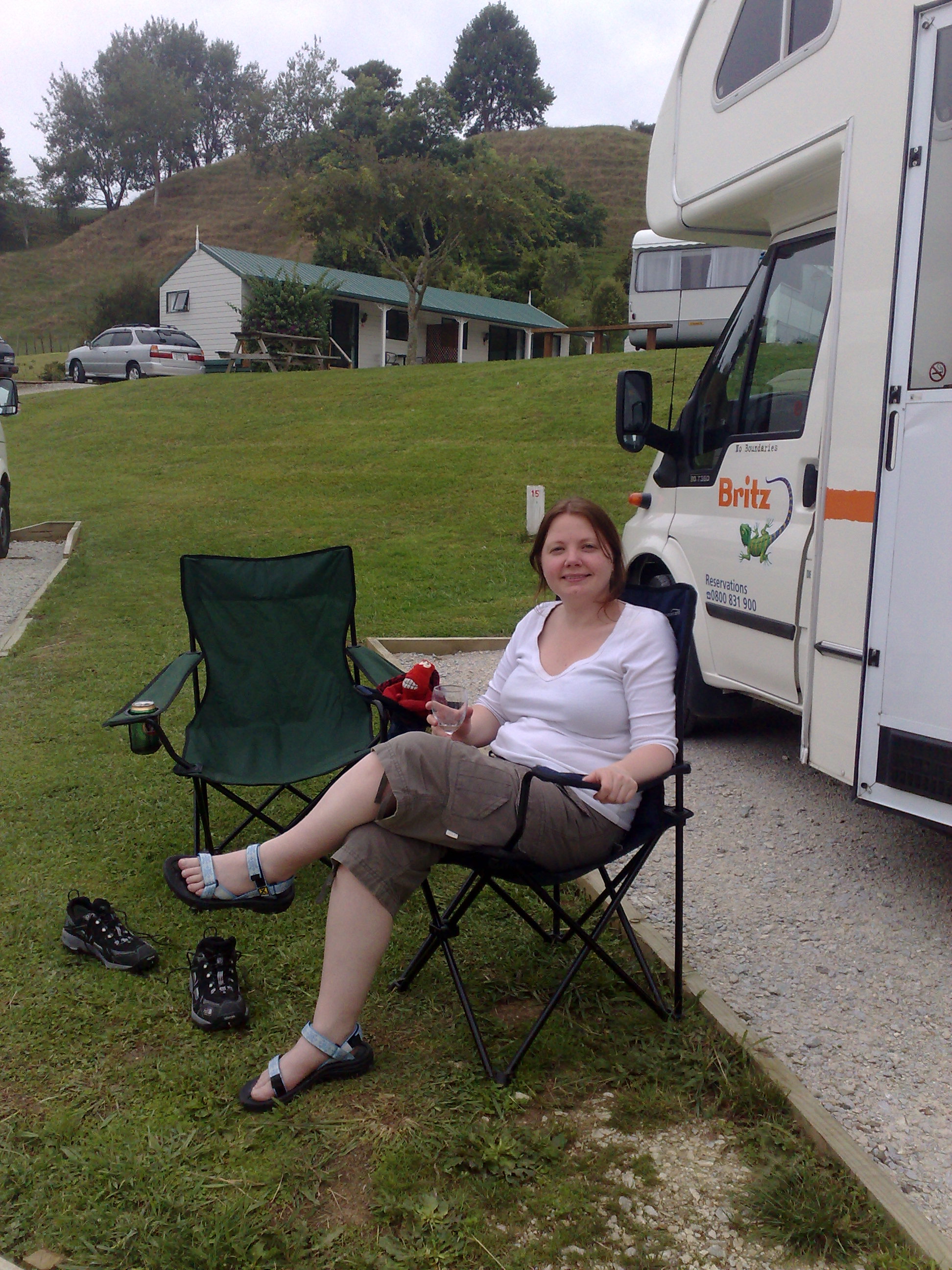
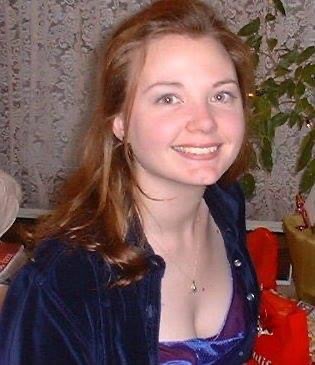
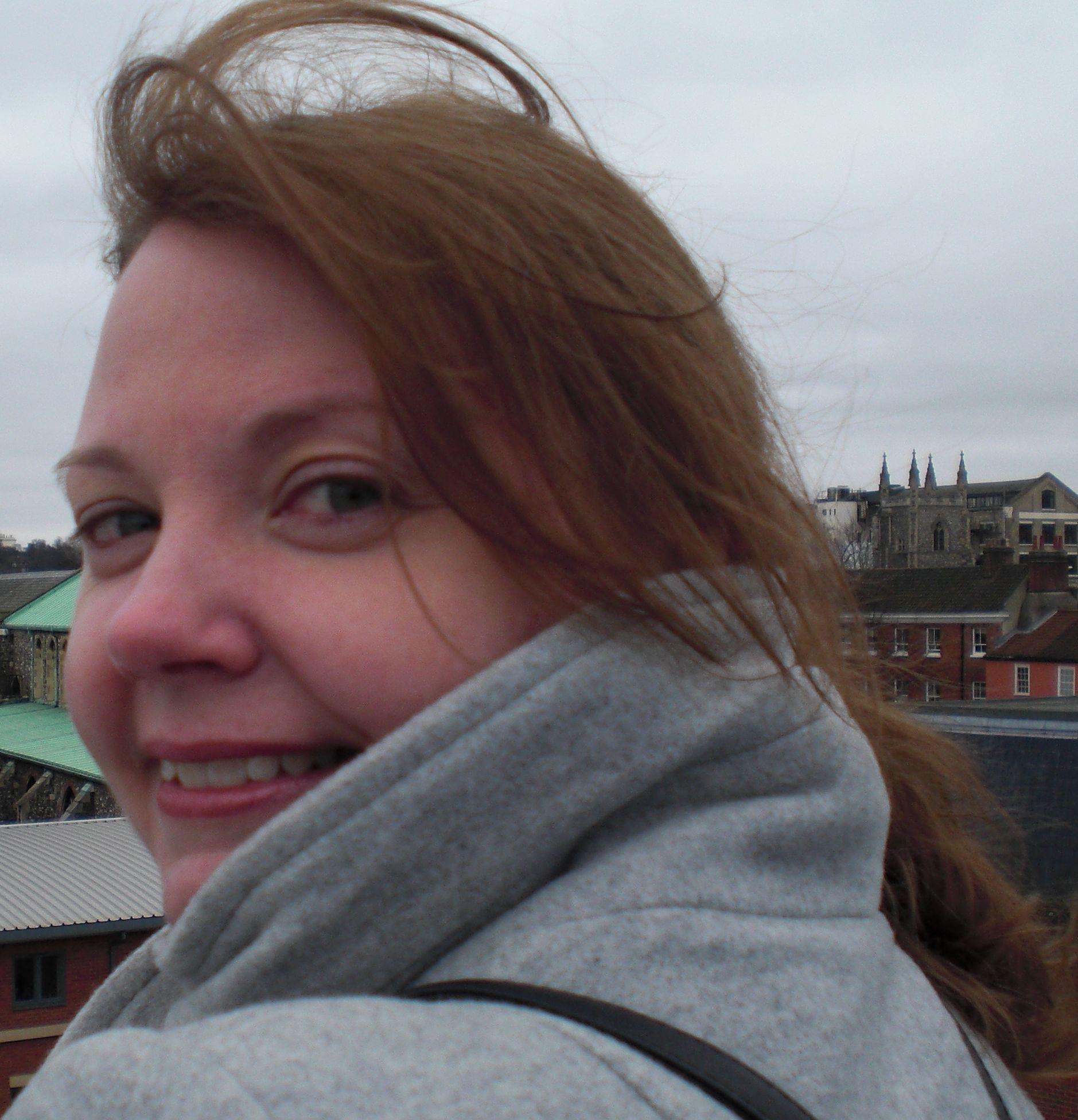
Lu, walking up a volcano in New Zealand I think.Graduation day, UEA, probably 1997Nadia and Lu xx
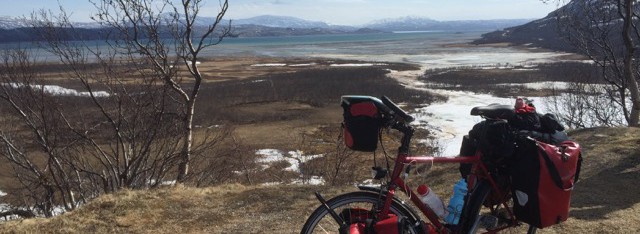
I so love the photo of Lu walking up a mountain in NZ, it exemplifies her undauntable spirit. We had the joy of travelling to some great places, something I won’t do these days as don’t fly anymore. Maybe I’ll pedal there again some day.
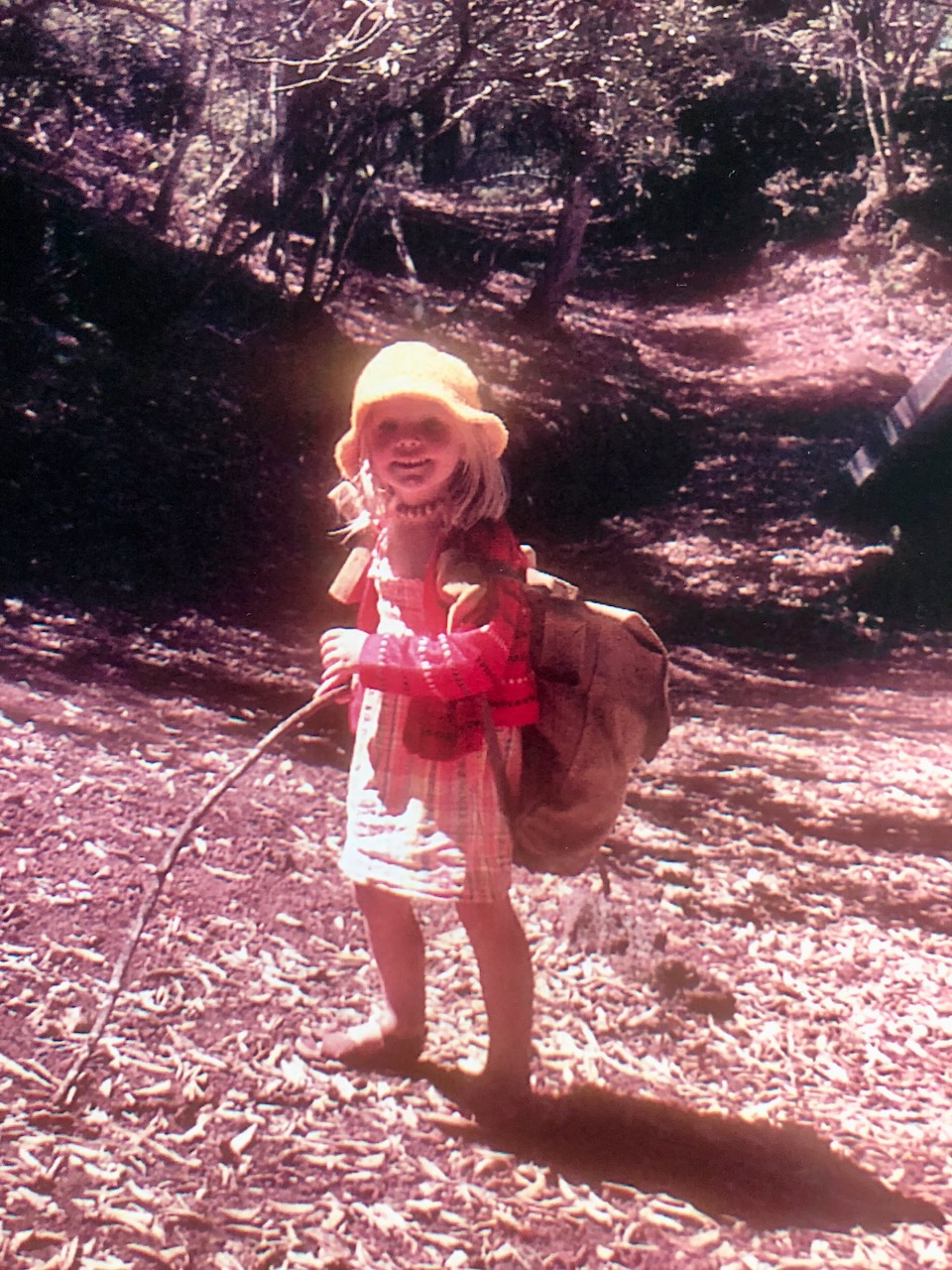
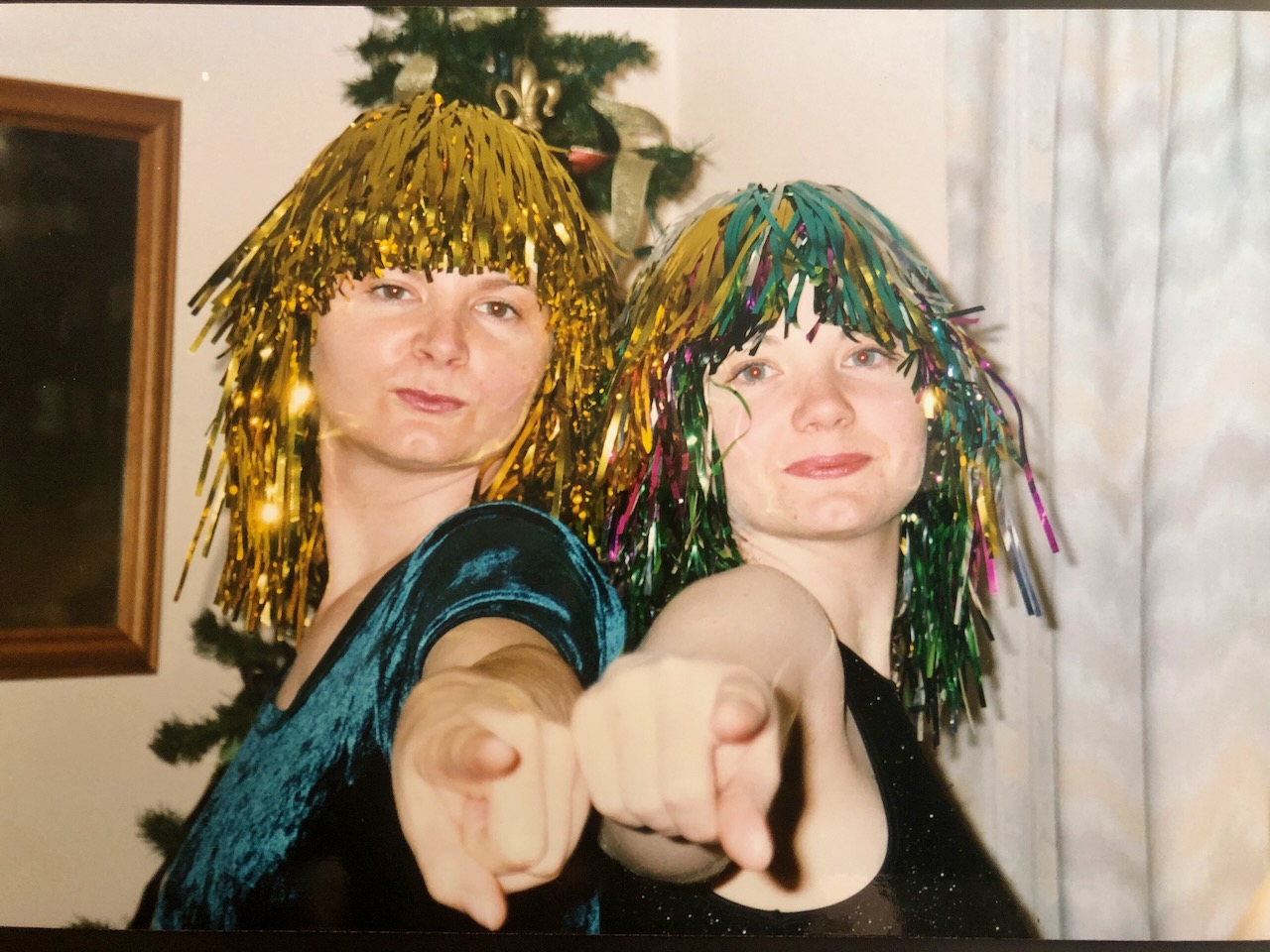
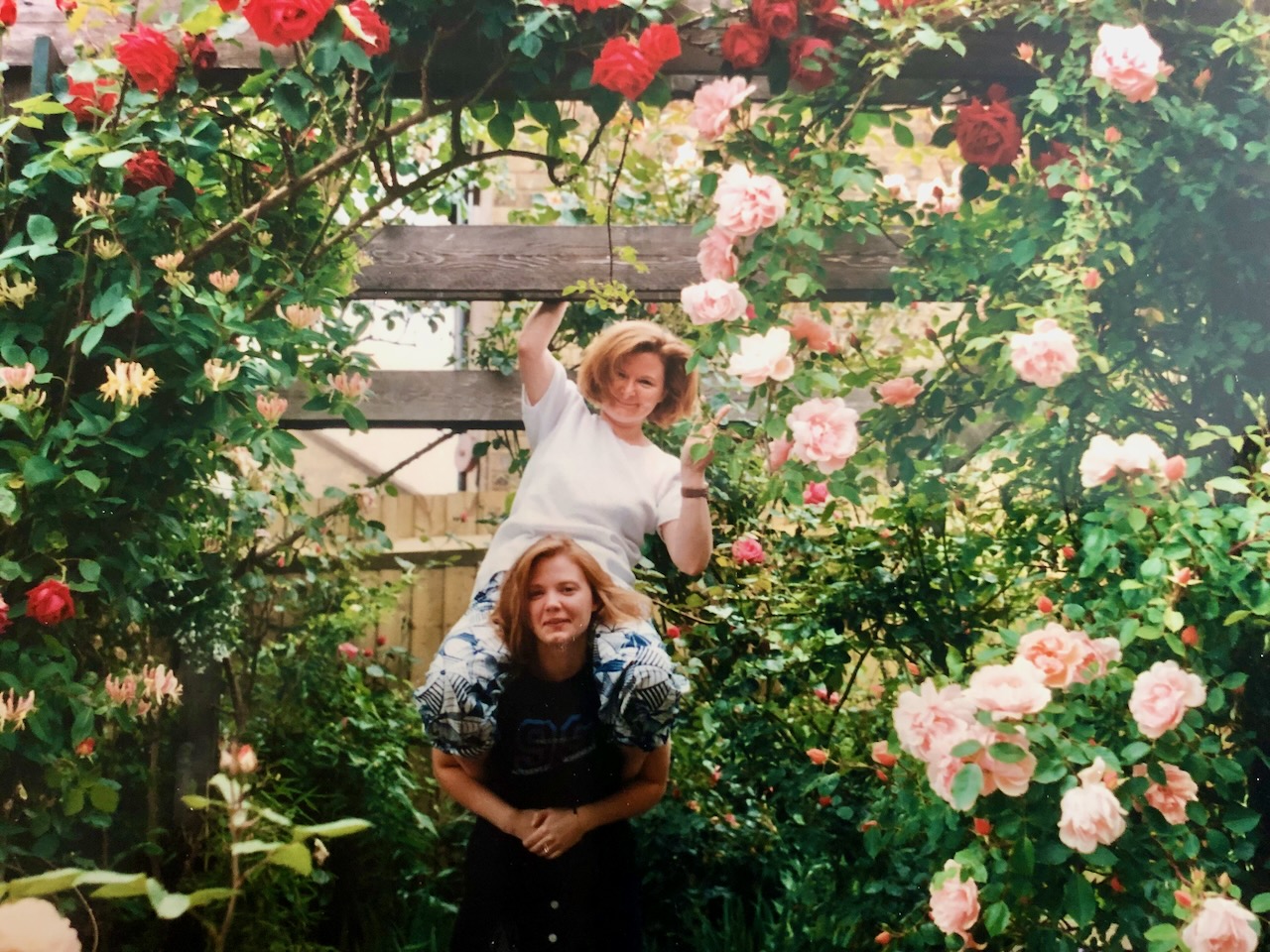
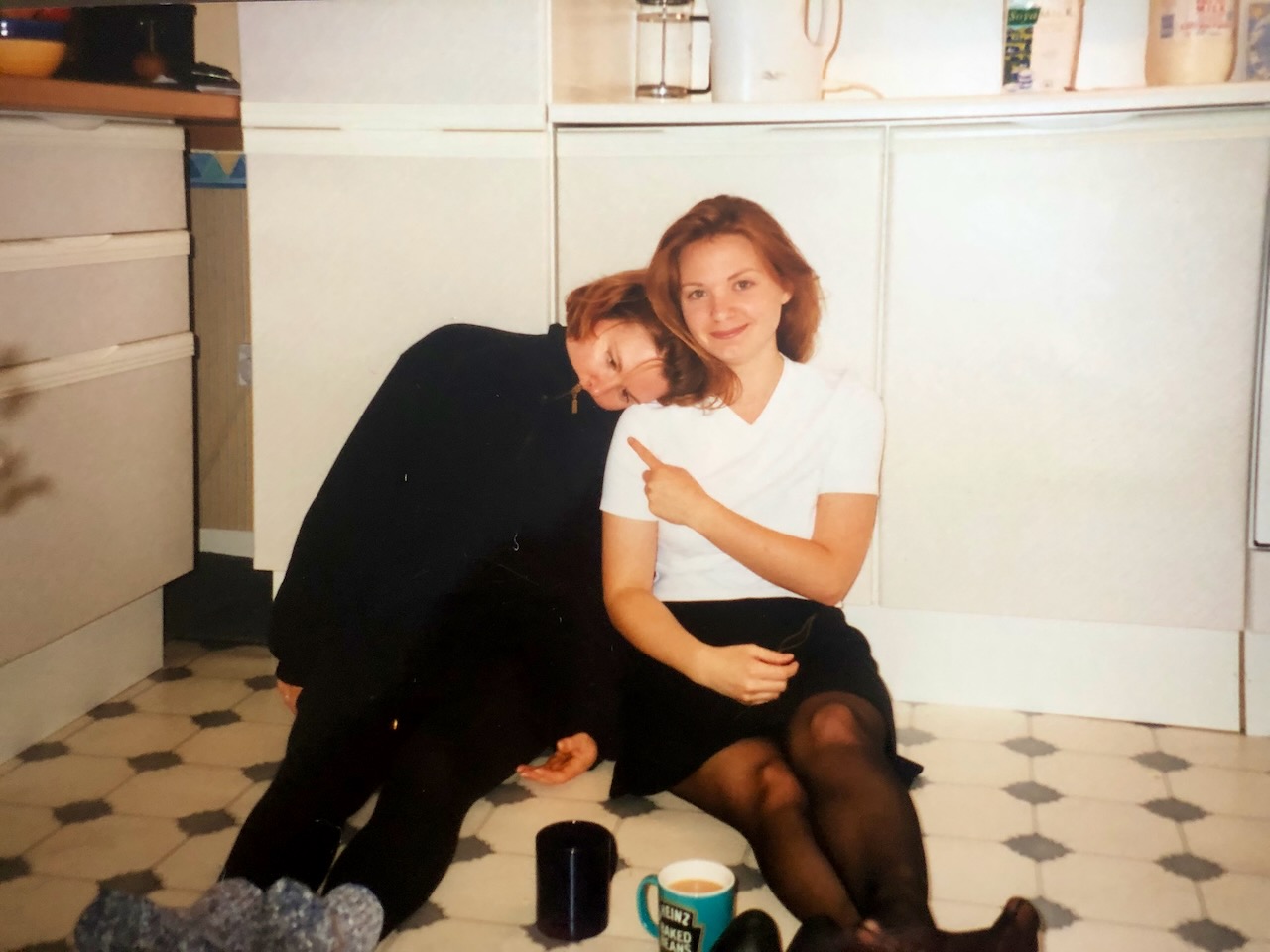
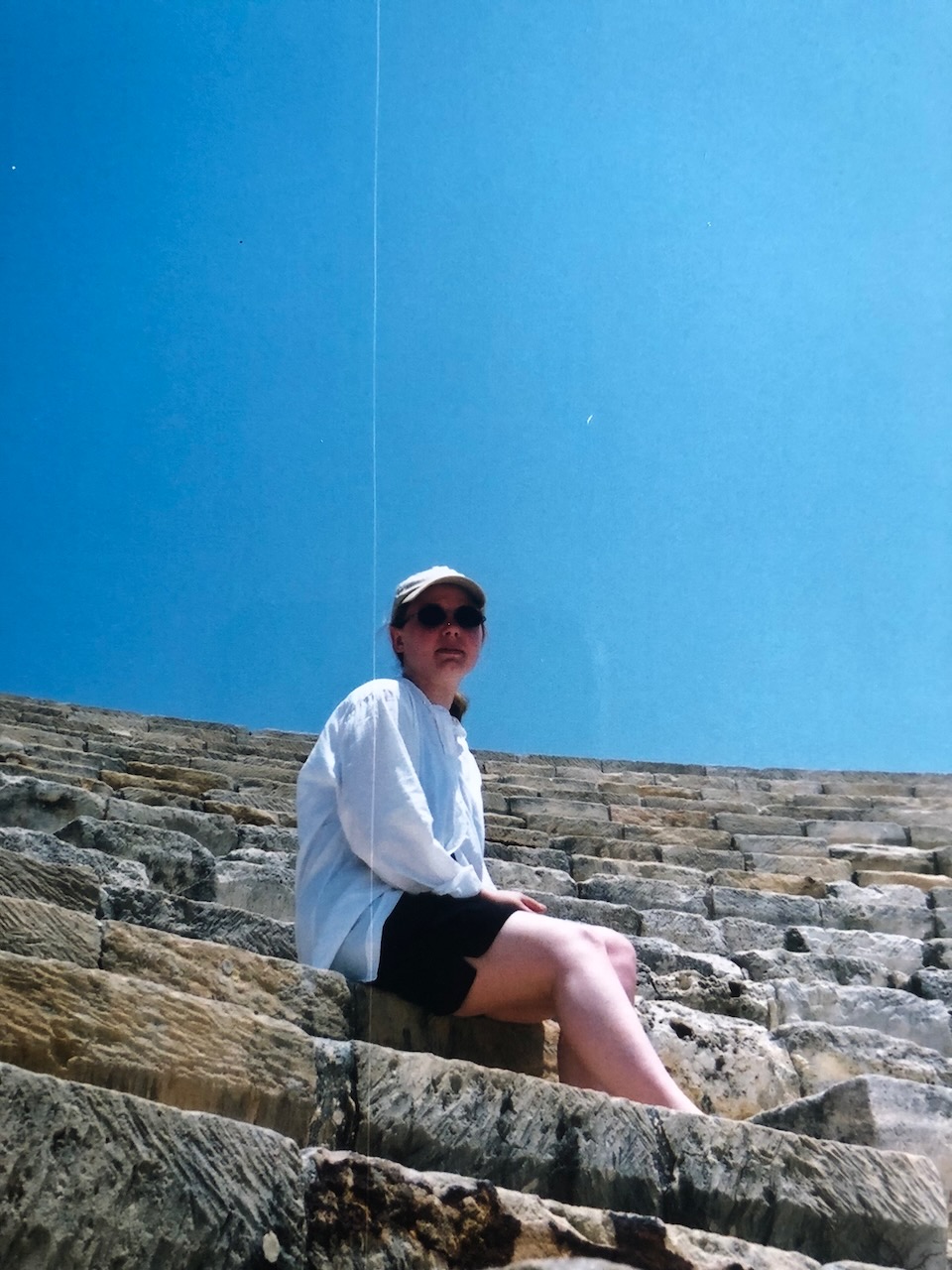
Ur, Susan (Lu’s sister) is gonna berate me for posting thisSheila’s rose garden in Milton Keynes was amazingYoung Lu – apparently a medal earnedKitchen wipeoutHawaiian evening, sisters togetherCypress holiday, a colosseum, Lu wanted more/some gladiators
Okay, so if you don’t hear from a for a while, it’s because her sister (Dr Susan K Burton) has done me in for posting the wig picture. But, god, how beautiful is Lu in these, that smile, her soul that shines through.
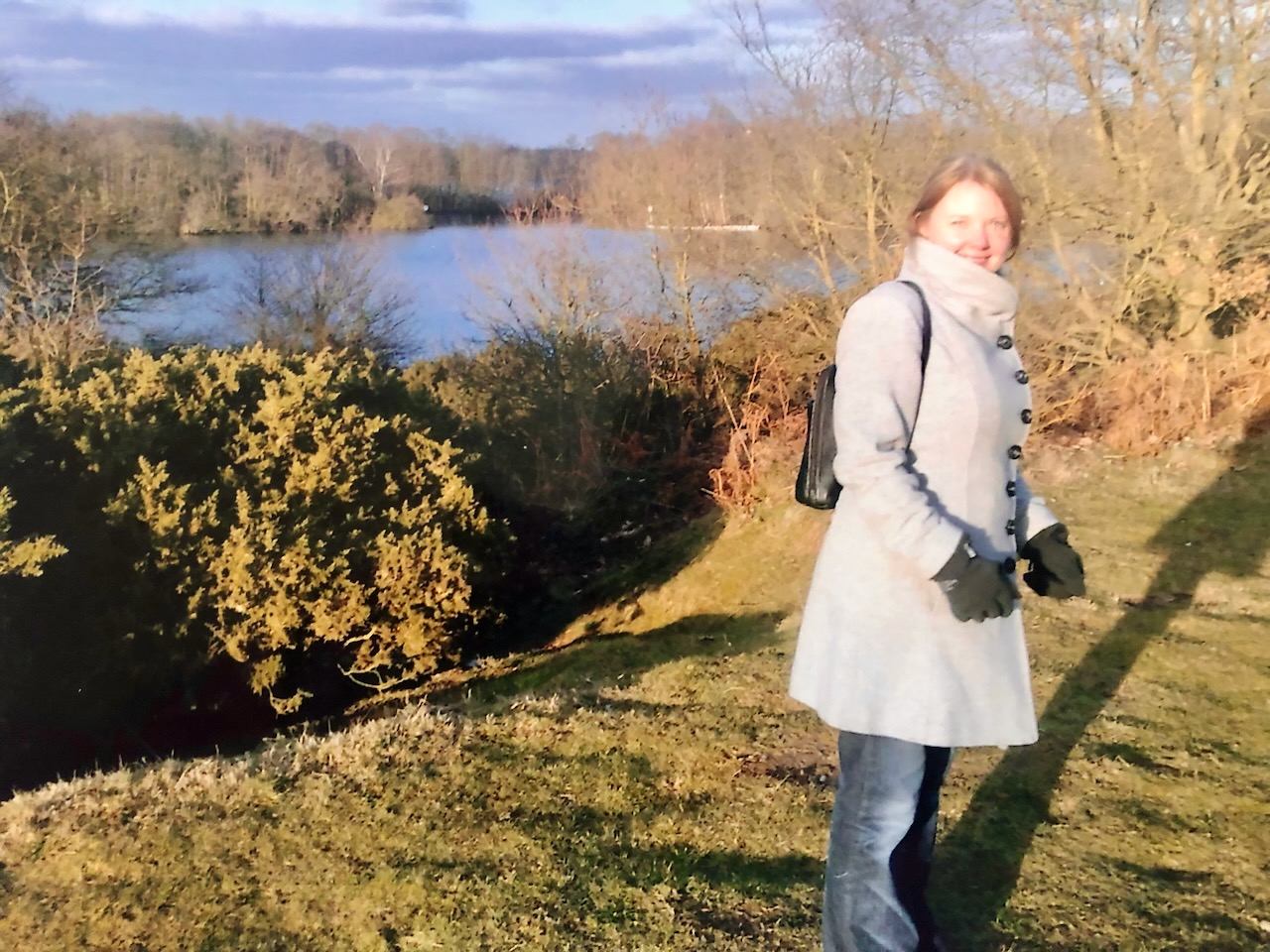
Cricket in Eaton ParkSnow in Horsford WoodsSalhouse Broad, before I moved here, think about Lu when I walk here
When I think about Lu/Lucy/Beeb I’m sad, but also happy from all the memories, and great times. She was formidable. She got things done. She produced stuff. She cared. She was kind. She loved a cuddle. I would love to have her alongside me on activism stuff cos I think we’d have won by now.
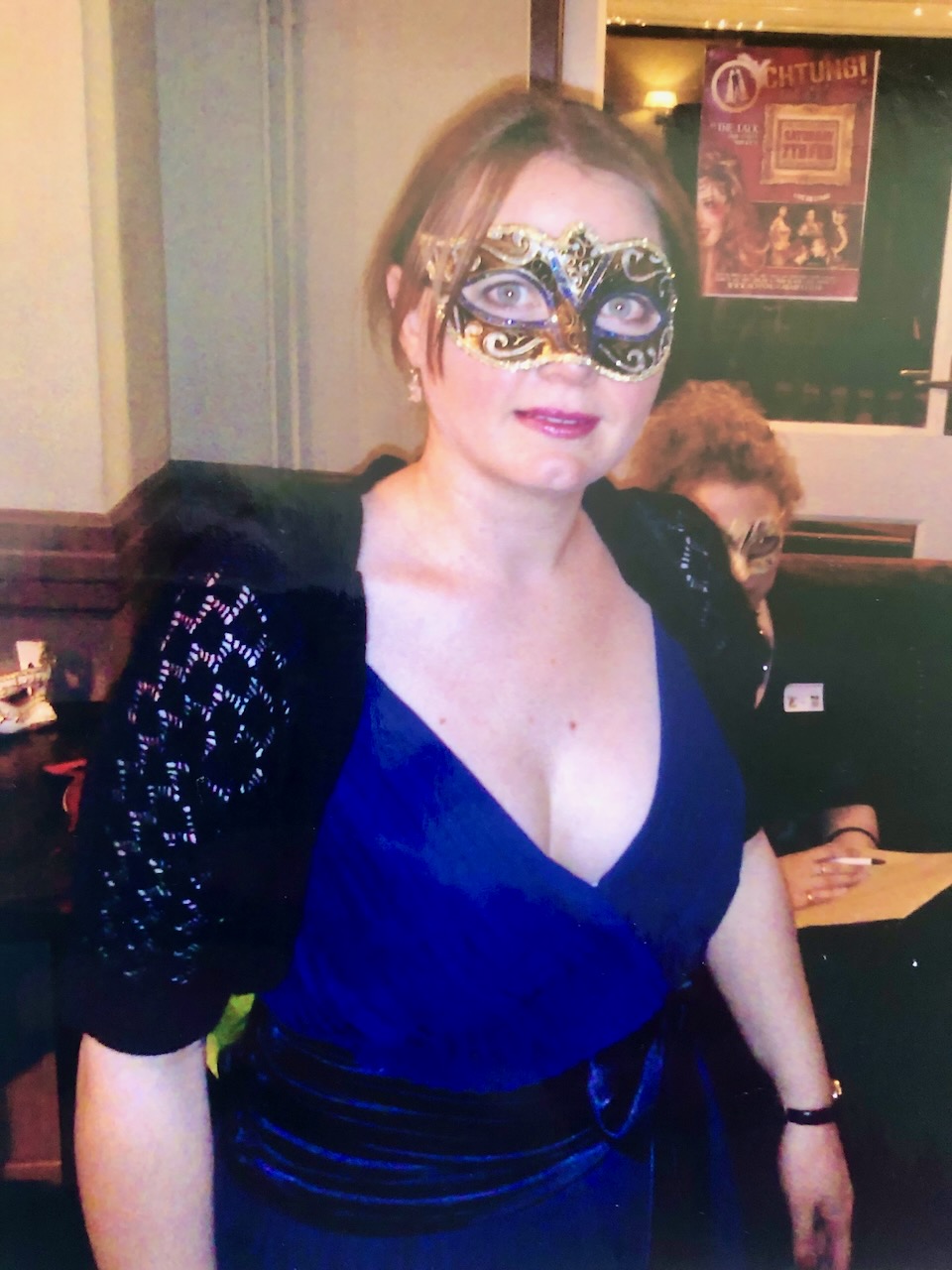
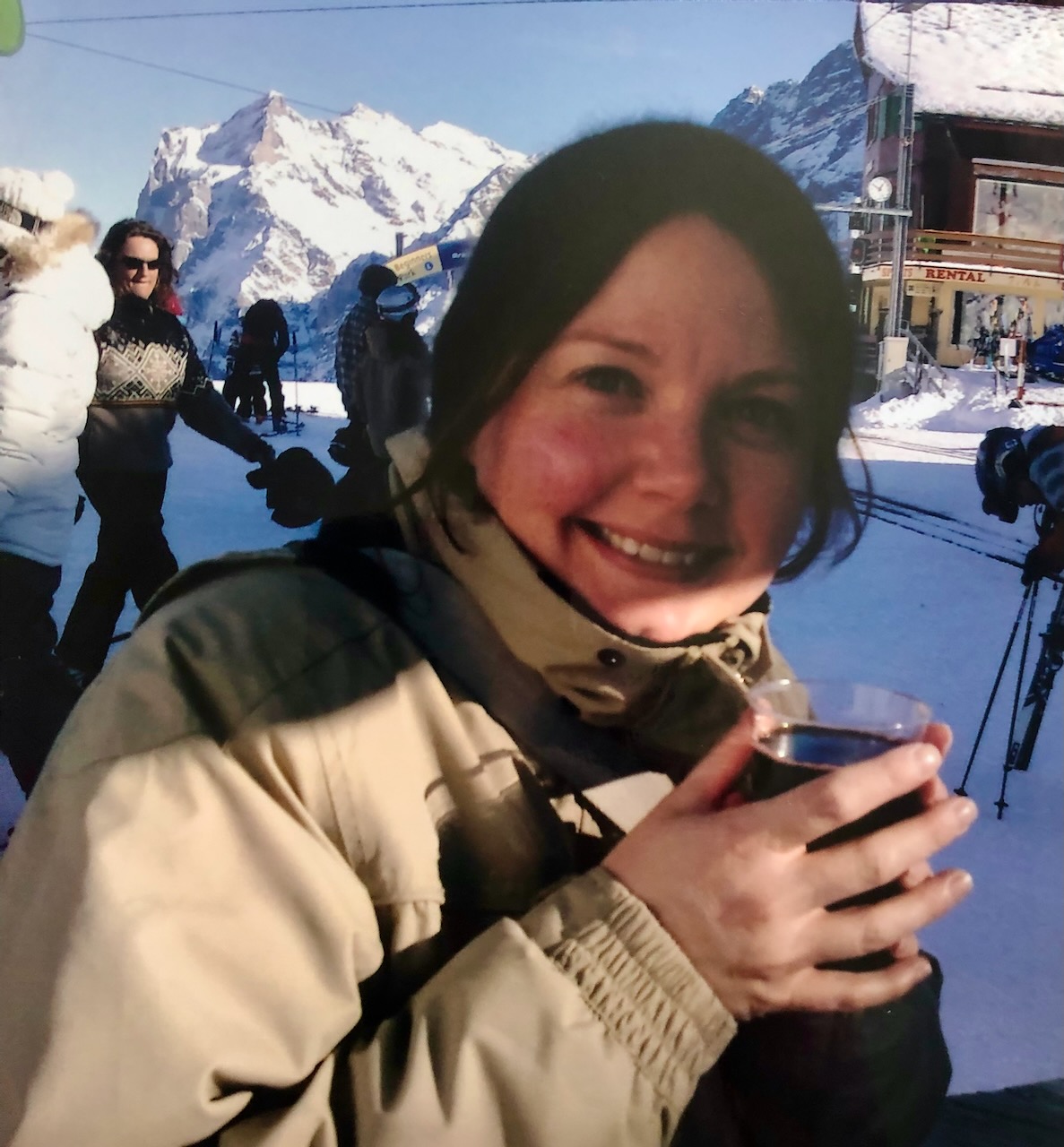
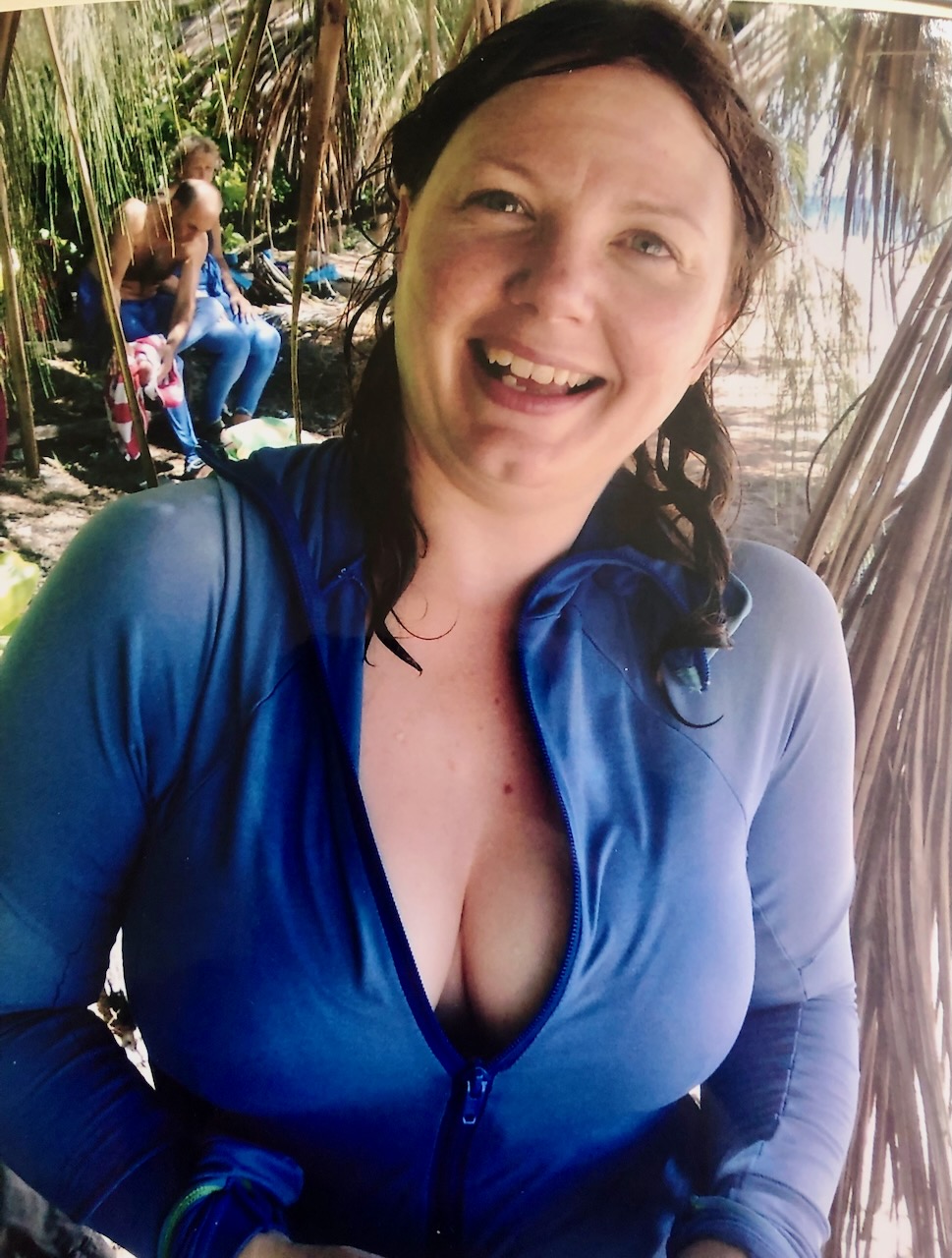
New Years masked ball, at the Lily Langtree, in the noughtiesWengen – Lu was not a great fan of ski-ing, but liked the gluhweinGreat Barrier Reef snorkelling – turtles and coral, extreme happiness
These memories and Lu herself give me so much motivation to get on and try to make the world a better place, and conserve the wonders we have for future generations.
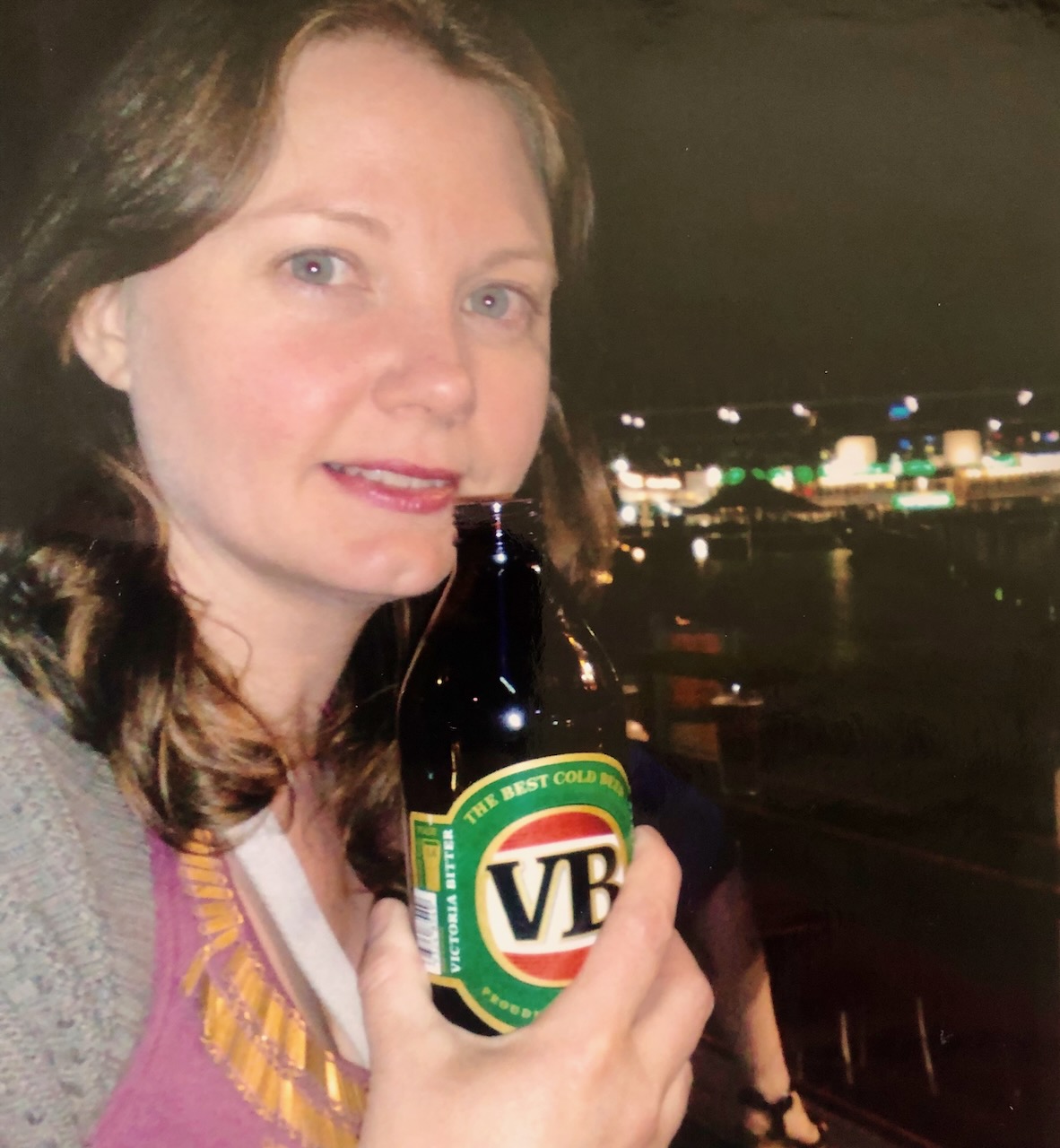
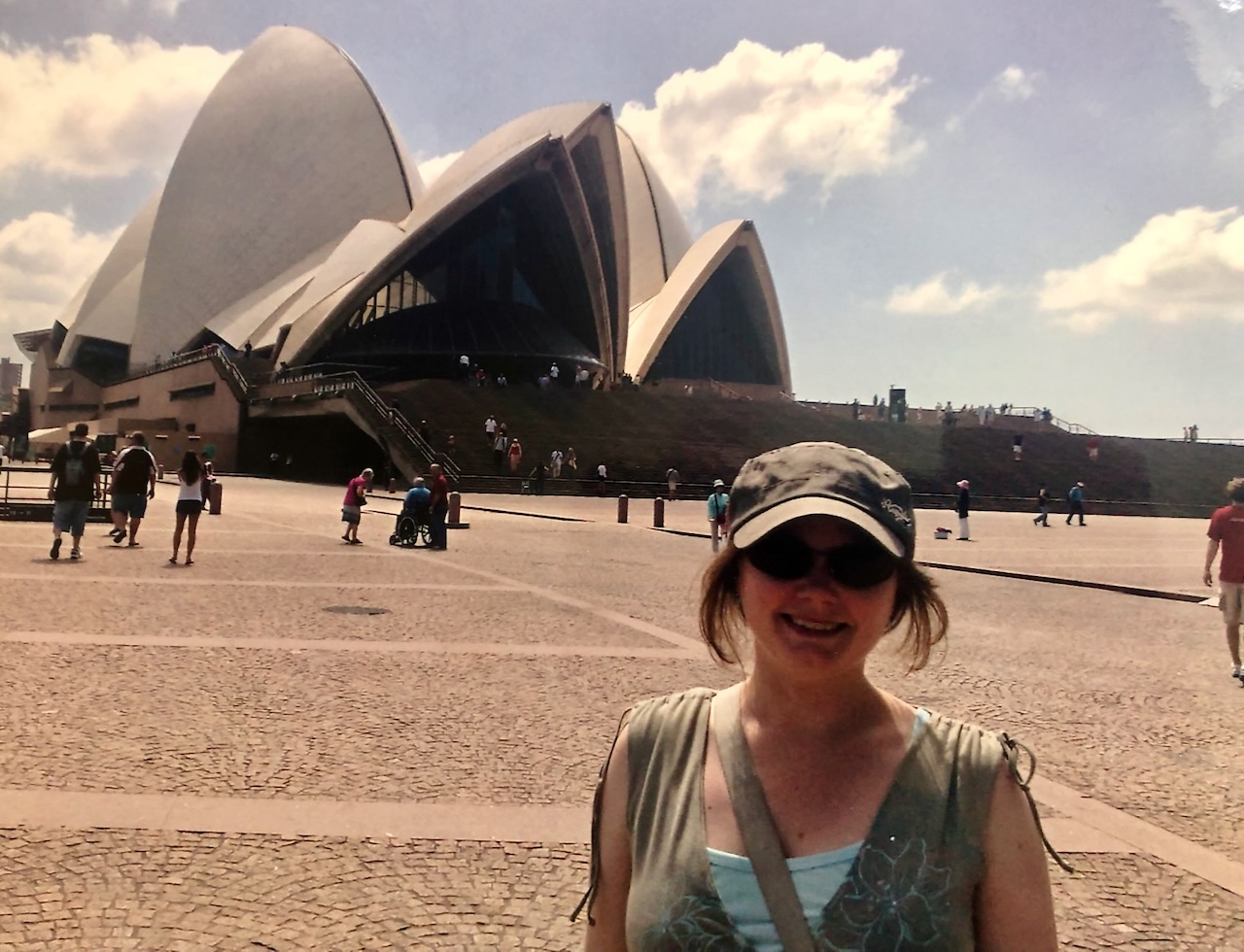
The Olgas, safari in Australia which Lu organised cos she was brilliantVB beer in SydneySydney Opera House – cool hair thing going onBoat trip, think this was Lake Taupo, NC, could be wrongLu driving the ‘Beast’ – our camper van in NZUs in Sydney I think, or Hong Kong
She reminds me to take nothing for granted, carpe diem.
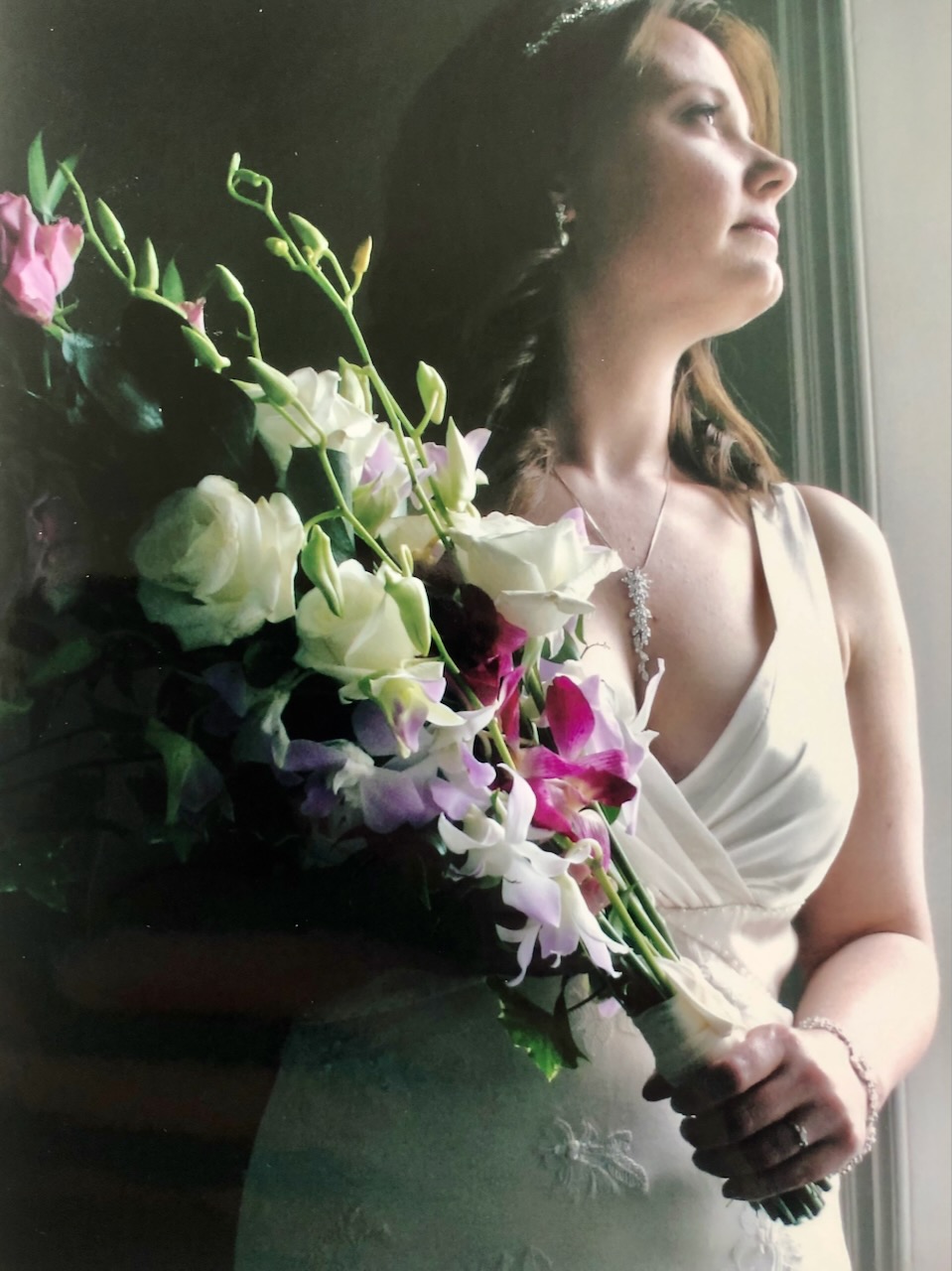
Gran Canaria – sangria and wineWedding day, so beautifulLu, beautiful, sorely missed
Our wedding day was amazing. Surrounded by friends and family. It was everything we wanted with a great location, singing (thanks Chris B), camp fire, dancing, great food and speeches, but mostly just the surrounded by friends and family thing.
Food market in Auckland I thinkWaitomo, chilling out post caves.Lu – Christmas, she has amazing eyes
The memories and grief will always be there. Fire and Ice. The thoughts that I should have done more, the ‘I will fix you’ Cold Play song that goes round my head. I know we split, but we were together at the end, and I love her so much.
Lu, I don’t know where this was!Horsford Woods in the snow, one of my favourite pictures
Susan, my sister, you look amazing in some of these. It intrigues me that you are also forever young, like Beeb 🙃
I really hope we create a cure for cancer soon, so we stop losing loved ones with so much potential.
After Lu died, I got out on the road, I cycled round the coast of Britain, I pedalled from Nordkapp to Tarifa, to Istanbul and back home. At some points I wouldn’t have made it without Lu’s voice in my head telling me to get on with it, telling me I could do it. Donate to the Big C if you can, they do good stuff – https://www.big-c.co.uk/
Love to Sheila, Norman, Susan, Mum and Dad, and all who knew Lu. She was/is the best.
I thought I’d share the response from my MP, Jerome Mayhew, to the email I sent him last Friday off the back of his newsletter. It was a little bit infuriating, and didn’t really address a lot of the points from my email, but credit where credit’s due to responding in a timely fashion.
If you are able to contribute to the most excellent Legal challenge to the Western Link and other new roads in Norfolk, please check out Dr Andrew Boswell’s page here. Andrew has worked very hard on this, and any donations are greatly appreciated: https://www.crowdjustice.com/case/stop-road-building-wrecking-climate-nature/
I’ve also included my response to Mr Mayhew’s response, further down this post, as I felt I had to challenge his claim that the Norwich Western Link will reduce carbon emissions. Firstly, here are some daffodils from my lunchtime walk, just to ease us in. There are a couple of ‘quiz’ photos later on.
Daffodils – a sunny disposition
Mr Mayhew’s email from 06 March 2023:
Dear Mr Harvey,
Thank you for your email.
Voter ID:
Voter ID is a policy that has been implemented by many countries across the world. It is pretty standard, including in parts of the European Union. In 2010, the Organisation for Security and Co-operation in Europe carried out a review of the elections in the United Kingdom at that point and it was clear that there was a weakness in our system around ensuring that identification was provided.
You ask about oyster cards and over 60 passes. It is extremely simple to answer that question. I would encourage you to go and look at the eligibility for 18-year-old Oyster cards and at the eligibility for 60+ Oyster cards. They are different. The eligibility for the 60+ card involves significantly more requirements, including a passport or a driving licence.
Having sat on the Bill Committee during the Election Bill’s Committee Stage I followed the progress of the Elections Act 2022 closely, so do please forgive me for the length of my reply. The Elections Act 2022 was introduced to the House of Commons in July 2021 and received Royal Assent on 28 April 2022.
Voter ID is not new. Northern Ireland has required paper ID at polling stations since 1985, and photo ID since 2003. It has proved to be effective at tackling fraud and has not curtailed election turnout. Identification to vote has been backed by the Electoral Commission and international election watchdogs. At present, it is harder to take out a library book or collect a parcel at a post office than it is to vote in someone else’s name. As in Northern Ireland, where electoral participation has not been curtailed, a free Voter Card will be available, for those voters who do not hold one of the approved forms of photo identification, when the scheme is rolled out across Great Britain. Under the Government’s proposals, anyone without an ID will be able to apply for a new free one – meaning that not a single voter will be disenfranchised.
In pilot schemes in 2019 and 2018, the overwhelming majority of people cast their vote without a problem and the success of the pilots proves that this is a reasonable and proportionate measure to take, and there was no notable adverse effect on turnout. Under the Government’s proposals, anyone without an ID will be able to apply for a new free one – meaning that not a single voter will be disenfranchised
Research has found that 98 per cent of the population as a whole and 99 per cent of those from ethnic minorities have some form of photo identification. Again anyone without an ID will be able to apply for a new free one – meaning that not a single voter will be disenfranchised.
The Act sets out a wide range of photo ID which can be used to vote at the polling station. This includes a UK passport or a passport issued by an EEA state or a Commonwealth country. A driving licence or provisional driving licence granted in Great Britain or Northern Ireland will also be accepted. Expired forms of identification will also be accepted as long as the photograph is a good enough likeness.
Again, anyone who does not possess one of these forms of photo ID will be able to apply for free for a Voter Authority Certificate from their local authority – either online, by post or in person. Both our local district councils, North Norfolk and Broadland, have already put information up on their websites advising how to apply for a free ID card: https://www.north-norfolk.gov.uk/tasks/electoral-services/elections-act-2022/ andhttps://www.southnorfolkandbroadland.gov.uk/news/article/277/residents-need-photo-id-to-vote-at-elections-in-may.
Sir Eric, now Lord, Pickles’ independent review into electoral fraud raised a number of concerns and made recommendations on the role of the Electoral Commission and the current system of its oversight. The Pickles report also drew attention to the corruption that took place in the Tower Hamlets elections in 2014. It is for these reasons that the Government is placing a greater emphasis on the need to tackle and prevent electoral fraud. Additionally, the Pickles report criticised that the Electoral Commission gave Tower Hamlets a gold-star rating for electoral integrity in its inspection reports before the 2014 elections. It also noted that after the 2015 election court case, the Electoral Commission’s corporate plan and annual report both made no substantive reference to this major case or learning the lessons from it. Only last year the Electoral Commission was criticised for failing to provide any clear guidance on so-called ‘family voting’ – the unacceptable practice of men directing women how to vote inside polling stations in Tower Hamlets.
Norwich Western Link:
When you take into account the emissions associated with the construction of the Norwich Western Link, together with the reduction in emissions from vehicles that will use the route once built, modelling shows that there is likely to be an overall reduction in carbon emissions. A climate resilience assessment will also be prepared to look at current and future climatic factors, such as temperature, storms, wind, and rainfall and how that might impact the Norwich Western Link. The carbon assessment based on the proposals that will be put forward in the planning application will be included in the planning application documents.
We also need physical access to markets. I disagree with the CPRE about the NWL. We have created, essentially, an orbital route around Norwich, but rather like the situation with the M25 and the Thames, we have decided not to build the bridge. It is very damaging to connectivity, particularly for the north-east of the county getting access to the physical markets in the rest of the country. A consultation was undertaken and, taking that into account, the best route was reached. It deals with a huge amount of rat-running and links north Norfolk to the rest of the country.
As for the number of people contacting me to oppose the NWL, so far this year you are the only constituent to write to be to object. Whereas when I am out on the doorstep knocking on people’s doors the support is overwhelming,
I am afraid we are going to have to agree to disagree as I strongly support the NWL and will not be with drawing my support.
Ambulances:
When we look at queues in A&E we all generally think it is the front door of the hospital that is the problem i.e. getting people into A&E—but when I spoke to the Chief Executive of the Norfolk and Norwich, he told me that it is overwhelmingly the back door that is the problem, by which I mean people leaving the hospital. Consequently, this means ambulances are left waiting at hospitals for a bed to become available for their patient in the back. This is a point I have raised in Parliament, which you can see here: https://www.jeromemayhew.org.uk/news/contribution-debate-ambulance-waiting-times.
The Chancellor made a number of spending commitments at the Autumn Statement to put the adult social care system in England on a stronger financial footing and improve the quality of and access to care for many of the most vulnerable in our society. The Government will make available up to £2.8 billion in 2023-24 in England and £4.7 billion in 2024-25 to help support adult social care and discharge. This includes £1 billion of new grant funding in 2023-24 and £1.7 billion in 2024-25, further flexibility for local authorities on council tax and, having heard the concerns of local government, delaying the rollout of adult social care charging reform until October 2025.
£600 million will be distributed in 2023-24 and £1 billion in 2024-25 through the Better Care Fund to get people out of hospital on time into care settings, freeing up NHS beds for those that need them. A further £1.3 billion in 2023-24 and £1.9 billion in 2024-25 will be distributed to local authorities through the Social Care Grant for adult and children’s social care. Finally, £400 million in 2023-24 and £680 million in 2024-25 will be distributed through a grant ringfenced for adult social care which will also help to support discharge.
More locally I met the Chief Executive of the East of England Ambulance Service earlier this year and he told me that he is recruiting more clinicians in 999 control rooms so they can better triage patients and make sure they get the right support at the right time to patients in a clinically prioritised manner, particularly for cases which are more difficult to triage such as falls and to pass patients who perhaps do not need an ambulance to alternative services which can better meet their needs. Additionally, our local ambulance service is:
Getting more ambulances on the road through additional recruitment, they now have 10% more ambulances on the road today than they did in October 2022.
Working with NHS community services such as SWIFT to pass over clinically appropriate calls to them, and working with them to increase their capacity so that they can take patients and respond in a timely way to them.
They are also changing they train their call handlers to make sure they can give better support and advice to patients when they call 999.
The East of England Ambulance has also opened a new handover unit at the James Paget Hospital and have taken over some space at the NNUH to help look after patients before they can be transferred into A&E departments.
Yours sincerely,
Jerome Mayhew MP
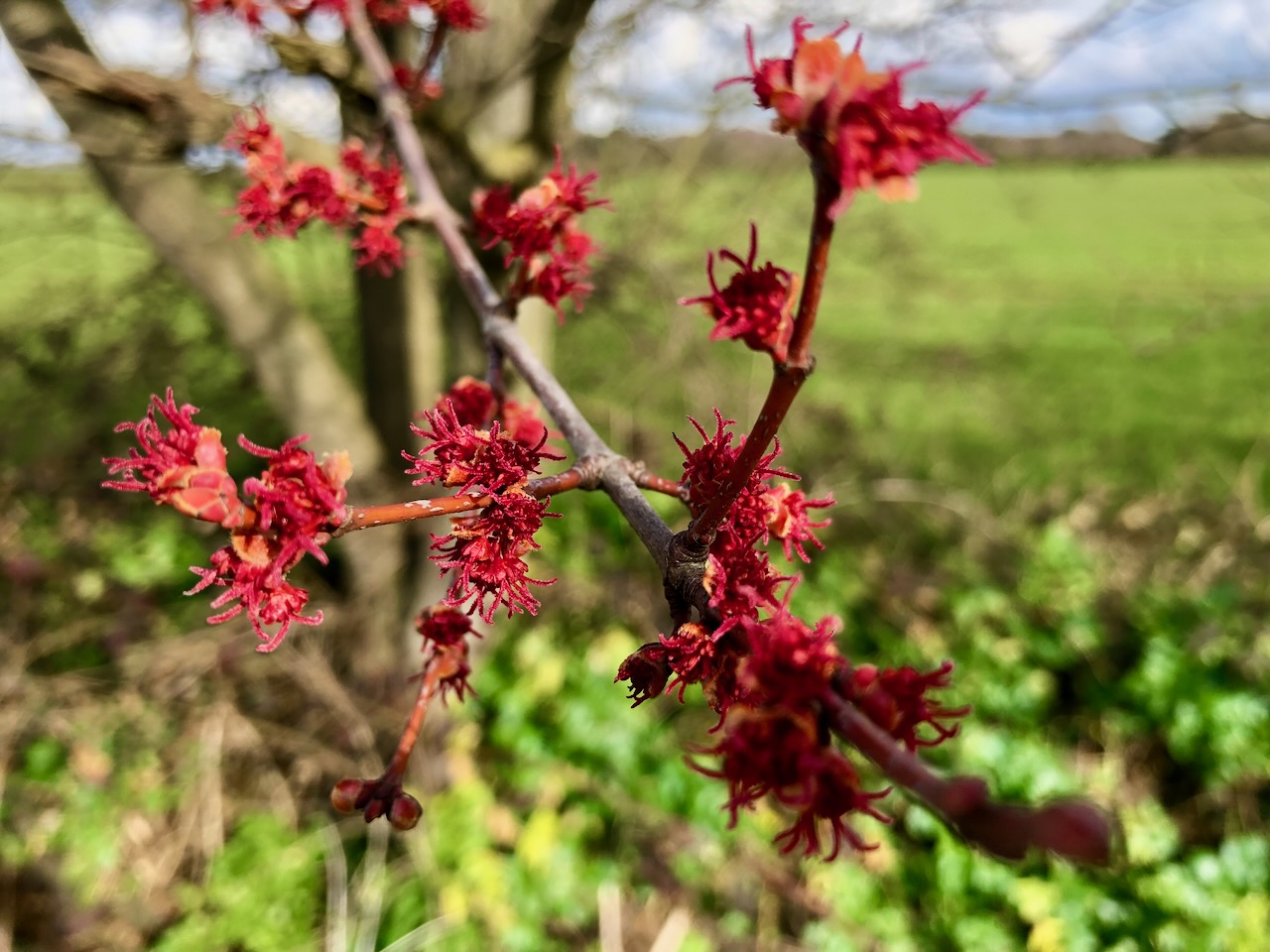
Photo break – some blossom, but I’m still trying to work out what tree it is; Sycamore? Lime? Please can someone put me out of my misery?
Mysterious blossom, maybe an Acer? Still trying to work it out
Rather than analyse Mr Mayhew’s points, and the way he really didn’t answer my question on ambulance response times. Here’ my reply to him.
Dear Mr Mayhew,
Thank you as always for your prompt and detailed reply. I hope you’ll forgive the length of my response, however there’s a lot to cover.
On voter ID I still think this disadvantages the young, and those not able to afford a passport. Plus I don’t think the changes are necessary given we have very low electoral fraud. I guess we’ll see what the voting demographics look like in May and beyond.
With regards to ambulances, your response is interesting, but that wasn’t my question. I was challenging the claim that the Norwich Western Link (NWL) will cut 20 mins of ambulance response times, as this appears very spurious for the reasons I stated.
I want to provide a more detailed response to your explanation of how the NWL will reduce carbon emissions. I just don’t think this is true, and at a time when we’re facing increased drought, wildfires and harvest failures just in Norfolk, not to mention the impacts of the climate crisis world-wide, we have to start facing up to reality. It simply isn’t fair to be burdening the younger generation with environmental debt, as well as the increased risk of severe impacts from climate change, because we want to build new roads for the benefit and profit of a few.
I believe the modelling you’re referring to has been done by the County Council, to show a drop in emissions. I wonder if this makes an assumption that vehicles will be converting to electric? If so, that really isn’t relevant in terms of emissions reduction from building the road. When we look at the carbon cost from building the road, along with the increased number of cars from induced traffic, emissions can only go up. This coupled with the ecological cost means it’s inexcusable to be considering building new roads at this juncture; a conclusion the Welsh Government recently reached themselves.
We’re in a climate and ecological emergency, our house is literally on fire. Antonio Guterres has told us we’re on the highway to climate hell with our foot on the accelerator. We have reports from IPCC, the International Energy Association, the Government’s own Climate Change Committee and thousands of climate scientists saying we need to cut emissions now, and preserve nature; we’re the most nature denuded country in Europe and we want to irreparably damage a site of special scientific interest and a conservation area (The Wensum Valley)? Feels like the wrong thing to do to me. The UN says we have to halve emissions in the next decade to meet our obligations from the Paris agreement, and UK/Norfolk targets.
More detail below.
Emissions from Construction
The planned Western Link Road has an estimated carbon cost of 100,000 tonnes of carbon dioxide. When combined with the other carbon costs from road building in Norfolk in 2024 and 2025, we get to a figure of 250,000 tonnes. That’s 7% of the Norfolk Local Transport Plan carbon budget for those years meaning that unless cuts were made elsewhere (very unlikely) Norfolk won’t meet it’s targets, which would also impact the UK’s overall target. This is without taking into account the carbon that would be released from destroying semi-ancient woodland, and soil structure/plants/animals which sequester huge amounts of carbon. All that concrete, steel and tarmac comes at a cost.
Emissions from traffic
As I mentioned in my original email, increasing road capacity increases the number of cars on the roads, as proven by induced traffic effect studies. The Western Link, if built, will do exactly this. This traffic will emit more carbon dioxide until it is all electrified, which probably won’t be until at least 2050. The increased emissions will contribute to taking us beyond Norfolk and UK’s carbon budget. Traffic modelling by the council has shown that carbon emissions in the area from the road won’t reduce in line with Government projections for the Net Zero Strategy, as well as projections in the Local Transport Plan.
Wildlife
The Wensum Valley is the last green corridor into Norwich. I think of it as the lungs of the city. The corridor allows wildlife to move around and nature to thrive. The Government is targeting 2042 to halt the decline in our wildlife populations, in the Environment Act, and NWL isn’t compatible with this. The Wensum Valley is a rare and protected landscape, with many endangered species including the Barbastelle Bat. It really needs to be conserved to meet our targets, and for the sakes of current and future generations.
Net Zero Strategy and the Legal Implications
Finally a note on the Net Zero Strategy. The building of this road will impact the UK’s Net Zero Target, which is already too far into the future to stop many of the severe impacts from climate change. I do not believe the council has properly assessed this impact, or the impact from other road building in Norfolk. I believe there is already a legal challenge about this. The High Court, in 2022, already told us the Net Zero Strategy is at risk. The Climate Change Committee is saying the same thing. We need to be looking at the cumulative impact on emissions, as well as other environmental factors, of building this road, per the Infrastructure Planning (Environmental Impact Assessment) Regulations 2017.
There are already lawsuits being brought against Governments and Fossil Fuel Companies across the Globe for inaction on the climate crisis, and for deliberately making things worse; we have a duty to not sell ourselves and future generations down the river. This generation risks being labelled as climate criminals, and facing lawsuits for inaction or culpability in the disruption and deaths of thousands locally, and millions worldwide.
Conclusions
This may sounds dramatic, but the climate crisis is happening now. Millions are being impacted and are dying right now; 1 person every 36 seconds in East Africa due to famine and drought caused by the climate crisis. 33 million people displaced in Pakistan due to flooding. Over 3,000 deaths cause by the heatwave in the UK last year alone.
Inaction on the climate and ecological crisis, as well as greenwashing, false accounting for carbon emissions, putting profit before planet and people is really impacting many people’s, including myself, mental and physical health. It seems completely hopeless when the evidence is ignored and we press ahead with ecocidal road schemes, as well as new oil, gas and now coal projects in the UK. The impacts from the climate and ecological emergency are increasing at an alarming rate, with more wildfires, drought, famine, floods and extreme weather, as well as increased risks in this country from diseases, ocean acidification, and rising ocean levels – if the Thwaites Glacier goes then that’s London and many other coastal cities around the world at risk or submerged, leading to the displacement of millions.
I know you’re likely to say we’re world leading at cutting emissions, and that we have a plan to get to net zero by 2050. 2050 is too late, and we’re not world leading, especially when we’re opening new coal mines, building new roads, and aiming to grant over 100 new oil and gas licenses in the North Sea. Our carbon accounting also doesn’t include emissions from goods we import from overseas, plus the shipping or aviation costs. We need to take into account our historic emissions; we’re world leading on that having started the industrial revolution. We simply don’t have any carbon budget left if we want to give developing countries a chance to catch up, or do we just not care about them? And the argument about China and the US needing to do more, whilst valid, doesn’t really take into account individual carbon footprints; the average UK person’s carbon footprint is massively higher than most people’s in the Global South.
Locally, rather that investing in new roads including the NWL, please can we invest in public and active transport (active transport would help the NHS too by making people healthier), as well as conserving and regenerating nature. Let’s invest in renewables and make Norfolk and East Anglia truly UK leading, and possibly world leading, on renewable energy, sustainability, responsible farming practices and Green technology. That would be something to be very proud of.
I hope some of this has been useful, and as before I would welcome the opportunity to speak to you about this at on of your surgeries.
I look forward to hearing back from you.
Yours sincerely,
James Harvey
I really don’t know if I’ll get a reply to this, we’ll see. In closing here’s a deer track I found in the woods the other day. I’d seen Red Deer, Roe Deer and Muntjac Deer that day. Which do you think made this track? I think Roe Deer as it was in a deer couch.
Deer track – probably Roe, but let me know what you think
In this month’s letter to my MP I address his update on Voter ID, and his claims on the benefits of the proposed Western Link Road.
On voter ID, remember to register and get a photo ID if you want to vote in person, and don’t already have one. Mr Mayhew says:
‘Local Elections for Broadland District Council and North Norfolk District Council are fast approaching. With photo ID now required to vote in UK elections, it’s the right time to ensure you’ve got everything you need to vote on Thursday 4th May. Don’t have photo ID? There are options:
‘I was very pleased to meet Norfolk County Council’s Western Link Team. The missing link road is one of issues most frequently raised with me. It is vital that we build this road to stop the terrible rat running that villages currently endure, reduce traffic emissions, improve access to markets for swathes of Norfolk businesses and knocks twenty minutes off ambulance response times to the Norfolk and Norwich Hospital.’
Here’s my letter to Jerome Mayhew MP, I am looking forward to his reply.
Dear Mr Mayhew,
Thank you for your latest newsletter, an interesting read as always.
I’m writing in response to your updates on the Western Link Road, and Voter ID.
To address the latter first. We have never had a problem with electoral fraud in this country. This seems like a deliberate ploy by the Conservatives to exclude young voters, further alienating them, as they are less likely to vote for your Party. Why is it that student cards are not an acceptable form of ID, but bus passes for the over 60’s are? This is yet another erosion of our rights in this country, which when coupled with the PCSC Act and Public Order Bill is leaving us in a scary place (1930’s Germany-like).
On the Western Link. Your newsletter claims this is one of the most frequently raised issues with you; I wonder if you count the number of people that are against it in your tally? I know I have corresponded on this with you before, but why is it so vital we build this road given the damage it’s going to do? Rat running in villages is not pleasant, but set against ecological destruction, environmental damage, increased emissions we can’t afford and the impacts these will have in terms of increased floods, wildfires, and harvest failures in Norfolk, I’d take rat running; I live in the countryside and have to contend with some of this myself.
On the rat-running front, there are other avenues that can be explored, such as camera controlled gates (they have these in Trowse now).
You say the road will reduce emissions, how exactly? Building the road will blow Norfolk’s carbon budget for a start, and it is proven that increasing the number of roads increases the amount of cars/traffic, and thus emissions. I did a quick internet search and found this study on it, from the Government website – https://www.gov.uk/government/publications/induced-travel-demand-an-evidence-review . There are plenty of other studies out there, however the evidence is that road capacity improvements increase traffic – induced travel demand.
This report also backs up the induced traffic effect I referred to earlier.
Moving on to ambulance response times. I think a more pressing concern is the wait times ambulances have to offload patients when they get to the N&N, which I hope have improved after recent issues. The NHS is massively underfunded and under constant attack by the Government, who seem intent on privatising it. Your claim that it will reduce ambulance response times by 20 minutes is spurious, as surely it won’t really make any difference for much of Norwich, where ambulances will still need to travel into the City. I don’t think we have a problem with ambulance response times (see – http://www.ambulanceresponsetimes.co.uk/), I think it’s more a fundamental problem with a lack of support for our doctors, nurses, and hospital infrastructure, and what happens when ambulances reach hospitals.
So, we’ve debunked the emissions point, as well as the economic benefits, and addressed the ambulance response times point. In addition this road was going to cost £64m a mile if it goes ahead, probably more now. We’re in a cost of living crisis and Norfolk County Council are slashing public services, including welfare, people are going hungry, homeless and can’t afford heating. Wouldn’t it be better to spend this money on public and active transport, as well as welfare services? Investing in public transport and reducing personal car ownership is really where we need to go in terms of reducing congestion and emissions; I really liked the £2 cap on bus fares recently. The cost could also severely damage the county council’s finances if government funding is not secured; less likely now Liz Truss is no longer PM.
Please consider withdrawing your support for this road. It’s going to destroy ancient woodland, rare chalk stream habitat, endangered Barbastelle bat colonies, and pollute the local landscape. It will increase traffic and emissions because that’s what new roads do. The road is also a blatant move to open up the Norfolk countryside to more development and destruction, for the profit of a few.
I look forward to hearing from you, and would welcome an opportunity to discuss in person at one of your surgeries, if possible?
Yours sincerely,
James Harvey
I’d encourage everyone to write to your MP on issues you feel strongly about. With the right to protest being eroded we need to make our views known. If you’re unable to get out on the streets then at least write a quick email.
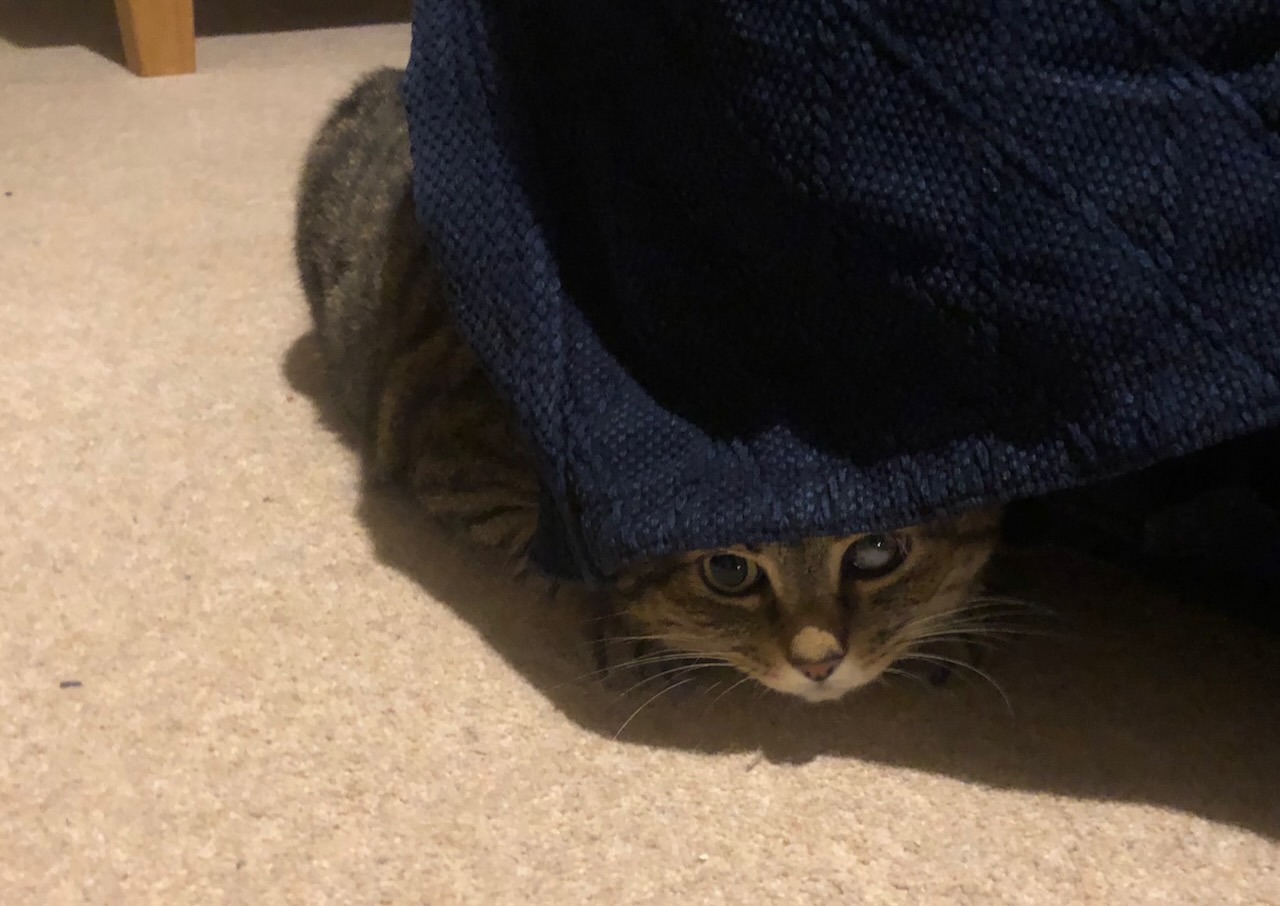
Here are a few recent pictures of Gideon, cos he didn’t want to be left out.
Gideon hiding, not very wellTaking in some sunshineGideon getting some lap time
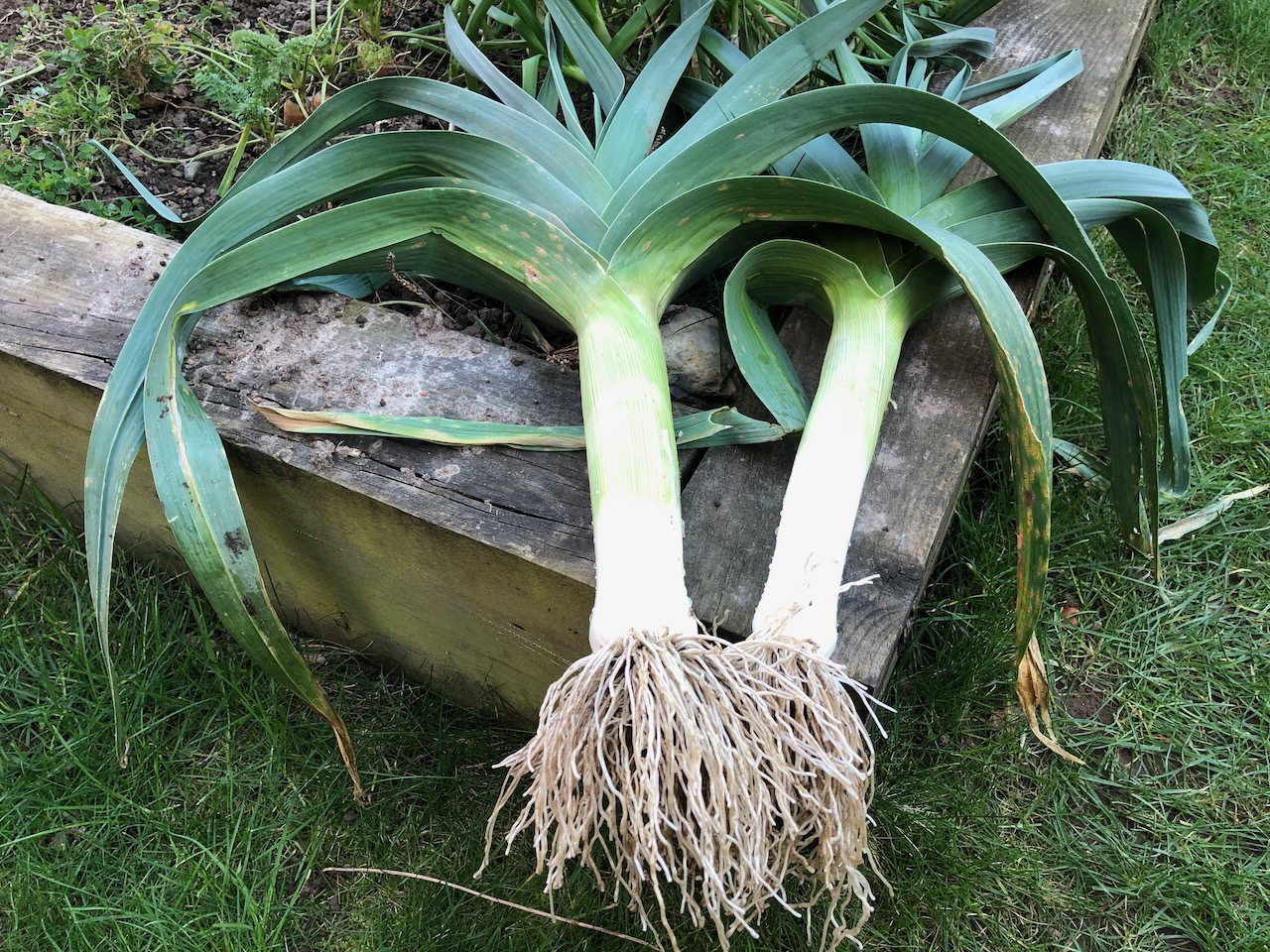
And a couple of things I dug up from my garden recently, which were most excellent. Looking forward to planting more vegetables this year, especially with supermarket shortages and prices going up.
I think this has been brewing since Christmas, however a few things have happened today which made me really want to write it. If you don’t want to read this in its entirety then please skip to the end, there are a couple of call-to-actions I implore you to consider. And when I say you, I mean all my friends in Norwich and around the country, my family, people I’ve met on my travels; please consider taking some sort of action to get us out of the mess we’re in. There will probably be some swearing in this post, and it’s quite raw. I might forget to include asterisks.
Here’s a picture of Gideon being judgemental, to ease things in. But we will be judged by future generations for not doing enough, of that I have no doubt. We’re being judged by the current younger generation. Gideon reminds me that we are very much a part of nature, not apart from it or above it. When nature dies, we do too. He is wise (but sometimes quite stupid like when he thinks the weather will be better through the back door compared to the front door).
Judgemental Gideon
I was in an online meeting earlier which included several young supporters of Just Stop Oil, people who have also taken action with Extinction Rebellion and other environmental campaign groups. I was listening to their personal stories, what they are feeling, what they’ve gone through, what motivates them to take action. Some of them have only just turned 20 and are terrified about the future, about what is happening right now. These are extraordinary individuals, they are my friends, I love them all. I was immensely moved by some of the accounts they shared, I could feel my eyes tearing up and that big lump in my stomach and heart I get when I feel emotional and anxious.
Why the f*ck have we allowed this to happen? What are we doing to ourselves? Why are these young adults so afraid for their futures? Why am I worrying about asterisks in swear words when the situation is so awful? My friends don’t dare consider having children, and long term plans are a luxury they don’t risk dreaming about.
I take action on the spokesperson team for Just Stop Oil, as well as Extinction Rebellion sometimes. I watched this interview on Good Morning Britain again earlier. I’m sorry, Richard Madeley is a bastard. He treated Miranda with utter contempt, and was a patronising fool. Miranda was excellent, intelligent, thoughtful, passionate (although I hate that word), and clearly understands how dire a situation we’re in far better than anyone else there. How dare they and other journalists accuse young people of taking action to boost their egos? How fucking dare they sit there being anything but journalists telling the truth and going after the real criminals, when ordinary people are suffering and dying all around the world whilst they sit in their comfortable, privileged seats paid for in the most part by historical colonialism. It fills me with rage, grief and a fair amount of despair, but I can use that. I can definitely use that; hope may be lost but love and rage drives action.
Here is the interview on GMB, watch it and tell me you think Madeley or the other guest they have on should be given any more airtime?
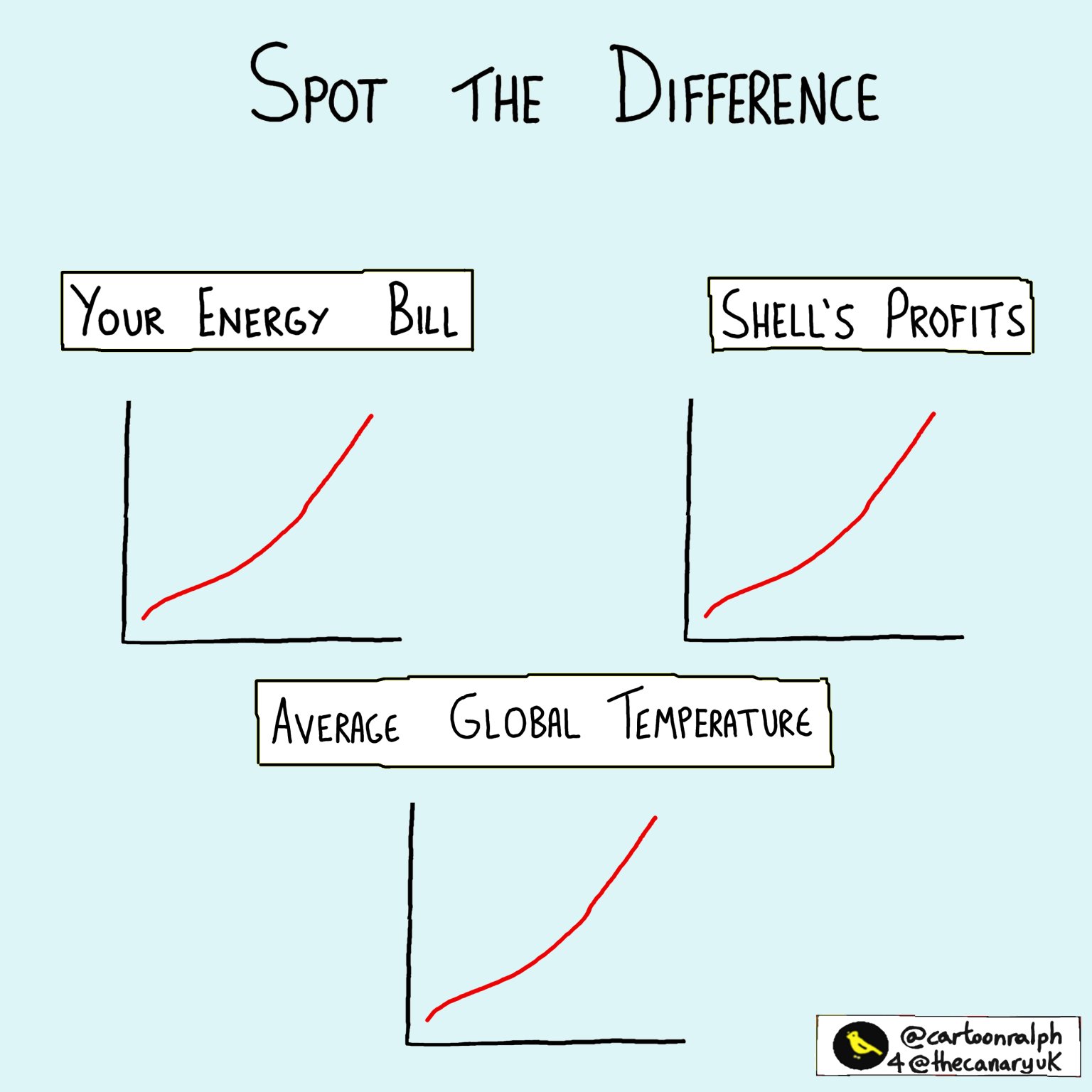
I am not doing enough. I take action with Just Stop Oil (JSO) and Extinction Rebellion. I have joined the Green Party and am going to stand as a district councillor to try to make things better for local people. I still sign petitions although I don’t know why, they don’t seem to do anything. I still write to my MP, I did so earlier this week about the abhorrent profits Shell and now BP have made off the back of the energy crisis, whilst we’re in a cost of living crisis. I’ve stood and sat in roads with placards, filmed and live-streamed countless actions, banged drums, put up posters, handed out fliers, helped with talks, been to picket lines, spray painted protest artwork. Not been arrested but that seems inevitable now the Government have brought in, and are trying to bring in more draconian anti protest and anti freedom of speech laws. It’s like the V for Vendetta film but this isn’t a fantasy, it’s actually happening; ordinary people are being arrested in their homes for doing nothing but exercising their democratic right to freedom of speech and freedom to protest. The police have arrested journalists for fucks sake. Do we actually live in a democracy, I don’t think so, although it’s still just about ahead of the likes of Russia and Syria. It’s getting very like 1930’s Germany, have politicians, media and business not studied history? Have we learned nothing?
I’m not doing enough though. And this isn’t ego talking. I wake up every day, and often during the night, thinking I’ve got to do more. Why am I bothering thinking about a pension, my job, about saving to buy stuff I don’t actually need when the world might be unliveable in many places within the next 50 years; it’s already starting to happen now with 1 person dying every 36 seconds from climate induced drought/famine in parts of Africa.
I have a niece who is 9, a nephew 11, god children who range from 5 to 12. I am terribly afraid they won’t live to my age. I’m 47. How can I protect them from what’s coming? Food and water shortages, extreme weather, war caused by mass migration and battle for remaining resources, I could go on but it makes me want to cry, again. I wish I was being sensationalist but scientists are telling us, via peer reviewed studies, just how bad things are and how much worse they’re going to get. But the Government and media just seem to ignore it, and as a consequence the general public seem to mostly ignore it too.
Okay, photo break. Well done and gratitude if you got this far. I wish I could describe better the emotional state I’m in; guilt, sadness, grief for sure, and massive amounts of rage. It doesn’t have to bloody be this way but the system we’re in seems incapable of realising where we’re at and what we need to do.
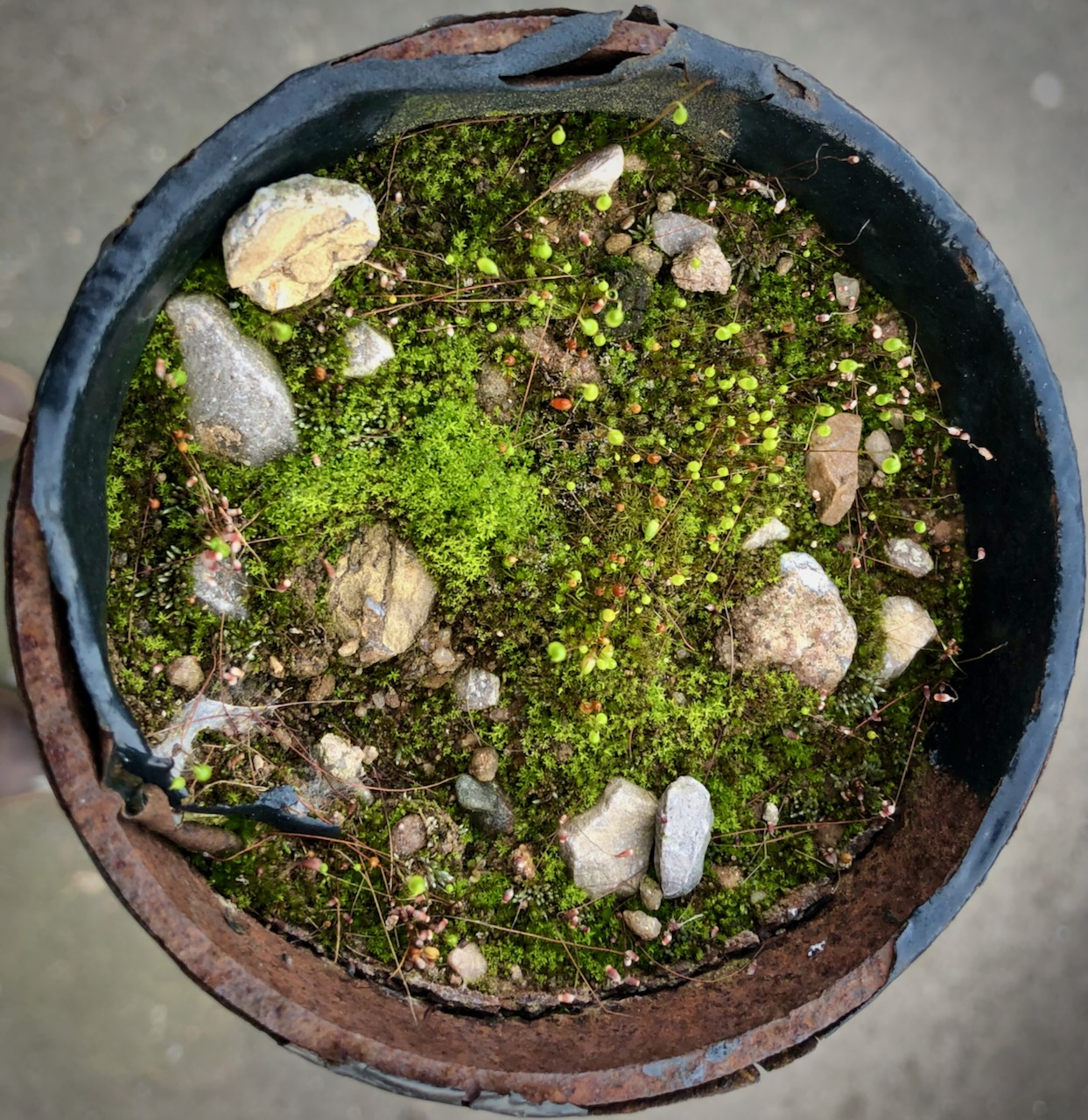
A world within a worldGideon loungingA time to reflectEverything is fine
Consulting notes I made earlier. I don’t want to write an essay on this, so I’m going to summarise why I’m really scared, sad, depressed, anxious, fucked off, desperate, angry, so concerned for people that are being utterly mislead or suffering right now. Here goes (list not exhaustive and if I was more talented I’d turn it into a poem).
Bee killing pesticides the Government keep licensing, plus Glyphosate use. Dumping sewage in rivers – Government voted to say that’s fine. HS2 – costing billions and report out today says it’s destroying nature. Licensing new oil and gas fields, and opening new coal mines – Tories are doing it when every other political party, climate scientists (other scientists too), Antonio Guterres etc say no. Building new roads – we don’t have the carbon budget for them and they destroy ancient woodland/habitat – local Western Link Road plans for example. Fucking grouse shooting and moorlands – urgh. Fixation on growth and GDP – it’s killing us, other models of existence are available and more promising in terms of the existence bit. Freedom of speech. Freedom to Protest. Actual democracy. Media ineptitude (although a few local journo’s have been great) and failure to tell the truth. Refugee crisis and our failure to take responsibility and be welcoming. Intolerance. Racism. Sexism. Transphobia – extreme right wing in Norwich have been at it recently. Insect numbers plummeting (this is really serious, think windscreens and bugs). Artic/Antarctic ice melt. Glacier ice melt. Greenland ice sheets disappearing. Amazon rainforest tipping point. Electric vehicles being hailed as the solution. Ocean acidification. Ocean over-fishing. Global North just keep on consuming (buying stuff). Global South just keep on dying as a result. Institutional police racism, misogyny, sexism – no wonder a lot of people don’t feel safe to protest – sort your own house out before you arrest anyone. Hurricanes. Rain bombs. Drought. Famine. Air pollution. Flooding. Wildfires. People striking for fair pay, terms and support – NHS, teachers, railway workers, ambulance drivers etc
These things are all happening right now. And are going to get worse. I need to do more.
It feels like we’re going backwards with the current Government, and big businesses. The BP boss Bernard Looney has said he’s gonna invest more in oil and less in renewables for Christ’s sake (other gods are available to profane). Shell and BP have announced record profits, billions of pounds, profiteering off the back of a war and putting us into a cost of living crisis.
Why on Earth do we think this is all acceptable? There are other ways of living that would bring us closer together as people, communities, faiths. We could be happier and healthier, yet the current system is driving us into an existential crisis; repeat, young ones today won’t live to my age if this continues, and thousands are dying right now because of our greed, ineptitude, ignorance and unwillingness to change. It’s so frustrating because it could all be so much better.
Please help. I and many others are sick, quite literally, of trying to change things. And I count us lucky as we’re not the ones suffering and dying from drought, famine, or fighting for resources. My home isn’t being flooded or burnt as many people’s are round the world, or even here in the UK.
Join Just Stop Oil. Join Extinction Rebellion. Join Friends of the Earth. Join Greenpeace – checkout their current oil rig occupation. Join Stand Up to Racism, ACORN, a Union, anything that makes a difference. Take some sort of action; yeah, write some letters, sign petitions, join digital storms on Twitter, Insta and Facebook. Just do something whilst we still have time (1.5C target is blown by the way).
And don’t let the Government and Oil/Gas companies get away with Greenwashing or blaming individuals. We can only do so much with recycling, stopping flying, stopping buying, or moving to a vegetable diet. We need SYSTEM CHANGE, otherwise we’re trapped.
As promised. Links to stuff you can do.
Join Extinction Rebellion and many other organisations in London on 21 April. Thousands will be gathering. Police won’t arrest you. Peaceful protest that won’t disrupt the public. Find out more and sign up here – I’m gonna repeat my plea to friends, family and colleagues at this point – https://extinctionrebellion.uk/ – IF YOU CAN’T DO ANYTHING ELSE THEN PLEASE JUST COME TO THIS (sorry for shouting)
Come to a Just Stop Oil talk about Our Responsibilities At This Time. Learn that it’s totally possible for you to make a difference, and meet like-minded people that stop you feeling so alone – https://juststopoil.org/events/
Stay safe my friends. Stay in contact. Hug your loved ones. Keep learning, reading, communicating, organising and taking action ✊
Oh, and vote Green, we can win, and it’ll make a hell of a difference.
Today was one of those glorious Autumn days, cold and bright, with a lovely fresh smell in the air. For a while now I’ve been wondering how many trees the council planted alongside the new dual carriageway near me have actually survived, so I thought I go take a look. Short answer from the small survey of 216 trees on one particular stretch: 16% have died.
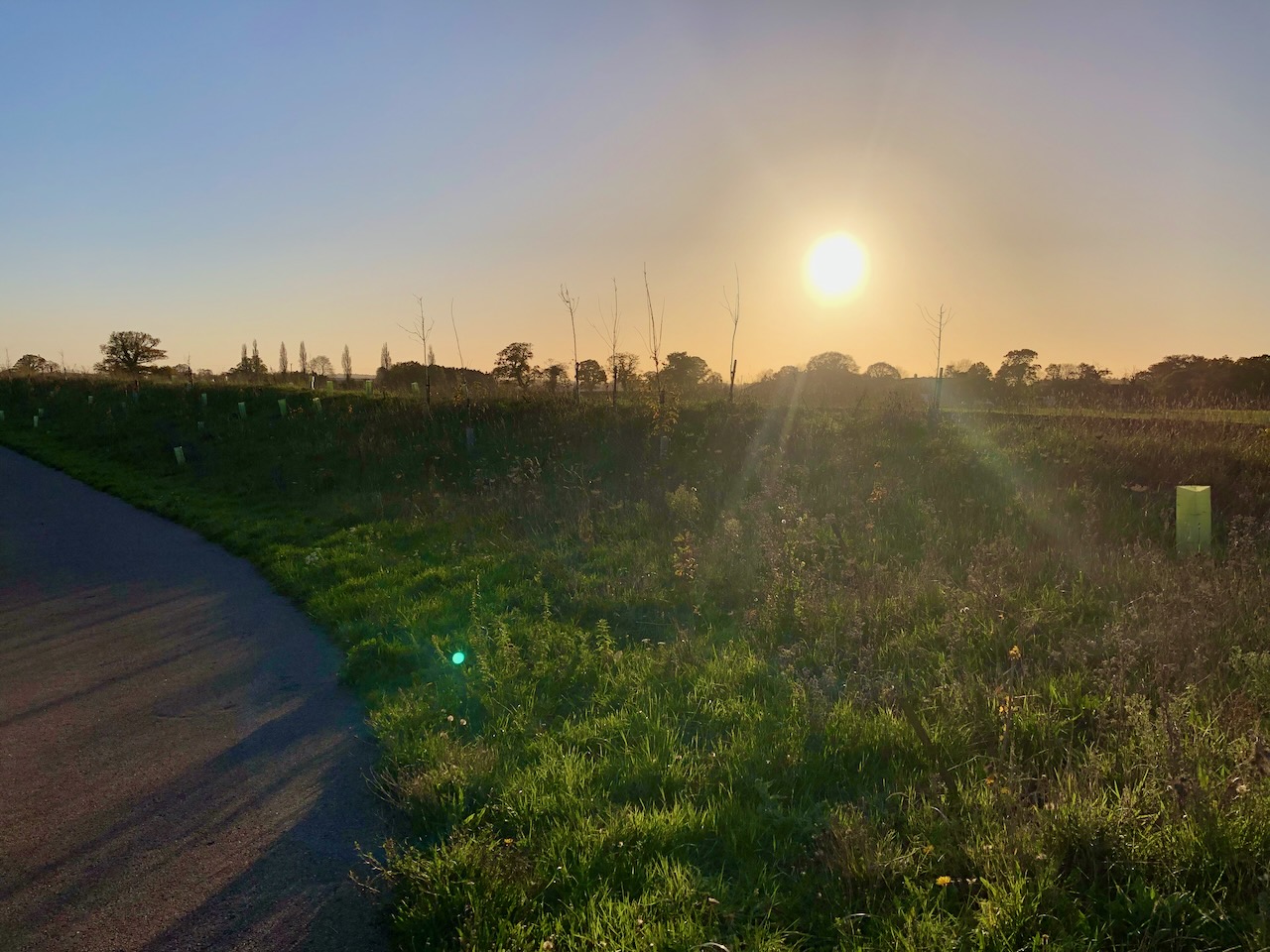
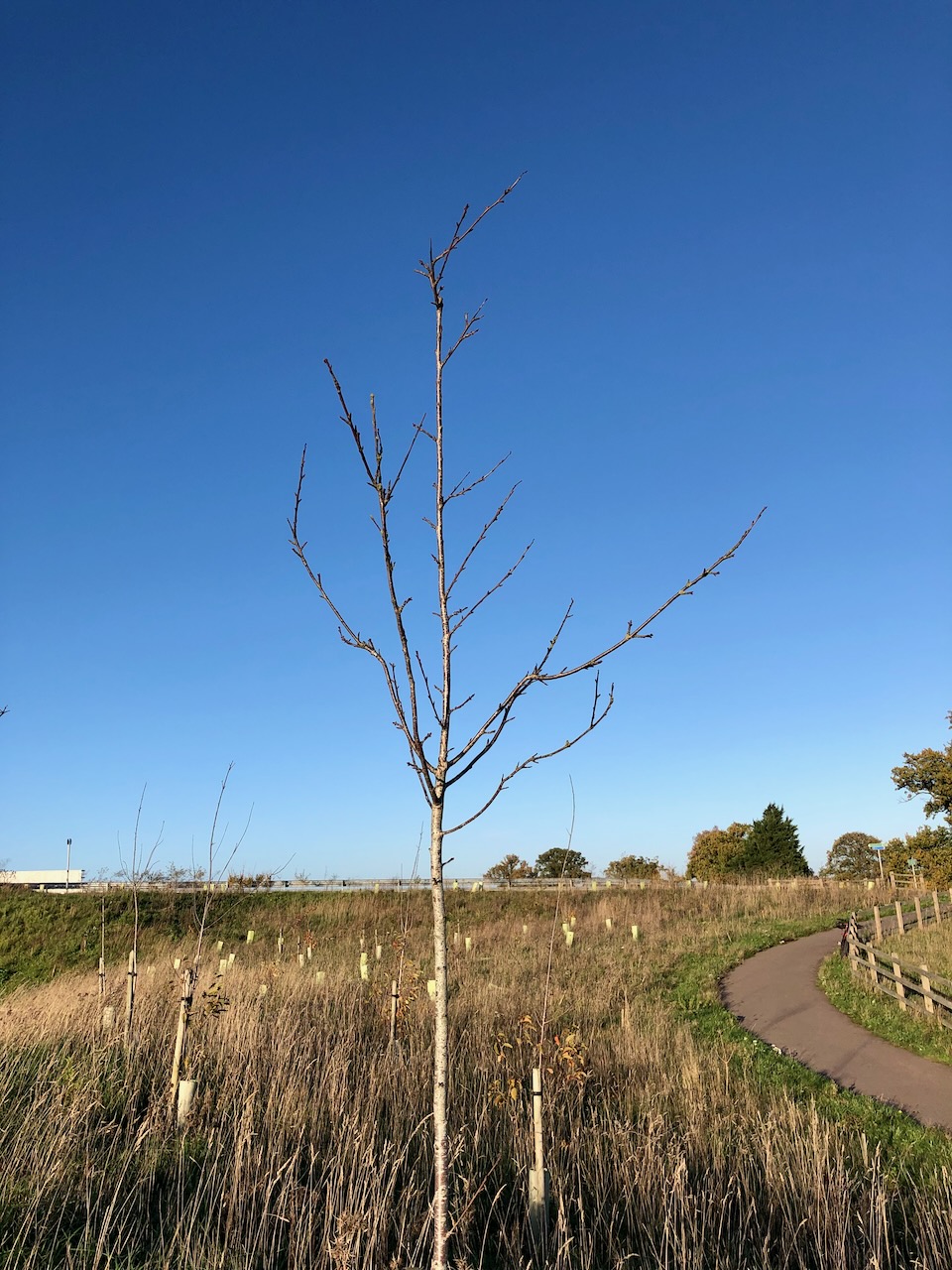
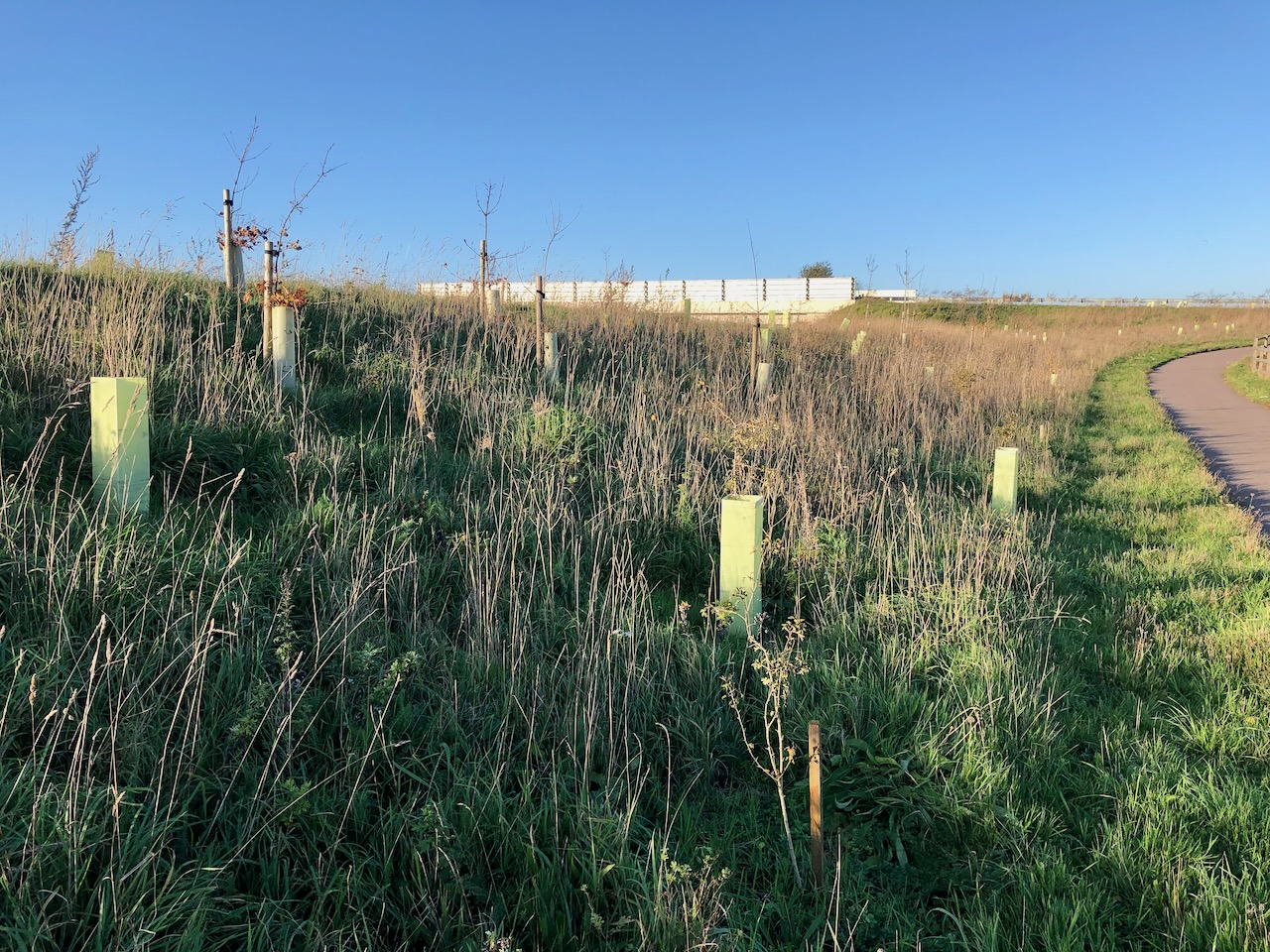
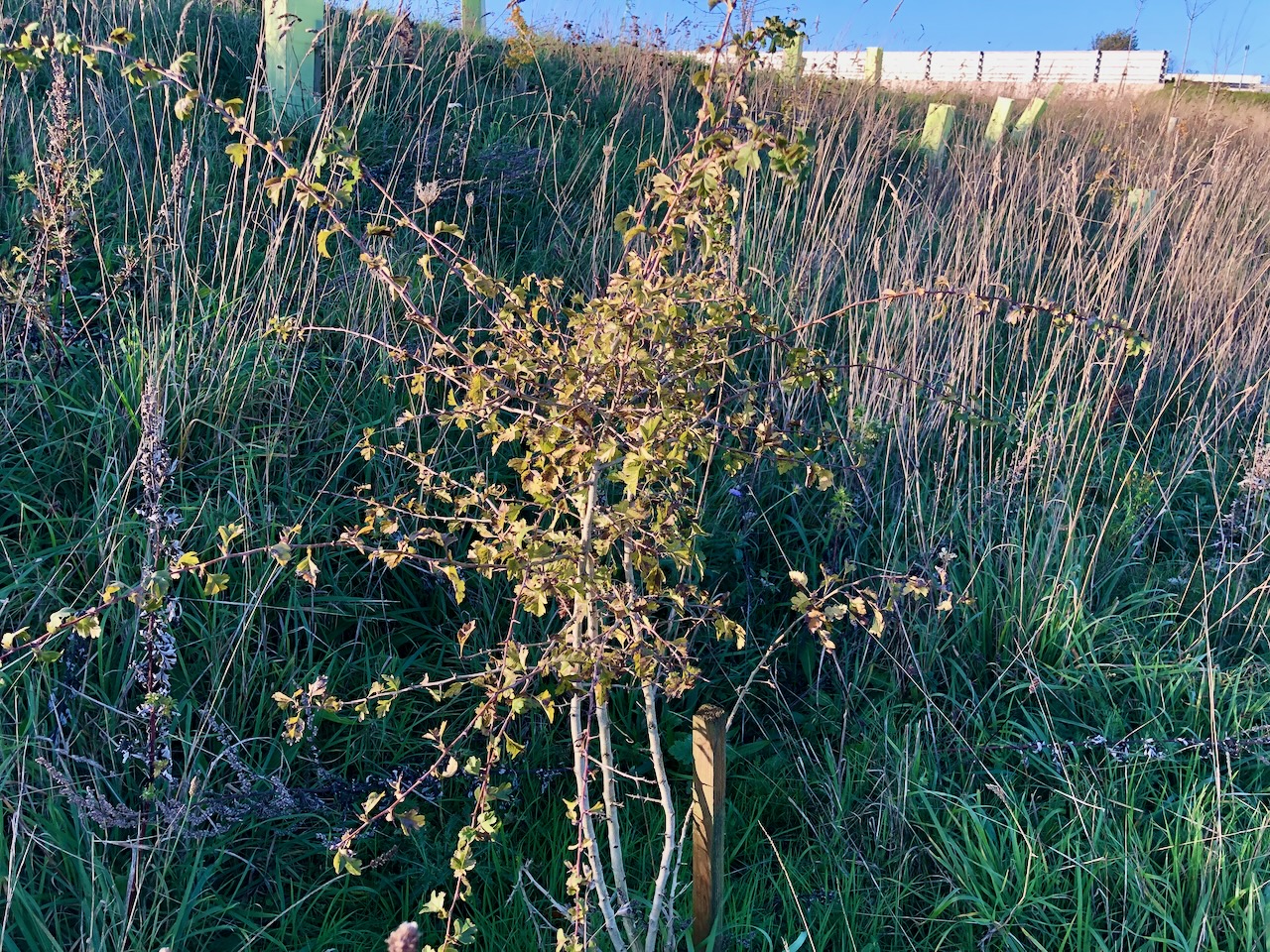
Sun low at this time of yearCherry Tree reaching for the skyTree survey alongside the NDRTree ID in progress
The Northern Distributor Road (NDR) has been open for a few years now, and had lots of trees planted alongside it to try to restore the damage done by the road. We’re supposed to call it the Broadland Northway now; I think this is probably an effort by Norfolk County Council to disguise the fact that its purpose is to open up the countryside to more development, distributing traffic to new parts of the county.
Unfortunately, many of the trees planted have died due to the extreme weather we’ve been having. It’s just been too hot and dry, and they haven’t been watered sufficiently. A plethora of plastic tree guards now stand empty in many places, grave markers for the saplings that have sadly perished. It was good to see so many other plants growing in the verge alongside the road, however I’m sure Yarrow shouldn’t be flowering at this time of year; I guess that’s because of how warm it’s been.
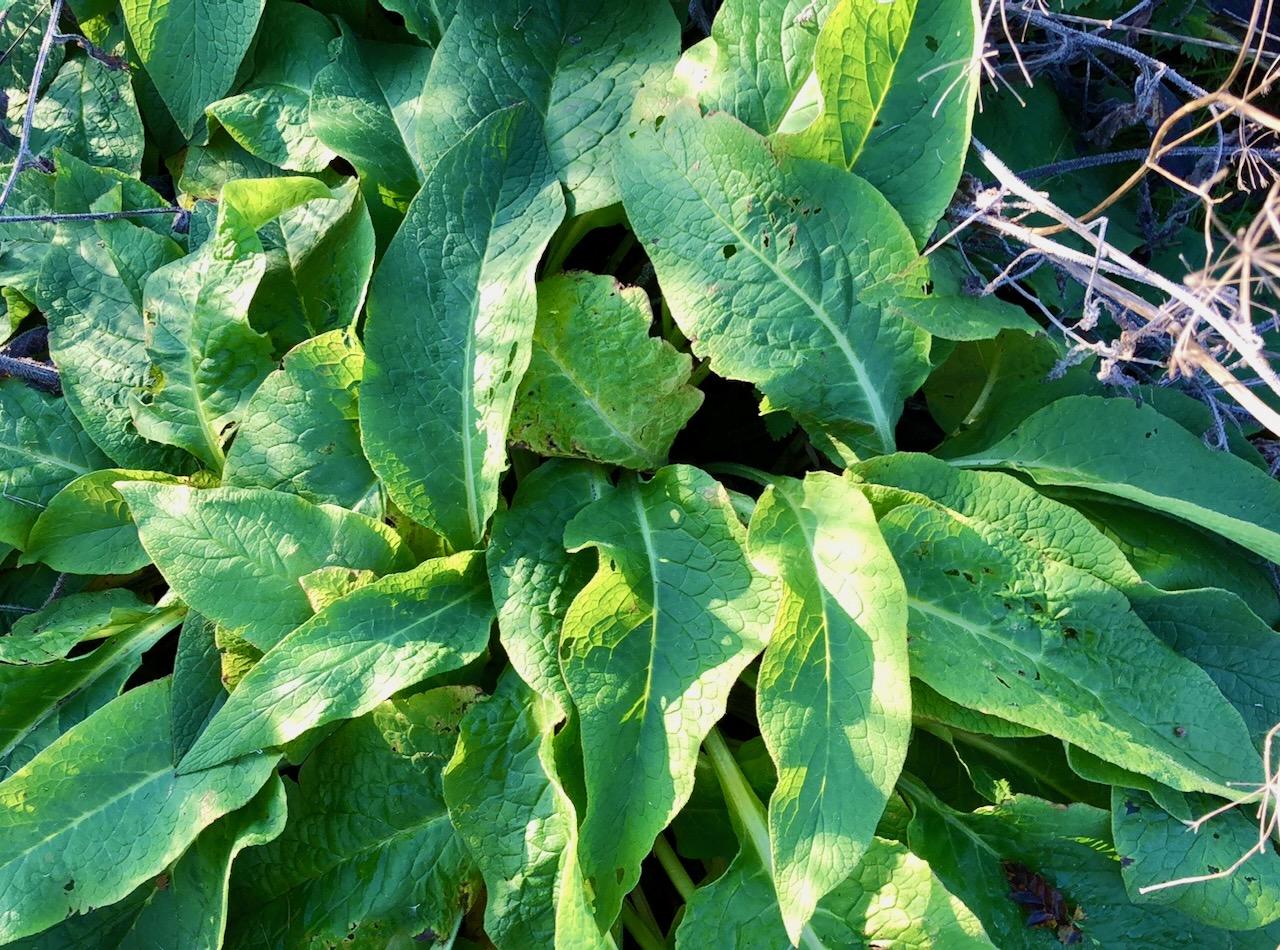
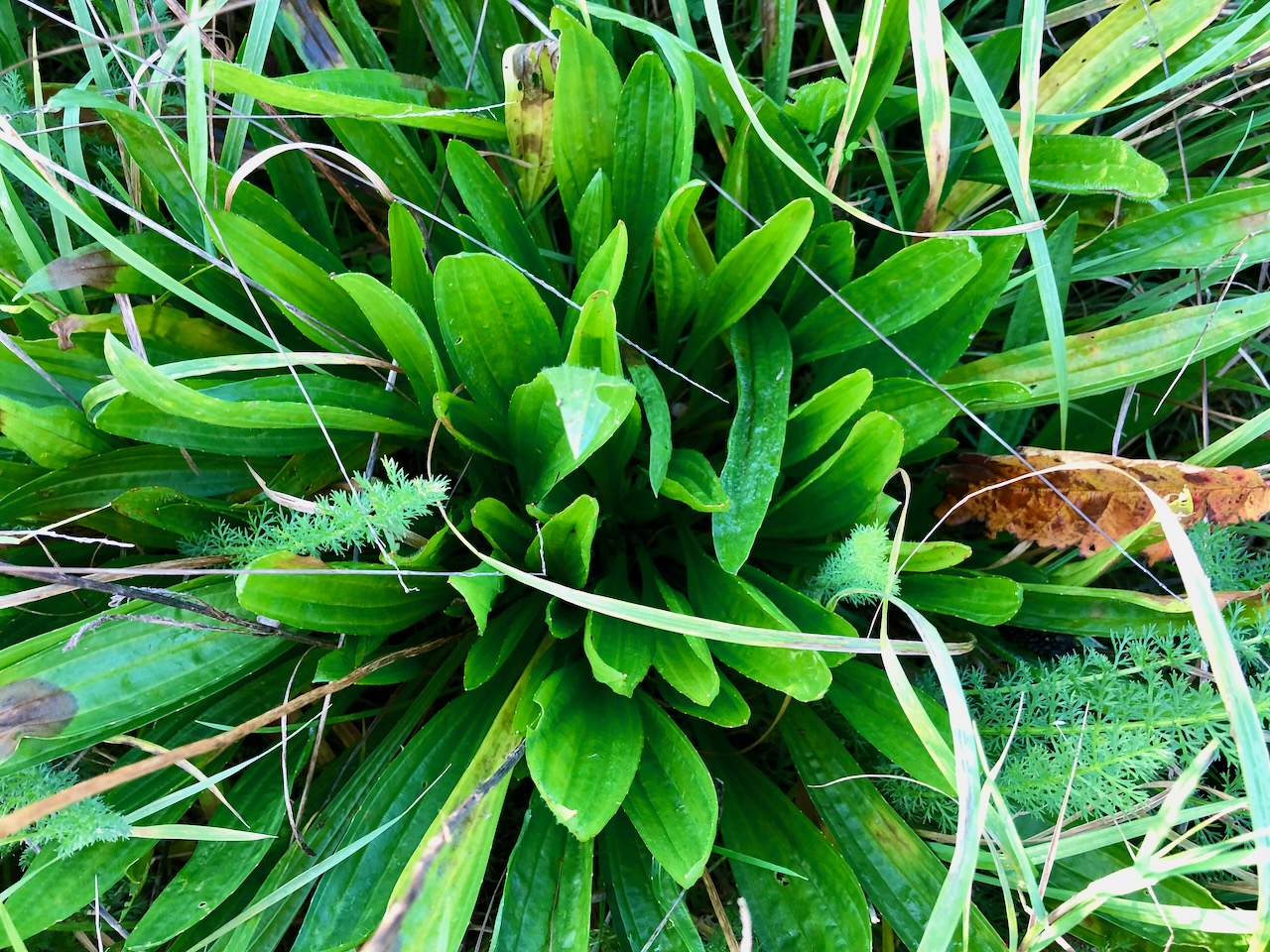
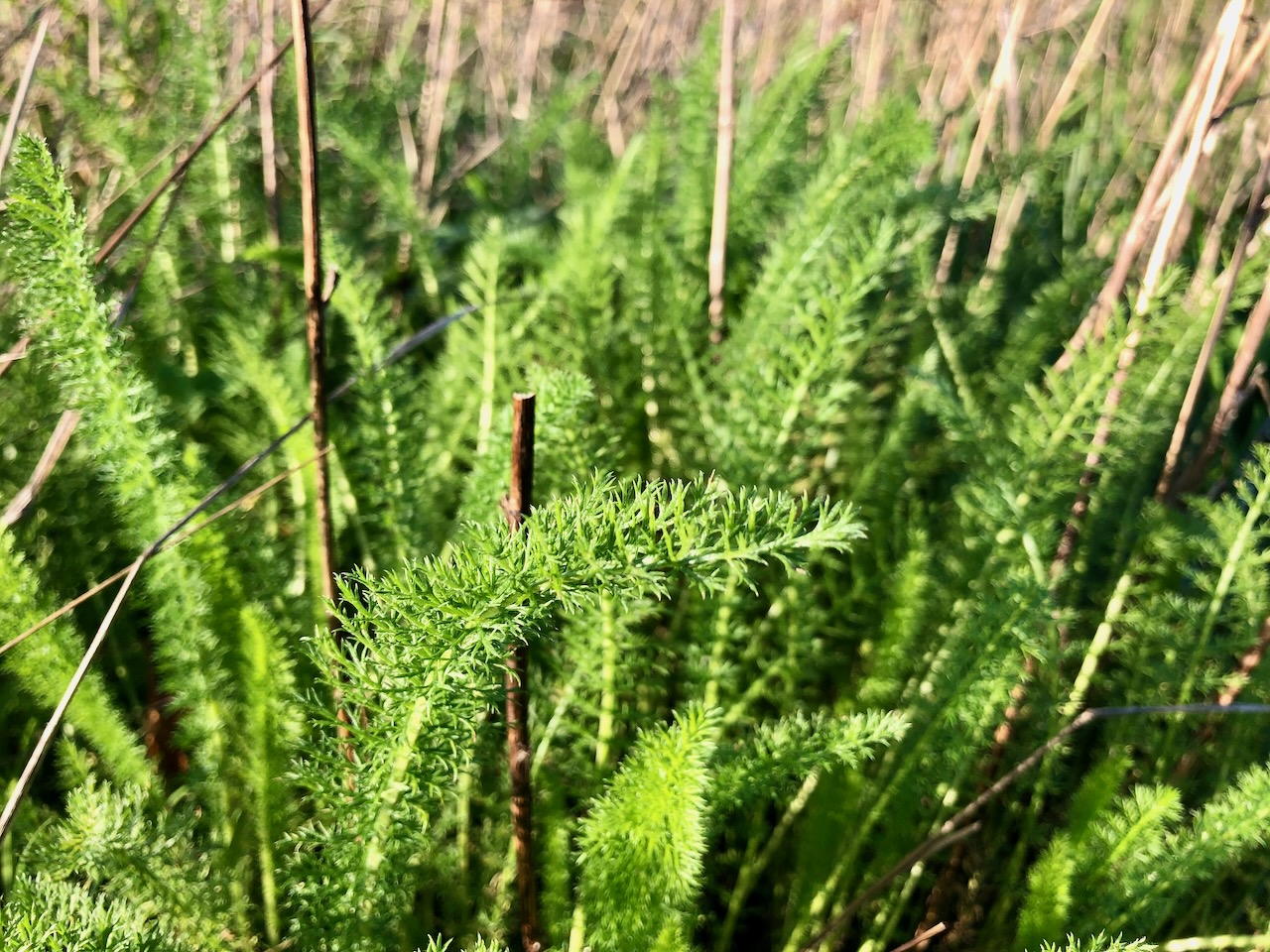
ComfreyRibwort Plantain – Plantago lanceolataYarrow – good medicineYarrow still flowering
My plant ID skills aren’t brilliant, but I saw Comfrey, Yarrow, Ribwort and Greater Plantain, as well as thistles, Red Campion, Hogweed, Common Mugwort in abundance, Oxeye Daisies and Buttercups. There were loads of other species however I’ll have to take along a guide to ID them next time. Roadside verges can contain lots of biodiversity, I’ve seen hares feeding alongside the cycle path, kestrels hunting, and lots of insects in the summer. However, I don’t think the verges really make up for the swathe of destruction caused when the road was built.
Today was an exploratory visit. I counted trees on a hundred metre stretch not far from the Plumsteads, noting down species as well as dead or missing trees. I concentrated on the eastern side of the bank built up next to the dual carriageway, which is more shaded. The western side looked to have more empty tree guards, however it’ll need a return visit to confirm this. Results of this initial exploratory survey below.
Species
Count
Pecentage
Dead/missing
35
16.20%
Hawthorn
49
22.69%
Field Maple
56
25.93%
Oak (English)
23
10.65%
Dog Rose
7
3.24%
Cherry
7
3.24%
Dogwood
6
2.78%
Apple
3
1.39%
Blackthorn
26
12.04%
Spindle
4
1.85%
Total
216
TREE SURVEY 25 NOV 2022
Here’s a pie chart of the results.
Field Maple came our top, followed by Hawthorn, however it was good to see other species mixed in such as Cherry, Spindle, a good number of English Oaks, Dogwood and Blackthorn. Lots of good species for wildlife to use. Unfortunately 16% of the tree guards were either standing empty, or had dead saplings inside them. I suspect the percentage is in fact a bit higher than this as some tree guards have either been removed or have blown away. I think the western side of the bank will have a bigger percentage of dead trees, and I know other stretches have been impacted to a greater or lesser degree. I’ll have to get out and do other surveys in different locations.
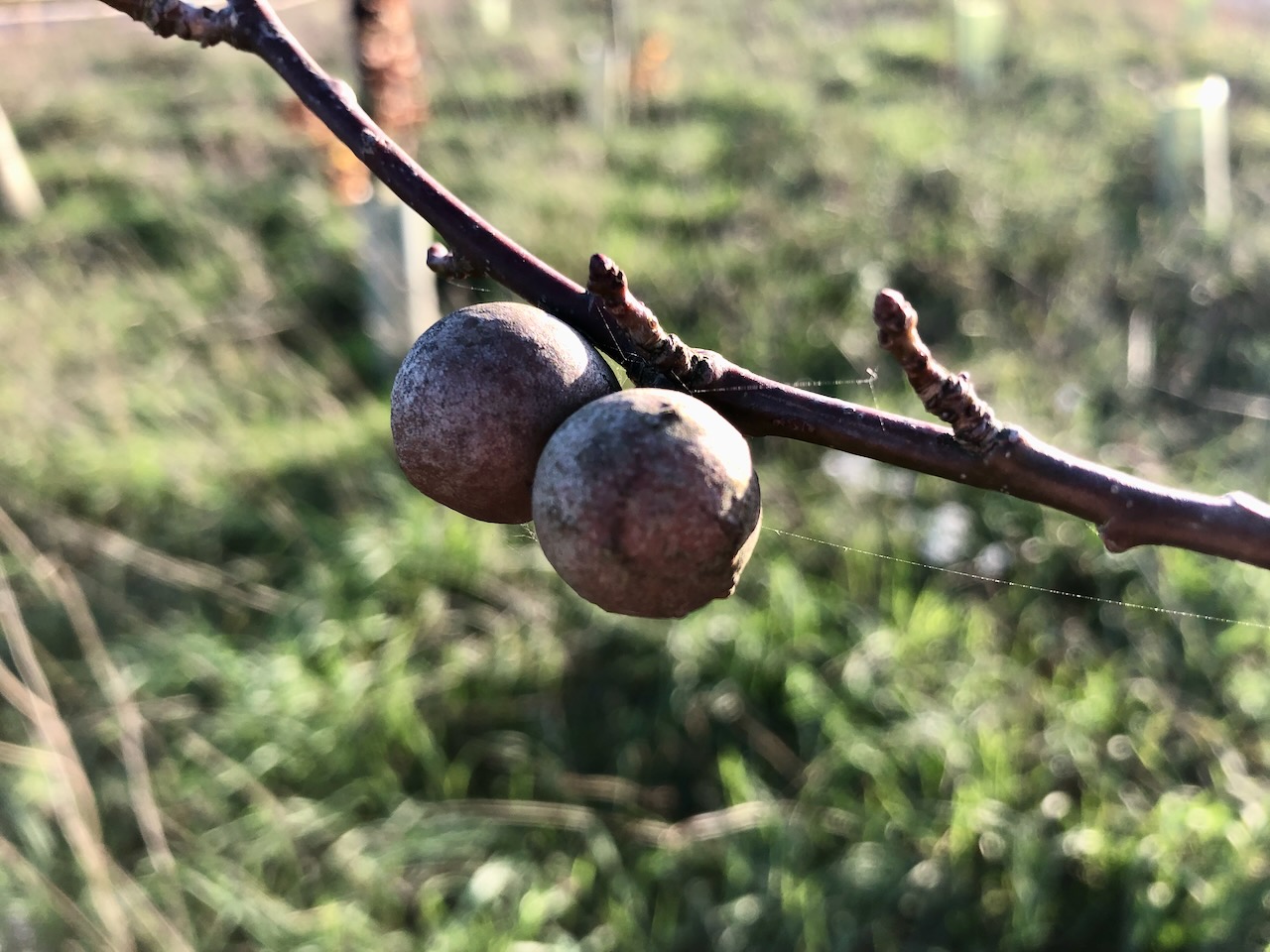
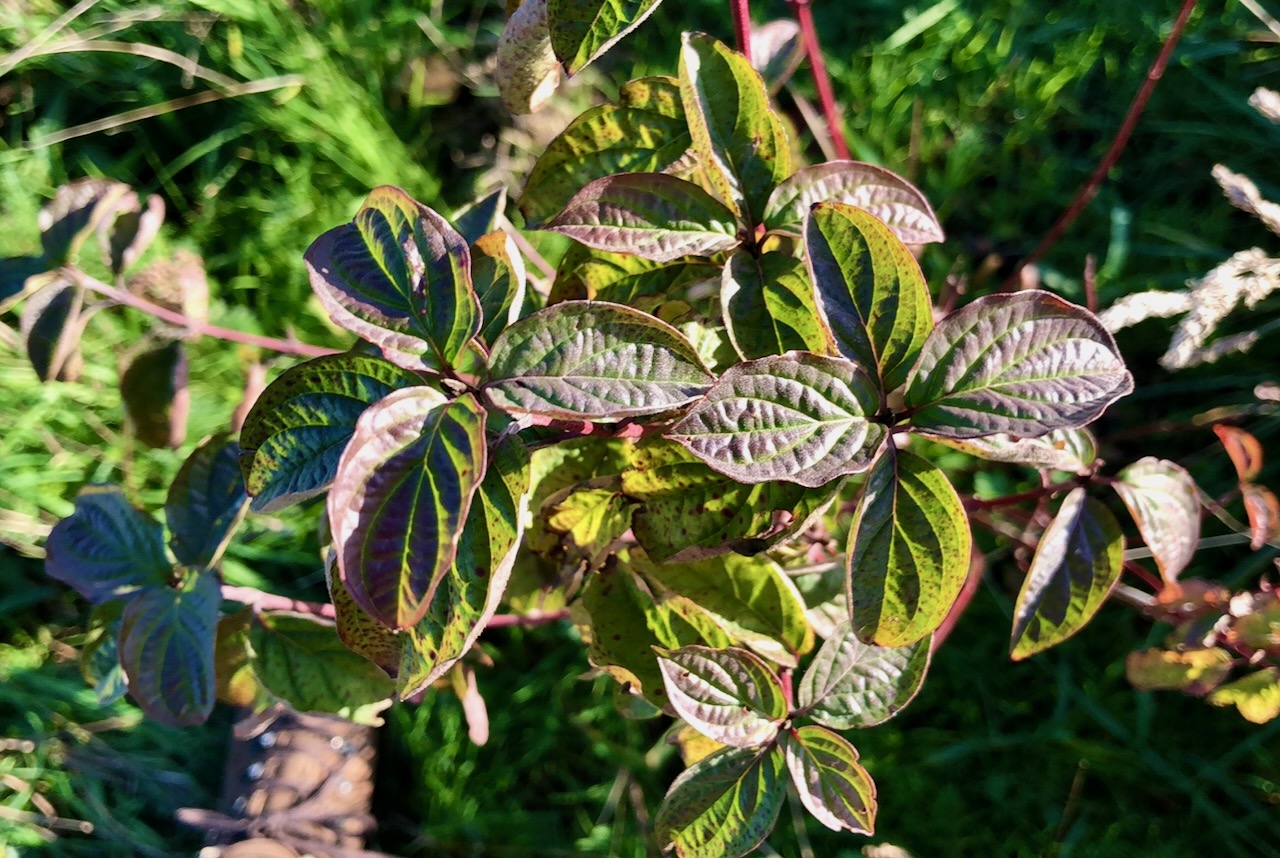
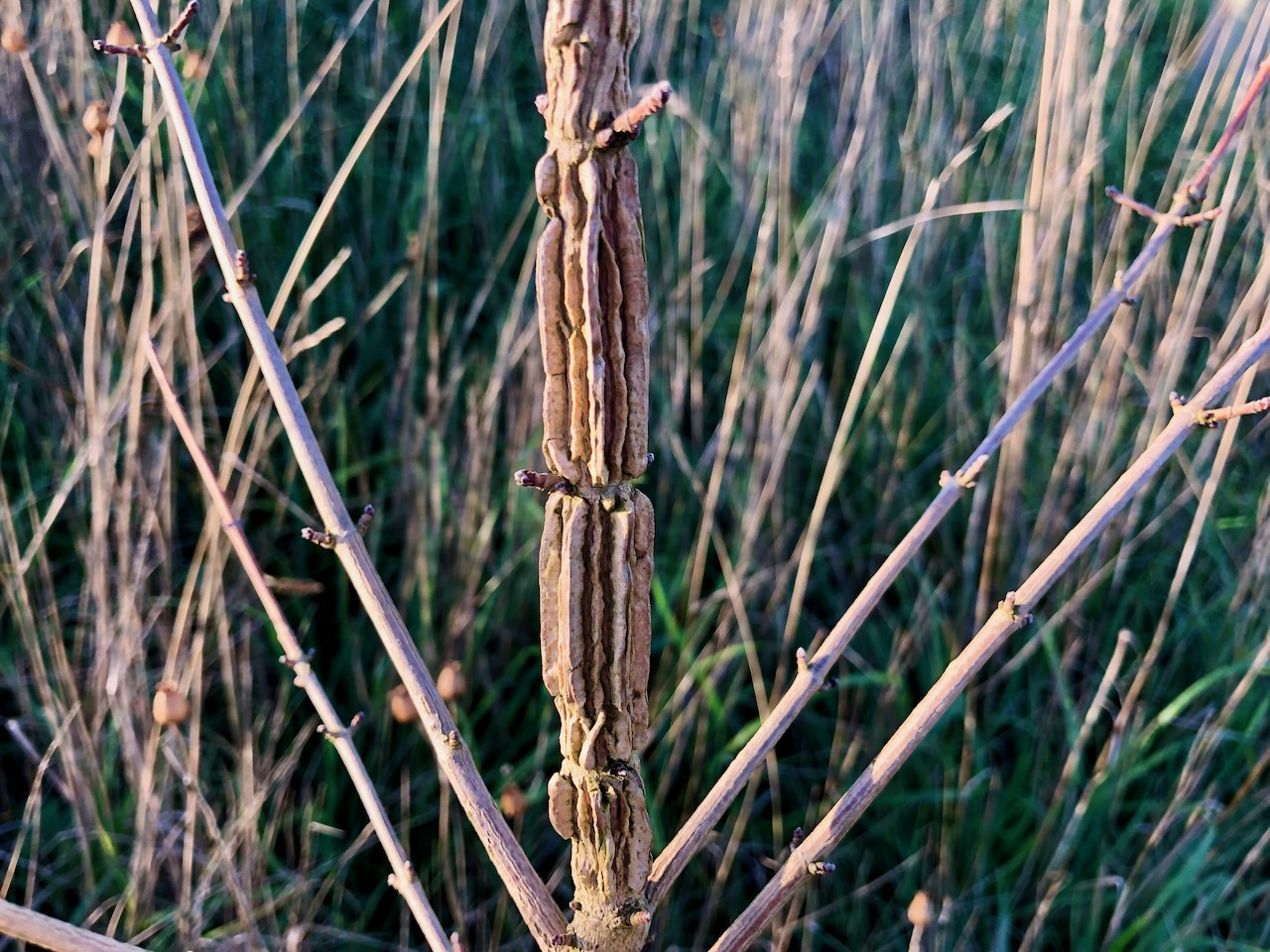
Oak Apples (galls)Dogwood – Cornus sanguineaField Maple bark – crocodile skinHawthorn – Crataegus monogyna
I believe around 6,000 trees were cut down to build the NDR, a road that cost £205m to build. It was reported in October last year that around 3,500 of the trees planted to replace those lost when the road was built have died. Norfolk County Council pledged to plant 5 trees for every 1 they cut down, 30,000 in total. They must be a long way off this target, especially as many more trees and shrubs, lots of them replacement replacements, perished during the heatwave this summer.
It’s frustrating that Norfolk County Council think you can just replace mature trees and habitat, destroyed to make way for road building, with saplings that will take decades to do anything meaningful in terms of carbon sequestration. It will also take centuries for the soil to recover, species to translocate, and for any sort of mature woodland landscape to settle back in. The Council are planning the same with the Northern Distributor Road; it just doesn’t add up when we’re in a climate and ecological emergency, not to mention the impact it has on local communities, flood mitigation, and local wildlife. It’s also frustrating to see so many empty plastic tree guards littering parts of the landscape next to the NDR.
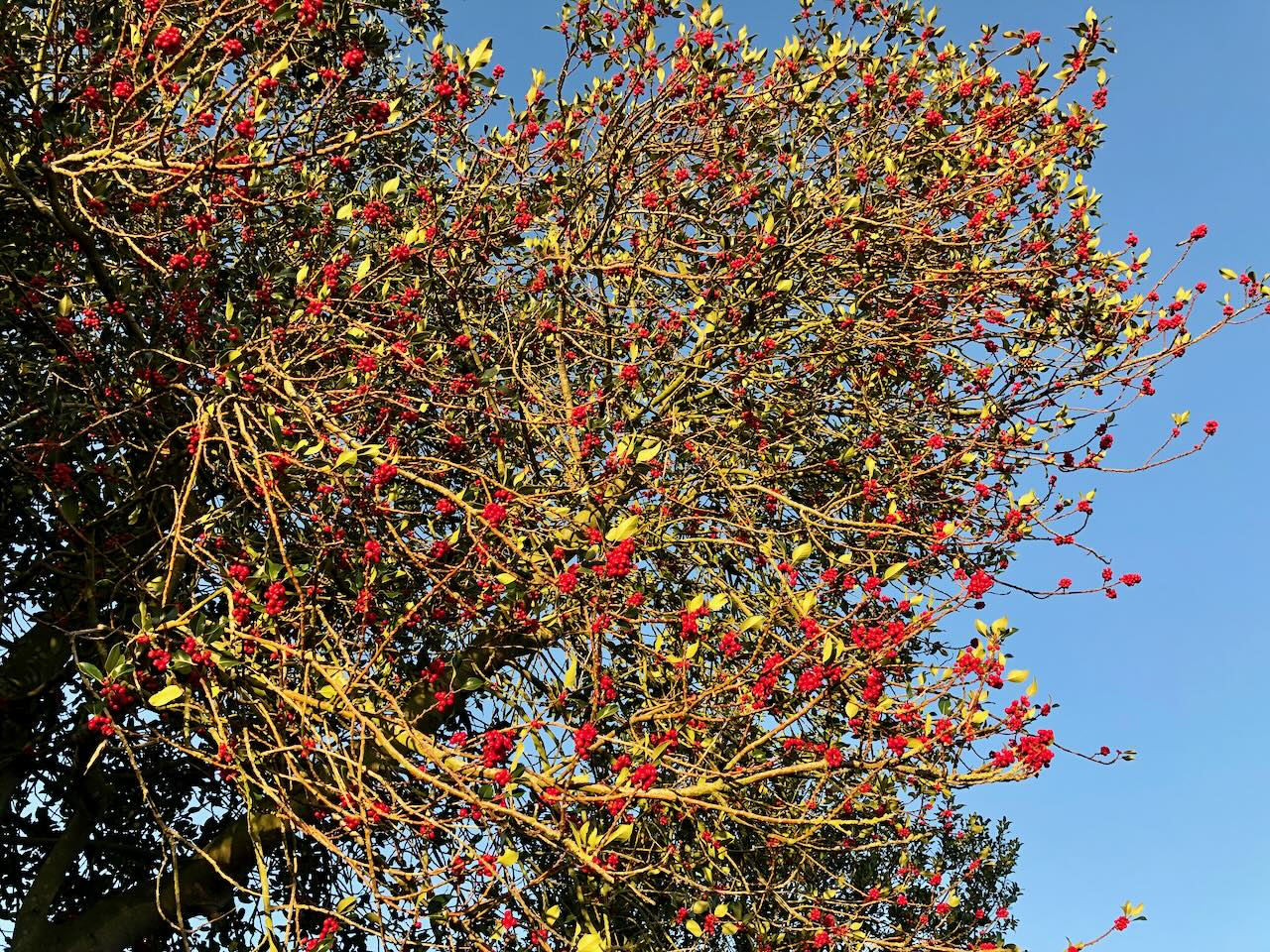
Holly berries aboundMe next to NDR drainage pondEmpty plastic tree guards
I hope to get out for further surveys over the coming weeks so I can report back findings to Broadland Green Party, who will be able to raise this with Broadland District Council. Tree ID gets a bit trickier as they lose their leaves, so I’ll have to put my winter buds knowledge to use.
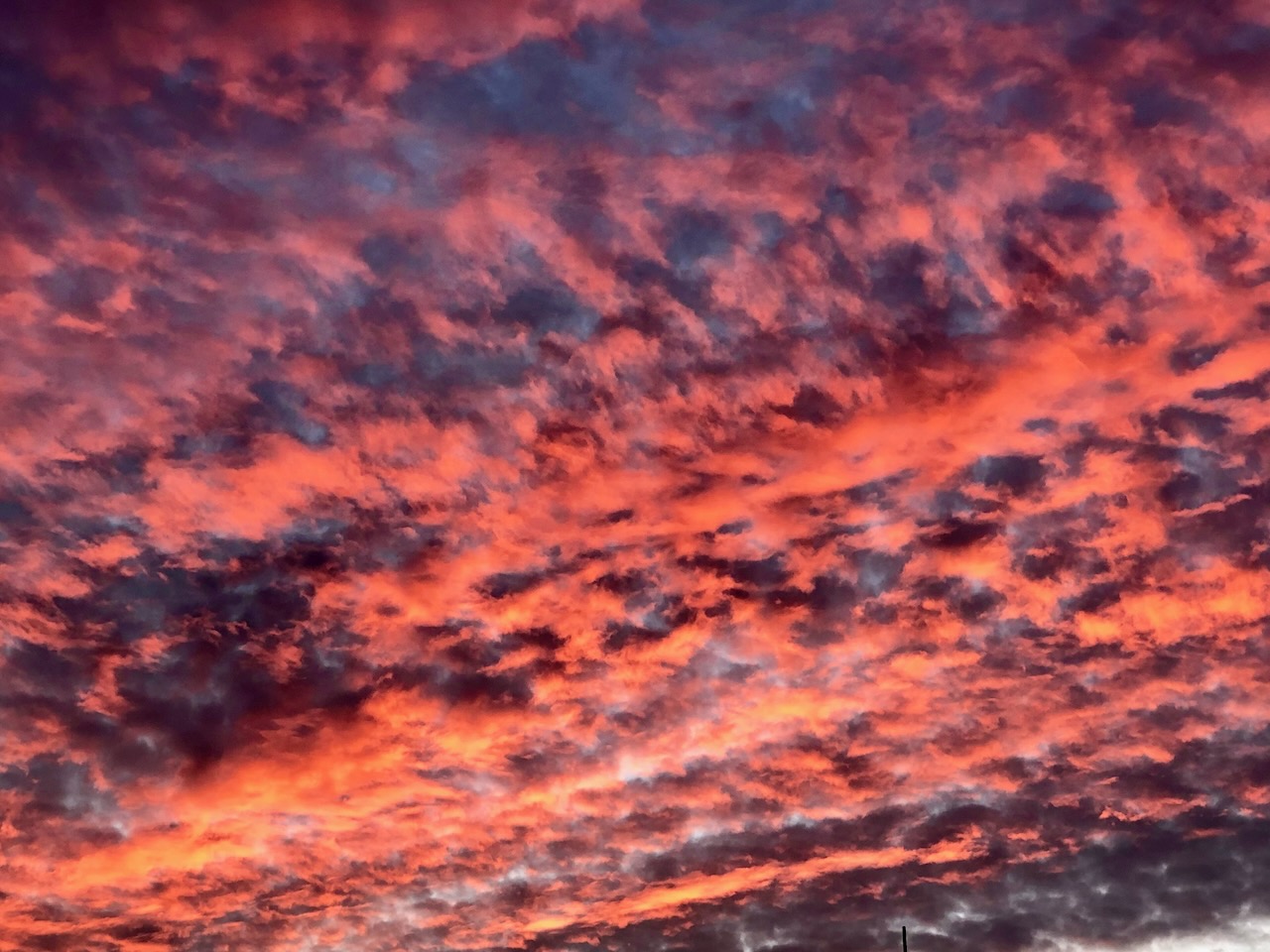
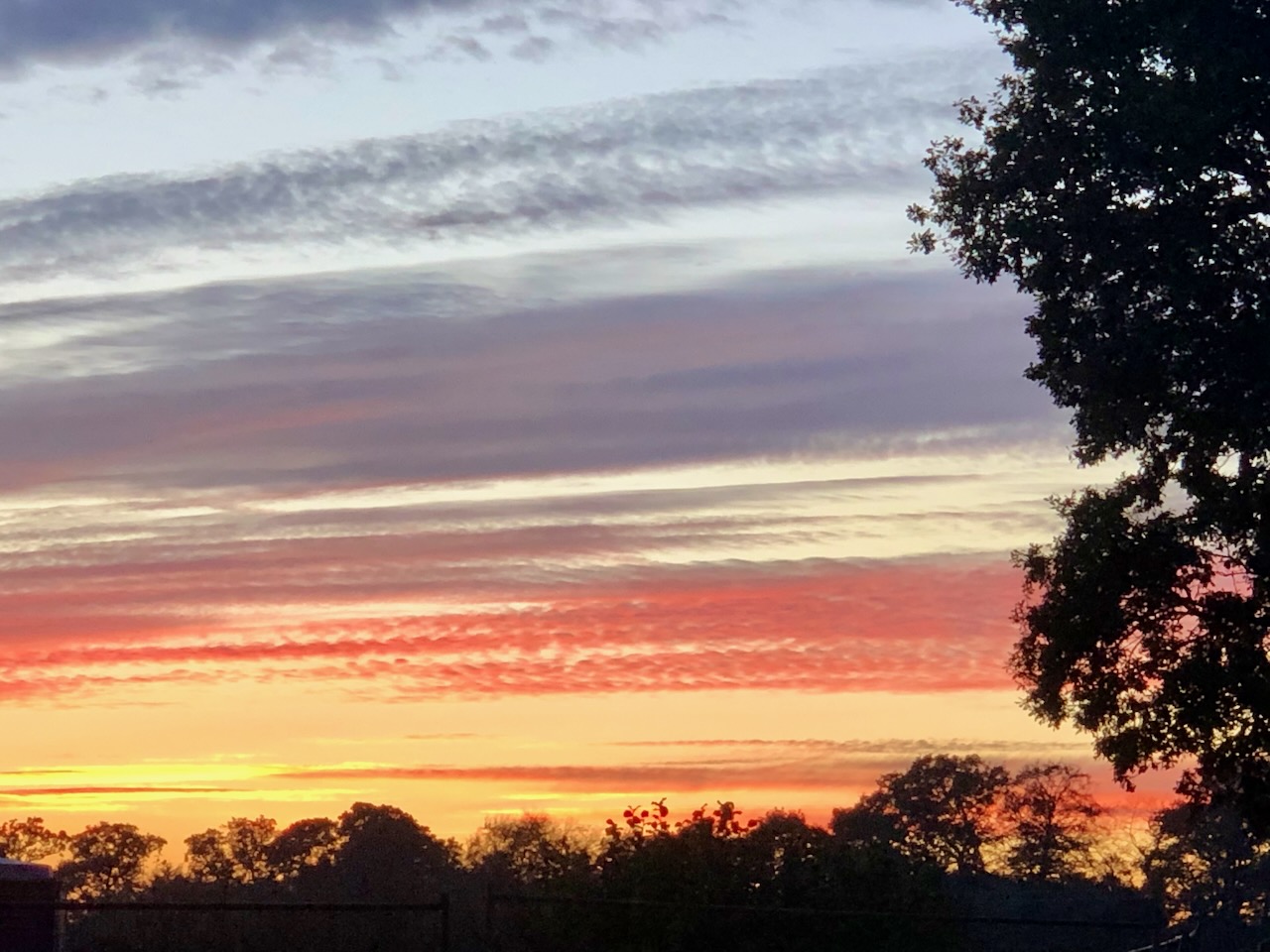
No pictures of Gideon on this blog post I’m afraid, he’s hiding somewhere after having an argument with one of the neighbour’s cats. I’ll leave you with some pictures of a glorious Norfolk sunset from the other evening.
Sunset 1 – all a bit yellowSunset 2Sunset 3 – redSunset 4 – owls are out
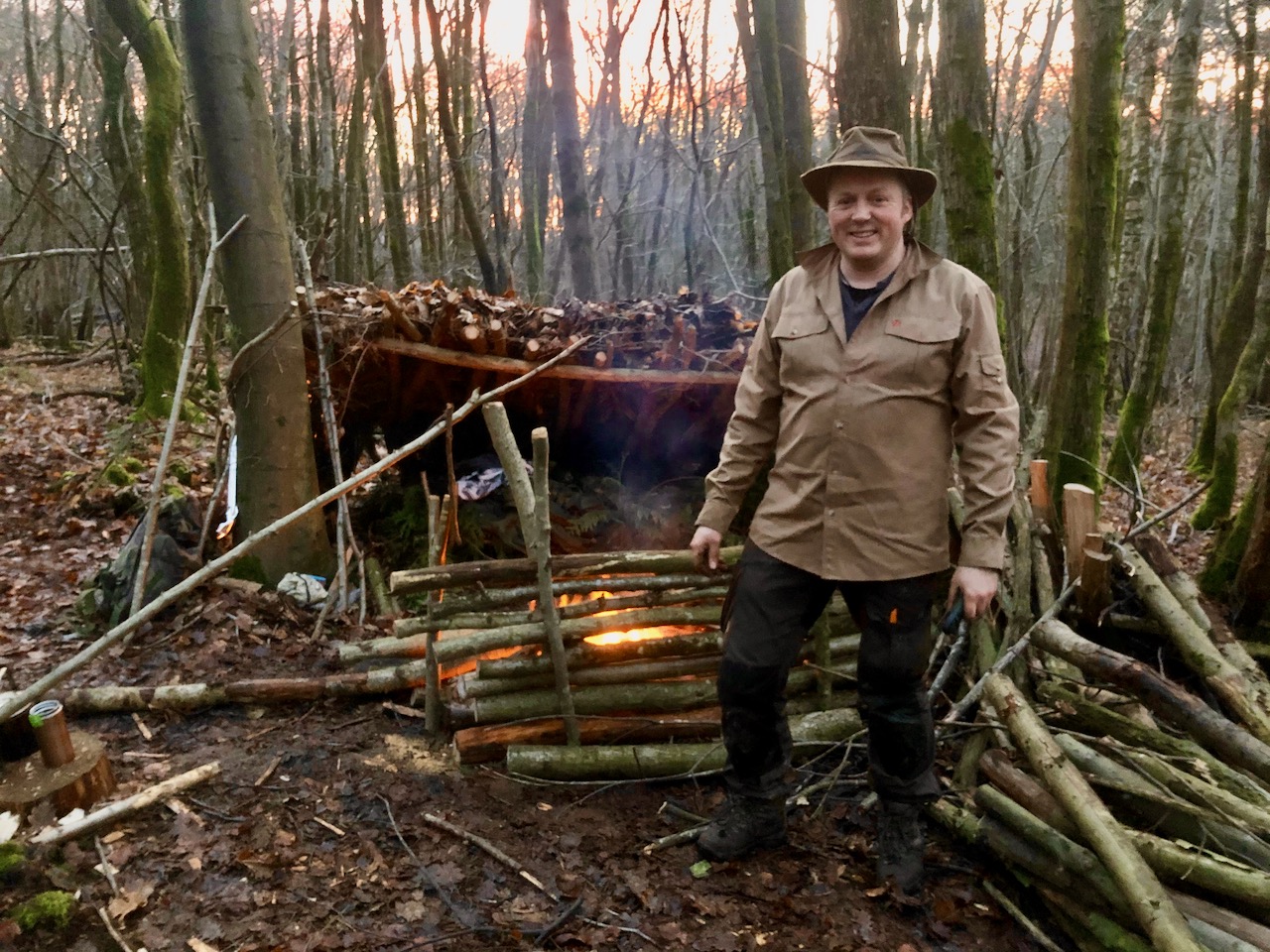
I really would rather be in the woods, engaged in bushcraft training, foraging, learning about plants, animals and trees. Helping others learn about them too. That would be great. The year long bushcraft course I finished last year with the Woodcraft School, which was actually two years long due to the pandemic, was brilliant. I want to be sitting around a campfire with mates swapping tales after a hard days graft. But I just don’t feel I can at the moment.
Me and my camp
I think I’m having one of those days where everything feels a little bleak, hard work, headachy, not to mention frustrating and emotionally taxing. October was pretty intense on the protest front, helping to support Just Stop Oil as we took action in London. November is turning out to be similar. Not that I could think of doing anything else at the moment, the crisis being so urgent.
Like many others I’ve taken holiday from my day job to support the Just Stop Oil protests, and am often busy in the evenings and at weekends doing similar. It’s tiring, but what else can we do in the face of a Government that simply won’t do what’s needed? These ordinary people from all walks of life are some of the kindest, most compassionate and self-sacrificing people I’ve ever met. It’s a privilege to work with them, learn from them, cry with them and do whatever I can to help get their stories and message out there.
The UK Government want to open up over 100 new oil and gas projects, when all the science is saying we can’t afford the climate wrecking emissions from doing so. Just Stop Oil are demanding no new oil and gas licenses are granted, and that we transition to renewable energy. We have enough oil and gas reserves to keep us going for years, we don’t need to open up new ones that take decades to come online, are 9 times more expensive than renewables, and won’t do anything to help with the cost of living crisis or our energy security.
People around the world, especially in the Global South, are dying right now because of floods, droughts, fires and famine. A report from Oxfam in May this year said it was likely one person is dying from hunger every 48 seconds in Ethiopia, Kenya and Somalia. It’s only got worse since May. Thirty three million people have been displaced from their homes in Pakistan due to flooding, and now disease is rife. The list of climate related disasters goes on.
On the home front we’re protected from the worst impacts, however the summer heatwave where temperatures went over 40C for the first time saw over 3,000 excess deaths. The London fire service had their busiest period since the blitz due to fires caused by these temperatures, and sixty homes round the country were lost as a direct result. Harvests are failing both where I live in East Anglia, and around the world, which is going to drive food prices up even further and will mean even more people go hungry.
You don’t have to believe Extinction Rebellion or Just Stop Oil when we tell you just how serious the crisis is. Thousands of scientists are screaming it from the rooftops. Antonio Guterres, the UN Secretary General, said this week we’re on course for Climate Hell. The International Energy Association and Intergovernmental Panel on Climate Change are saying we can’t have any new oil and gas projects. Sir David King, ex-chief Scientific Advisor to the UK Government says we have 2 or 3 years left to act to slash green house gas emissions. Saint David Attenborough is saying the same. We need to act now or we face societal collapse.
I am so scared about not only what’s going to happen to me as I grow older, but for my niece and nephew; will they have a chance to grow as old as I am? I’m 47, they are 9 and 11. It’s the same for all my friends’ children. I just feel like I have to do something to give them a chance at a survivable future, and hopefully one they can thrive in. I know this sounds awful, but it’s the truth, one that’s not being talked about enough.
The protests by Just Stop Oil on the M25 this week have rightly sparked outrage amongst the general public. Traffic has ground to a halt meaning people can’t get to work, have missed funerals, may have missed or been late for hospital or doctors appointments. It’s terrible that it’s come to this. The people taking this action know they are going to be hated, but don’t think they have any other recourse. Everything else has been tried: writing petitions, talking to MPs, writing letters, standing on a pavement with a placard or going on a march. Civil resistance is all we have left. Actions have included blockading fuel depots and disrupting oil refineries, road blocks in London, disruptive actions outside Downing Street and other Government departments. Soup and cake has been thrown at artworks, not damaging them, but causing media uproar and public backlash from some quarters.
These actions create the tension required for discussion to happen, for the climate crisis and the action needed to mitigate it – we can’t stop it – to get into the media and for the Government to take notice. Our criminal Government could stop the Just Stop Oil actions right now by agreeing to not allow any new oil and gas projects. It’s a straightforward demand that all the experts are saying needs to happen, right now. Sunak is at COP27 saying action needs to be taken, the crisis is urgent and we need to hit our targets, but it’s all nonsense. He and his party are doing the opposite of what’s needed and falsely accounting UK carbon emissions to make us look good. COP 27, like COP26, is full of fossil fuel lobbyists and I hold out very little hope it will result in any concrete commitments for change. Meanwhile year on year the situation gets more and more dire, people are suffering and dying, and our futures are going up in smoke.
I do understand why many of the public are getting angry about the civil resistance taking place. It’s really shit, however I’m also getting pretty frustrated with how misdirected that anger is. This isn’t a popularity contest, however the Government are being negligent and are far more deserving of your ire. I learned this week that hundreds of lawyers wrote to the Government to say that if average temperatures rise 1.5C above pre-industrial averages we will lose the rule of law. They are talking about societal breakdown. The UN said last week that there’s no credible path to keeping temperates below +1.5C. The Government’s continued inaction on the climate crisis, and continued support of the fossil fuel industry, is therefore criminal. They are still subsidising oil and gas companies to the tune of £236 million pounds a week, when instead they could be investing this money into renewables and helping with the cost of living crisis. The ‘windfall tax’ they’ve imposed on energy company profits has massive loopholes, allowing the likes of BP and Shell to offset profits versus new development costs. BP and Shell are making billions of pounds, profits for a really small minority, whilst the majority suffer.
Back to the frustration. As a spokesperson for JSO (Just Stop Oil) you hear and see all the criticism, either during interviews or online on social media platforms, or in the media. Here are several of the common topics, with my comments:
You’re all hypocrites, you drove to those actions, you wear clothes made from oil products, eat food that uses oil, have a mobile phone etc
Yes, it’s true, we’re hypocrites. We can’t be anything else in the current system. We can recycle as much as we like, stop flying, go vegan, but we still exist in a system where not using oil and gas is impossible. Taking action or being noticed whilst campaigning for change, and not using fossil fuels, is impossible. What should we do, go and live in a cave and wear a hemp sack? Doing nothing isn’t an option. We’re not saying stop using oil and gas tomorrow, we’re saying no new oil and gas projects. We need a just transition to a new way of living.
The traffic delays are causing loads of pollution and green house gas emissions. You’re making the crisis worse by your actions.
Ok. Deep breath. The increased emissions/pollution from delays pale into complete insignificance versus the emissions caused by continued fossil fuel exploration, construction, increased overall car use, and the continued and increasing production of all the things we’re told we need and have to buy, but don’t really need. This argument is so tiring, and doesn’t make sense. People could also just turn their engines off if they’re in a traffic jam.
You’re losing public support. You need public support. You’re damaging the cause.
There’s no evidence to suggest JSO actions are damaging the environmental cause. In a recent poll 66% of respondents supported direct action on the climate and ecological crisis. People may dislike this style of civil resistance, but it get’s results. People are talking about the issue. The media are publishing articles and interviewing us every day; they wouldn’t if we just stood on the roadside with a placard. Previous movements that used civil disobience to get results were loathed at the time, like the Suffragettes. Martin Luther King was the most hated man in America. The LGBTQ+ community had to fight for the rights they have today. They got results from taking direct action, results which everyone recognises today were the desperately needed.
Go and protest in China or the US, they’re the big polluters. The UK is responsible for less than 1% of emissions. Us cutting emission won’t do anything. Stop disrupting our lives.
One, the 1% stat doesn’t really take into account all our emissions, such as those from the production and transportation of all the goods we consume that a manufactured abroad. Two, this doesn’t account for our historical emissions – we’re a world leader on that since the industrial revolution, and have a responsibility to acknowledge an act. Three, we need to set an example, we can be world leaders at that, and on green tech and a green transition. We really do have a responsibility to face up to our colonial past and the exploitation of the Global South for profit. So we’ll continue to take action in the UK against our criminal Government and the oil and gas industry.
You’re delaying ambulances. People are dying because of the actions you’re taking. People can’t get to hospital appointments etc.
Yes, it’s really terrible when any delays like this take place, or if ill people get caught up in disruption. I hate it. Worth noting that the South East ambulance service recently said no ambulances had been delayed as a result of protests. JSO and XR also have a blue light policy and always let emergency vehicles through road blocks. It’s still awful if anyone is delayed, but 1000’s round the world are dying right now due to the climate crisis, our futures are at stake, and the Government is doing the opposite of what’s required. What else can we do?
You’re nothing but a cult, full of brain-washed idiots!
I like this one, it’s quite new. If we’re a cult, we’re a cult that is supported by thousands of scientists, and scientific bodies, the UN Secretary General, the IEA, IPCC, and 1000’s of ordinary people who work as teachers, doctors, nurses, carpenters, students or retired folks. Strange sort of cult really, campaigning to preserve life
There are no doubt lots of other examples. Maybe mention them in the comments and we can discuss further.
I just want to touch on the media’s role in all this. They are complicit in the crisis and just aren’t telling the truth, or giving the public the facts they deserve and need to know. I know I shouldn’t be surprised, but just how little people are aware of how dire the situation, and how they haven’t really emotionally connected with it, is still amazes me. The 1.5C target being blown means nothing to so many folks, and I’m not surprised given how little attention the media give the climate and ecological crisis. Reporters don’t challenge oil and gas execs enough, and certainly don’t hold the Government sufficiently to account. Mainstream media is controlled by billionaire oligarchs with an interest in maintaining the status quo, at the expense of everyone else. The media have a duty to report the truth, the same way that we have a duty to rise up versus a morally corrupt and criminally negligent government.
It’s really hard sometimes. I get why people feel the way they do, the anger and frustration, the hatred, I wish people could look beyond the disruption to the reasons for it, and who is ultimately responsible. I was encouraged today to hear people stuck in traffic saying they get it, and support the direct action being taken. I hope this marks a shift in public perception. I hope people spare a thought for those now on remand or serving prison sentences for the action they’ve taken to try to save lives. We’ll see.
One thing for certain, we’ve just got to keep on taking action, and trying new forms of civil resistance to bring about change. Do something and have a chance at a survivable future. Do nothing and perish. Not really a choice there.
Please consider joining Just Stop Oil or Extinction Rebellion out on the streets, or any other organisation taking non-violent direct action. There’s lots of ways to get involved, and plenty of support.
I’d really rather be in the woods though.
I just realised that as the police are starting to arrest reporters and film-makers covering protests, and to arrest ordinary folks on charges of conspiracy when they haven’t actually done anything, there’s even a risk I could be arrested for writing a blog post like this. The Public Order Bill currently going through the House of Lords is terrifying, and a subject for another blog post. If you don’t hear from me for a while you know why (only semi joking).
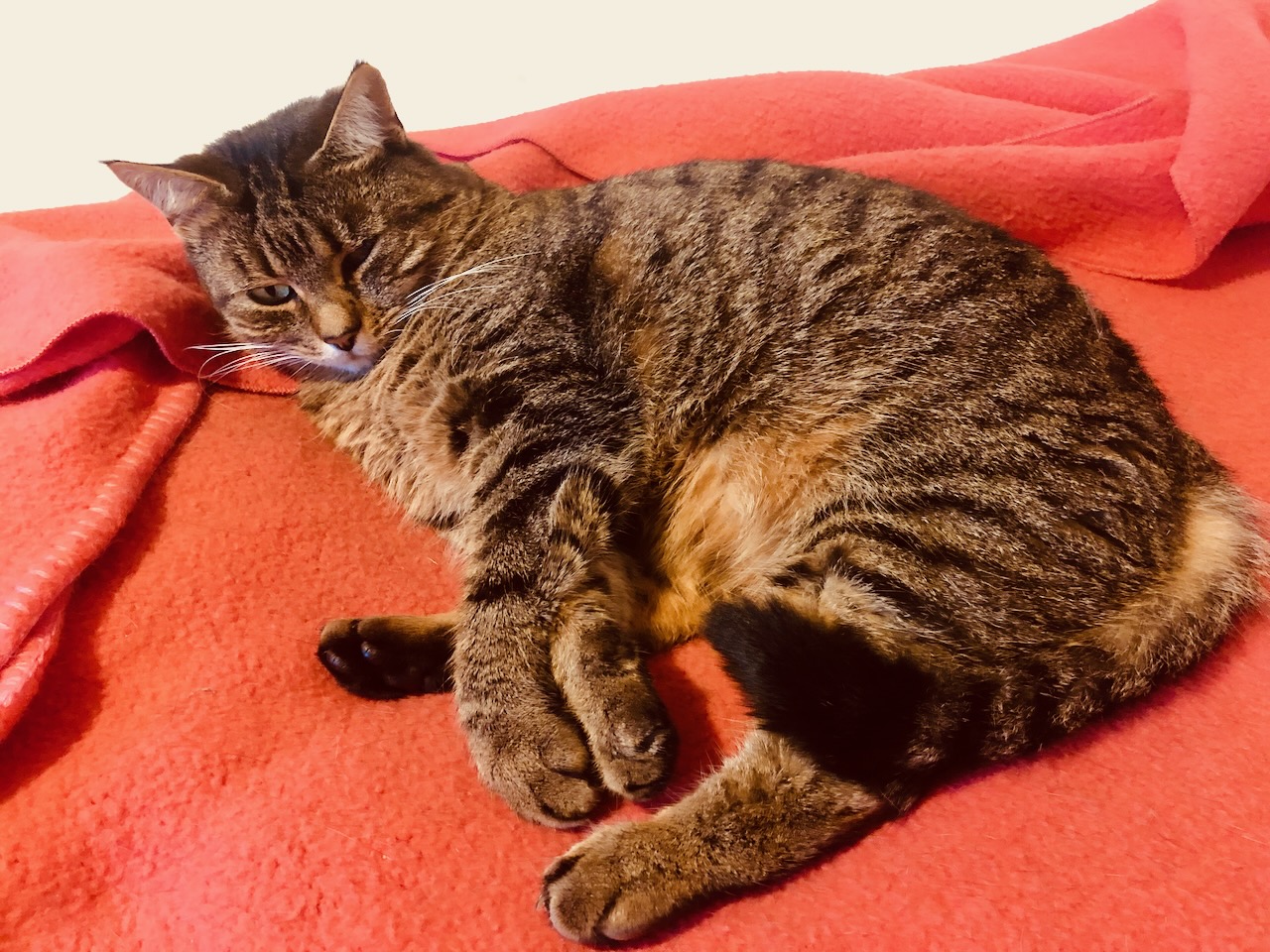
Picture of Gideon by way of goodbye for now. I asked him about COP27. He pondered for a bit, but reckons there isn’t much hope, especially as humans seem to be interested in cat pictures more than the reality of the climate crisis. Not that he’s complaining, he’s quite vain. Then he went to sleep.
Happy Halloween to one and all. The thing that scares me most this Halloween is how hot it is for October. Doesn’t bode well for more extreme weather events, and what it could be like next Spring/Summer. It’s terrifying how little the Government is doing about reducing greenhouse gas emissions. Just lies and false accounting. Sunak won’t even go to COP27. Meanwhile temperatures are forever creeping up and up.
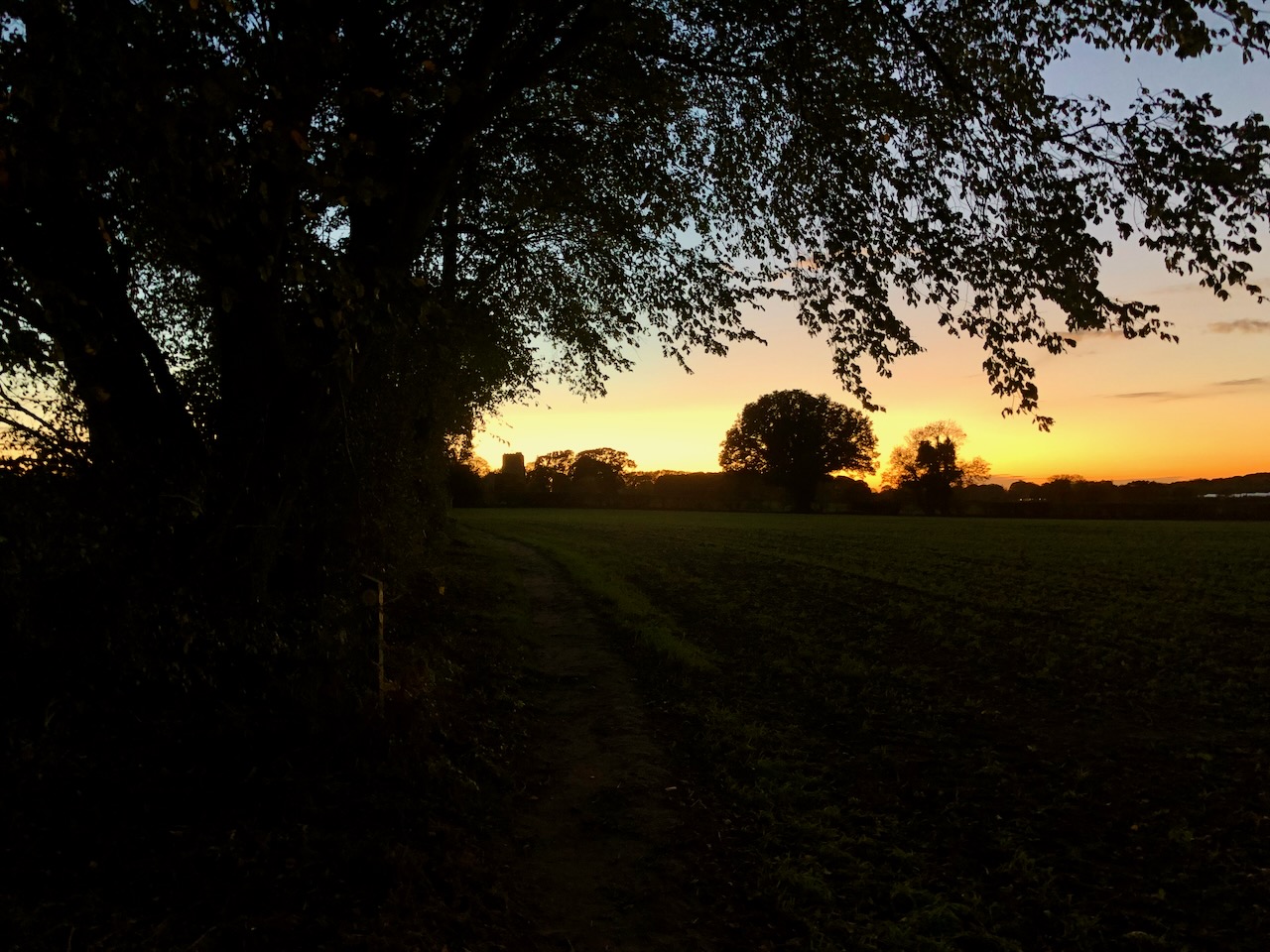
Before I get on to my wanderings in the Wensum Valley yesterday, I went for a dusk walk round Salhouse on Friday evening, mildly spooky, and weird to be walking around in just a t-shirt.
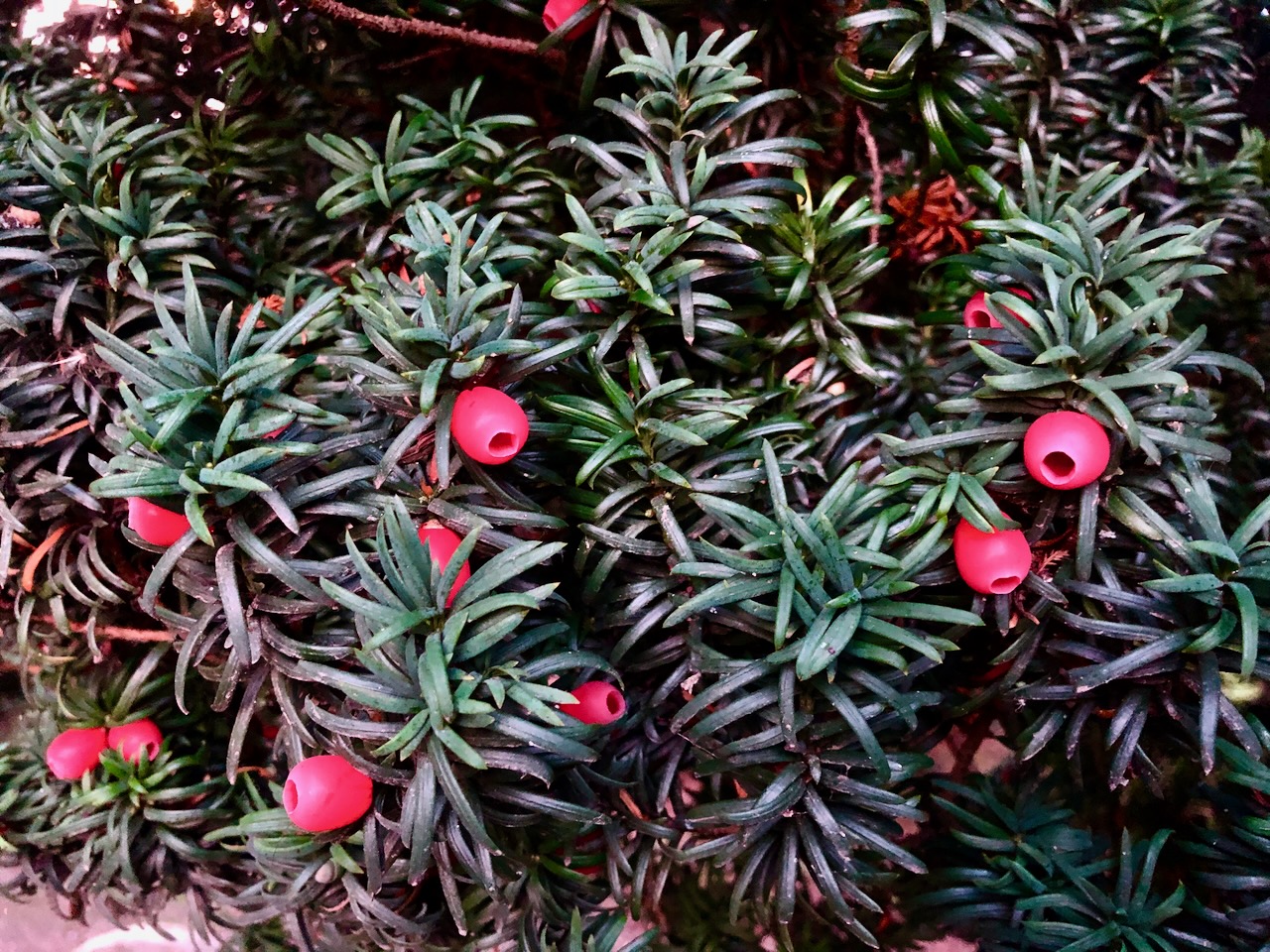
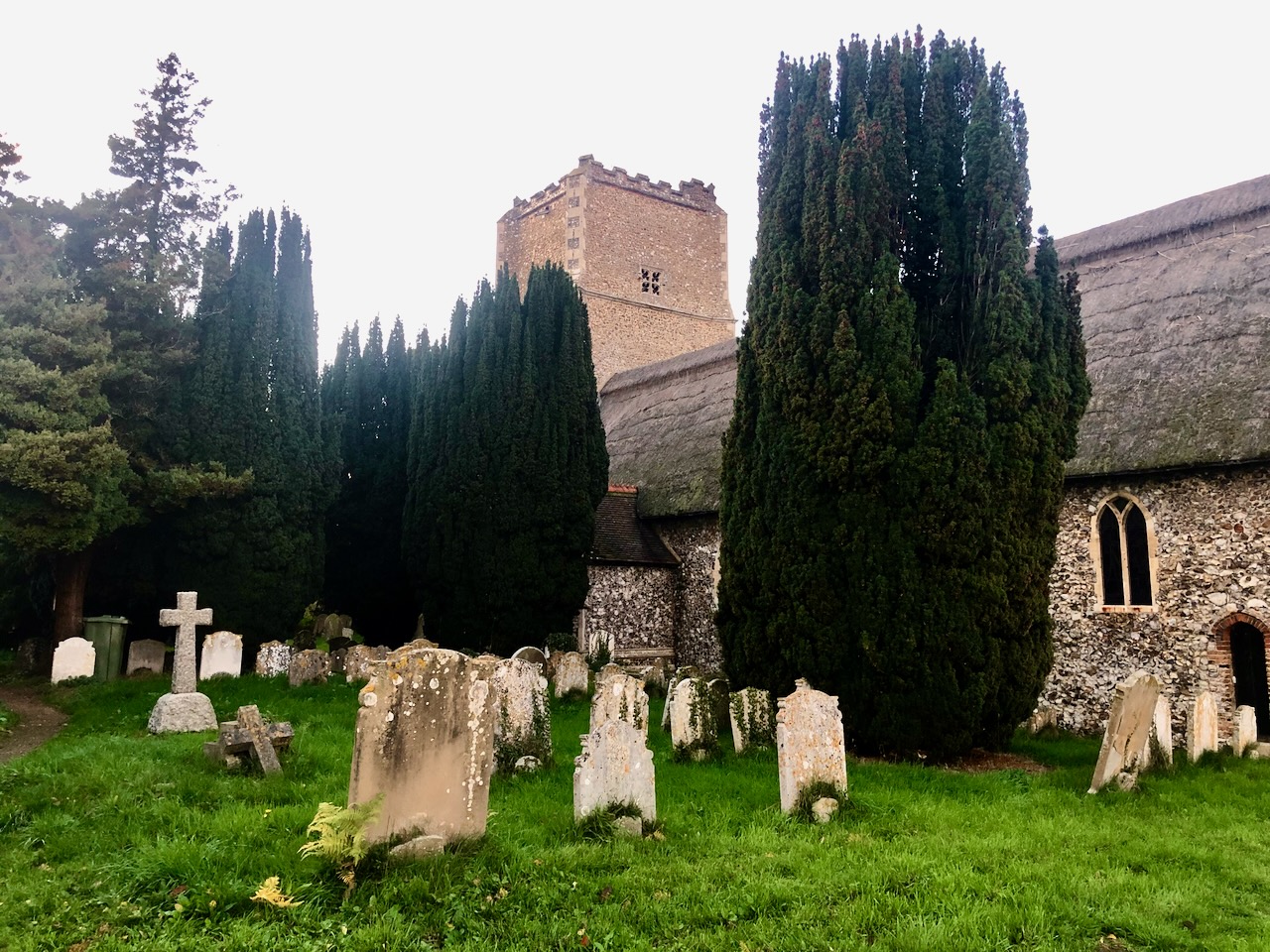
I love Salhouse Church and the Yew Trees around it. They are covered in berries this year, best not to eat them though. The big skies of Norfolk also offer some great sunsets and night skies.
On to the Wensum Valley where I went for a long walk yesterday. Has to be said it was quite damp, but it’s always regenerative to be in such a special place. I meandered round some of the areas that will be destroyed if the planned Western Link road goes ahead, ploughing through wetland, areas of ancient woodland, and very rare chalk stream habitat. This diverse and ancient landscape, the last green corridor into Norwich, needs to be protected. There’s an endangered super-colony of Barbastelle Bats that make their home there; might be the only super-colony of its sort in the UK.
I made a short film of my visit. The sound of the River Wensum babbling it’s way to Norwich was very calming. There was also a guest pig appearance.
Norfolk County Council are championing the link road, which will compromise the rare chalk stream habitat and the species that live there, as well as increase carbon emissions and pollution. It will also open the countryside up to yet more development. Surely public money should instead be spent on public and active transport, and to help people with the cost of living crisis. Norfolk County Council really need to move with the times and get over their addiction to road building and unsustainable growth.
This morning I ascertained that pyramid tea bags are easier to throw into a mug at a distance of 2 metres, than the standard round tea bags. I feel I’ve done some important science.
I wish decision makers, the courts and big business would listen to scientists more. It feels like they should do, rather than paying too much attention to the likes of Rupert Murdoch and his minions, or fossil fuel company lobbyists. Shell just announced grotesque profits of £8.1bn in the last quarter.
Meanwhile we have a cost of living crisis and a climate crisis. People are dying from famine and drought in Africa, and 33 million people have been displaced in Pakistan due to floods. Harvest failures around the world, heatwaves, wild fires, permafrost melt, extreme weather, ocean death, the list goes on. People will die from the cold in the UK this winter as they can’t afford to heat their homes, and others can’t afford to buy food. The London fire brigade had their busiest period since the Second World War this summer due to wildfires; 60 people lost their homes in the UK.
All this is being driven by our continued reliance on fossil fuels, which is being driven by these massive energy companies (BP, Shell, Exxon, Gazprom etc) and their greed, plus a complicit Government. Our futures and our children’s futures are at stake, as well as much of life on Earth. Large regions of the planet are likely to become uninhabitable during my lifetime, and the target to contain global heating to 1.5C above pre-industrial averages is blown; the UN have said today that there is no credible path in place to meet this. Billions of people are going to have to move – mass migration – resulting in war for remaining resources and the rise of the far right. It’s already happening.
More reports from climate scientists out yesterday; they, the IPCC, Antonio Guterres, Sir David Attenborough, Sir David King, they’re all screaming from the rooftops that we need to slash emissions now, but they’re being ignored in favour of growth and profit. Check out the lancet if you want more info – https://www.thelancet.com/countdown-health-climate. This ongoing mantra that economic growth is good is false. It’s killing us.
But yeah, why should we listen to scientists? Why listen to people that really know their stuff and are shouting into the void about how dire the situation is? They’re desperate, grief stricken, in tears a lot of the time. They’re telling the truth, but our criminal Government aren’t listening. Even worse a lot of the scientific papers or statements by the IPCC (Inter Governmental Panel of Climate Change) don’t tell us exactly how bad it is, as they’re peer reviewed to ensure mass consensus on what’s published, and often dumbed down due to pressure from oil and gas industry lobbyists. If you want to avoid becoming overly depressed about it avoid having a pint down the pub with a climate scientist.
COP27 starts on 06 November. I’m not holding out any hope for anything concrete to come out of it in terms of legally binding cuts in emissions. They’ll be a tonne of green washing, and once again I expect the largest delegation will be from fossil fuel companies sowing misdirection and scepticism about what is scientific fact – https://www.bbc.co.uk/news/science-environment-63316362
When ordinary concerned individuals, including scientists, protest about Government inaction and their complicity in the destruction of our futures, they get chastised and locked up, called selfish, told they’re damaging their cause. Protest and non-violent civil disobedience is our last port of call in demanding change. We’ve known how bad things are for 30 or 40 years, but writing letters, signing petitions, and talking to politicians hasn’t changed anything. We know a direct action form of protest works, it got people the vote, including women via the Suffragettes, and the Chartists (working class rights). It worked for the American civil rights movement, and the Indian independence movement. It can work for the greatest crisis humanity has ever faced.
The Government want to bring in the Public Order Bill to silence freedom of speech and stop protests. There are measures in the Bill that will turn us into a police state similar to Iran, Russia or Syria. Tracking devices on people regarded as potential trouble makers, bans from protesting, curfews; even if you haven’t attended a protest before. I find this both terrifying and enraging. How have we let things come to this? Suella Braverman wants to bring in laws that will slide us into fascism. She dreams of putting refugees on plane flights to Rwanda for god’s sake.
So yeah, maybe more people need to listen to scientists. We’ve got a few years to turn things round, or we face societal collapse.
Here’s a short film I put together of ordinary people from the East of England taking direct action outside the Department of Business, Energy and Industrial Strategy last week. Brave and eloquent individuals doing all they can to demand change.
Looking forward to the Norwich beer festival later. Argh. Cognitive dissonance. Maybe I’ll try and write a blog post on that next.
Short (ish) film I made of Just Stop Oil supporters from East of England taking action in Shoreditch on 15 October.
Their demand – No new oil and gas projects. We have 8 years of oil and gas reserves, which is enough to transition to renewable energy which is 9 times cheaper and far quicker to build. Mean while companies like BP and Shell make billions at our expense.
Very proud of these people, my friends, taking non-violent direct action in a hostile environment to demand change. It has unfortunately come to this to draw attention to the crisis we’re in, as writing letters, signing petitions, and trying to talk to a more than useless Government doesn’t work.
Civil Resistance to this corrupt Government may be the only way we can ensure a survivable future.
Warning: Film contains some scenes of violence and swearing some may find uncomfortable.
Today has to go down as pretty memorable in terms of stuff that’s happened in my lifetime, although not in a particularly good way. Liz Truss resigns, the shortest ever UK Prime Minister; not in terms of stature, rather in terms of term served. It really seems like the blind leading the blind in the Tory party at the moment. A shambles. Complete chaos. Other adjectives no doubt apply. The ‘Have I Got News For You’ Twitter account summarised things quite well:
BREAKING: Only 67 more Cabinet ministers till Christmas.
BREAKING: The Government.
Truss resigns. U-turn expected imminently.
I mean, you really couldn’t make this up.
Here’s a nice picture of Gideon, my cat, just to calm things down a bit before I continue. He doesn’t really care about UK Politics, although he is a bit vexed about me going down to London repeatedly to complain about the Government and Oil companies, leaving him without lap time and treats (lies).
Gideon getting some well earned lap time
If this blog post ends up not making much sense it might be because I’ve caught covid again. I caught it the first time around in September 2021 and it wasn’t too bad, aside from losing my sense of smell and taste for a bit. This time I have the annoying persistent cough and am generally feeling a bit crap, hence this post might go off-road. Gideon says it’s my fault for going to the germ filled capital and leaving him to fend for himself (the latter is also lies).
Alright, on to the serious stuff. Because the farce going on in the Houses of Parliament at the moment is nothing compared with the challenges facing ordinary people in the UK. Or the challenges we face on a wider front due to the climate and ecological crisis. Thousands in the Global South (non-western nations) are already dying.
I was thinking about it today, and whilst the Tories can’t even agree on a Prime Minister and Cabinet, the following is happening:
UK people are being forced to choose between heating or eating, or can’t afford either. Children in the UK are suffering now, and 1000’s of the elderly may die this winter due to the cold.
I read about a kid today who pretended to eat stuff out of an empty lunch box cos his family can’t afford food, and he doesn’t qualify for free school meals. He didn’t want to be embarrassed in front of his friends.
Inflation and interest rates are hitting ordinary folks hard, whilst the rich just get richer. Big energy companies like BP and Shell are making record profits at our expense, and the Government refuses to tax them.
Division in the UK, between the rich and the poor, as well as different communities, is getting worse. One has to conclude this is an active policy by the Government to make sure we don’t unite against them.
Harvests are failing around the world due to extreme weather, driving up food prices. I read East Anglian potato harvests are down by as much as 50% due to the hot and dry weather.
Floods in Pakistan have killed thousands and displaced 33 million people. Imagine for a minute if that happened in the UK.
Floods in Nigeria kill 100’s and displace over a million. One person every 36 seconds is estimated to be dying from hunger in East Africa. Drought and famine in Somalia, Kenya, Ethiopia and South Sudan – list not exhaustive. These crises are all exacerbated by Climate Change but you won’t hear about it as much because, you know, it’s Africa rather than Florida.
The Amazon and rainforests around the world continue to be slashed and burned to make room for farming – mostly cattle or to grow animal feed. The Amazon is now at, or may have crossed, a tipping point towards savannah/desert.
Wildfires still rage, heatwaves are getting worse and killing people, conflict for remaining resources is increasing often breaking out into all out war (e.g. Ukraine).
The refugee crises just gets worse and worse, many of them climate refugees, and we want to fly them to Rwanda.
Civil liberties, the right to protest and freedom of speech are being restricted and criminalised by the Police, Crime, Sentencing and Courts Act, and now the Public Order Bill; please look the latter up as it’s truly dystopian and scary, and will turn the UK into a police state like Russia, Syria or Iran.
I’ve not added lots of climate and ecological items to the above list, but lets not forget oceans are dying from over-fishing and acidification, insect numbers have plummeted, rare habitats are still being destroyed, we’re still slaughtering mammals for sport or ‘scientific research’, and parts of the world are becoming uninhabitable. Greenhouse Gas emissions are still going up, and we’re seeing dangerous levels of methane released from the permafrost that could trigger a rapid extinction level event. Oh, and storms really are getting fiercer and more frequent.
People often ask when societal collapse is going to happen? When will the apocalypse strike? I think it’s already happening right before our eyes. Given all the above how can it not be? We’re hanging on by a thread and whilst it could take years, there may be no coming back from it now.
I really think mainstream media is very much to blame for a lot of this. They fail to report key issues, concentrating instead on trivialities and celebrity culture. They vilify or ridicule ordinary people taking action to try and bring about change, and scare off anyone else who was thinking about taking action. A few billionaires own the majority of mainstream media. I think it’s safe to assume they’re just protecting their own interests at everyone else’s expense, and most are blind to it because we’re hit with their messaging day in day out. Just watch the film ‘Don’t Look Up’ to see what’s happening; terrifyingly accurate.
But it’s ok, because the world’s Governments have got this all in hand, haven’t they?
Bollocks they have. COP26 was a failure, and COP27 is likely to be too with fossil fuel companies having far too much influence, and green washing endemic. In politics short-termism is rife, egos abound, lobbyists make sure the Government doesn’t upset the status quo, and the police and criminal justice system is clamping down on any dissenting voices. Any politicians who make it into serious positions of power seem to only have their own interests at heart, or are narcissists, or frankly psychopaths.
So what can we do? Just start doing something at least. Recently I’ve been down in London taking direct action with Extinction Rebellion and Just Stop Oil. Why? Because nothing else is working and civil disobedience has a track record of bringing about a change. Writing letters, signing petitions, talking to your MP or even going on marches have very limited if no impact. Check out this film clip from Zoe Broughton of Lora Johnson, a Just Stop Oil activist.
Lora tells it like it is, whilst being arrested ✊
At the moment 100’s of Just Stop Oil supporters are being arrested down in London for demanding a different future, an end to new oil and gas projects. 1000’s of Extinction Rebellion activists have been arrested over the last few years for demanding the Government tell the truth, act now, and form citizens assemblies to guide us through a just transition.
We’re not saying stop using oil and gas right now, we’re saying we can’t afford the emissions from any new projects, and yet the Government wants to license 130 new oil and gas fields. This goes against what climate scientists, the IPCC, Sir David King, Antonio Gueterres, Sir David Attenborough and many others are saying. We have 2 to 3 years to rapidly reduce green house gas emissions and transition away from fossil fuels or it’s game over. Renewable energy is 9 times cheaper and much quicker to build than extracting new oil and gas, which can take decades to come online.
Why on earth would we want new oil and gas, it’s only purpose at this stage is mega profits for a minority at everyone else’s expense, especially those that live and are dying in the Global South.
Politicians and mainstream media, and members of the public led by this toxic media, are vilifying ordinary people fighting for a future which doesn’t involve more famine, war, death and societal collapse. Here a film mash up I made of a recent Just Stop Oil protest in Trafalgar Square. I’ve got more in the pipeline from last week.
These protestors, ordinary people of all ages and from all walks of life, are some of the kindest, most selfless and courageous people I have ever had the privilege of calling friends and taking peaceful action with. They’re people that have properly emotionally connected with the danger we’re in, not just understood the facts and figures. They are retired, students, have jobs and have taken holiday, or yes they might be between jobs sometimes. And yes they still have to use fossil fuel products because that’s the system we’re stuck with at the moment; we’re all hypocrites to one degree or another.
Yet we are being called selfish, arrogant, and accused of destroying the cause we’re fighting for. Critics say we block emergency vehicles when in fact we have a blue light policy which means we always let them through. The media have slammed two young women for throwing tomato soup on a Van Gogh they knew was covered in glass protection, and two climbers for shutting down the QE2 bridge for two days. People say I agree with your cause but not your methods and that we’re hypocrites; that’s ok, just do something.
You’re all hypocrites
So many claims are being made, many of them false, about our actions, however look at what is happening. Spoke persons from Just Stop Oil (JSO) and Extinction Rebellion (XR) are being invited on TV and Radio shows to debate these issues. The newspapers are covering our actions. The public are talking about the climate and ecological crisis, new oil and gas, and insulating homes. People are starting to understand that the cost of living and energy crises are linked to the climate and ecological emergency; we can solve them together with a just transition. And thousands are joining movements like JSO, XR, Enough is Enough and Friends of the Earth. Yes, JSO actions can be regarded as radical and down right annoying, however they push the window, and as a result more people join the more moderate activist flanks.
People hated the Suffragettes and Dr Martin Luther King when they were active, yet the actions they and many others took are regarded as justified and necessary now. Martin Luther King explained the need to create tension to drive change far better than I can.
MLK theory of change
Please look beyond the headlines when you hear about people taking non-violent direct action to demand change, to demand a survivable future, to demand we stop ecological destruction and new oil and gas projects. They’re not doing it to piss you off, or because they want self-attention, they’re doing it because they’ve realised we’re screwed and this is the only option left to them. And now the Government want to clamp down even harder on these legitimate protests.
Please, whatever you are capable of: Just start doing something.
Just Stop Oil are taking action in London throughout October and into November, meet 11am ish outside Downing Street. Extinction Rebellion are planning to get one hundred thousand people out on the streets next April. There’s a big multi-movement march planned in London on 05 November. Don’t be a bystander, get involved in the fight for our futures.
A calming cat picture of Gideon to round things off, hiding in a wrapping paper tepee for some reason. He is still vexed about me going to London, but really thinks humans are making a right old mess of things and need to step up.
Not sure if I should get ill more or less often if it makes me write blog posts like this. I think I’ll go and watch Question Time to relax now, that should be interesting.