
This is a blog post I wrote for the Broadland Green Party website, partly in my capacity as a Green Party district councillor. I think I therefore have to include a digital imprint, so here it is: Promoted by James Harvey on behalf of Broadland Green Party, a constituent party of the Green Party of England & Wales PO Box 78066, London, SE16 9GQ
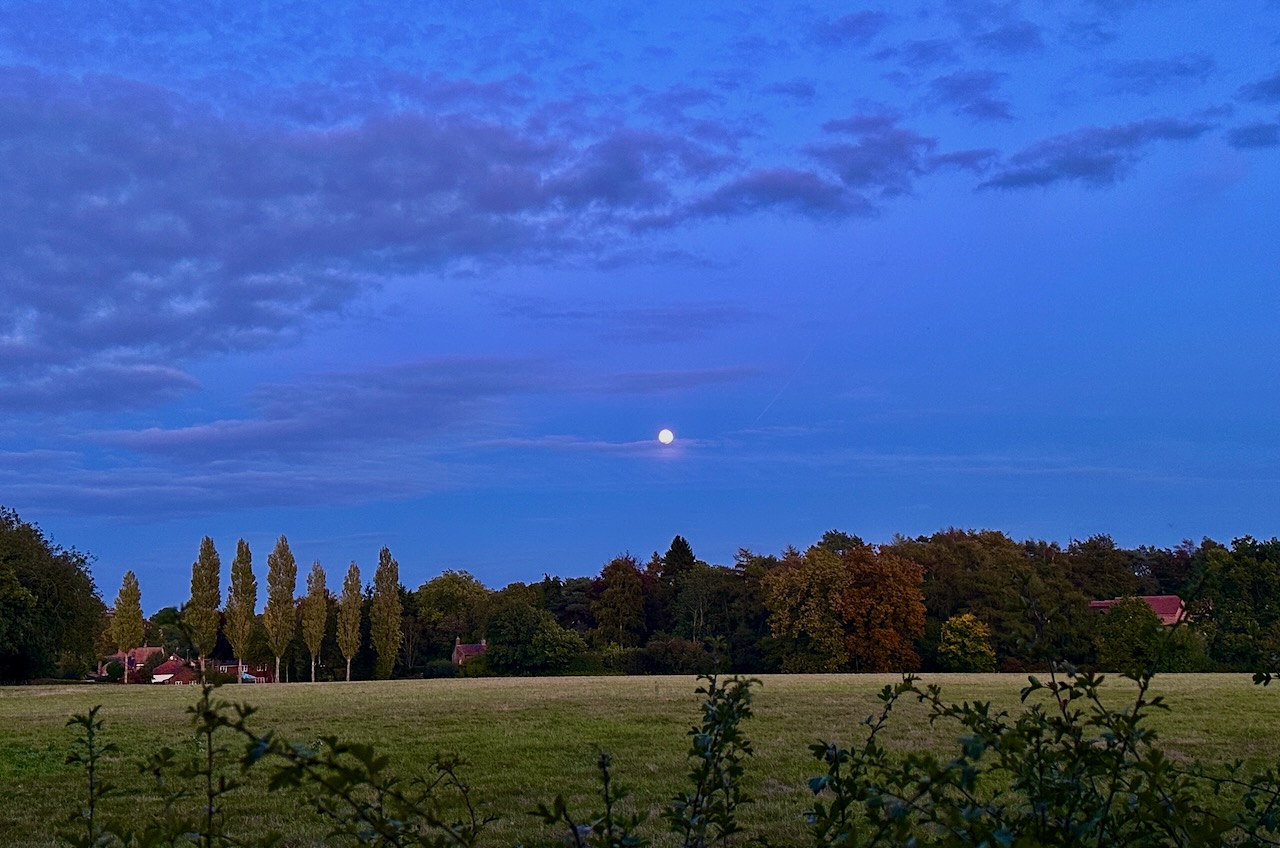
It can often feel as though our farmland, countryside, and the few remaining wild spaces are being steadily consumed in the name of “growth” — the relentless drive to build more houses and satisfy developers’ appetite for profit.
This was evident at the recent Broadland District Council Planning Committee meeting, where permission was granted for 200 dwellings, including 90 retirement apartments, alongside a country park and parking. This decision was made despite the development not being in the local plan, and despite strong objections from the Parish Council, local residents, and Green Party district councillors.
Communities Ignored
Time and again, developments are approved against the wishes of local communities.
People are rightly concerned about a wide range of issues, including:
- The loss of good-quality farmland needed for growing food
- The destruction of nature — our woods, hedgerows, and wildlife habitats are under threat
- Local roads already struggling with traffic and in poor condition
- Overwhelmed sewerage systems and limited water supply
- Insufficient local employment opportunities
- Overstretched doctors and dentists, making appointments hard to get
- Local schools with no spare capacity
- Flood-prone land — a risk worsened by climate breakdown
- Rising air and noise pollution from more houses and roads
- Poor public transport links and lack of cycling infrastructure
Yet these legitimate objections are often ignored, overruled, or dismissed due to complex planning regulations and housing targets set by central government.
How the System Fails Local People
Planning officers frequently cite what can be a bewildering array of planning rules and legislation that make it hard for councillors — let alone residents — to challenge inappropriate developments.
Government policy requires councils to maintain a five-year housing land supply, ensuring “sustainable residential development” as set out in the National Planning Policy Framework (NPPF) 2024. Unfortunately, the Labour Government under their “Build, Build, Build” mantra increased the housing target for every Local Plan by 34%. Hence, no sooner had we agreed and published the GNLP it was out of date.
There will now be a “call for sites” in early 2026 to accommodate the extra 600 houses per year, an increase from 2,000 to 2,600. Because Broadland currently cannot demonstrate a five-year housing supply, developers are allowed to put forward speculative (or predatory) proposals for sites outside the Greater Norwich Local Plan (GNLP) – even when local people object.
It’s worth noting that Broadland Green councillors were not in favour of the GNLP, but without a plan, developers would have free rein to build wherever they wanted. Supporting the GNLP became, unfortunately, the lesser of two evils.
A Growing Sense of Anger and Frustration
We fully understand why residents feel angry and powerless as excessive housing developments encroach on towns and villages, straining local infrastructure and changing the character of cherished communities.
We can argue that new developments can bring opportunities, diversity, and economic benefits. While that may sometimes be true, it’s hard to make that case when local councillors and residents alike see their surroundings being irrevocably changed — often without meaningful local input.
The Challenge of Objecting
To make a legitimate objection, we must show how a proposal conflicts with planning policy. Each application must be judged on its own merits, and when there’s a housing shortfall, the so-called “tilted balance” comes into play — meaning that planning permission should be granted unless there are strong reasons for refusal.
This makes it incredibly difficult for communities to resist developments, even when the case against them seems obvious.
Developers and Trust
Many people simply don’t trust developers — and who can blame them? Too often, promises about affordable or social housing are quietly dropped once planning permission is secured.
Meanwhile, faith in national politics has eroded. Too many politicians fail to understand or represent the people they serve. The planning system itself is deeply flawed, with too much power concentrated in the central Planning Inspectorate, which can and does overrule local decisions.
If proposals for single “unitary councils” — Broadland has suggested three — go ahead, this erosion of local democracy could get even worse. All the while, the drive for endless growth continues on a planet with finite resources.
Smarter Solutions Exist
There are better ways to meet housing needs without destroying green spaces.
In England, there are over one million empty homes — including long-term vacant properties, second homes, holiday lets, and homes left empty due to care or probate. According to Action on Empty Homes, around 325,000 people are currently in temporary accommodation, with many more sleeping rough.
Instead of relentlessly building on our countryside to enrich a small number of developers, why not prioritise bringing empty homes back into use?
We also need a wealth tax to address the widening gap between the super-rich and everyone else, ensuring fairer funding for housing and public services.
Building the Right Homes in the Right Places
Some new housing is, of course, necessary. But it must be the right kind of housing — affordable for local people and built in the right locations.
We need more urban regeneration and brownfield development, not sprawl across our countryside and remaining natural habitats. It’s unacceptable that key workers in the NHS, emergency services or care-workers, and other essential services can’t afford to live near where they work, or that local young people are priced out of their own communities.
Likewise, those moving into new areas should have access to suitable housing — and that means utilising empty properties and building responsibly.
And it’s long past time to end the Right to Buy scheme, which has depleted social housing stock and worsened the housing crisis.
Hope for a Greener Future
The Green Party is growing, with more members and support than ever before. Under the new leadership of Zack Polanski, we will continue to challenge government policies that fail local people — both in councils and in Parliament.
With your support, we can build a fairer, greener, and more democratic future — one where communities have a genuine voice, and where hope becomes normal again.
James Harvey, Green Party district councillor for Plumstead Ward
 Self Propelled