This is a blog post I wrote for the Broadland Green Party website, partly in my capacity as a Green Party district councillor. I think I therefore have to include a digital imprint, so here it is: Promoted by James Harvey on behalf of Broadland Green Party, a constituent party of the Green Party of England & Wales PO Box 78066, London, SE16 9GQ
It can often feel as though our farmland, countryside, and the few remaining wild spaces are being steadily consumed in the name of “growth” — the relentless drive to build more houses and satisfy developers’ appetite for profit.
This was evident at the recent Broadland District Council Planning Committee meeting, where permission was granted for 200 dwellings, including 90 retirement apartments, alongside a country park and parking. This decision was made despite the development not being in the local plan, and despite strong objections from the Parish Council, local residents, and Green Party district councillors.
Communities Ignored
Time and again, developments are approved against the wishes of local communities. People are rightly concerned about a wide range of issues, including:
The loss of good-quality farmland needed for growing food
The destruction of nature — our woods, hedgerows, and wildlife habitats are under threat
Local roads already struggling with traffic and in poor condition
Overwhelmed sewerage systems and limited water supply
Insufficient local employment opportunities
Overstretched doctors and dentists, making appointments hard to get
Local schools with no spare capacity
Flood-prone land — a risk worsened by climate breakdown
Rising air and noise pollution from more houses and roads
Poor public transport links and lack of cycling infrastructure
Yet these legitimate objections are often ignored, overruled, or dismissed due to complex planning regulations and housing targets set by central government.
How the System Fails Local People
Planning officers frequently cite what can be a bewildering array of planning rules and legislation that make it hard for councillors — let alone residents — to challenge inappropriate developments.
Government policy requires councils to maintain a five-year housing land supply, ensuring “sustainable residential development” as set out in the National Planning Policy Framework (NPPF) 2024. Unfortunately, the Labour Government under their “Build, Build, Build” mantra increased the housing target for every Local Plan by 34%. Hence, no sooner had we agreed and published the GNLP it was out of date.
There will now be a “call for sites” in early 2026 to accommodate the extra 600 houses per year, an increase from 2,000 to 2,600. Because Broadland currently cannot demonstrate a five-year housing supply, developers are allowed to put forward speculative (or predatory) proposals for sites outside the Greater Norwich Local Plan (GNLP) – even when local people object.
It’s worth noting that Broadland Green councillors were not in favour of the GNLP, but without a plan, developers would have free rein to build wherever they wanted. Supporting the GNLP became, unfortunately, the lesser of two evils.
A Growing Sense of Anger and Frustration
We fully understand why residents feel angry and powerless as excessive housing developments encroach on towns and villages, straining local infrastructure and changing the character of cherished communities.
We can argue that new developments can bring opportunities, diversity, and economic benefits. While that may sometimes be true, it’s hard to make that case when local councillors and residents alike see their surroundings being irrevocably changed — often without meaningful local input.
The Challenge of Objecting
To make a legitimate objection, we must show how a proposal conflicts with planning policy. Each application must be judged on its own merits, and when there’s a housing shortfall, the so-called “tilted balance” comes into play — meaning that planning permission should be granted unless there are strong reasons for refusal.
This makes it incredibly difficult for communities to resist developments, even when the case against them seems obvious.
Developers and Trust
Many people simply don’t trust developers — and who can blame them? Too often, promises about affordable or social housing are quietly dropped once planning permission is secured.
Meanwhile, faith in national politics has eroded. Too many politicians fail to understand or represent the people they serve. The planning system itself is deeply flawed, with too much power concentrated in the central Planning Inspectorate, which can and does overrule local decisions.
If proposals for single “unitary councils” — Broadland has suggested three — go ahead, this erosion of local democracy could get even worse. All the while, the drive for endless growth continues on a planet with finite resources.
Smarter Solutions Exist
There are better ways to meet housing needs without destroying green spaces.
In England, there are over one million empty homes — including long-term vacant properties, second homes, holiday lets, and homes left empty due to care or probate. According to Action on Empty Homes, around 325,000 people are currently in temporary accommodation, with many more sleeping rough.
Instead of relentlessly building on our countryside to enrich a small number of developers, why not prioritise bringing empty homes back into use?
We also need a wealth tax to address the widening gap between the super-rich and everyone else, ensuring fairer funding for housing and public services.
Building the Right Homes in the Right Places
Some new housing is, of course, necessary. But it must be the right kind of housing — affordable for local people and built in the right locations.
We need more urban regeneration and brownfield development, not sprawl across our countryside and remaining natural habitats. It’s unacceptable that key workers in the NHS, emergency services or care-workers, and other essential services can’t afford to live near where they work, or that local young people are priced out of their own communities.
Likewise, those moving into new areas should have access to suitable housing — and that means utilising empty properties and building responsibly.
And it’s long past time to end the Right to Buy scheme, which has depleted social housing stock and worsened the housing crisis.
Hope for a Greener Future
The Green Party is growing, with more members and support than ever before. Under the new leadership of Zack Polanski, we will continue to challenge government policies that fail local people — both in councils and in Parliament.
With your support, we can build a fairer, greener, and more democratic future — one where communities have a genuine voice, and where hope becomes normal again.
James Harvey, Green Party district councillor for Plumstead Ward
I thought I’d share the response from my MP, Jerome Mayhew, to the email I sent him last Friday off the back of his newsletter. It was a little bit infuriating, and didn’t really address a lot of the points from my email, but credit where credit’s due to responding in a timely fashion.
If you are able to contribute to the most excellent Legal challenge to the Western Link and other new roads in Norfolk, please check out Dr Andrew Boswell’s page here. Andrew has worked very hard on this, and any donations are greatly appreciated: https://www.crowdjustice.com/case/stop-road-building-wrecking-climate-nature/
I’ve also included my response to Mr Mayhew’s response, further down this post, as I felt I had to challenge his claim that the Norwich Western Link will reduce carbon emissions. Firstly, here are some daffodils from my lunchtime walk, just to ease us in. There are a couple of ‘quiz’ photos later on.
Daffodils – a sunny disposition
Mr Mayhew’s email from 06 March 2023:
Dear Mr Harvey,
Thank you for your email.
Voter ID:
Voter ID is a policy that has been implemented by many countries across the world. It is pretty standard, including in parts of the European Union. In 2010, the Organisation for Security and Co-operation in Europe carried out a review of the elections in the United Kingdom at that point and it was clear that there was a weakness in our system around ensuring that identification was provided.
You ask about oyster cards and over 60 passes. It is extremely simple to answer that question. I would encourage you to go and look at the eligibility for 18-year-old Oyster cards and at the eligibility for 60+ Oyster cards. They are different. The eligibility for the 60+ card involves significantly more requirements, including a passport or a driving licence.
Having sat on the Bill Committee during the Election Bill’s Committee Stage I followed the progress of the Elections Act 2022 closely, so do please forgive me for the length of my reply. The Elections Act 2022 was introduced to the House of Commons in July 2021 and received Royal Assent on 28 April 2022.
Voter ID is not new. Northern Ireland has required paper ID at polling stations since 1985, and photo ID since 2003. It has proved to be effective at tackling fraud and has not curtailed election turnout. Identification to vote has been backed by the Electoral Commission and international election watchdogs. At present, it is harder to take out a library book or collect a parcel at a post office than it is to vote in someone else’s name. As in Northern Ireland, where electoral participation has not been curtailed, a free Voter Card will be available, for those voters who do not hold one of the approved forms of photo identification, when the scheme is rolled out across Great Britain. Under the Government’s proposals, anyone without an ID will be able to apply for a new free one – meaning that not a single voter will be disenfranchised.
In pilot schemes in 2019 and 2018, the overwhelming majority of people cast their vote without a problem and the success of the pilots proves that this is a reasonable and proportionate measure to take, and there was no notable adverse effect on turnout. Under the Government’s proposals, anyone without an ID will be able to apply for a new free one – meaning that not a single voter will be disenfranchised
Research has found that 98 per cent of the population as a whole and 99 per cent of those from ethnic minorities have some form of photo identification. Again anyone without an ID will be able to apply for a new free one – meaning that not a single voter will be disenfranchised.
The Act sets out a wide range of photo ID which can be used to vote at the polling station. This includes a UK passport or a passport issued by an EEA state or a Commonwealth country. A driving licence or provisional driving licence granted in Great Britain or Northern Ireland will also be accepted. Expired forms of identification will also be accepted as long as the photograph is a good enough likeness.
Again, anyone who does not possess one of these forms of photo ID will be able to apply for free for a Voter Authority Certificate from their local authority – either online, by post or in person. Both our local district councils, North Norfolk and Broadland, have already put information up on their websites advising how to apply for a free ID card: https://www.north-norfolk.gov.uk/tasks/electoral-services/elections-act-2022/ andhttps://www.southnorfolkandbroadland.gov.uk/news/article/277/residents-need-photo-id-to-vote-at-elections-in-may.
Sir Eric, now Lord, Pickles’ independent review into electoral fraud raised a number of concerns and made recommendations on the role of the Electoral Commission and the current system of its oversight. The Pickles report also drew attention to the corruption that took place in the Tower Hamlets elections in 2014. It is for these reasons that the Government is placing a greater emphasis on the need to tackle and prevent electoral fraud. Additionally, the Pickles report criticised that the Electoral Commission gave Tower Hamlets a gold-star rating for electoral integrity in its inspection reports before the 2014 elections. It also noted that after the 2015 election court case, the Electoral Commission’s corporate plan and annual report both made no substantive reference to this major case or learning the lessons from it. Only last year the Electoral Commission was criticised for failing to provide any clear guidance on so-called ‘family voting’ – the unacceptable practice of men directing women how to vote inside polling stations in Tower Hamlets.
Norwich Western Link:
When you take into account the emissions associated with the construction of the Norwich Western Link, together with the reduction in emissions from vehicles that will use the route once built, modelling shows that there is likely to be an overall reduction in carbon emissions. A climate resilience assessment will also be prepared to look at current and future climatic factors, such as temperature, storms, wind, and rainfall and how that might impact the Norwich Western Link. The carbon assessment based on the proposals that will be put forward in the planning application will be included in the planning application documents.
We also need physical access to markets. I disagree with the CPRE about the NWL. We have created, essentially, an orbital route around Norwich, but rather like the situation with the M25 and the Thames, we have decided not to build the bridge. It is very damaging to connectivity, particularly for the north-east of the county getting access to the physical markets in the rest of the country. A consultation was undertaken and, taking that into account, the best route was reached. It deals with a huge amount of rat-running and links north Norfolk to the rest of the country.
As for the number of people contacting me to oppose the NWL, so far this year you are the only constituent to write to be to object. Whereas when I am out on the doorstep knocking on people’s doors the support is overwhelming,
I am afraid we are going to have to agree to disagree as I strongly support the NWL and will not be with drawing my support.
Ambulances:
When we look at queues in A&E we all generally think it is the front door of the hospital that is the problem i.e. getting people into A&E—but when I spoke to the Chief Executive of the Norfolk and Norwich, he told me that it is overwhelmingly the back door that is the problem, by which I mean people leaving the hospital. Consequently, this means ambulances are left waiting at hospitals for a bed to become available for their patient in the back. This is a point I have raised in Parliament, which you can see here: https://www.jeromemayhew.org.uk/news/contribution-debate-ambulance-waiting-times.
The Chancellor made a number of spending commitments at the Autumn Statement to put the adult social care system in England on a stronger financial footing and improve the quality of and access to care for many of the most vulnerable in our society. The Government will make available up to £2.8 billion in 2023-24 in England and £4.7 billion in 2024-25 to help support adult social care and discharge. This includes £1 billion of new grant funding in 2023-24 and £1.7 billion in 2024-25, further flexibility for local authorities on council tax and, having heard the concerns of local government, delaying the rollout of adult social care charging reform until October 2025.
£600 million will be distributed in 2023-24 and £1 billion in 2024-25 through the Better Care Fund to get people out of hospital on time into care settings, freeing up NHS beds for those that need them. A further £1.3 billion in 2023-24 and £1.9 billion in 2024-25 will be distributed to local authorities through the Social Care Grant for adult and children’s social care. Finally, £400 million in 2023-24 and £680 million in 2024-25 will be distributed through a grant ringfenced for adult social care which will also help to support discharge.
More locally I met the Chief Executive of the East of England Ambulance Service earlier this year and he told me that he is recruiting more clinicians in 999 control rooms so they can better triage patients and make sure they get the right support at the right time to patients in a clinically prioritised manner, particularly for cases which are more difficult to triage such as falls and to pass patients who perhaps do not need an ambulance to alternative services which can better meet their needs. Additionally, our local ambulance service is:
Getting more ambulances on the road through additional recruitment, they now have 10% more ambulances on the road today than they did in October 2022.
Working with NHS community services such as SWIFT to pass over clinically appropriate calls to them, and working with them to increase their capacity so that they can take patients and respond in a timely way to them.
They are also changing they train their call handlers to make sure they can give better support and advice to patients when they call 999.
The East of England Ambulance has also opened a new handover unit at the James Paget Hospital and have taken over some space at the NNUH to help look after patients before they can be transferred into A&E departments.
Yours sincerely,
Jerome Mayhew MP
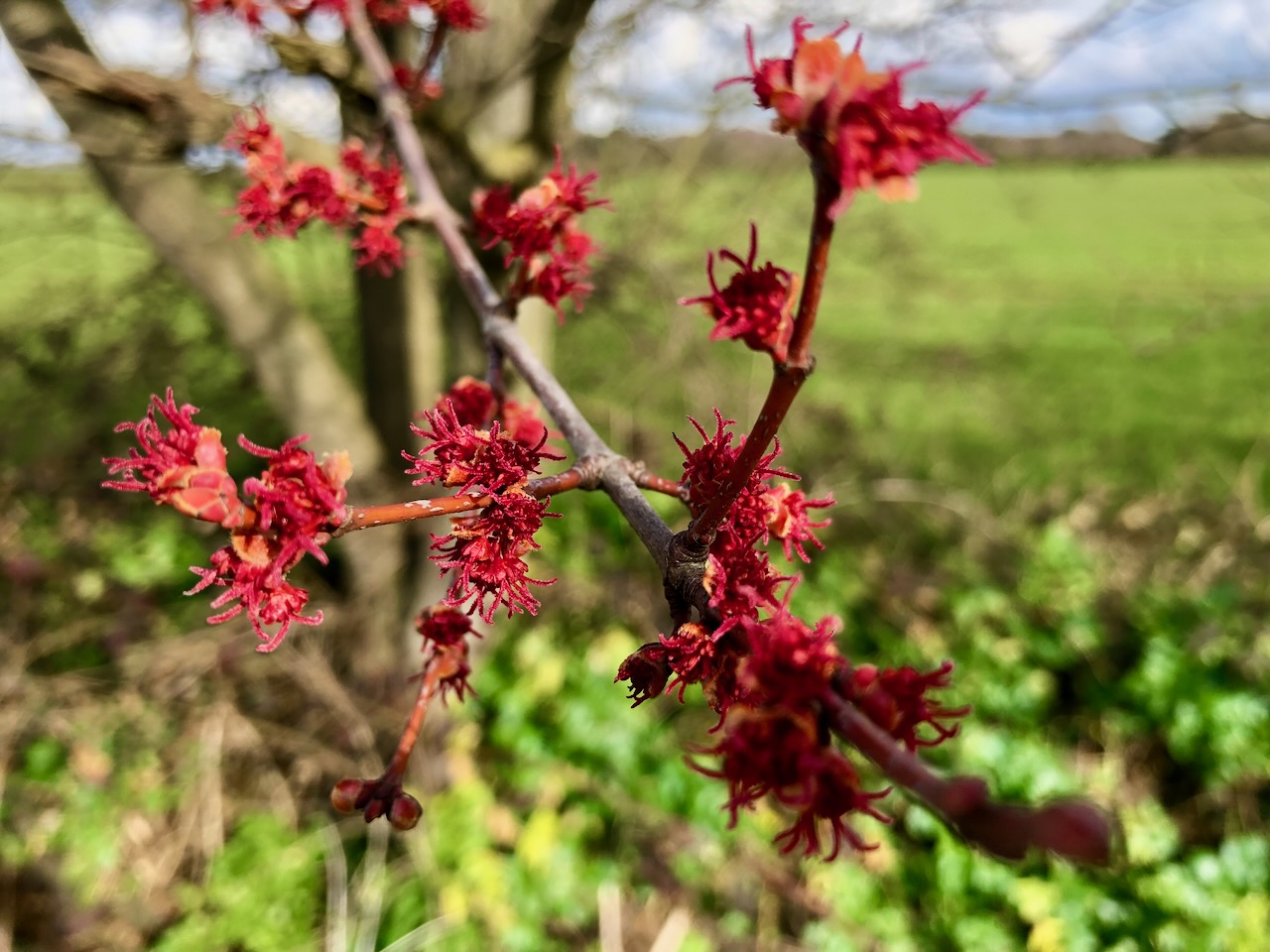
Photo break – some blossom, but I’m still trying to work out what tree it is; Sycamore? Lime? Please can someone put me out of my misery?
Mysterious blossom, maybe an Acer? Still trying to work it out
Rather than analyse Mr Mayhew’s points, and the way he really didn’t answer my question on ambulance response times. Here’ my reply to him.
Dear Mr Mayhew,
Thank you as always for your prompt and detailed reply. I hope you’ll forgive the length of my response, however there’s a lot to cover.
On voter ID I still think this disadvantages the young, and those not able to afford a passport. Plus I don’t think the changes are necessary given we have very low electoral fraud. I guess we’ll see what the voting demographics look like in May and beyond.
With regards to ambulances, your response is interesting, but that wasn’t my question. I was challenging the claim that the Norwich Western Link (NWL) will cut 20 mins of ambulance response times, as this appears very spurious for the reasons I stated.
I want to provide a more detailed response to your explanation of how the NWL will reduce carbon emissions. I just don’t think this is true, and at a time when we’re facing increased drought, wildfires and harvest failures just in Norfolk, not to mention the impacts of the climate crisis world-wide, we have to start facing up to reality. It simply isn’t fair to be burdening the younger generation with environmental debt, as well as the increased risk of severe impacts from climate change, because we want to build new roads for the benefit and profit of a few.
I believe the modelling you’re referring to has been done by the County Council, to show a drop in emissions. I wonder if this makes an assumption that vehicles will be converting to electric? If so, that really isn’t relevant in terms of emissions reduction from building the road. When we look at the carbon cost from building the road, along with the increased number of cars from induced traffic, emissions can only go up. This coupled with the ecological cost means it’s inexcusable to be considering building new roads at this juncture; a conclusion the Welsh Government recently reached themselves.
We’re in a climate and ecological emergency, our house is literally on fire. Antonio Guterres has told us we’re on the highway to climate hell with our foot on the accelerator. We have reports from IPCC, the International Energy Association, the Government’s own Climate Change Committee and thousands of climate scientists saying we need to cut emissions now, and preserve nature; we’re the most nature denuded country in Europe and we want to irreparably damage a site of special scientific interest and a conservation area (The Wensum Valley)? Feels like the wrong thing to do to me. The UN says we have to halve emissions in the next decade to meet our obligations from the Paris agreement, and UK/Norfolk targets.
More detail below.
Emissions from Construction
The planned Western Link Road has an estimated carbon cost of 100,000 tonnes of carbon dioxide. When combined with the other carbon costs from road building in Norfolk in 2024 and 2025, we get to a figure of 250,000 tonnes. That’s 7% of the Norfolk Local Transport Plan carbon budget for those years meaning that unless cuts were made elsewhere (very unlikely) Norfolk won’t meet it’s targets, which would also impact the UK’s overall target. This is without taking into account the carbon that would be released from destroying semi-ancient woodland, and soil structure/plants/animals which sequester huge amounts of carbon. All that concrete, steel and tarmac comes at a cost.
Emissions from traffic
As I mentioned in my original email, increasing road capacity increases the number of cars on the roads, as proven by induced traffic effect studies. The Western Link, if built, will do exactly this. This traffic will emit more carbon dioxide until it is all electrified, which probably won’t be until at least 2050. The increased emissions will contribute to taking us beyond Norfolk and UK’s carbon budget. Traffic modelling by the council has shown that carbon emissions in the area from the road won’t reduce in line with Government projections for the Net Zero Strategy, as well as projections in the Local Transport Plan.
Wildlife
The Wensum Valley is the last green corridor into Norwich. I think of it as the lungs of the city. The corridor allows wildlife to move around and nature to thrive. The Government is targeting 2042 to halt the decline in our wildlife populations, in the Environment Act, and NWL isn’t compatible with this. The Wensum Valley is a rare and protected landscape, with many endangered species including the Barbastelle Bat. It really needs to be conserved to meet our targets, and for the sakes of current and future generations.
Net Zero Strategy and the Legal Implications
Finally a note on the Net Zero Strategy. The building of this road will impact the UK’s Net Zero Target, which is already too far into the future to stop many of the severe impacts from climate change. I do not believe the council has properly assessed this impact, or the impact from other road building in Norfolk. I believe there is already a legal challenge about this. The High Court, in 2022, already told us the Net Zero Strategy is at risk. The Climate Change Committee is saying the same thing. We need to be looking at the cumulative impact on emissions, as well as other environmental factors, of building this road, per the Infrastructure Planning (Environmental Impact Assessment) Regulations 2017.
There are already lawsuits being brought against Governments and Fossil Fuel Companies across the Globe for inaction on the climate crisis, and for deliberately making things worse; we have a duty to not sell ourselves and future generations down the river. This generation risks being labelled as climate criminals, and facing lawsuits for inaction or culpability in the disruption and deaths of thousands locally, and millions worldwide.
Conclusions
This may sounds dramatic, but the climate crisis is happening now. Millions are being impacted and are dying right now; 1 person every 36 seconds in East Africa due to famine and drought caused by the climate crisis. 33 million people displaced in Pakistan due to flooding. Over 3,000 deaths cause by the heatwave in the UK last year alone.
Inaction on the climate and ecological crisis, as well as greenwashing, false accounting for carbon emissions, putting profit before planet and people is really impacting many people’s, including myself, mental and physical health. It seems completely hopeless when the evidence is ignored and we press ahead with ecocidal road schemes, as well as new oil, gas and now coal projects in the UK. The impacts from the climate and ecological emergency are increasing at an alarming rate, with more wildfires, drought, famine, floods and extreme weather, as well as increased risks in this country from diseases, ocean acidification, and rising ocean levels – if the Thwaites Glacier goes then that’s London and many other coastal cities around the world at risk or submerged, leading to the displacement of millions.
I know you’re likely to say we’re world leading at cutting emissions, and that we have a plan to get to net zero by 2050. 2050 is too late, and we’re not world leading, especially when we’re opening new coal mines, building new roads, and aiming to grant over 100 new oil and gas licenses in the North Sea. Our carbon accounting also doesn’t include emissions from goods we import from overseas, plus the shipping or aviation costs. We need to take into account our historic emissions; we’re world leading on that having started the industrial revolution. We simply don’t have any carbon budget left if we want to give developing countries a chance to catch up, or do we just not care about them? And the argument about China and the US needing to do more, whilst valid, doesn’t really take into account individual carbon footprints; the average UK person’s carbon footprint is massively higher than most people’s in the Global South.
Locally, rather that investing in new roads including the NWL, please can we invest in public and active transport (active transport would help the NHS too by making people healthier), as well as conserving and regenerating nature. Let’s invest in renewables and make Norfolk and East Anglia truly UK leading, and possibly world leading, on renewable energy, sustainability, responsible farming practices and Green technology. That would be something to be very proud of.
I hope some of this has been useful, and as before I would welcome the opportunity to speak to you about this at on of your surgeries.
I look forward to hearing back from you.
Yours sincerely,
James Harvey
I really don’t know if I’ll get a reply to this, we’ll see. In closing here’s a deer track I found in the woods the other day. I’d seen Red Deer, Roe Deer and Muntjac Deer that day. Which do you think made this track? I think Roe Deer as it was in a deer couch.
Deer track – probably Roe, but let me know what you think
In this month’s letter to my MP I address his update on Voter ID, and his claims on the benefits of the proposed Western Link Road.
On voter ID, remember to register and get a photo ID if you want to vote in person, and don’t already have one. Mr Mayhew says:
‘Local Elections for Broadland District Council and North Norfolk District Council are fast approaching. With photo ID now required to vote in UK elections, it’s the right time to ensure you’ve got everything you need to vote on Thursday 4th May. Don’t have photo ID? There are options:
‘I was very pleased to meet Norfolk County Council’s Western Link Team. The missing link road is one of issues most frequently raised with me. It is vital that we build this road to stop the terrible rat running that villages currently endure, reduce traffic emissions, improve access to markets for swathes of Norfolk businesses and knocks twenty minutes off ambulance response times to the Norfolk and Norwich Hospital.’
Here’s my letter to Jerome Mayhew MP, I am looking forward to his reply.
Dear Mr Mayhew,
Thank you for your latest newsletter, an interesting read as always.
I’m writing in response to your updates on the Western Link Road, and Voter ID.
To address the latter first. We have never had a problem with electoral fraud in this country. This seems like a deliberate ploy by the Conservatives to exclude young voters, further alienating them, as they are less likely to vote for your Party. Why is it that student cards are not an acceptable form of ID, but bus passes for the over 60’s are? This is yet another erosion of our rights in this country, which when coupled with the PCSC Act and Public Order Bill is leaving us in a scary place (1930’s Germany-like).
On the Western Link. Your newsletter claims this is one of the most frequently raised issues with you; I wonder if you count the number of people that are against it in your tally? I know I have corresponded on this with you before, but why is it so vital we build this road given the damage it’s going to do? Rat running in villages is not pleasant, but set against ecological destruction, environmental damage, increased emissions we can’t afford and the impacts these will have in terms of increased floods, wildfires, and harvest failures in Norfolk, I’d take rat running; I live in the countryside and have to contend with some of this myself.
On the rat-running front, there are other avenues that can be explored, such as camera controlled gates (they have these in Trowse now).
You say the road will reduce emissions, how exactly? Building the road will blow Norfolk’s carbon budget for a start, and it is proven that increasing the number of roads increases the amount of cars/traffic, and thus emissions. I did a quick internet search and found this study on it, from the Government website – https://www.gov.uk/government/publications/induced-travel-demand-an-evidence-review . There are plenty of other studies out there, however the evidence is that road capacity improvements increase traffic – induced travel demand.
This report also backs up the induced traffic effect I referred to earlier.
Moving on to ambulance response times. I think a more pressing concern is the wait times ambulances have to offload patients when they get to the N&N, which I hope have improved after recent issues. The NHS is massively underfunded and under constant attack by the Government, who seem intent on privatising it. Your claim that it will reduce ambulance response times by 20 minutes is spurious, as surely it won’t really make any difference for much of Norwich, where ambulances will still need to travel into the City. I don’t think we have a problem with ambulance response times (see – http://www.ambulanceresponsetimes.co.uk/), I think it’s more a fundamental problem with a lack of support for our doctors, nurses, and hospital infrastructure, and what happens when ambulances reach hospitals.
So, we’ve debunked the emissions point, as well as the economic benefits, and addressed the ambulance response times point. In addition this road was going to cost £64m a mile if it goes ahead, probably more now. We’re in a cost of living crisis and Norfolk County Council are slashing public services, including welfare, people are going hungry, homeless and can’t afford heating. Wouldn’t it be better to spend this money on public and active transport, as well as welfare services? Investing in public transport and reducing personal car ownership is really where we need to go in terms of reducing congestion and emissions; I really liked the £2 cap on bus fares recently. The cost could also severely damage the county council’s finances if government funding is not secured; less likely now Liz Truss is no longer PM.
Please consider withdrawing your support for this road. It’s going to destroy ancient woodland, rare chalk stream habitat, endangered Barbastelle bat colonies, and pollute the local landscape. It will increase traffic and emissions because that’s what new roads do. The road is also a blatant move to open up the Norfolk countryside to more development and destruction, for the profit of a few.
I look forward to hearing from you, and would welcome an opportunity to discuss in person at one of your surgeries, if possible?
Yours sincerely,
James Harvey
I’d encourage everyone to write to your MP on issues you feel strongly about. With the right to protest being eroded we need to make our views known. If you’re unable to get out on the streets then at least write a quick email.
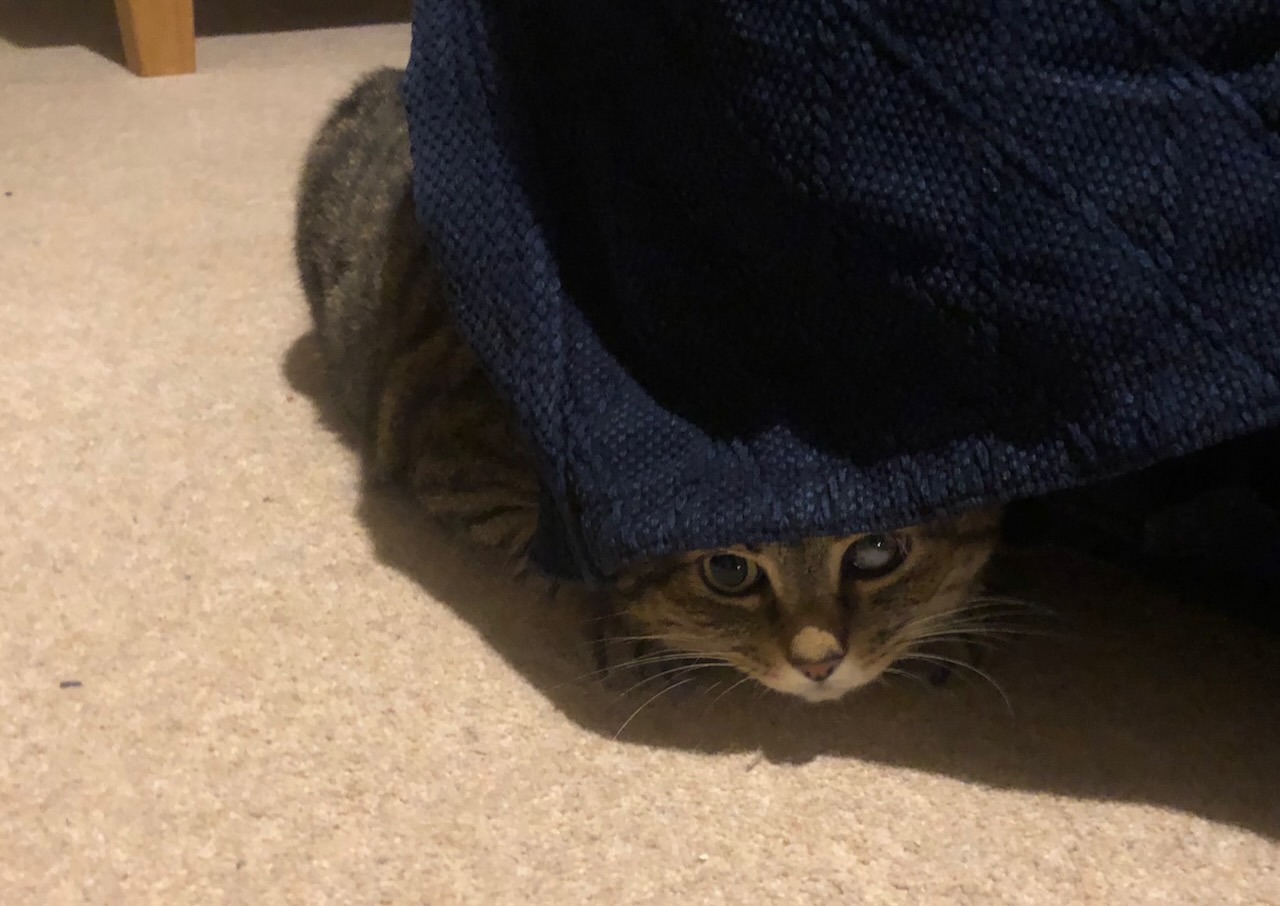
Here are a few recent pictures of Gideon, cos he didn’t want to be left out.
Gideon hiding, not very wellTaking in some sunshineGideon getting some lap time
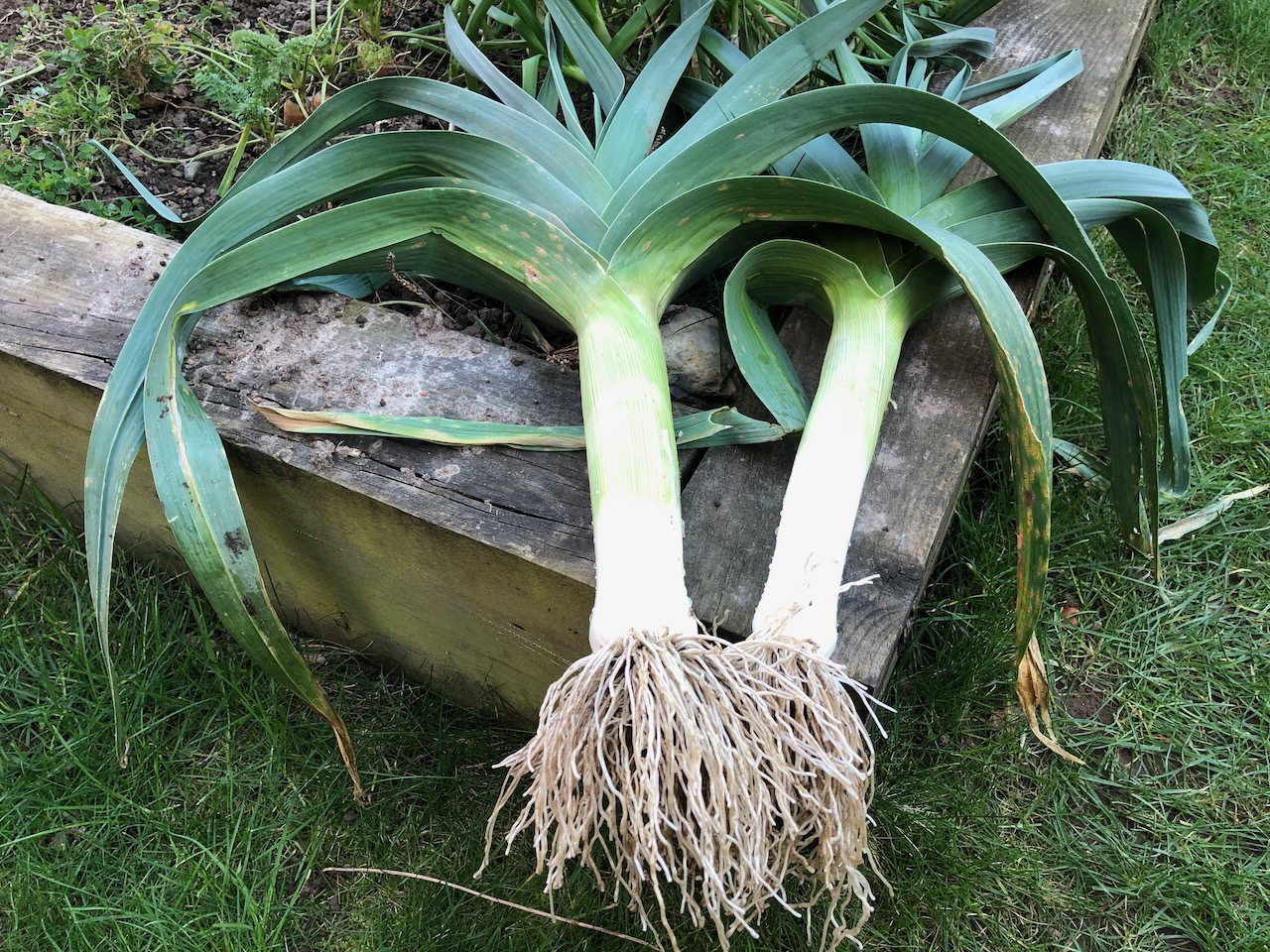
And a couple of things I dug up from my garden recently, which were most excellent. Looking forward to planting more vegetables this year, especially with supermarket shortages and prices going up.
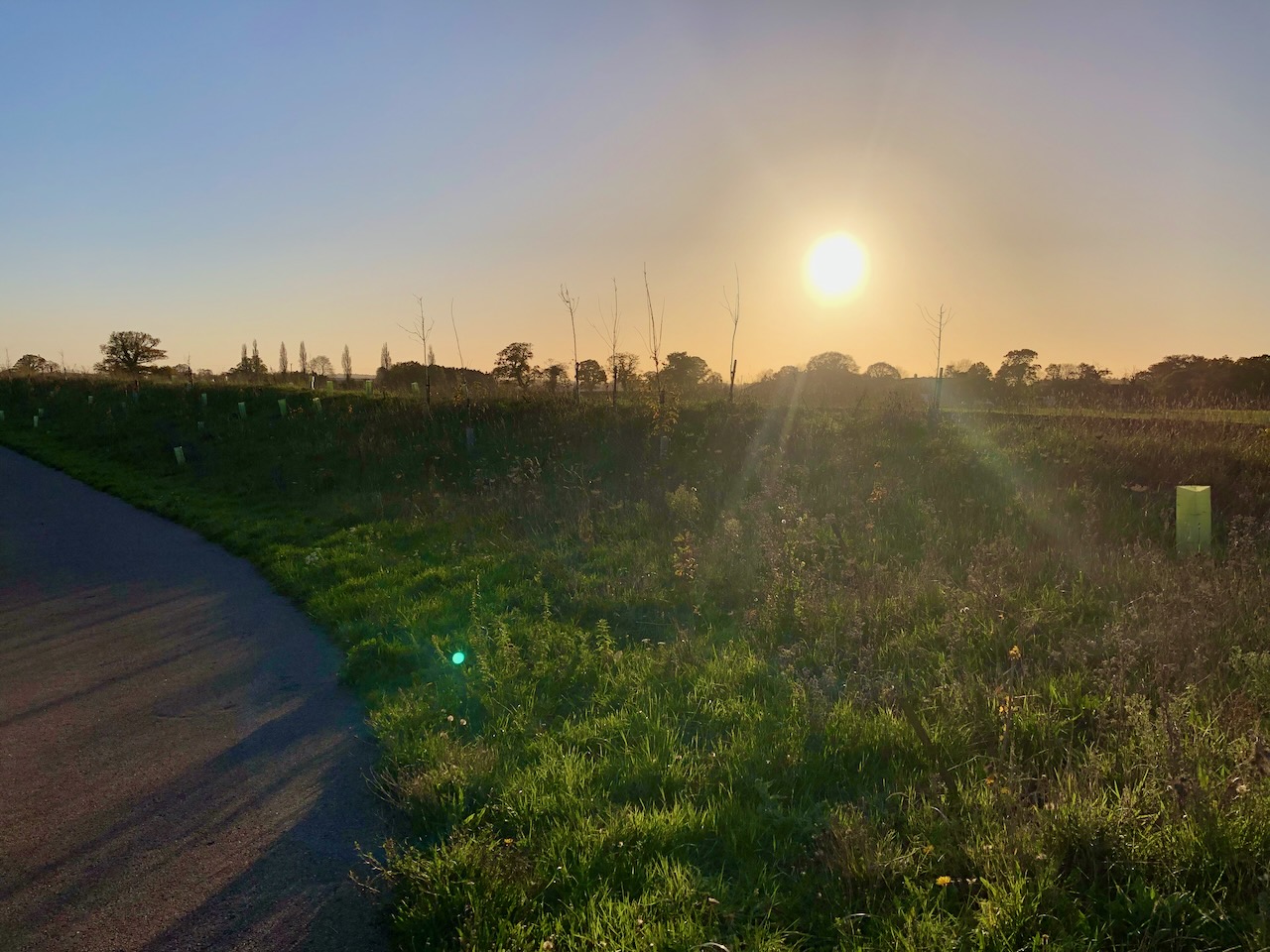
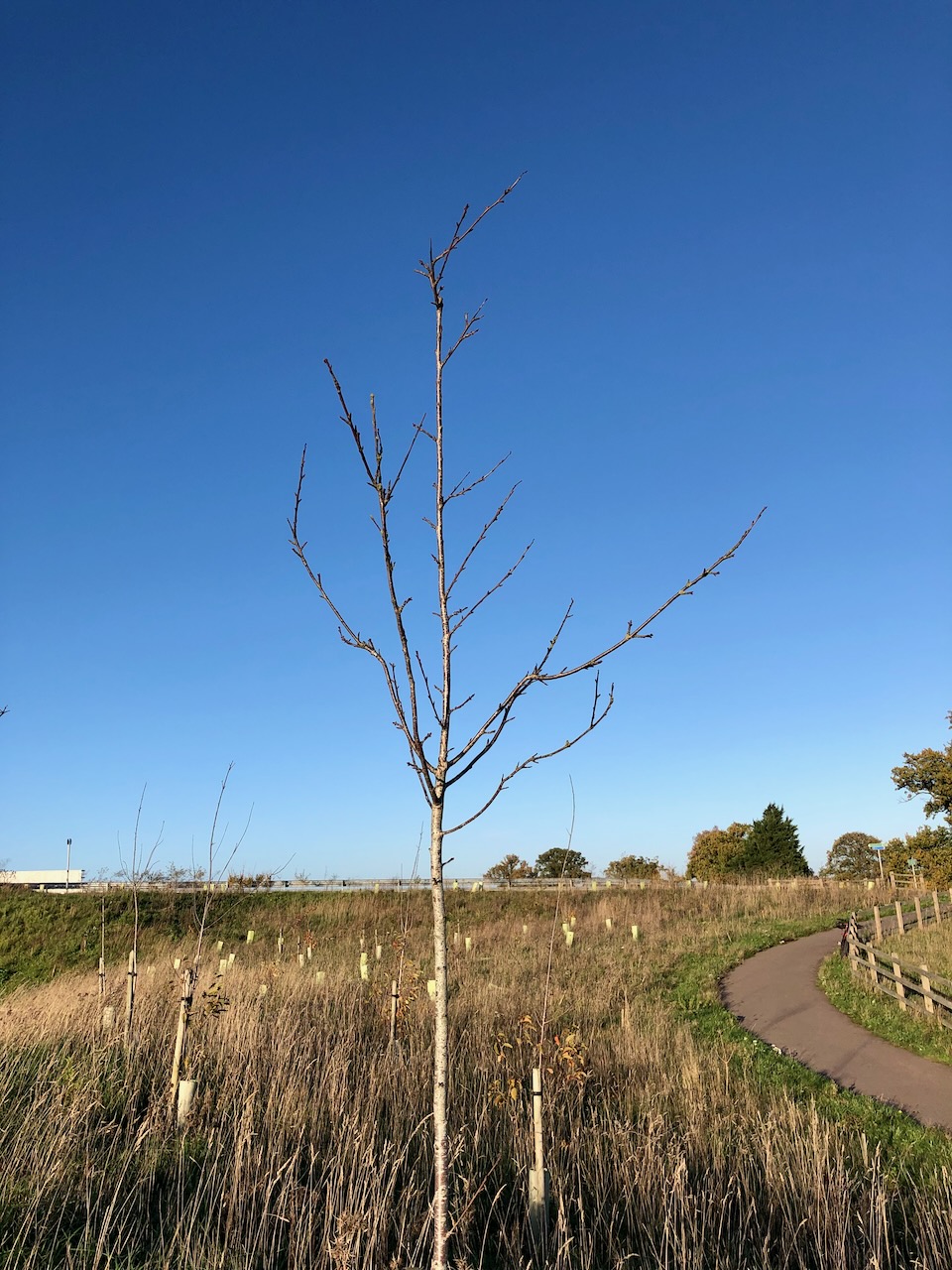
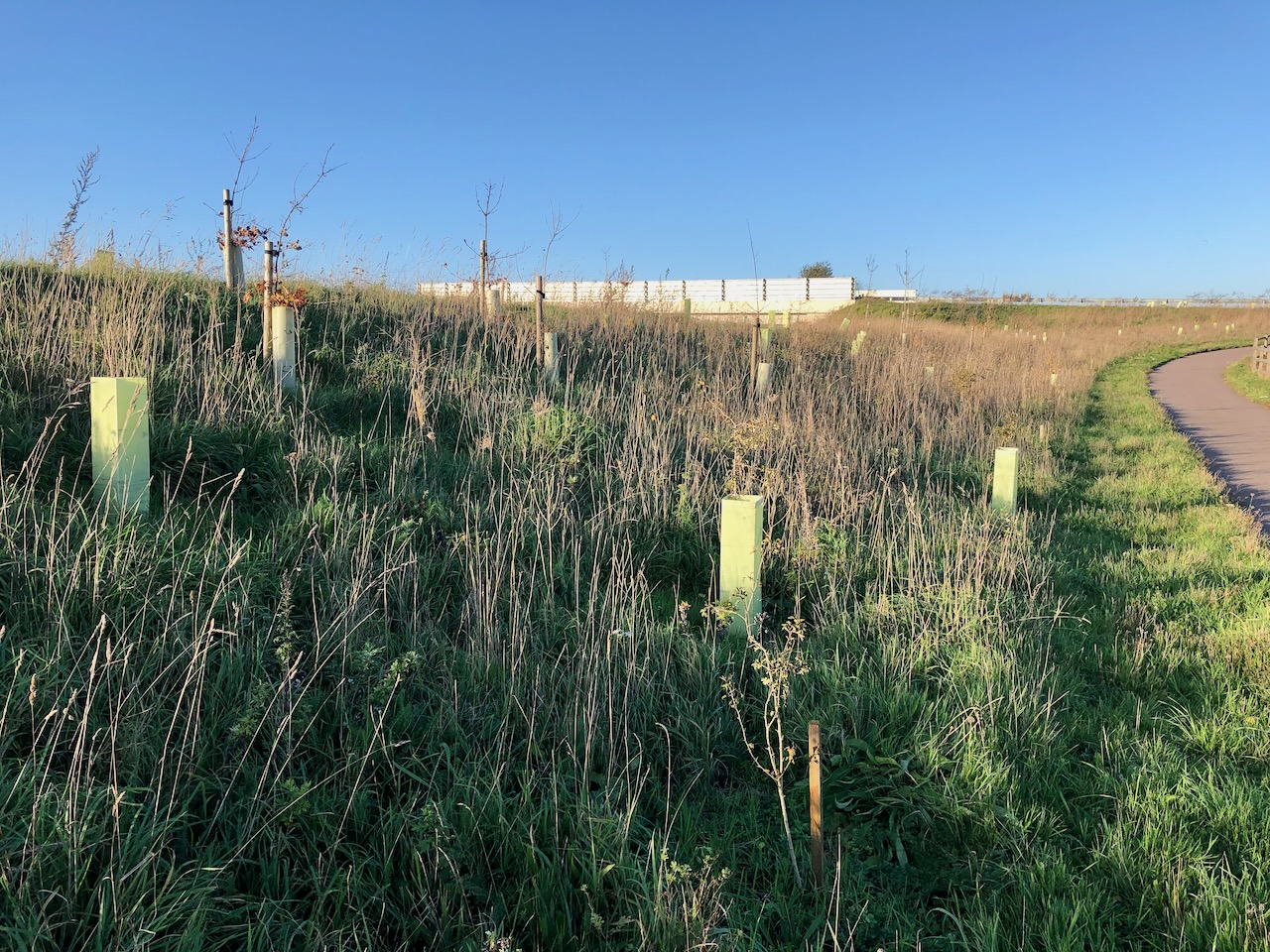
Today was one of those glorious Autumn days, cold and bright, with a lovely fresh smell in the air. For a while now I’ve been wondering how many trees the council planted alongside the new dual carriageway near me have actually survived, so I thought I go take a look. Short answer from the small survey of 216 trees on one particular stretch: 16% have died.
Sun low at this time of yearCherry Tree reaching for the skyTree survey alongside the NDRTree ID in progress
The Northern Distributor Road (NDR) has been open for a few years now, and had lots of trees planted alongside it to try to restore the damage done by the road. We’re supposed to call it the Broadland Northway now; I think this is probably an effort by Norfolk County Council to disguise the fact that its purpose is to open up the countryside to more development, distributing traffic to new parts of the county.
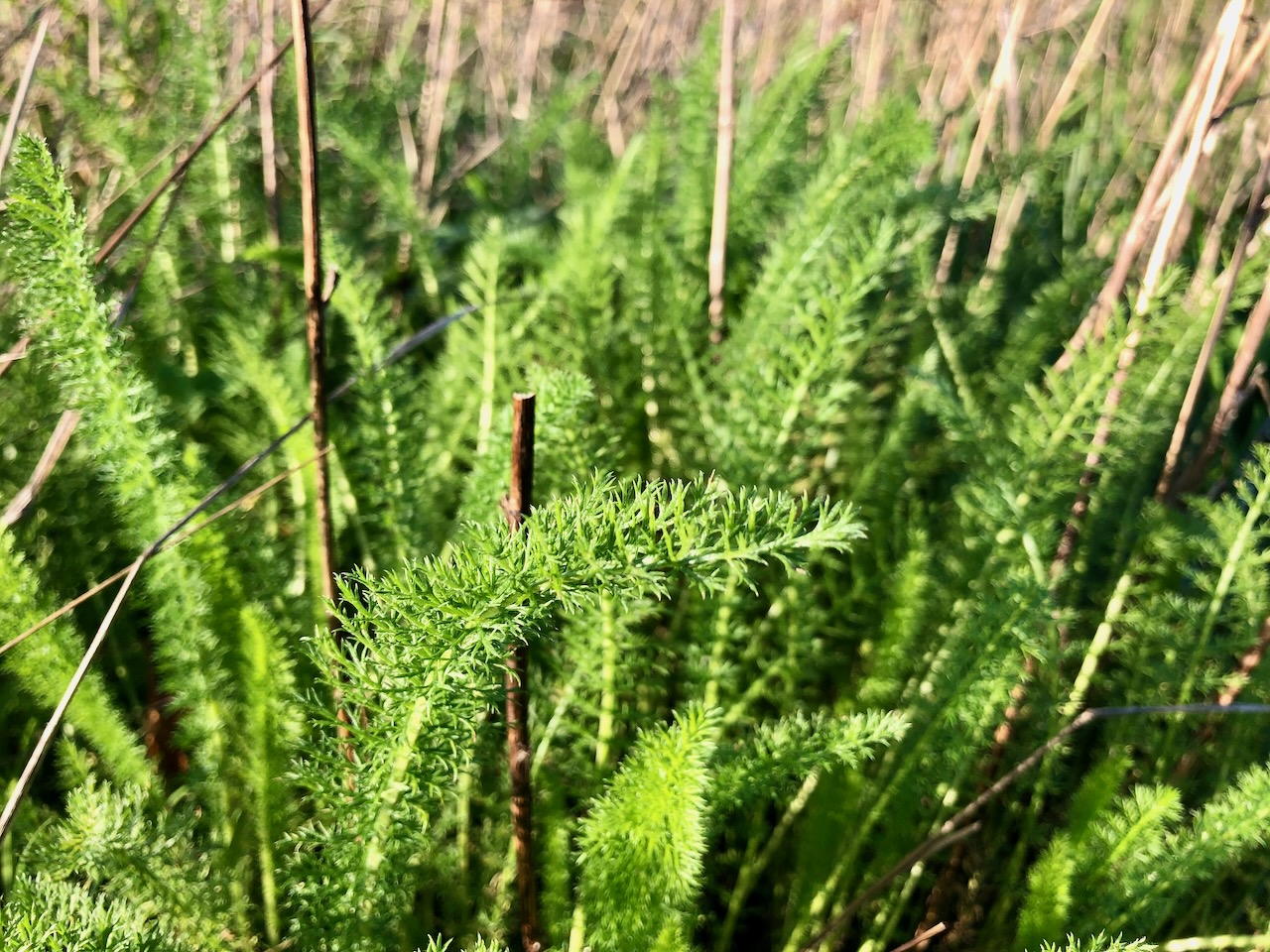
Unfortunately, many of the trees planted have died due to the extreme weather we’ve been having. It’s just been too hot and dry, and they haven’t been watered sufficiently. A plethora of plastic tree guards now stand empty in many places, grave markers for the saplings that have sadly perished. It was good to see so many other plants growing in the verge alongside the road, however I’m sure Yarrow shouldn’t be flowering at this time of year; I guess that’s because of how warm it’s been.
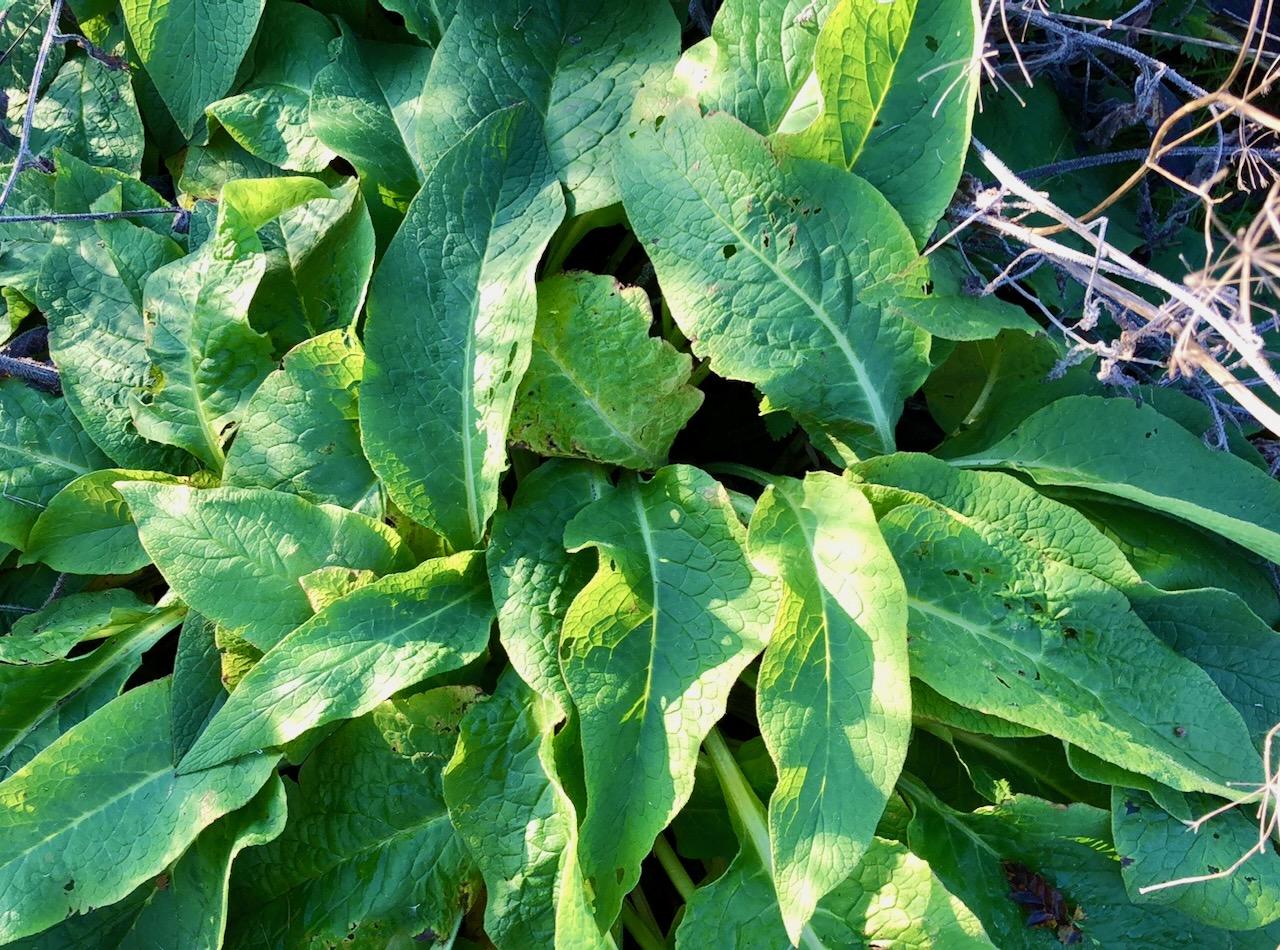
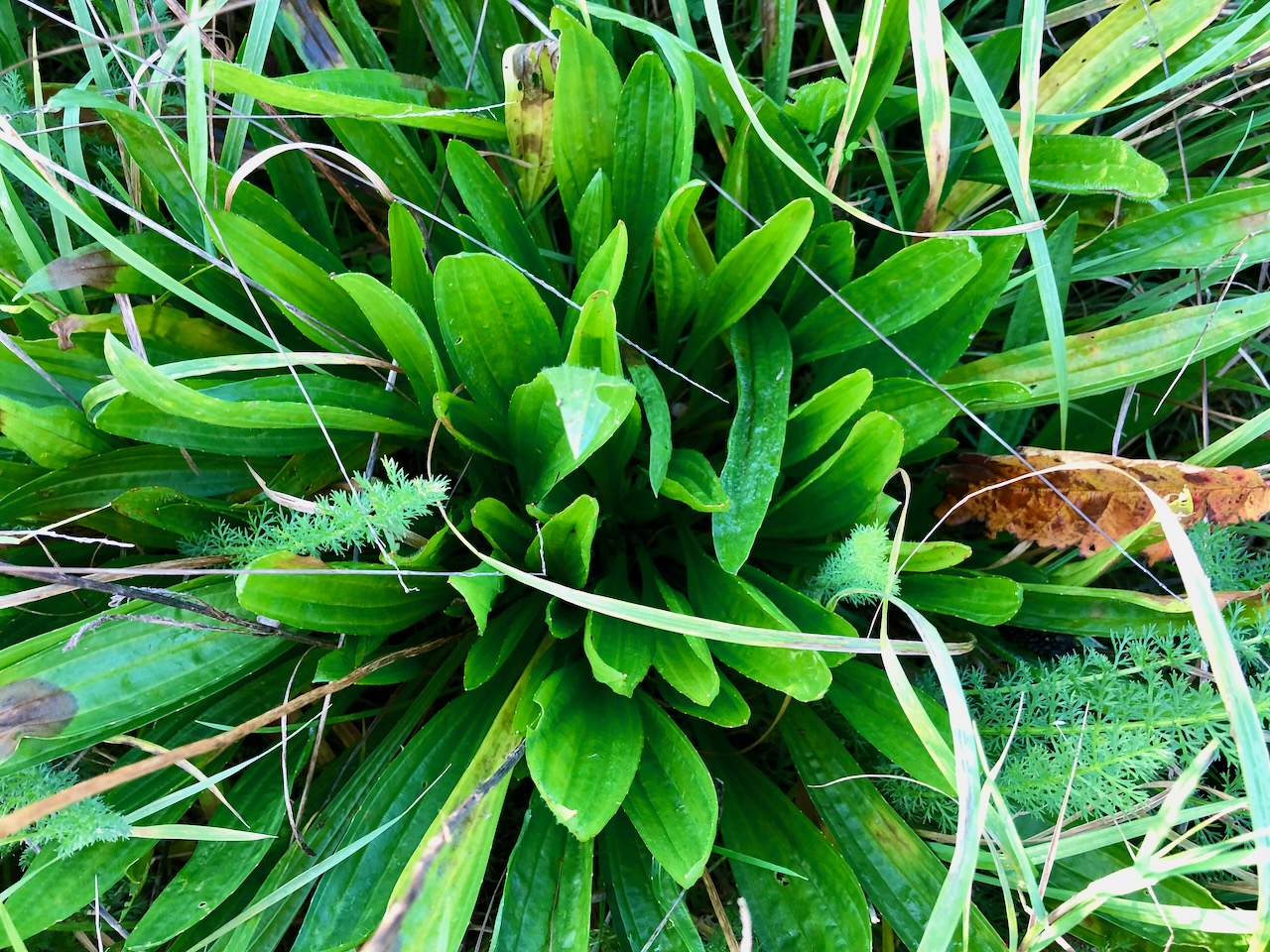
ComfreyRibwort Plantain – Plantago lanceolataYarrow – good medicineYarrow still flowering
My plant ID skills aren’t brilliant, but I saw Comfrey, Yarrow, Ribwort and Greater Plantain, as well as thistles, Red Campion, Hogweed, Common Mugwort in abundance, Oxeye Daisies and Buttercups. There were loads of other species however I’ll have to take along a guide to ID them next time. Roadside verges can contain lots of biodiversity, I’ve seen hares feeding alongside the cycle path, kestrels hunting, and lots of insects in the summer. However, I don’t think the verges really make up for the swathe of destruction caused when the road was built.
Today was an exploratory visit. I counted trees on a hundred metre stretch not far from the Plumsteads, noting down species as well as dead or missing trees. I concentrated on the eastern side of the bank built up next to the dual carriageway, which is more shaded. The western side looked to have more empty tree guards, however it’ll need a return visit to confirm this. Results of this initial exploratory survey below.
Species
Count
Pecentage
Dead/missing
35
16.20%
Hawthorn
49
22.69%
Field Maple
56
25.93%
Oak (English)
23
10.65%
Dog Rose
7
3.24%
Cherry
7
3.24%
Dogwood
6
2.78%
Apple
3
1.39%
Blackthorn
26
12.04%
Spindle
4
1.85%
Total
216
TREE SURVEY 25 NOV 2022
Here’s a pie chart of the results.
Field Maple came our top, followed by Hawthorn, however it was good to see other species mixed in such as Cherry, Spindle, a good number of English Oaks, Dogwood and Blackthorn. Lots of good species for wildlife to use. Unfortunately 16% of the tree guards were either standing empty, or had dead saplings inside them. I suspect the percentage is in fact a bit higher than this as some tree guards have either been removed or have blown away. I think the western side of the bank will have a bigger percentage of dead trees, and I know other stretches have been impacted to a greater or lesser degree. I’ll have to get out and do other surveys in different locations.
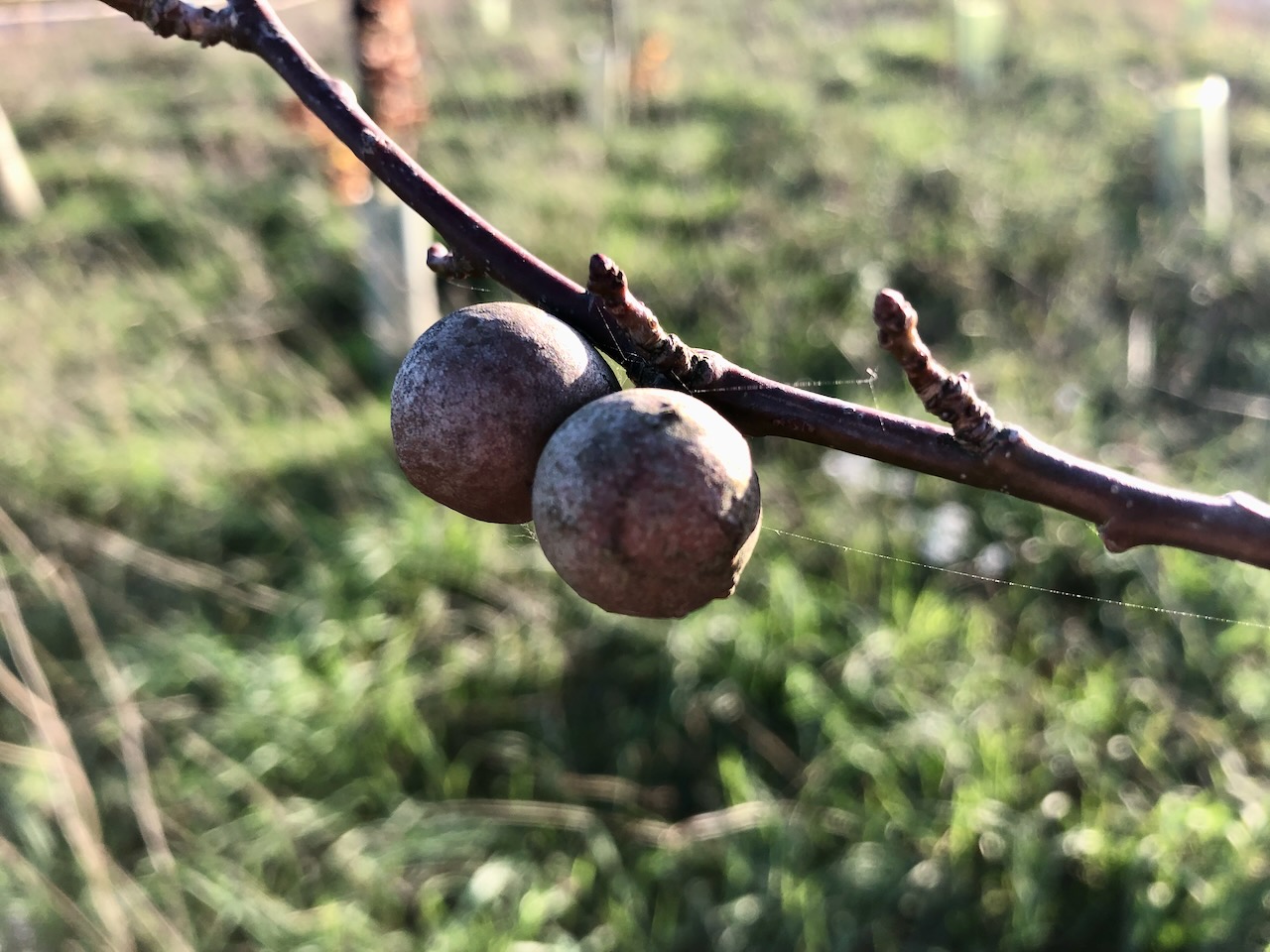
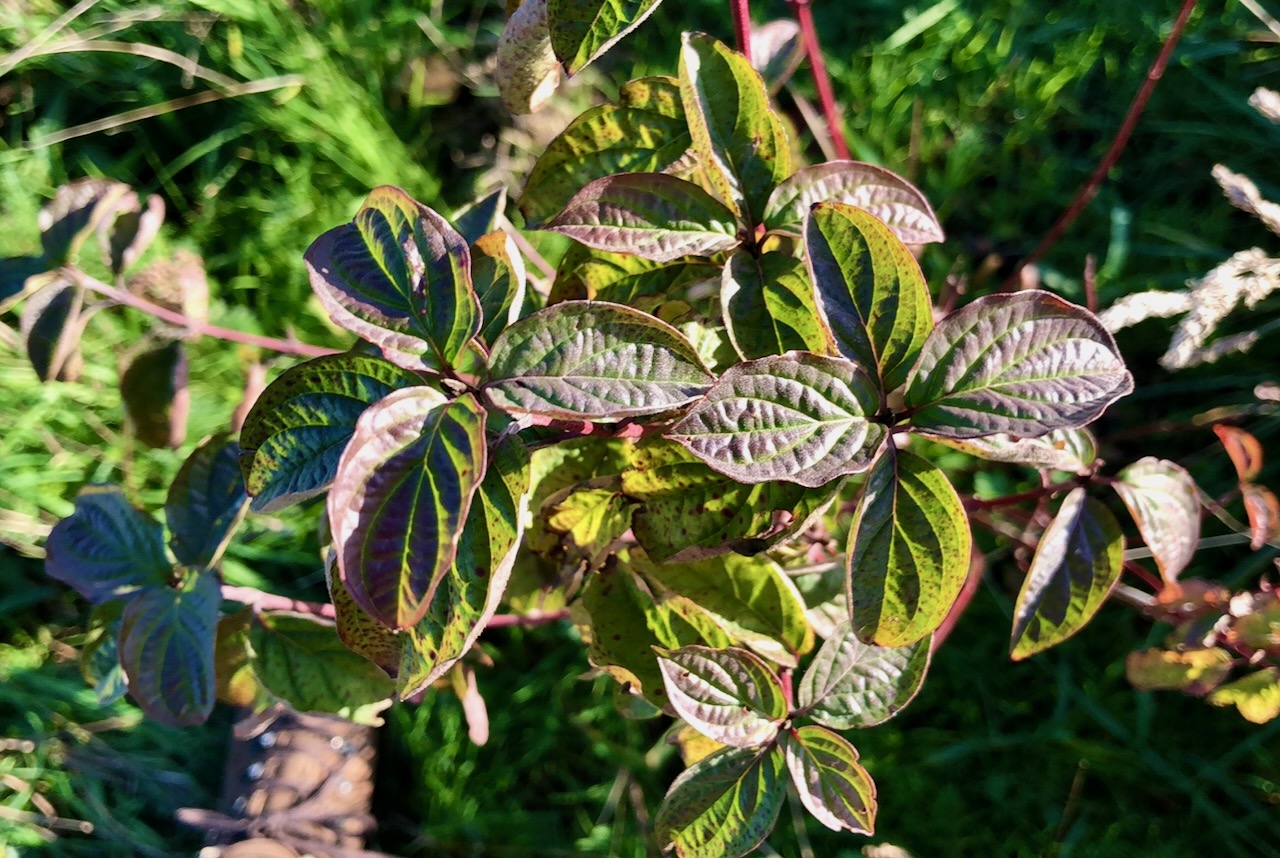
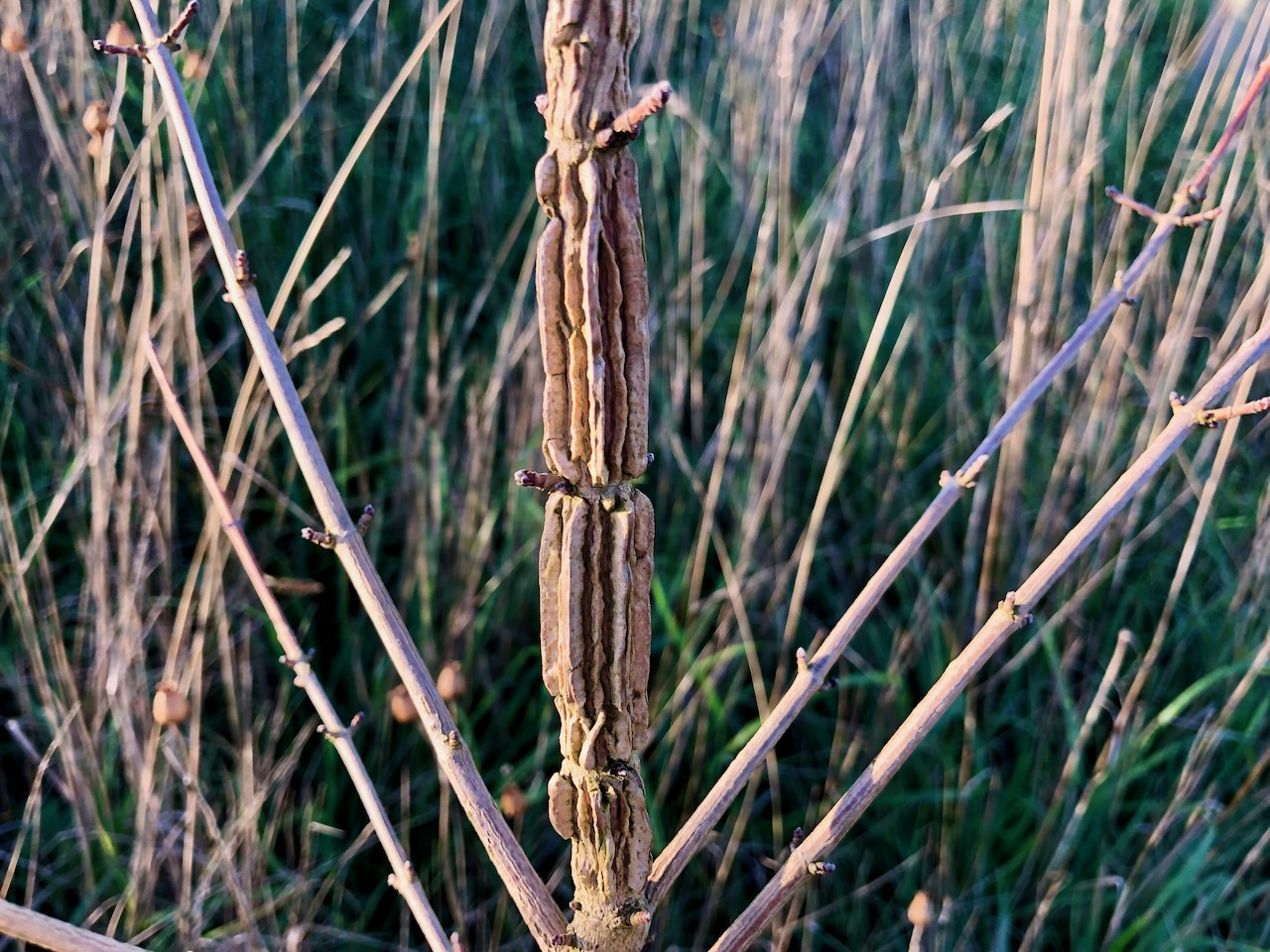
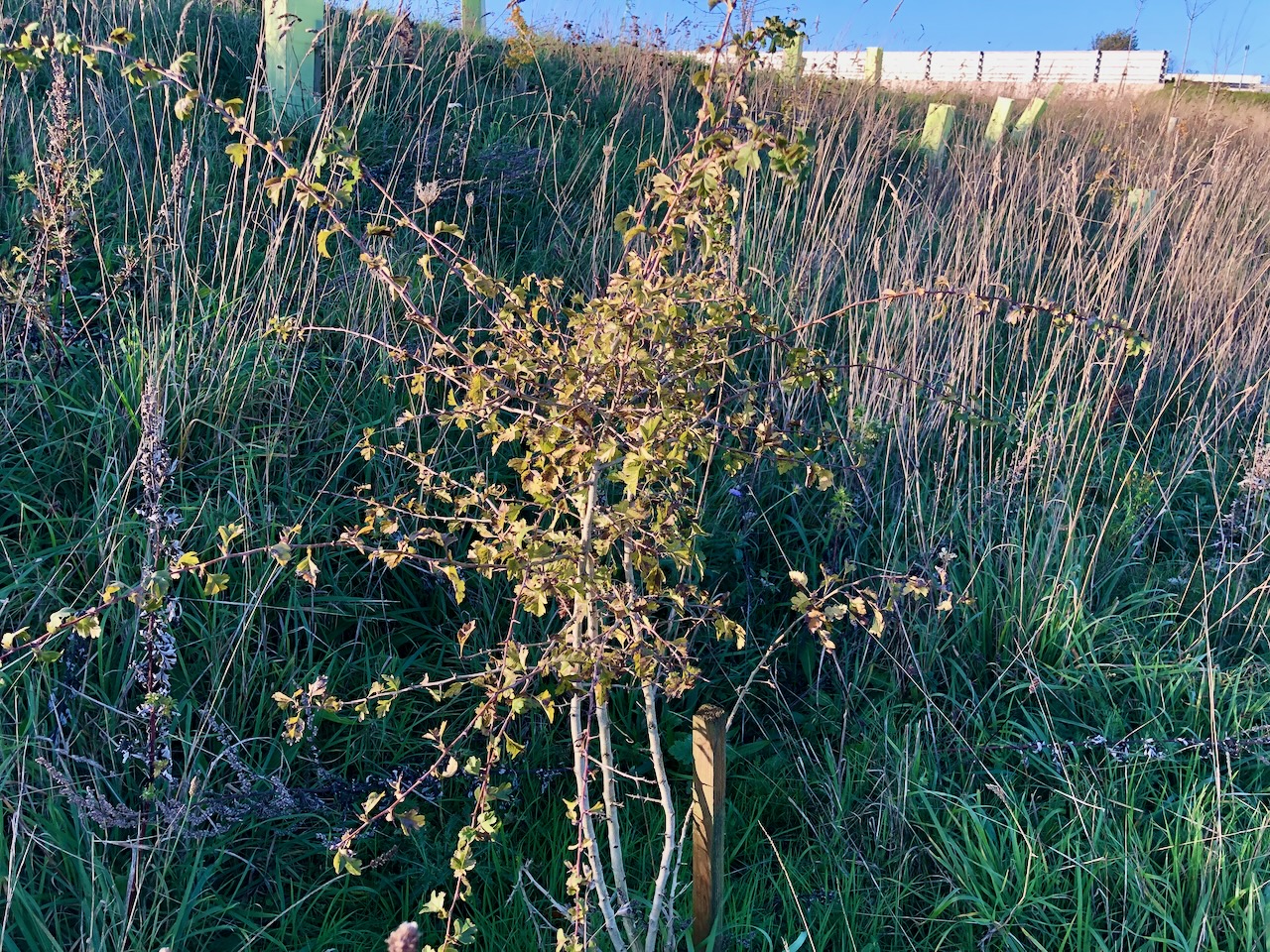
Oak Apples (galls)Dogwood – Cornus sanguineaField Maple bark – crocodile skinHawthorn – Crataegus monogyna
I believe around 6,000 trees were cut down to build the NDR, a road that cost £205m to build. It was reported in October last year that around 3,500 of the trees planted to replace those lost when the road was built have died. Norfolk County Council pledged to plant 5 trees for every 1 they cut down, 30,000 in total. They must be a long way off this target, especially as many more trees and shrubs, lots of them replacement replacements, perished during the heatwave this summer.
It’s frustrating that Norfolk County Council think you can just replace mature trees and habitat, destroyed to make way for road building, with saplings that will take decades to do anything meaningful in terms of carbon sequestration. It will also take centuries for the soil to recover, species to translocate, and for any sort of mature woodland landscape to settle back in. The Council are planning the same with the Northern Distributor Road; it just doesn’t add up when we’re in a climate and ecological emergency, not to mention the impact it has on local communities, flood mitigation, and local wildlife. It’s also frustrating to see so many empty plastic tree guards littering parts of the landscape next to the NDR.
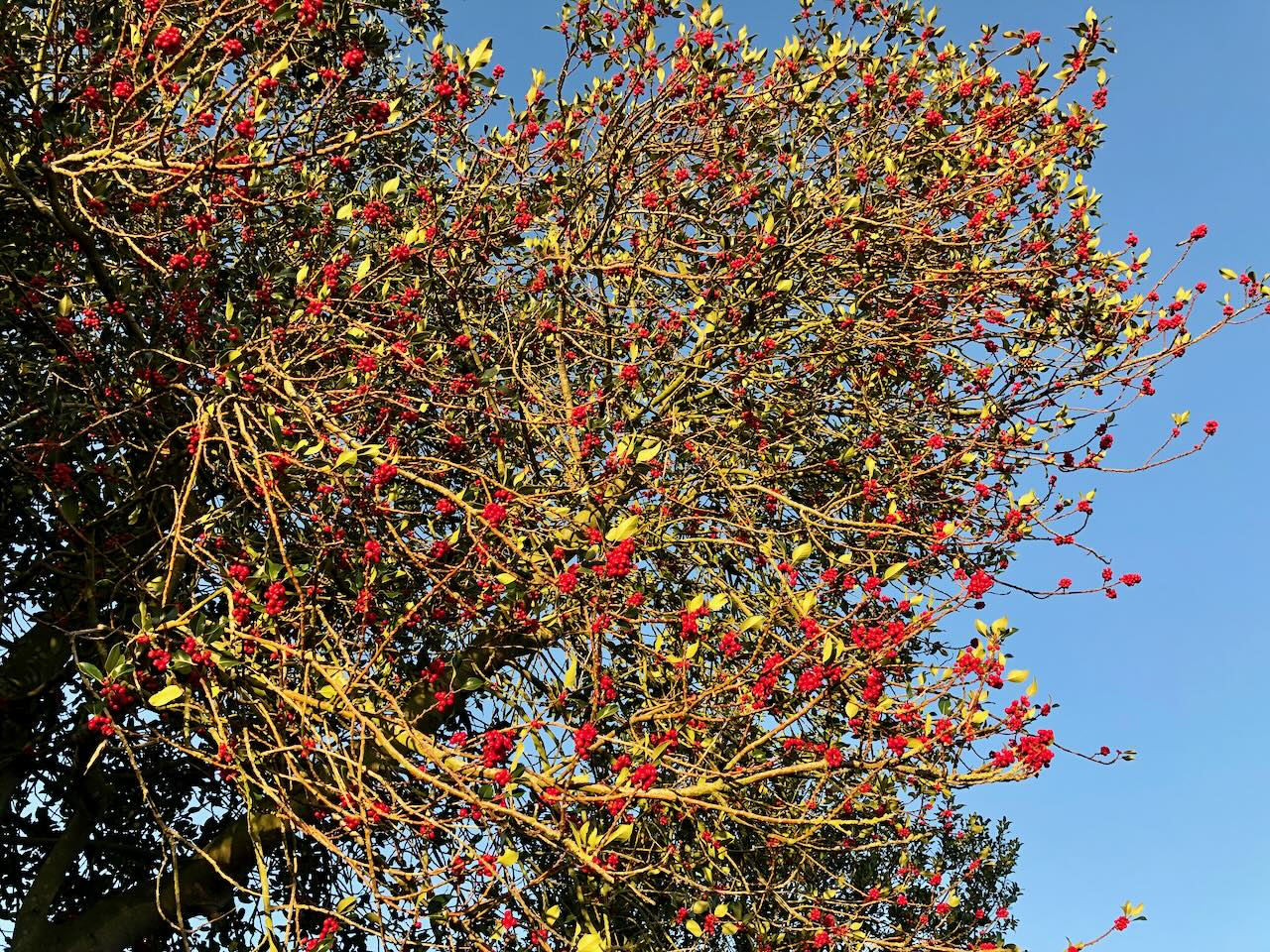
Holly berries aboundMe next to NDR drainage pondEmpty plastic tree guards
I hope to get out for further surveys over the coming weeks so I can report back findings to Broadland Green Party, who will be able to raise this with Broadland District Council. Tree ID gets a bit trickier as they lose their leaves, so I’ll have to put my winter buds knowledge to use.
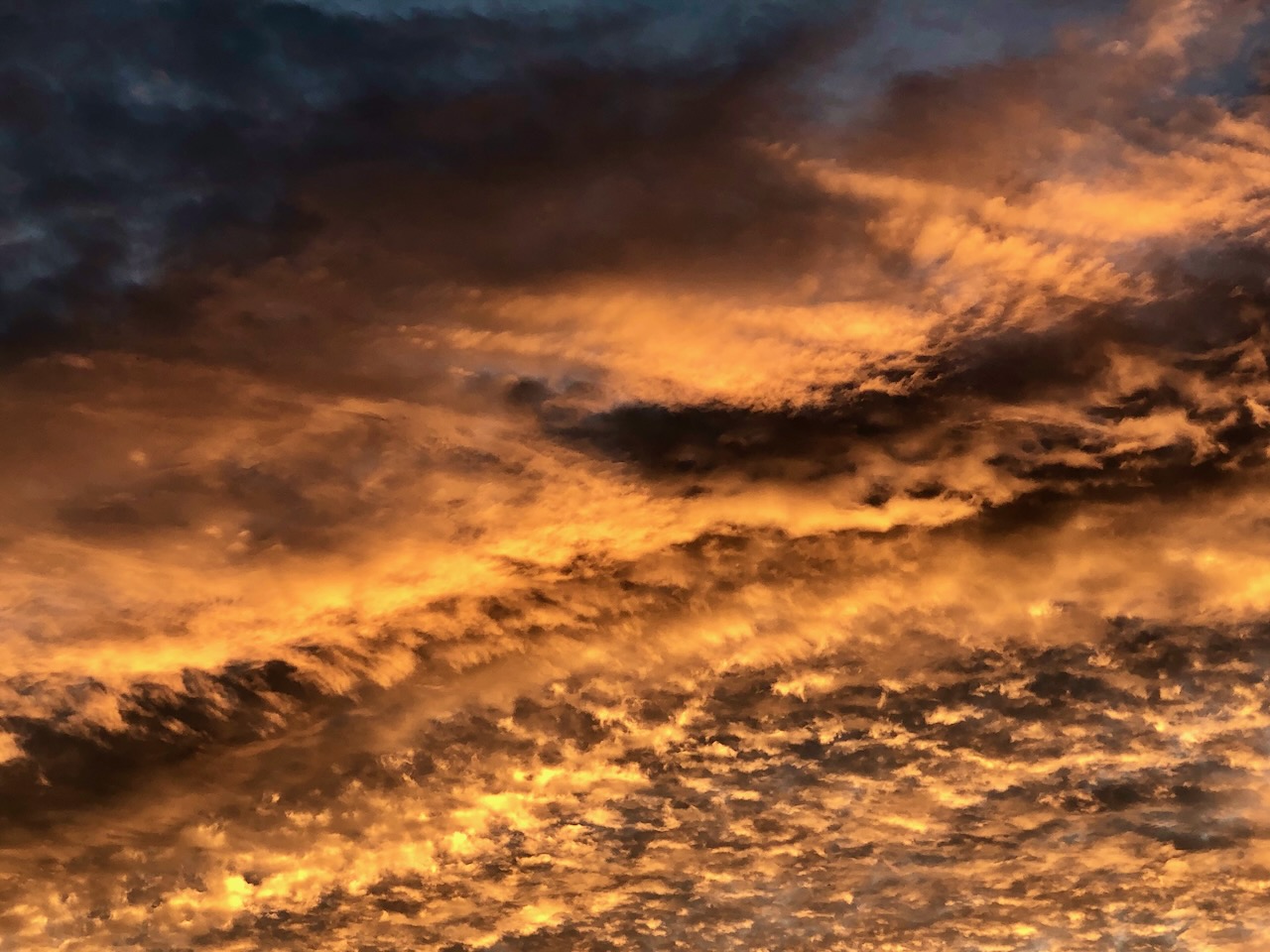
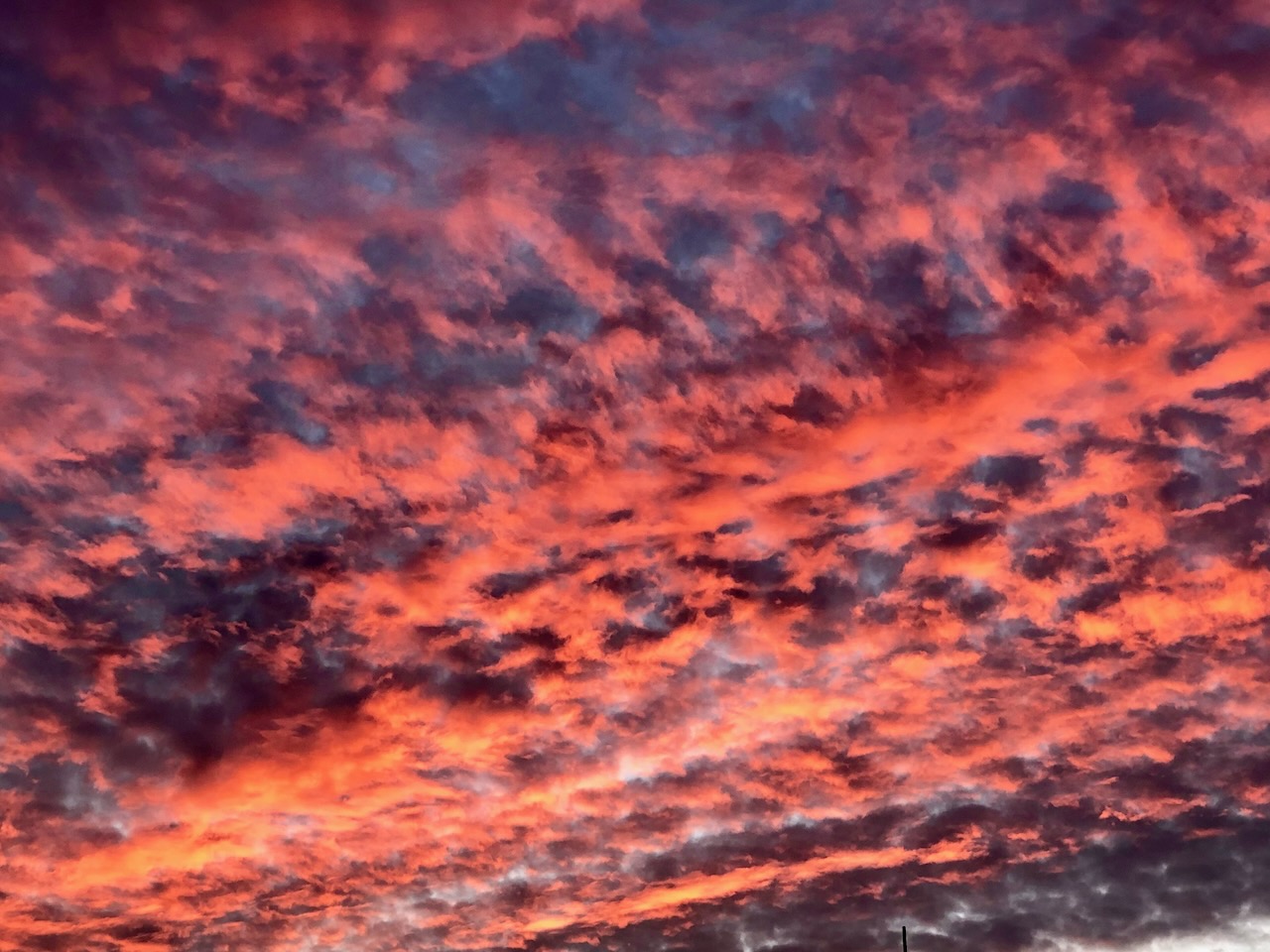
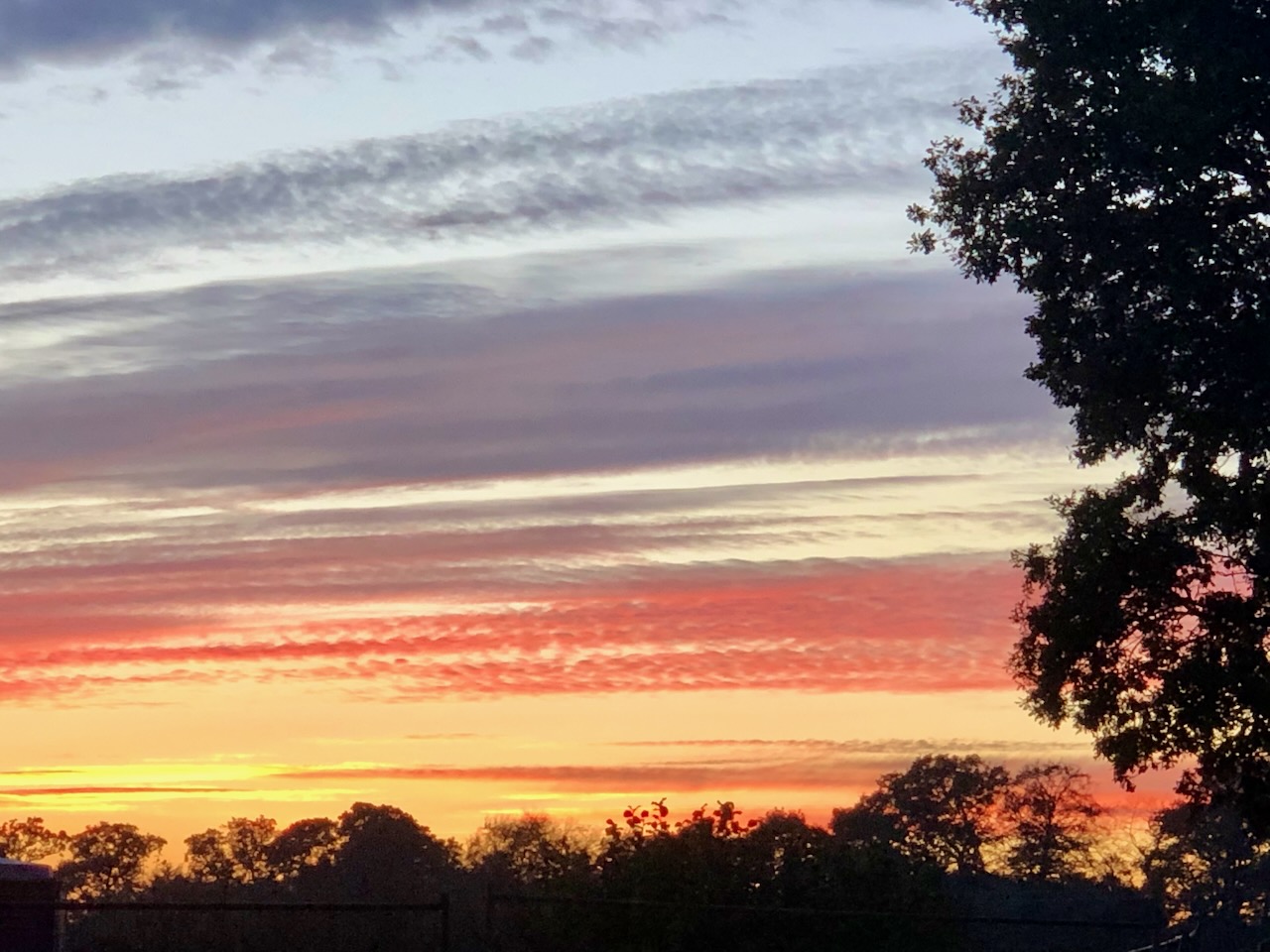
No pictures of Gideon on this blog post I’m afraid, he’s hiding somewhere after having an argument with one of the neighbour’s cats. I’ll leave you with some pictures of a glorious Norfolk sunset from the other evening.
Sunset 1 – all a bit yellowSunset 2Sunset 3 – redSunset 4 – owls are out
Happy Halloween to one and all. The thing that scares me most this Halloween is how hot it is for October. Doesn’t bode well for more extreme weather events, and what it could be like next Spring/Summer. It’s terrifying how little the Government is doing about reducing greenhouse gas emissions. Just lies and false accounting. Sunak won’t even go to COP27. Meanwhile temperatures are forever creeping up and up.
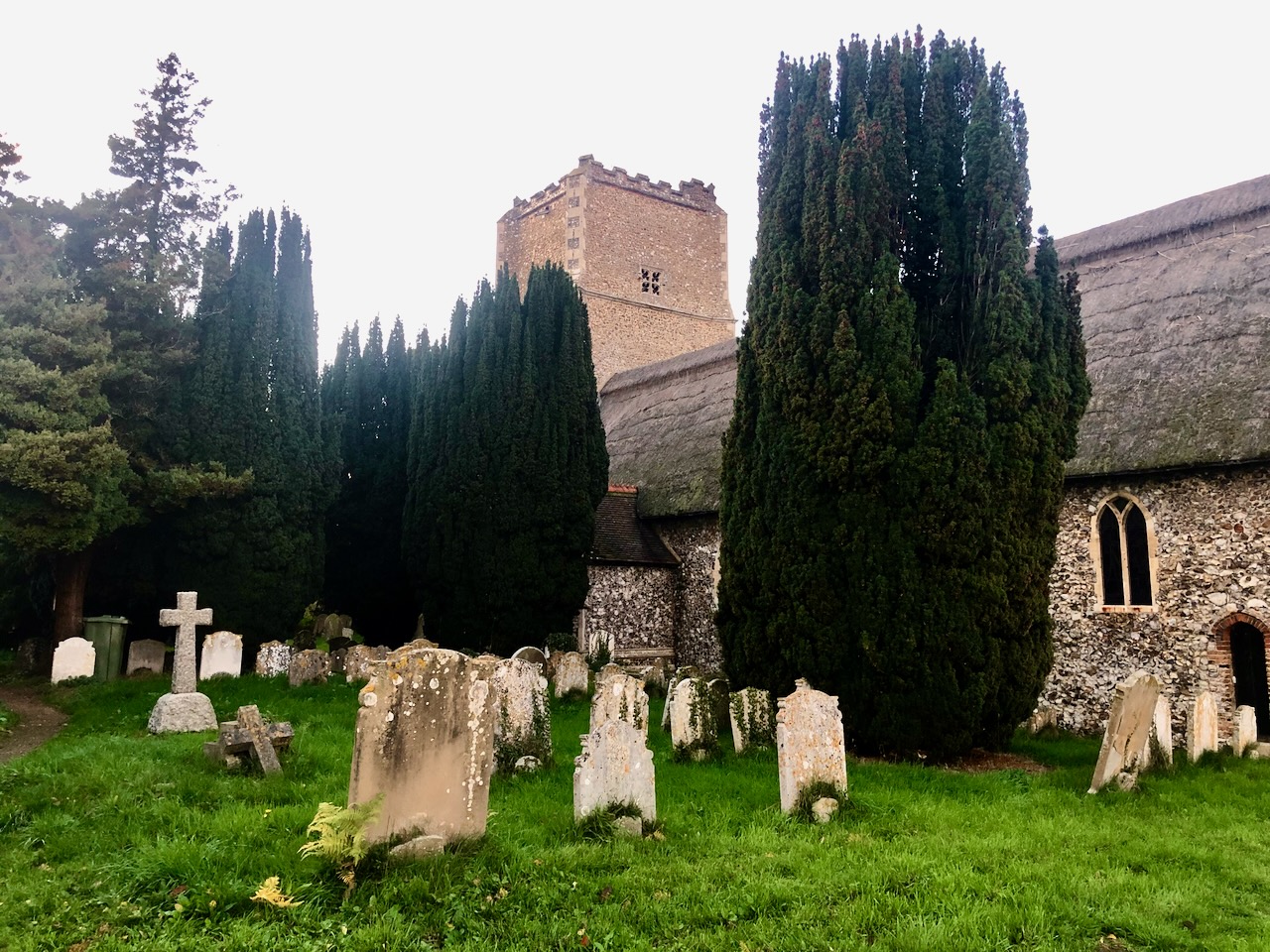
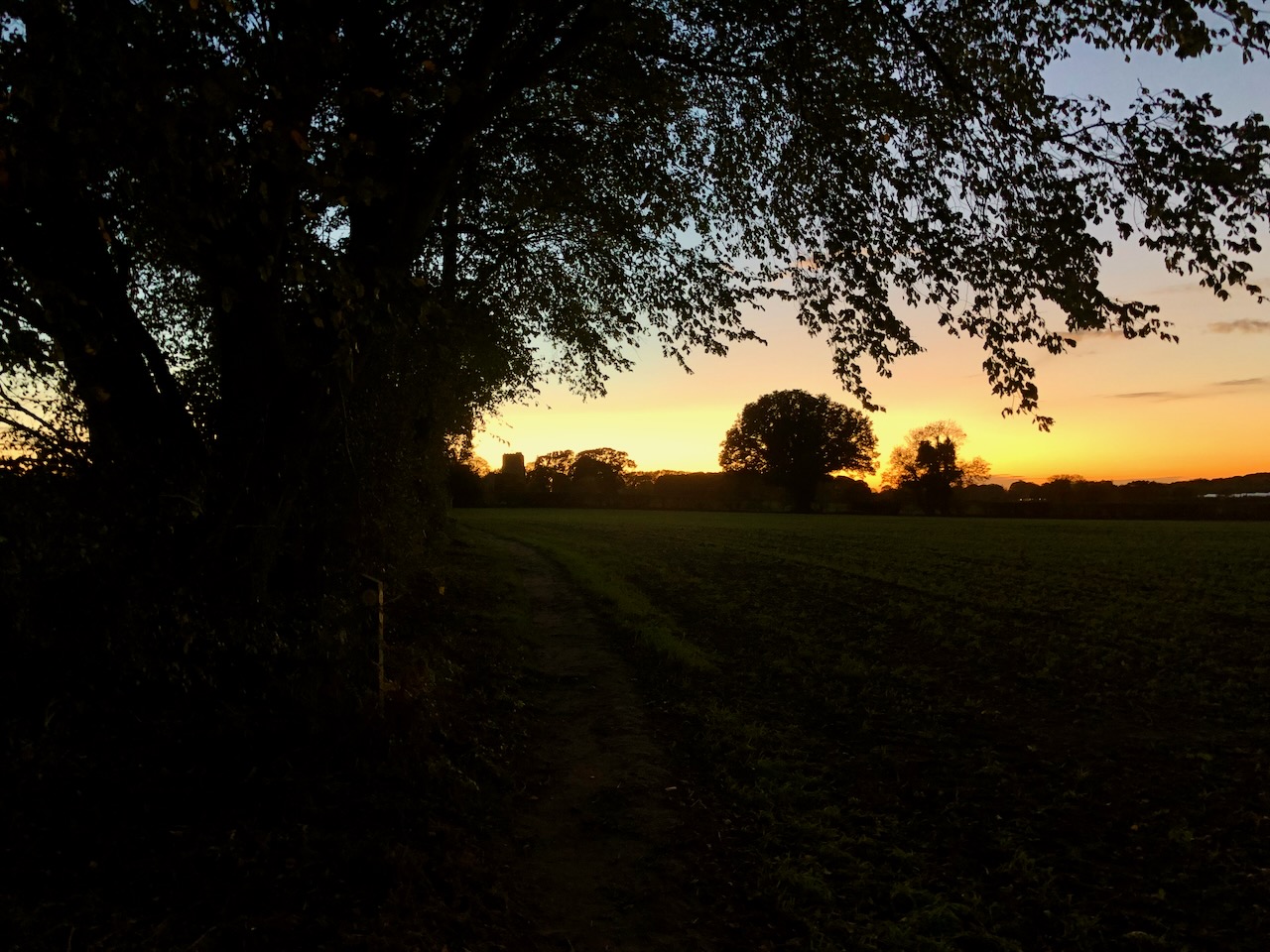
Before I get on to my wanderings in the Wensum Valley yesterday, I went for a dusk walk round Salhouse on Friday evening, mildly spooky, and weird to be walking around in just a t-shirt.
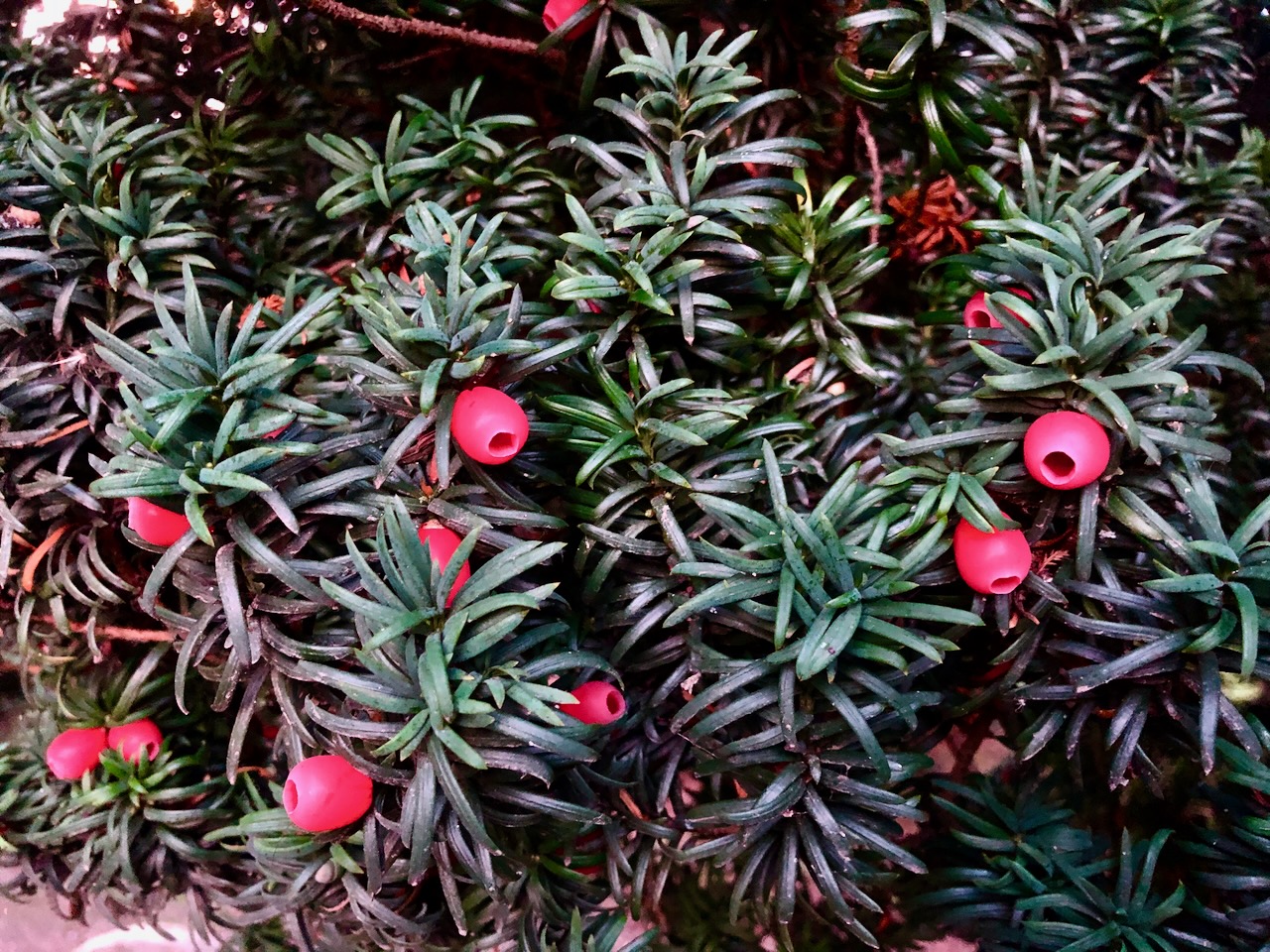
I love Salhouse Church and the Yew Trees around it. They are covered in berries this year, best not to eat them though. The big skies of Norfolk also offer some great sunsets and night skies.
On to the Wensum Valley where I went for a long walk yesterday. Has to be said it was quite damp, but it’s always regenerative to be in such a special place. I meandered round some of the areas that will be destroyed if the planned Western Link road goes ahead, ploughing through wetland, areas of ancient woodland, and very rare chalk stream habitat. This diverse and ancient landscape, the last green corridor into Norwich, needs to be protected. There’s an endangered super-colony of Barbastelle Bats that make their home there; might be the only super-colony of its sort in the UK.
I made a short film of my visit. The sound of the River Wensum babbling it’s way to Norwich was very calming. There was also a guest pig appearance.
Norfolk County Council are championing the link road, which will compromise the rare chalk stream habitat and the species that live there, as well as increase carbon emissions and pollution. It will also open the countryside up to yet more development. Surely public money should instead be spent on public and active transport, and to help people with the cost of living crisis. Norfolk County Council really need to move with the times and get over their addiction to road building and unsustainable growth.
On the longest day of the year Silent Sentinels stood vigil in the Wensum Valley as part of the Stop the Western Link Road campaign.
Sentinels stood vigil from dawn til dusk, immersing themselves in the landscape with reverence and love, whilst observing the destructive drilling that has already started. This is a short film I made of the day.
Norfolk County Council are championing this link road, which will destroy rare chalk stream habitat and species, increase carbon emissions and pollution, and open the countryside up to yet more development. Invest instead in public and active transport, and help people with the cost of living crisis.
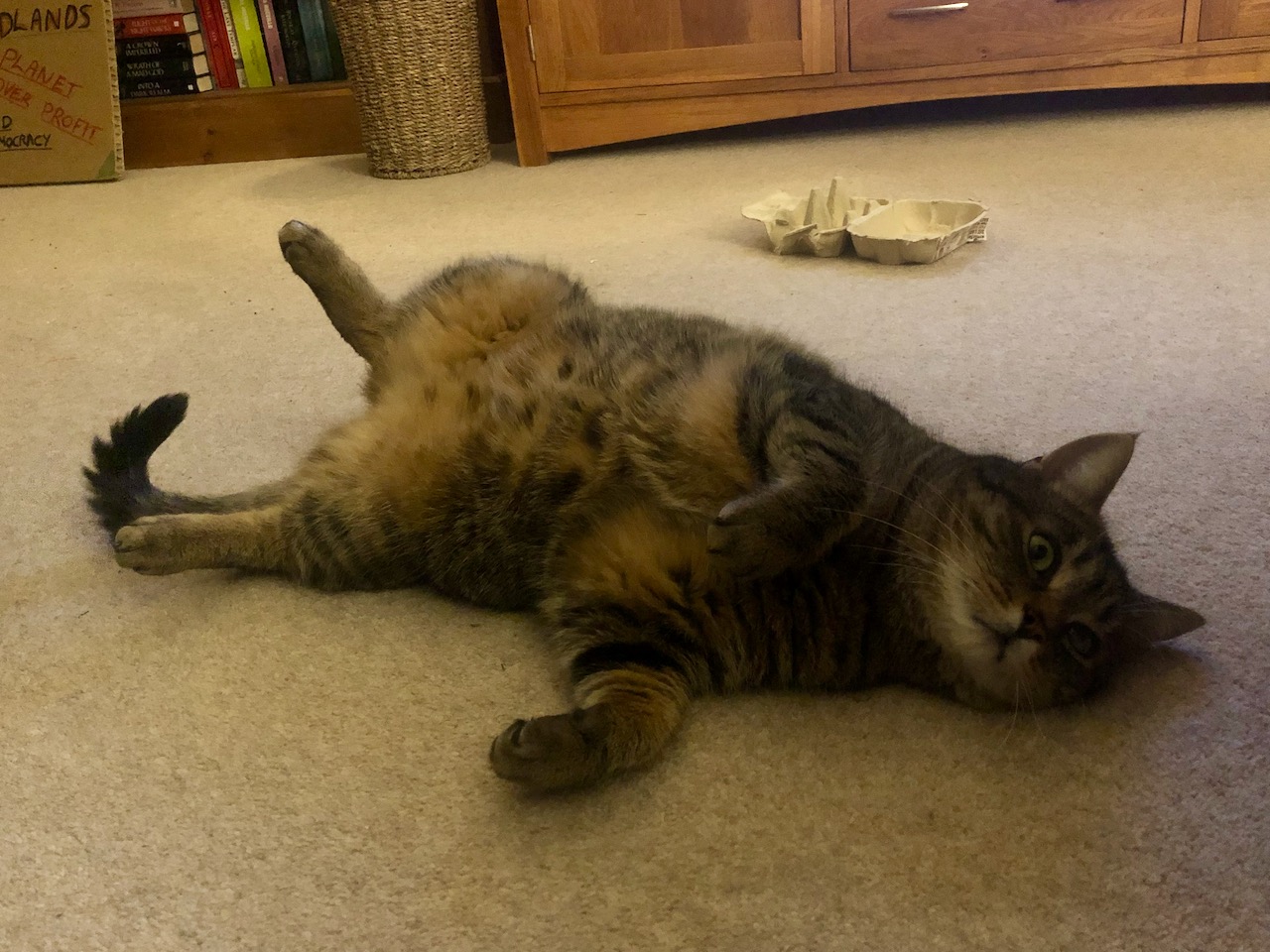
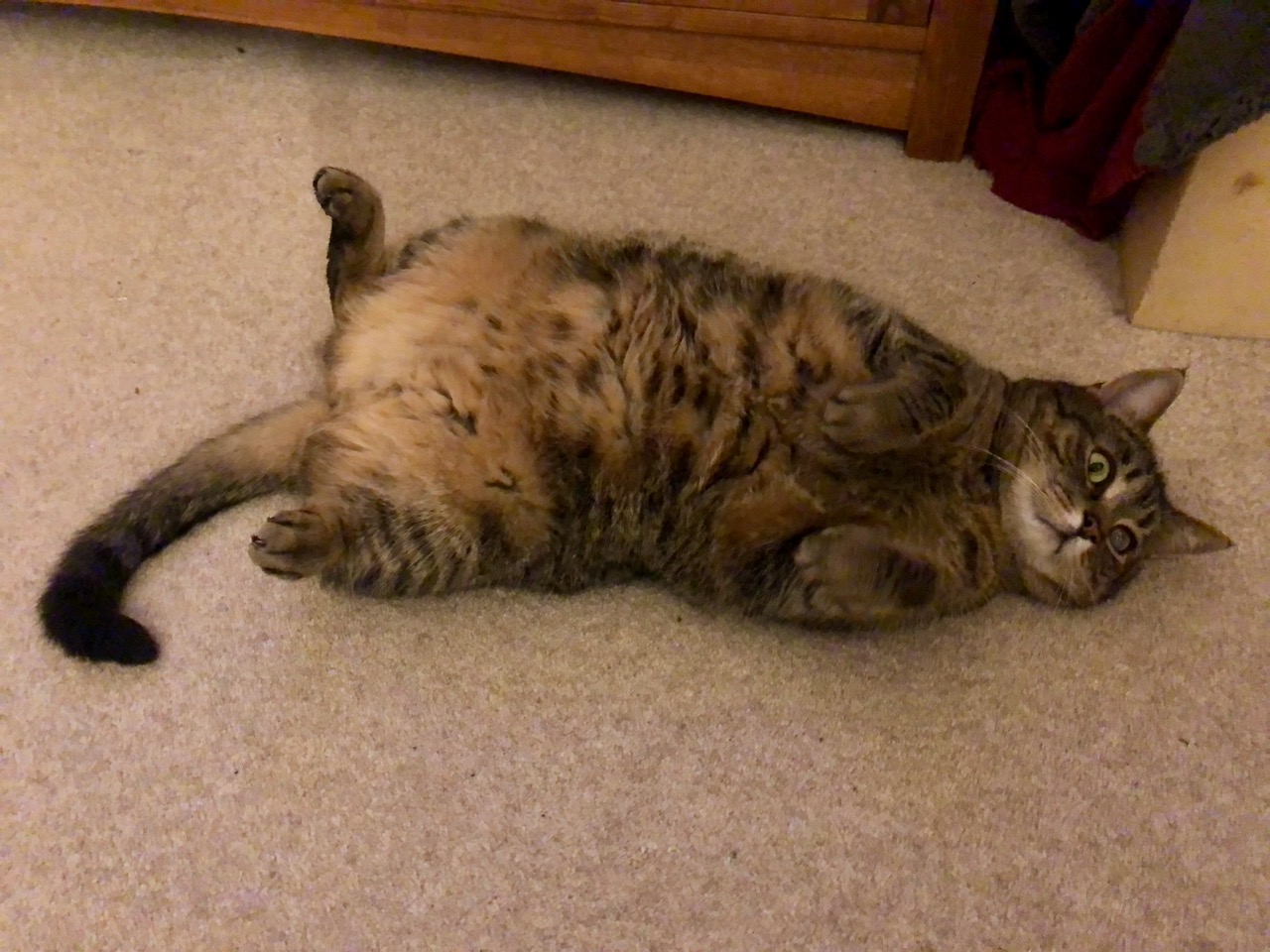
The title of this blog post might end up being slightly misleading, that remains to be seen. I’m not entirely sure where it’s gonna go. Best if I start off with some pictures of Gideon, in reclining mode.
Gideon with egg boxGideon – it’s a Trap!
The egg box is currently one of his favourite things. He sometimes sleeps on it, which looks very uncomfortable if you ask me. He is very ‘playful’ at the moment, just this morning ambushing me from behind the sofa and savaging my leg; note to self, shorts not always a good idea.
Newsflash just in from BBC – ‘Met police chef Cressida Dick to step down’. Earlier today she said she had no intention of stepping down, so the writing was on the wall really. Maybe now they can appoint someone who will really sort out the institutional racism and misogyny within the police force. I did say I didn’t know where this blog post was going to go didn’t I?
There have been some beautiful sunsets in Norfolk recently. It’s been nice taking a break from work to go and watch them. This one was particularly startling, with an amazing sequence of colours over the course of a few minutes.
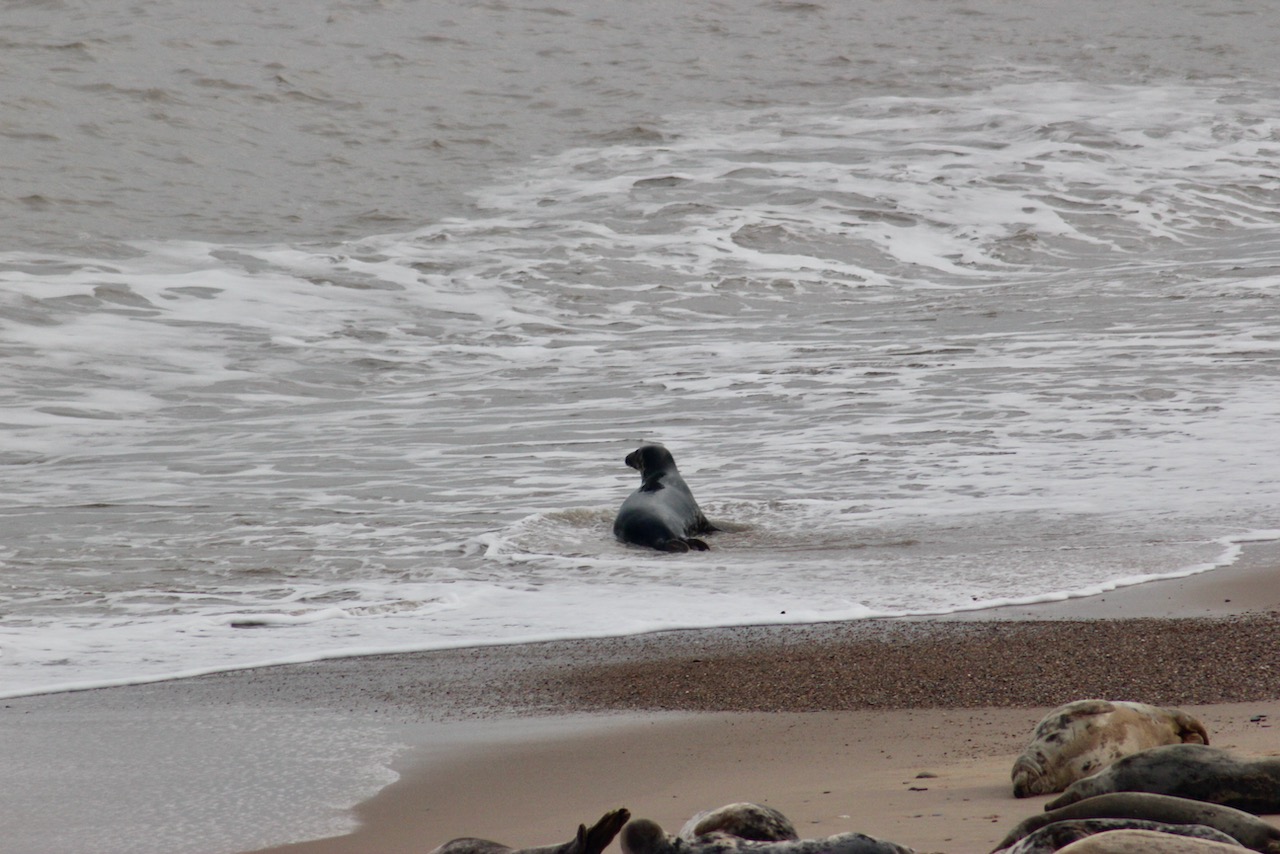
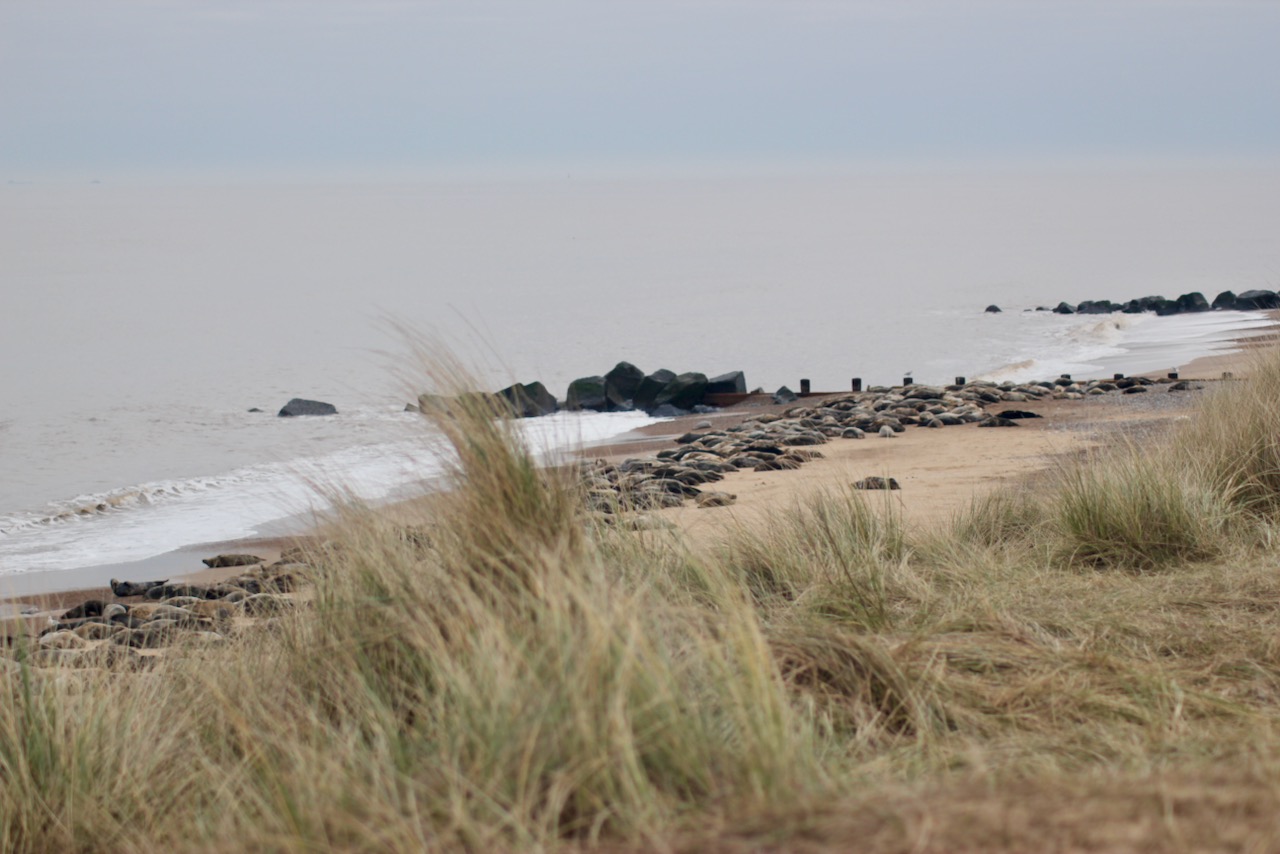
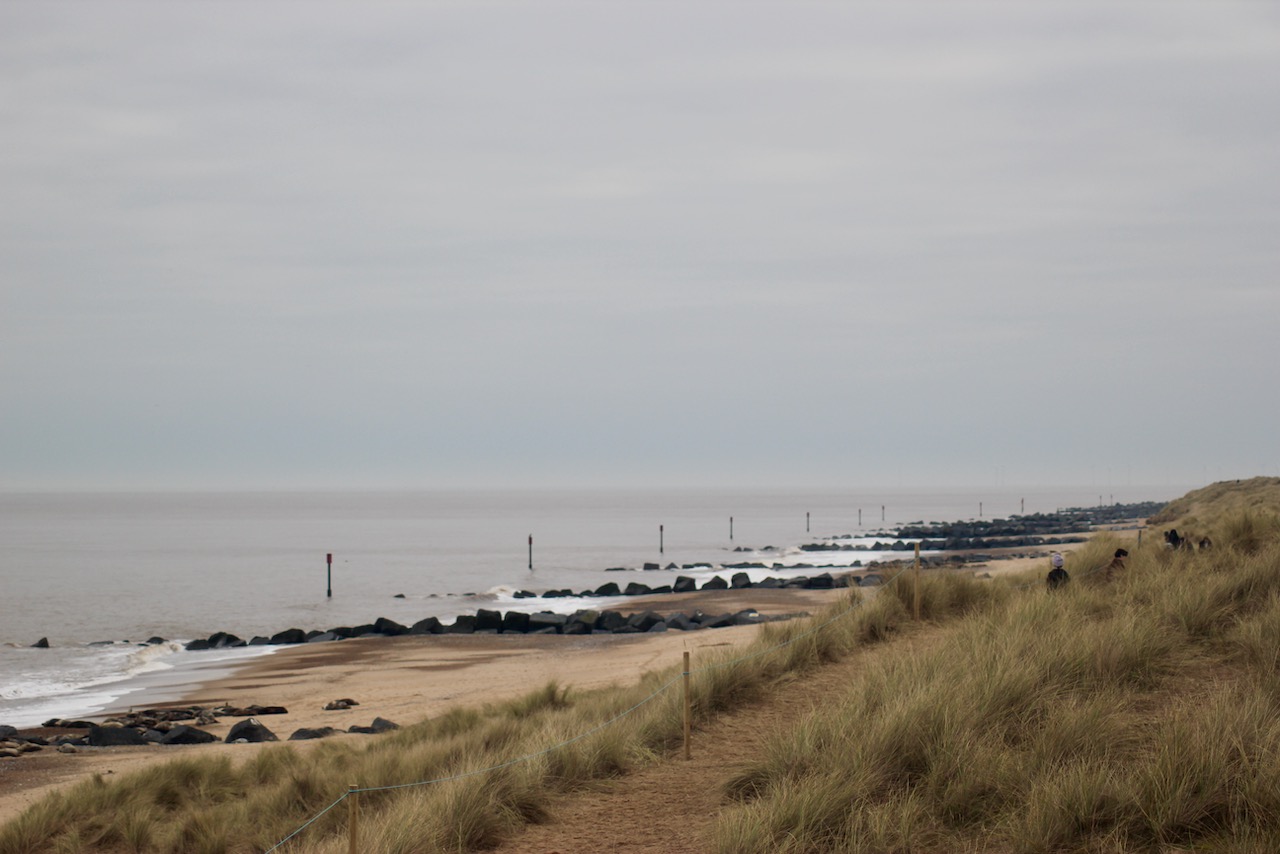
Norfolk really does have big skies, which is especially evident when you visit the coast. I popped up to see the seals recently at Horsey Gap, with a couple of friends. Aside from seals, windswept sand dunes, and endless horizon, I just love the sound of the sea and being next to it. I think that’s one the things I loved so much about my Bike around Britain cycle tour in 2013; being next to the sea everyday.
Horsey Gap – sound of the sea
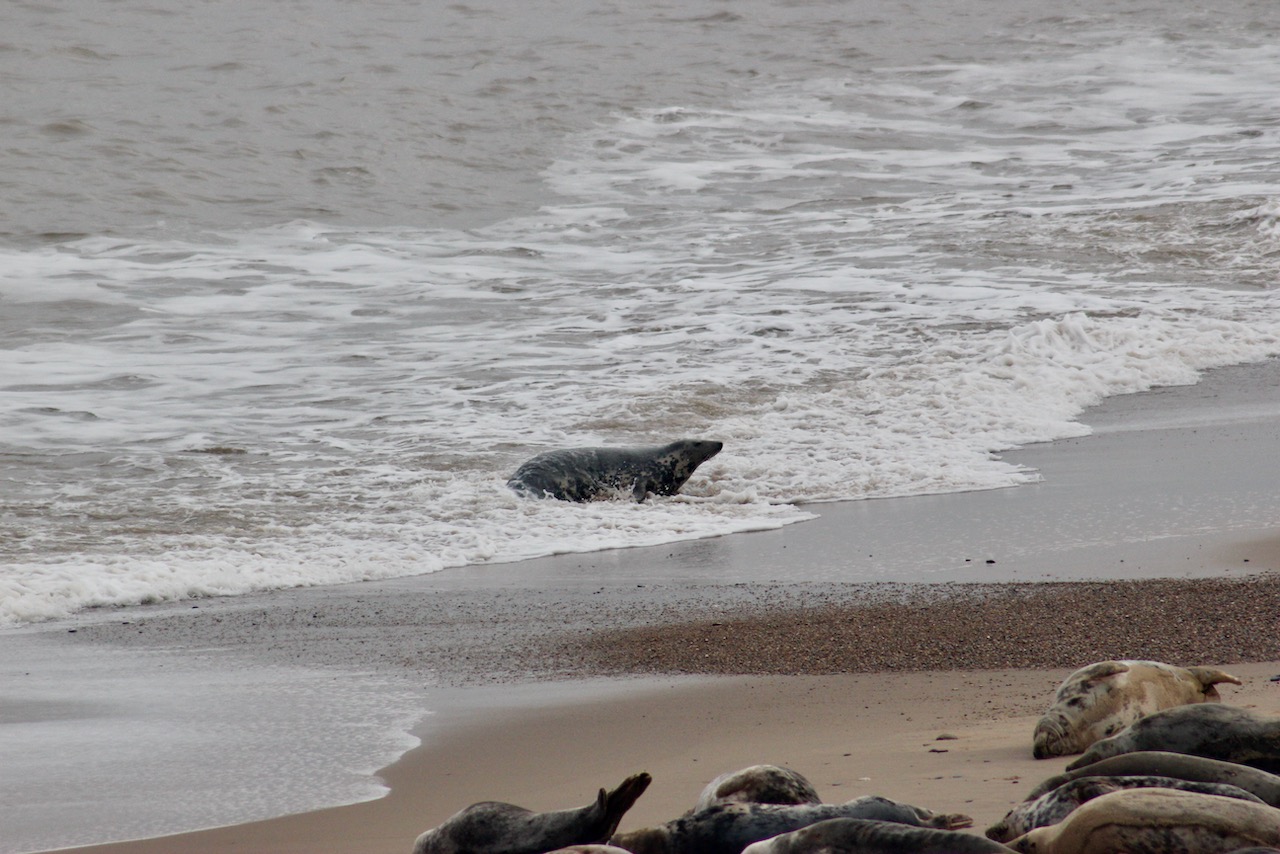
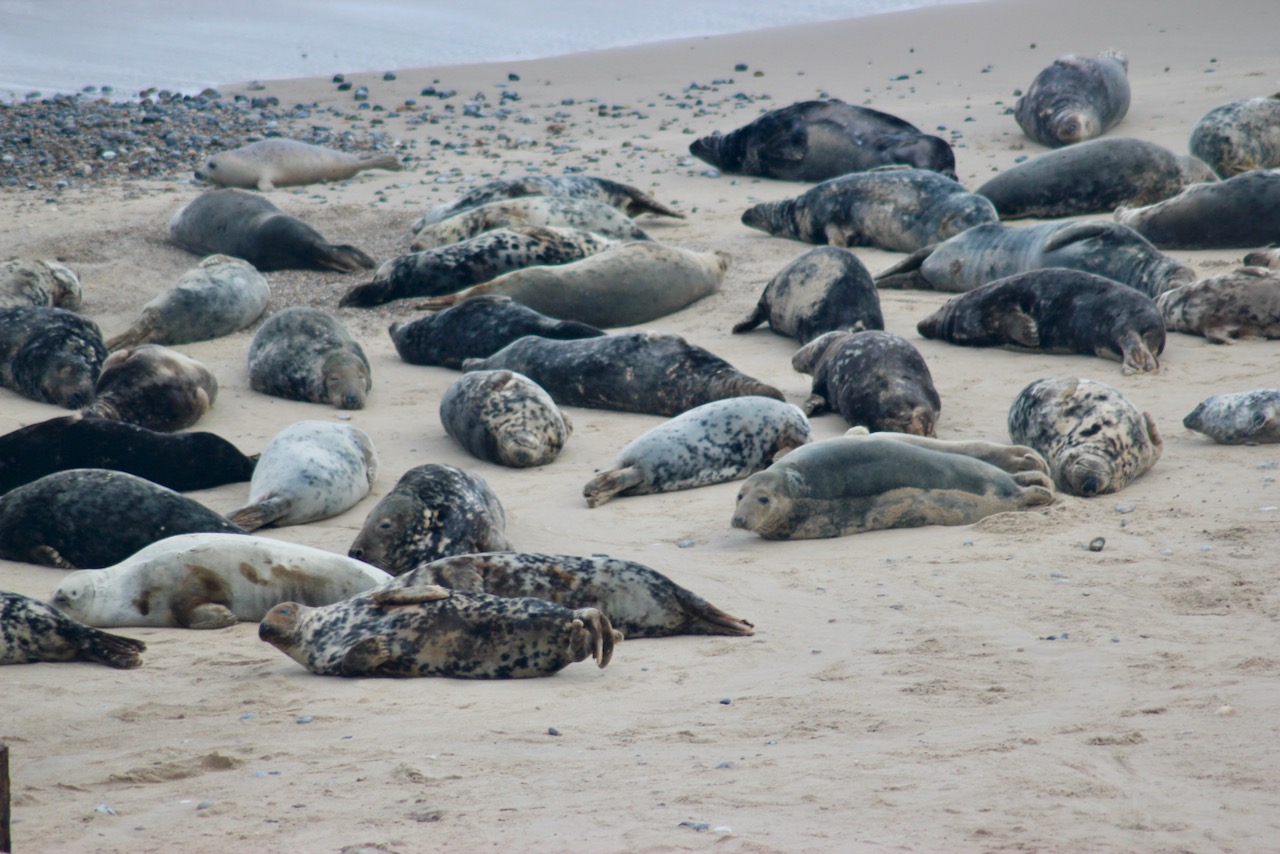
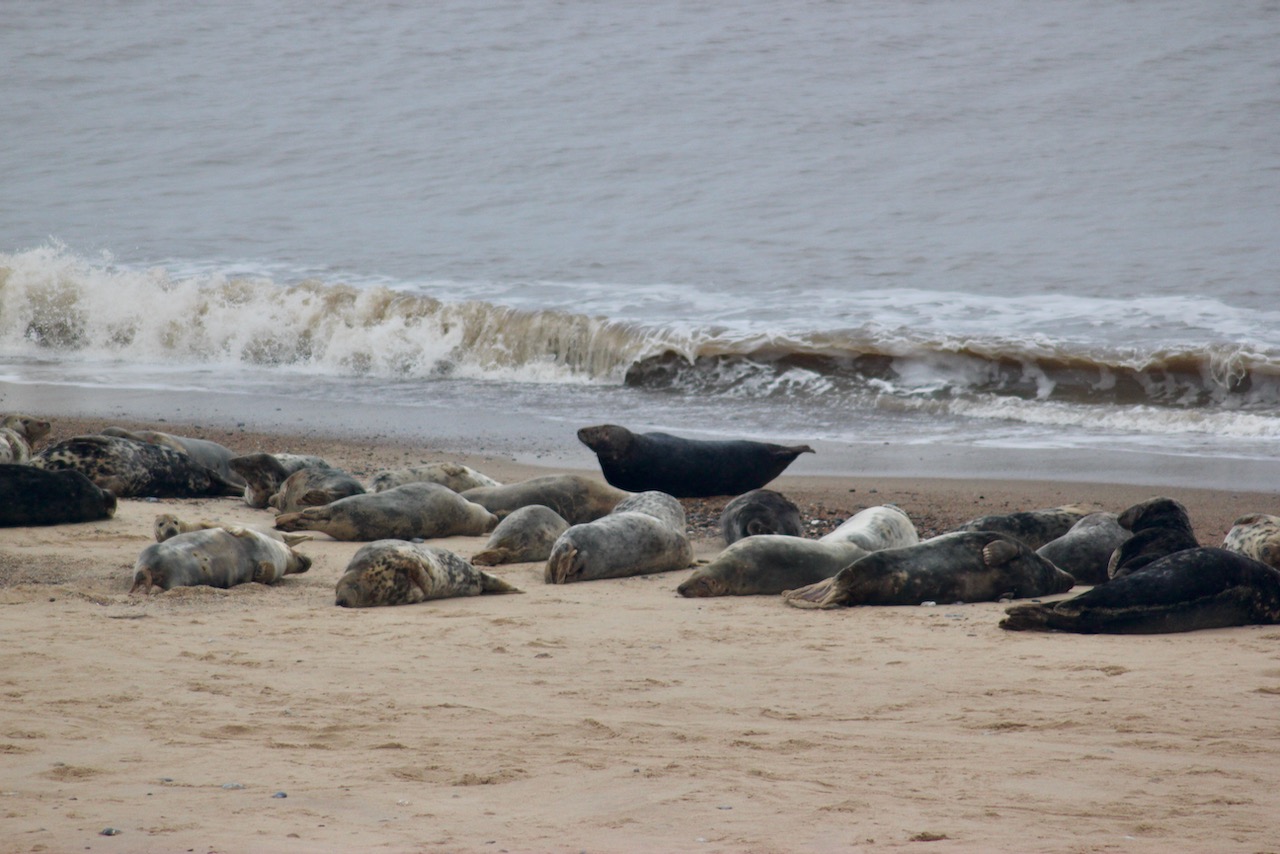
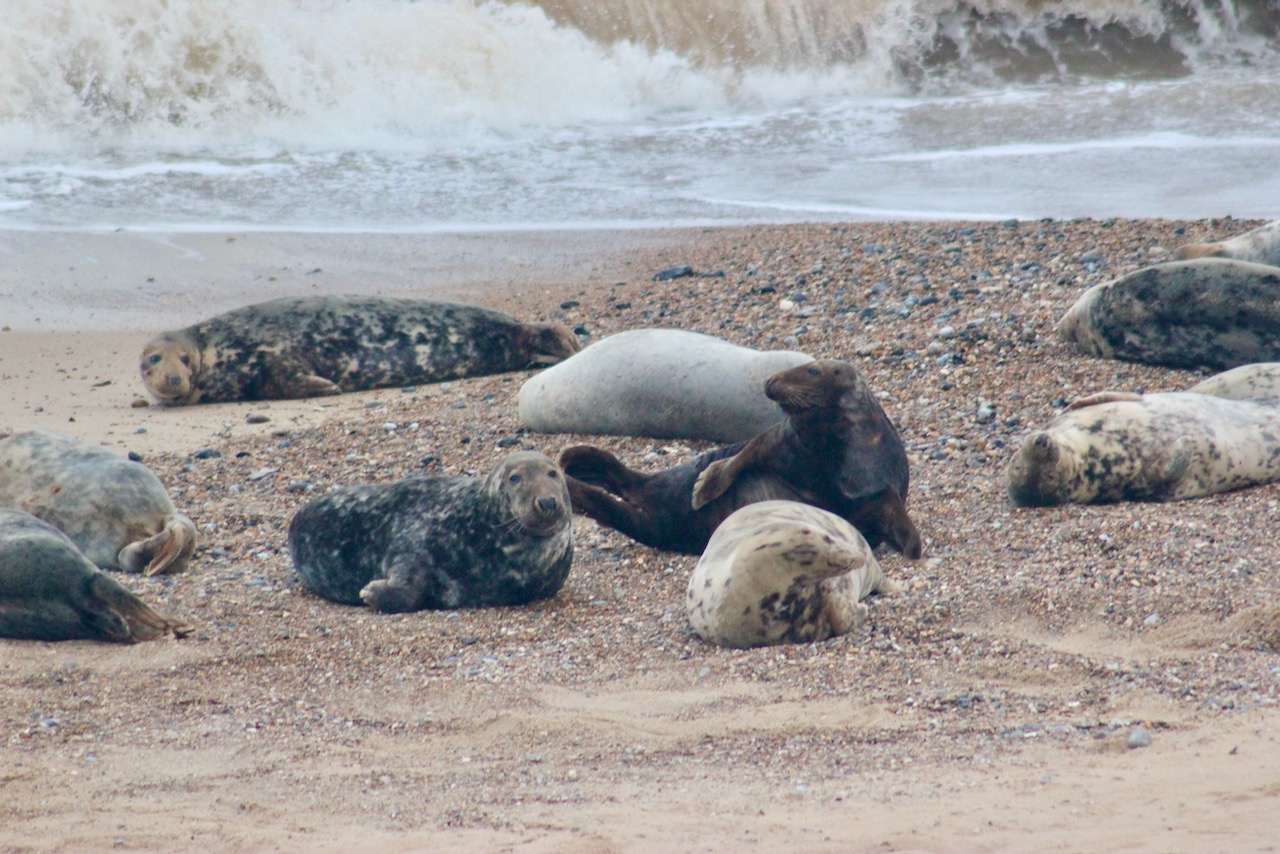
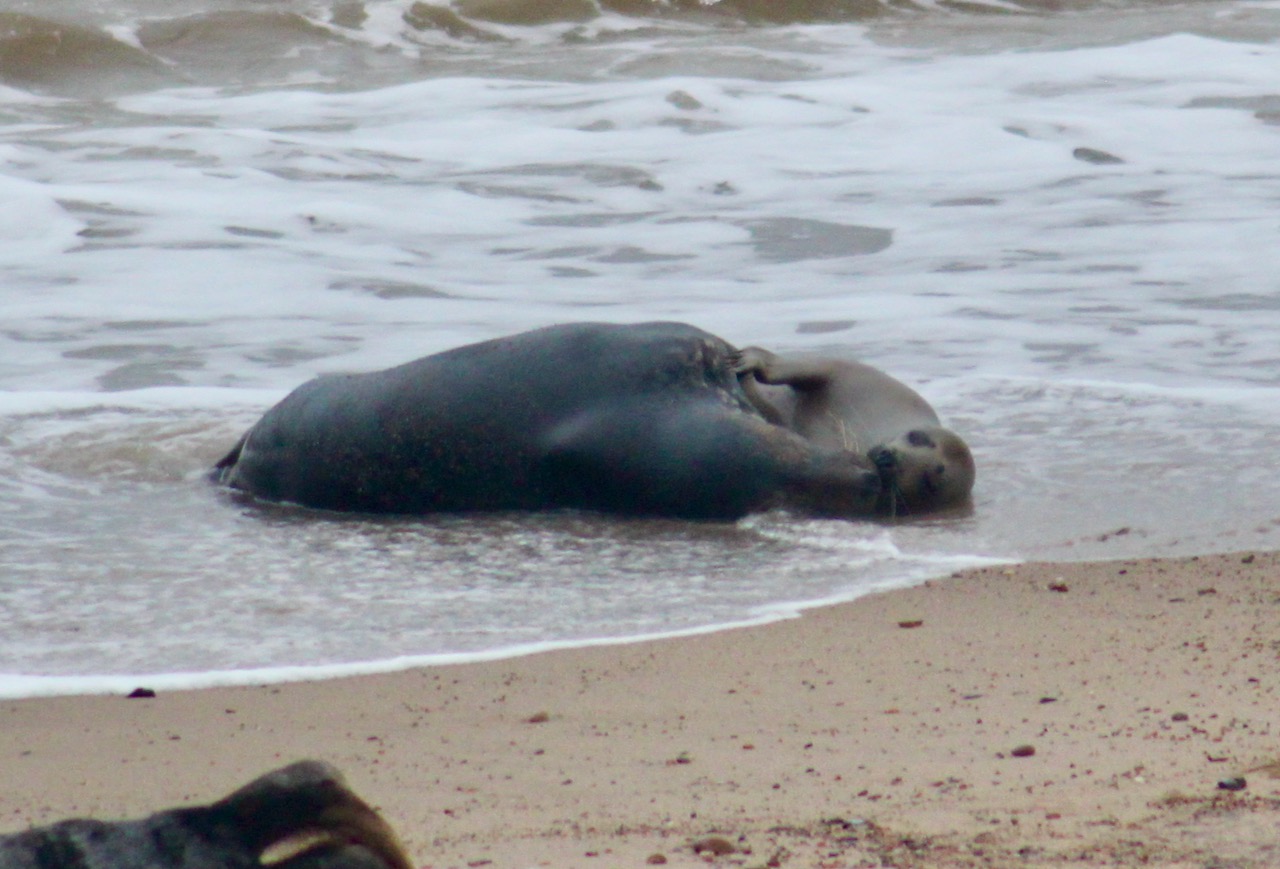
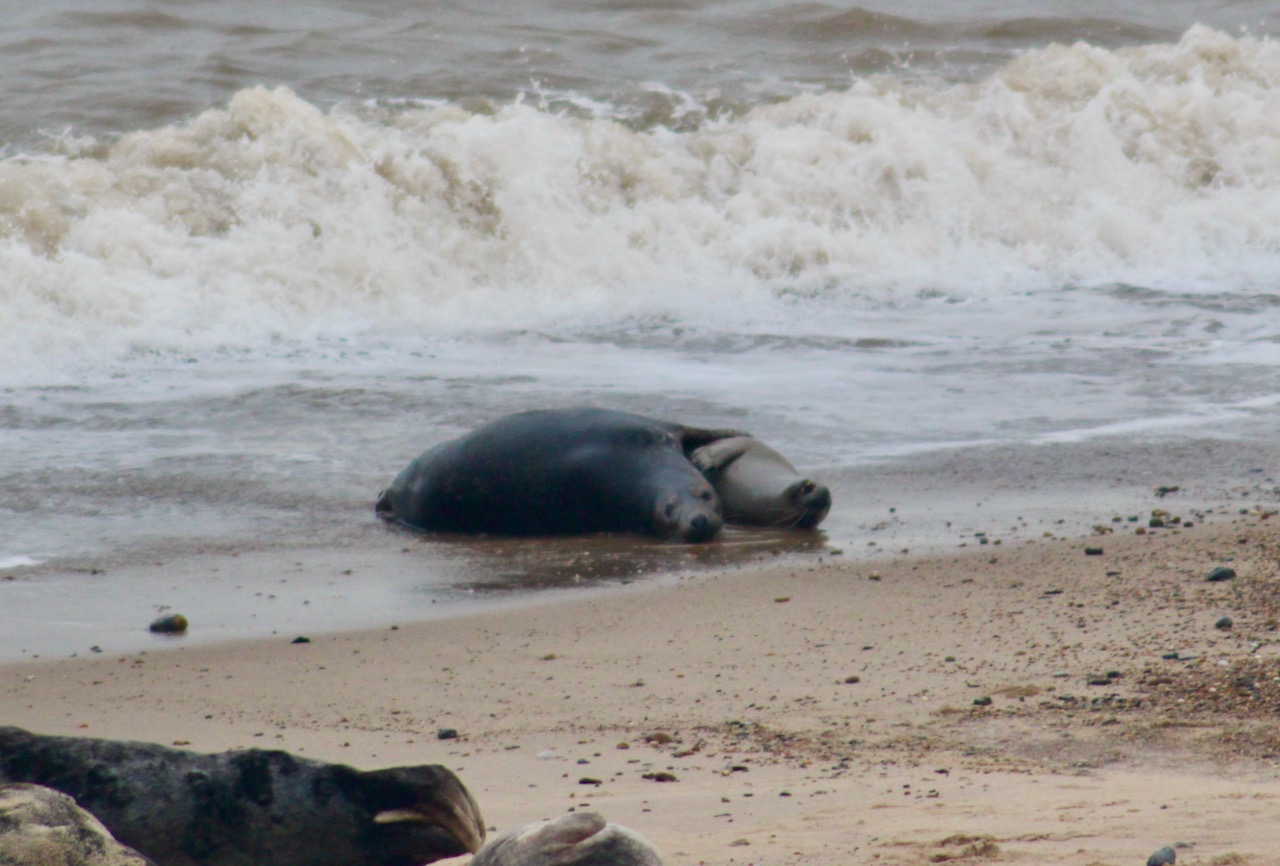
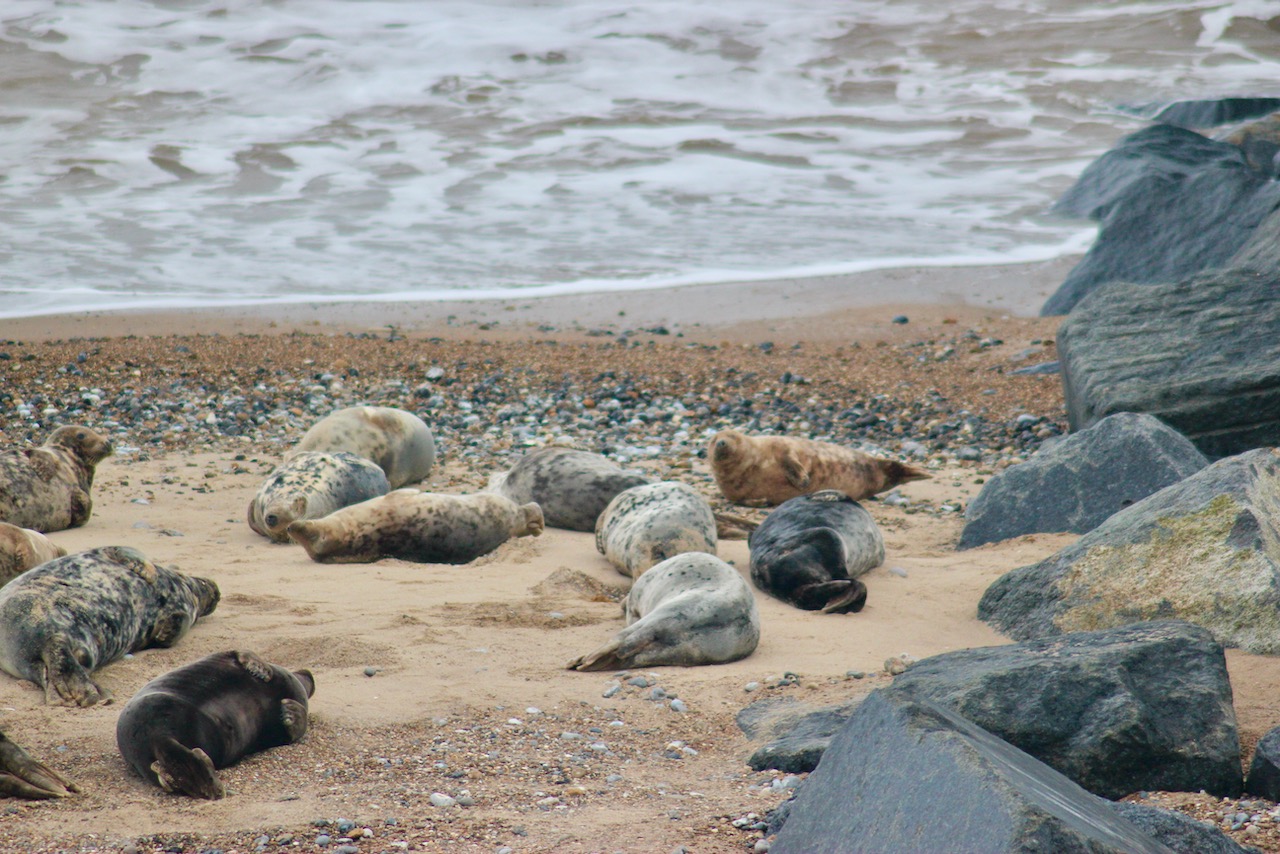
Horsey Gap is home to a massive seal colony, consisting of Atlantic Grey Seals and Common Seals. There must be thousands of them, with thousands of seal pups born every year. Sadly many of them perish before reaching adulthood, but they’re a delight to witness.
Horsey Gap – big horizonsBehind the dines – bit flat and floodable
When walking down the Norfolk East Coast it’s easy to see how just a small sea level rise could result in massive flooding. It’s so flat behind the dunes, which if breached could see sea water covering vast stretches. I guess it was all under-water once, and probably will be again in the not too distant future.
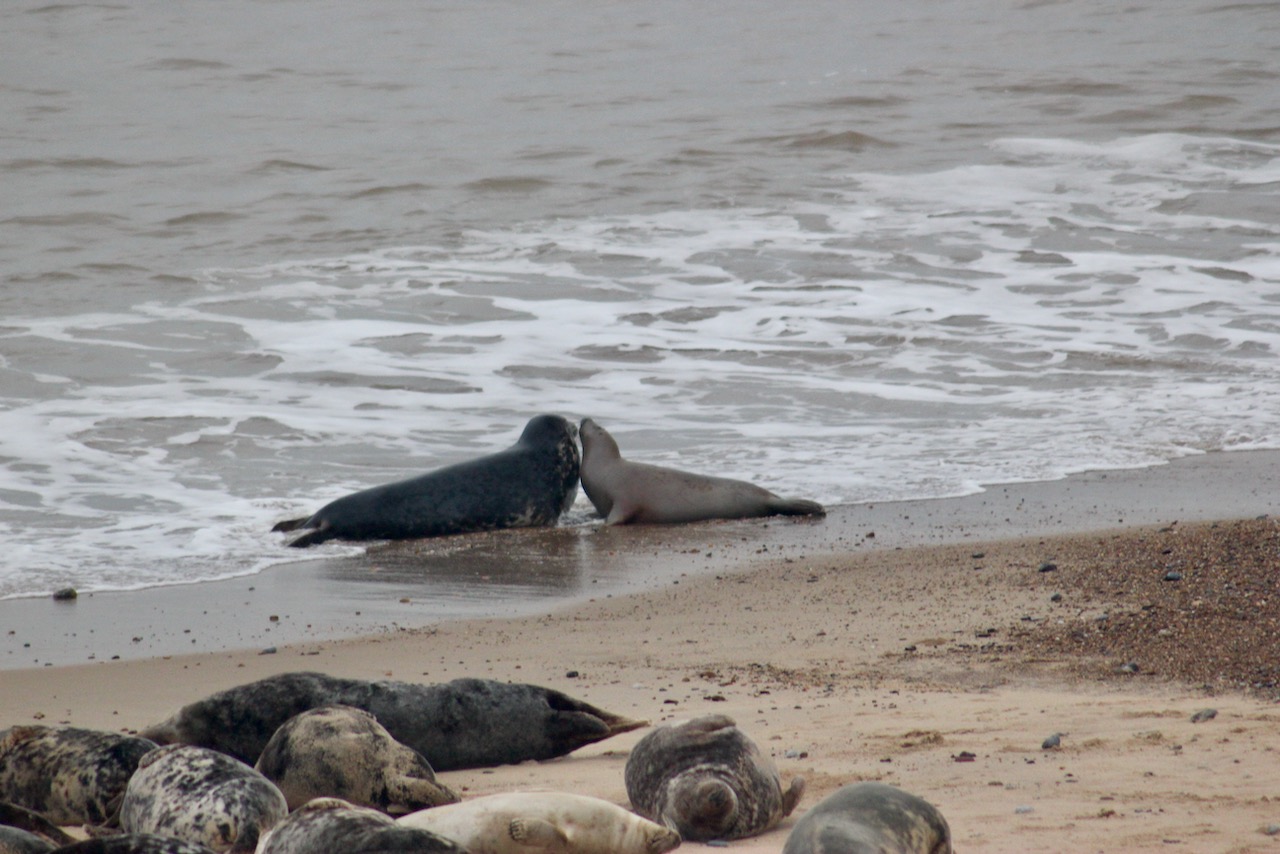
Seals lazy at HorseyBest just to take it easyGroyne number 41Mum and pup embraceMore lazingReally quite a lot of seals
Did I mention there might be quite a lot of pictures of seals? It’s worth it though, they’re so wonderful to see. The wardens are really good too, able to give you loads of information whilst also keeping the seals safe.
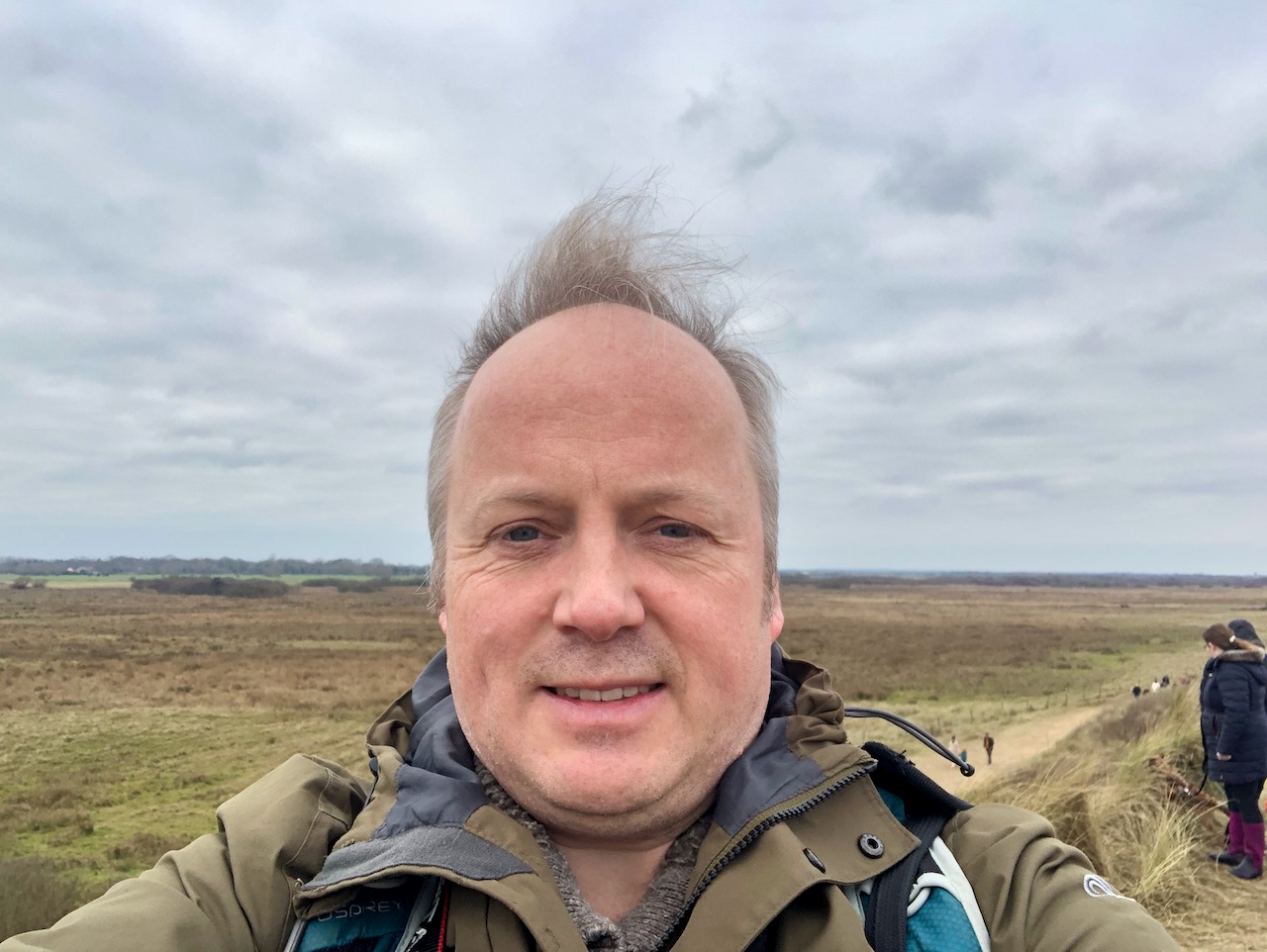
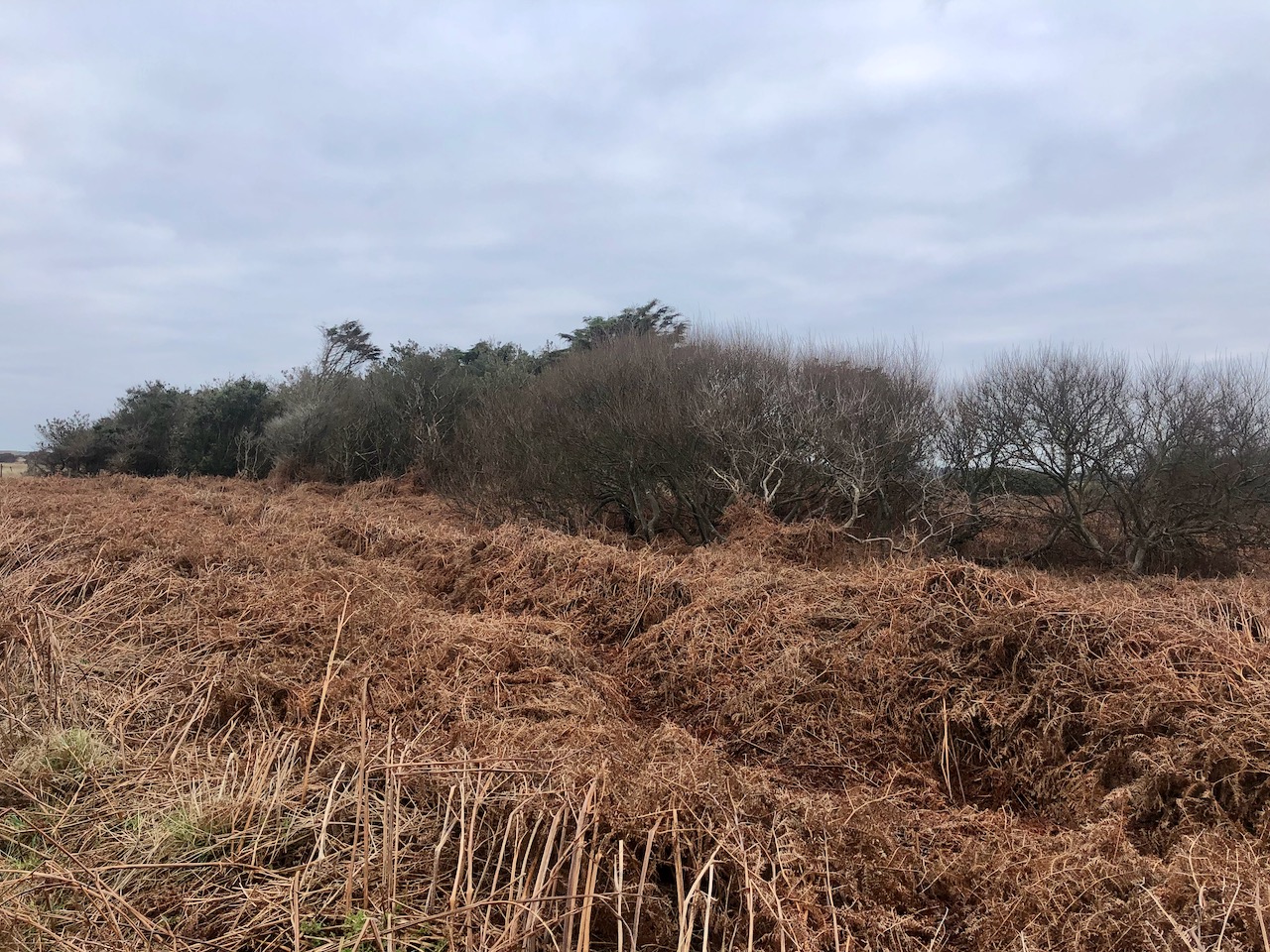
Me at Horsey Gap – interesting hairSeal splashingSeal considering a dipTufty grass…bit like my hairGood to dry offBracken and Blackthorn
The wardens are very good at keeping people away from the seals, especially those who might otherwise think it’s a good idea to try to pet them, or get a selfie. I am told that if the mother can smell a human on her pup, she may well abandon them, so whilst I’d thoroughly recommend going to see them, best not to get too close.
Looking towards WintertonRolling aboutGive us a cuddleOh go onMulti-coloured fluffinessSomebodies eaten well
I took pictures using my old Cannon 550D with a zoom lens, but I think the ones I got on my phone might have actually been better. The Cannon pictures just don’t seem to have picked up the colours as well as the phone. Here are some last ones of mother and pup.
Mum and pup in surfWhat you looking at?Some final fluffiness
We walked all the way down to Winterton, had some chips and a hot chocolate, and then walked back. I was sad to see the cafe at Winterton is no longer there, due to coastal erosion, however there was a very good circle of food vans which met requirements.
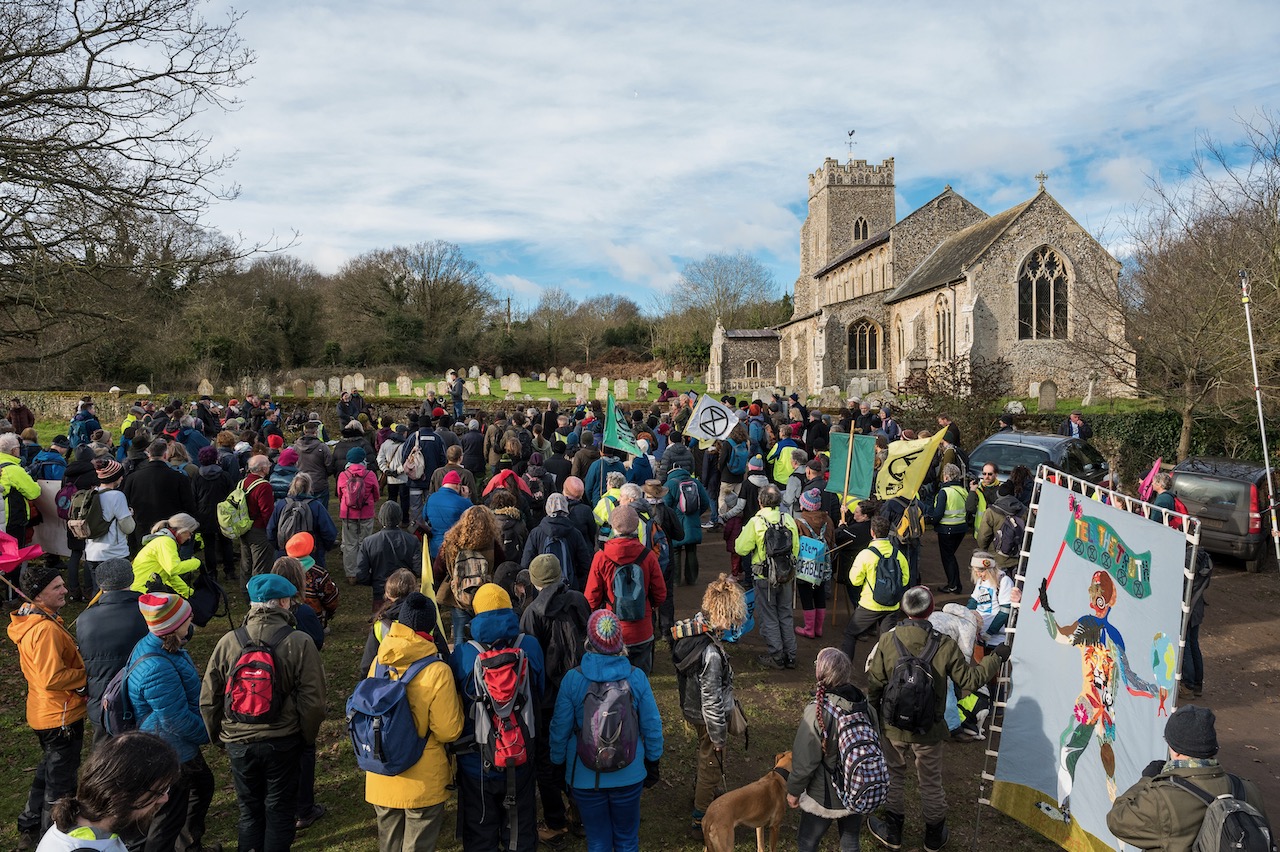
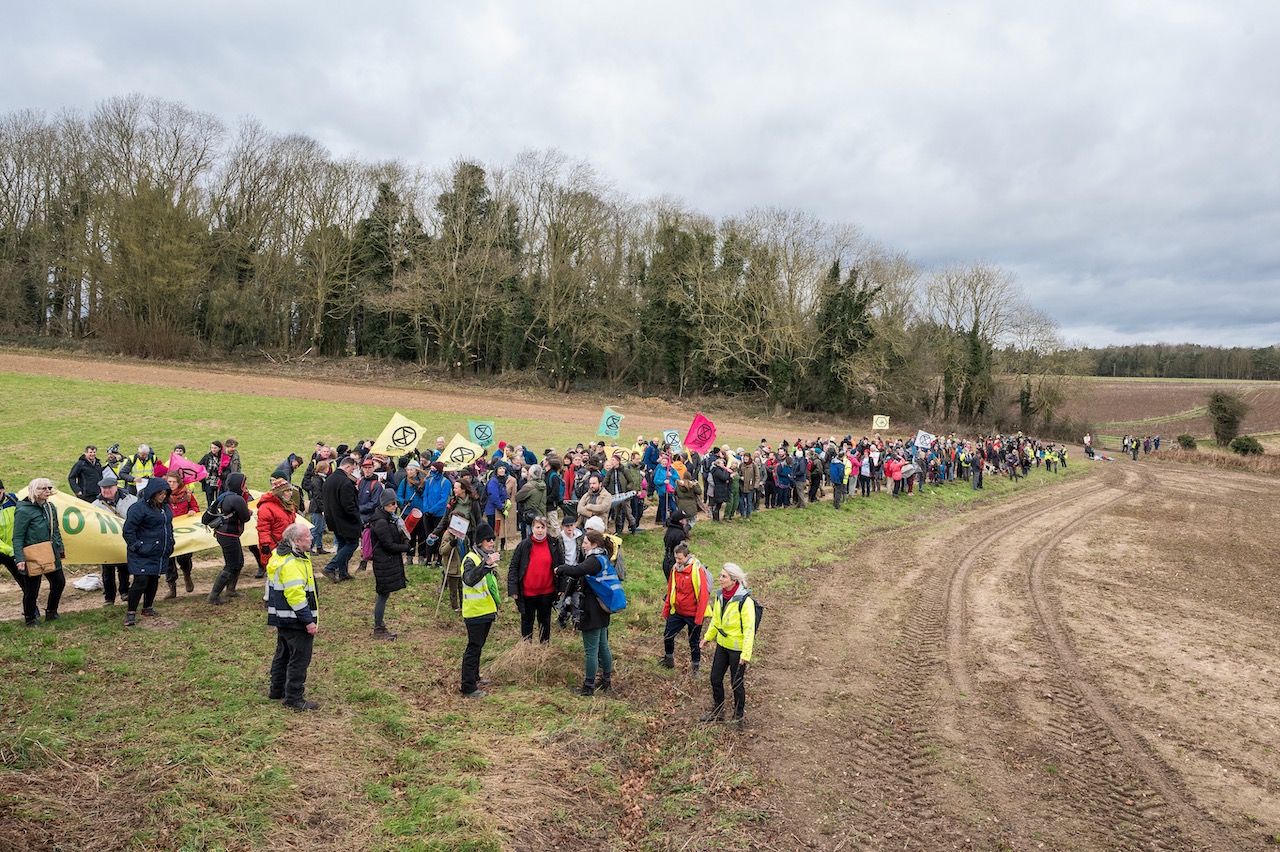
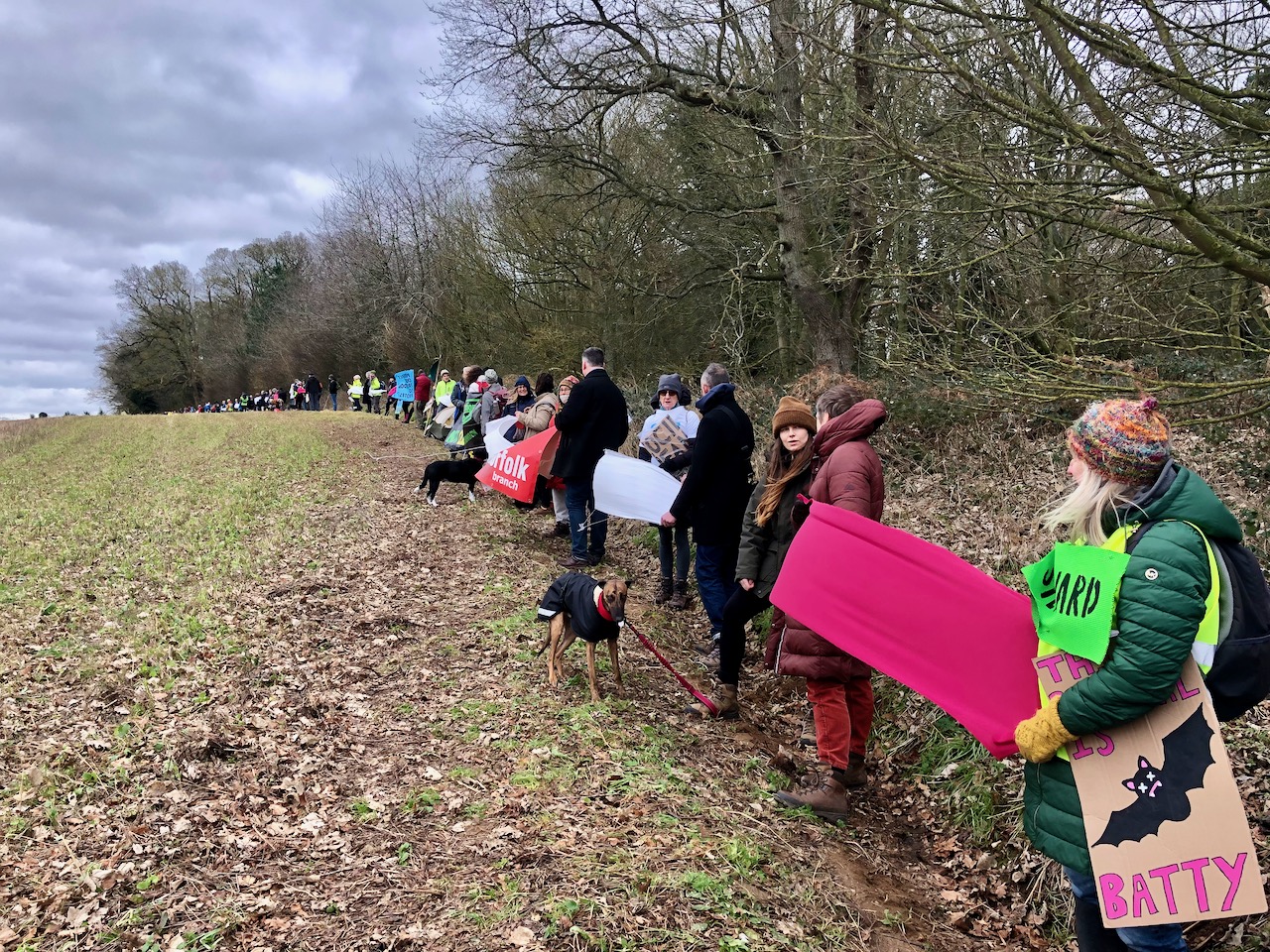
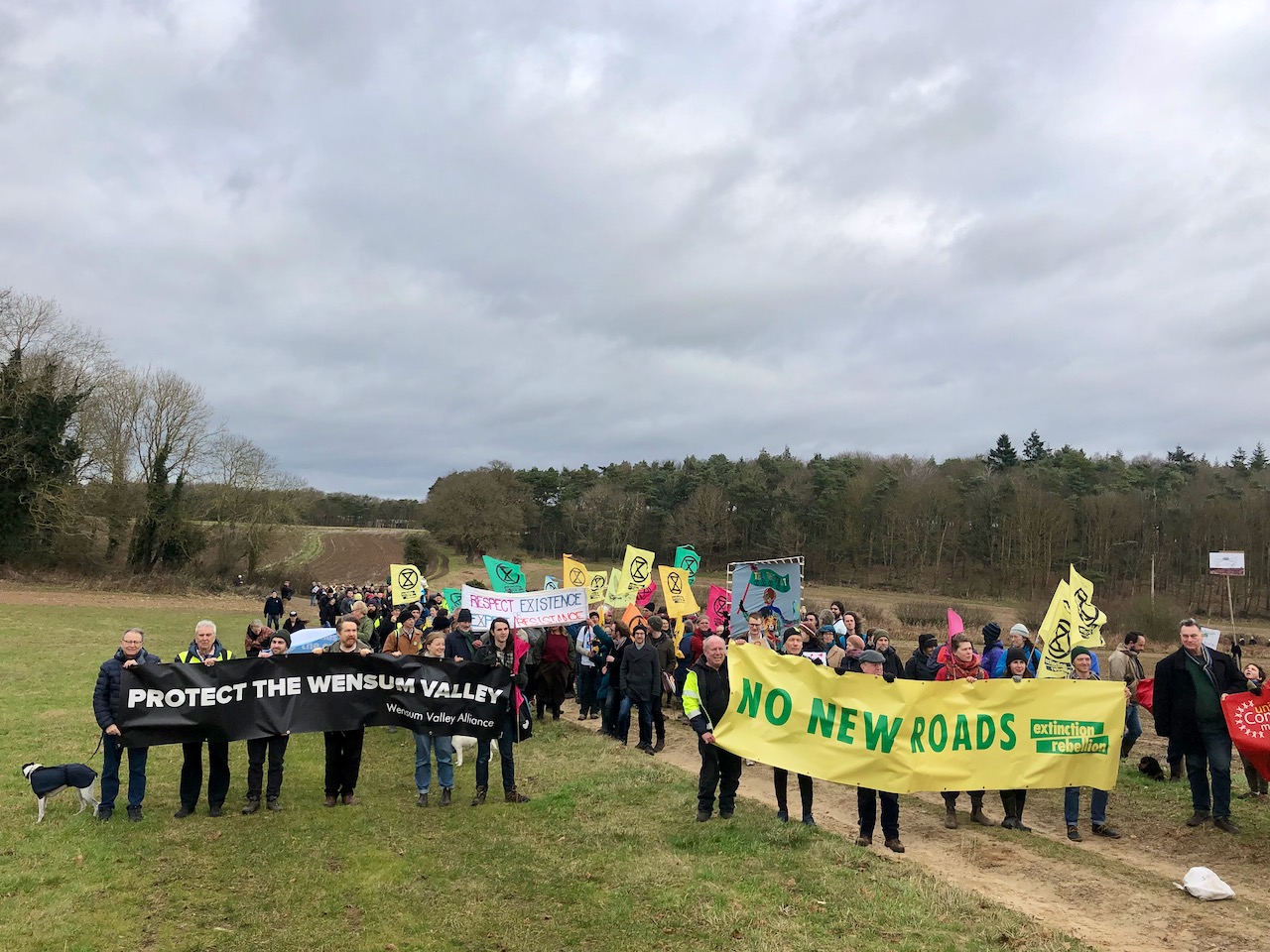
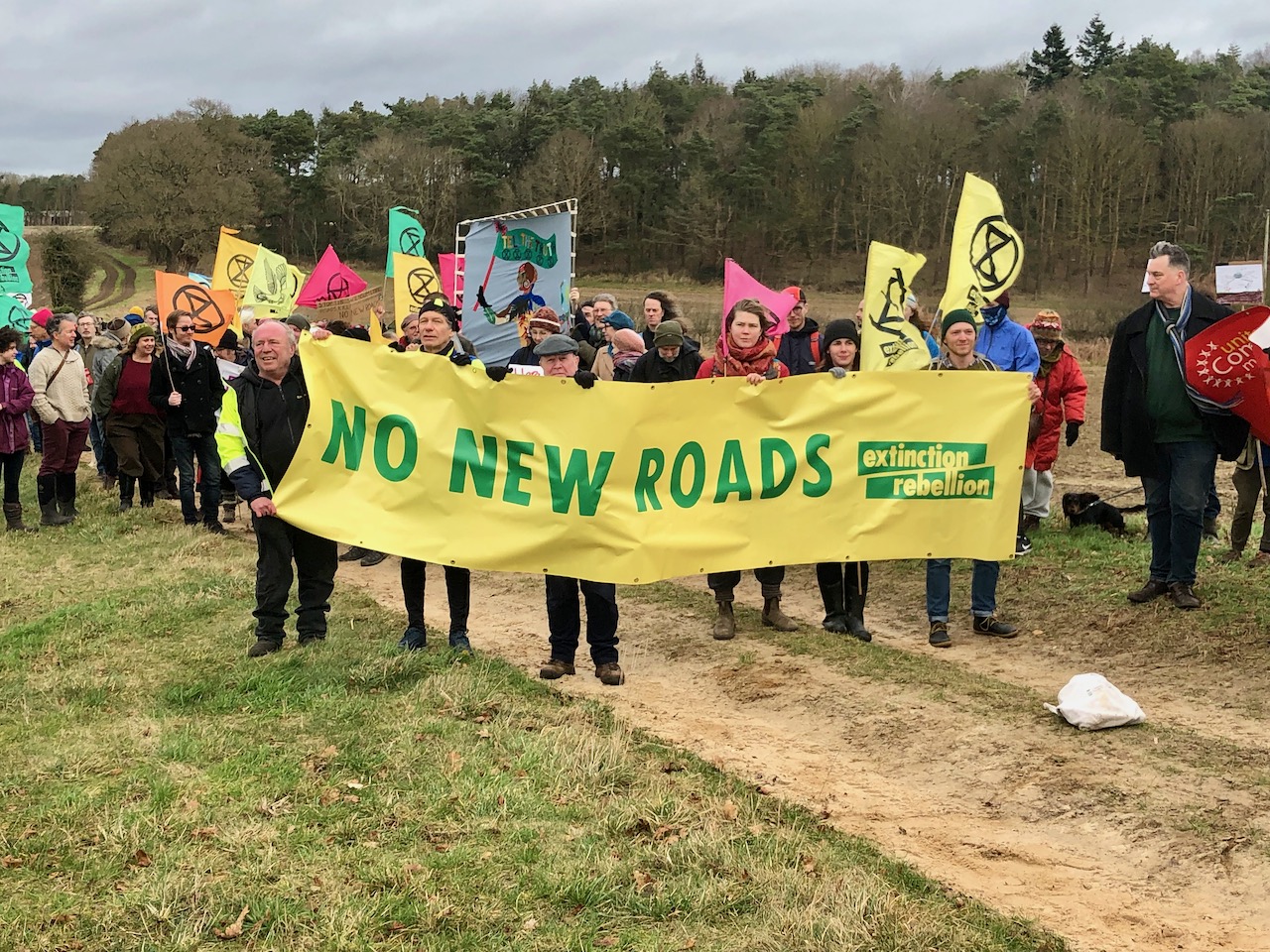
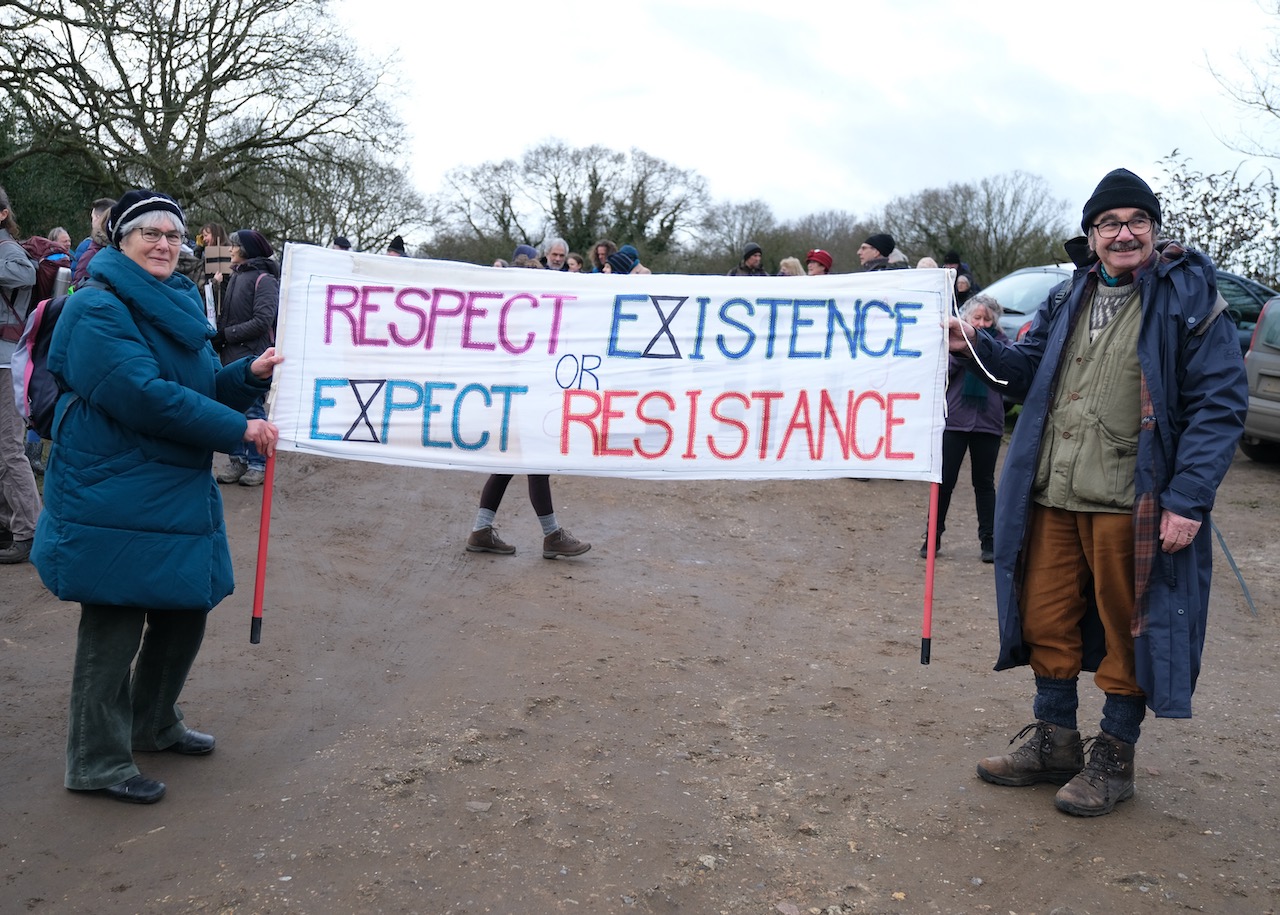
Other stuff that’s been happening. We had a great turnout for the protest versus the proposed Western Link Road. The road will cut through rare chalk stream habitat, endangered Barbastelle bat colonies, and destroy a swathe of precious Norfolk countryside; the last natural corridor into Norwich and its green lungs.
Mustering outside Ringland ChurchOver 300 gathered to oppose the roadMarch down Ringland LaneFlags and banners galoreLining the route to the road will cut throughCrowds gather at demo site
The protest was organised by Norwich Extinction Rebellion, and attended by loads of local groups including Stop the Wensum Link, the Wensum Valley Alliance, Norwich Friends of the Earth, Green New Deal, Green Party and Labour Party councillors and Clive Lewis MP, Trade Union reps and many others. It was so heartening to see so many people come together to oppose an ecocidal road scheme, one that will increase emissions, traffic and pollution, whilst also opening the countryside up to more development. We should be investing the £200m+ it’ll cost for the 4 miles of road into green sustainable transport (buses) and active transport (cycling infrastructure), instead of investing in ultimately our own demise.
Extinction RebellionNo New RoadsProtect the Wensum ValleyRespect Existence or Expect ResistanceToads Not Roads
Great press coverage and opposition is definitely growing versus the road, with Norwich City Council recently coming out against it. Norfolk County Council and institutions like the University of East Anglia just need to catch up a bit.
But why not also get involved in an opposition group too; let me know if you want to learn more.
Ok, nearly there. I really will try to do blog posts more often so I don’t deluge you with updates.
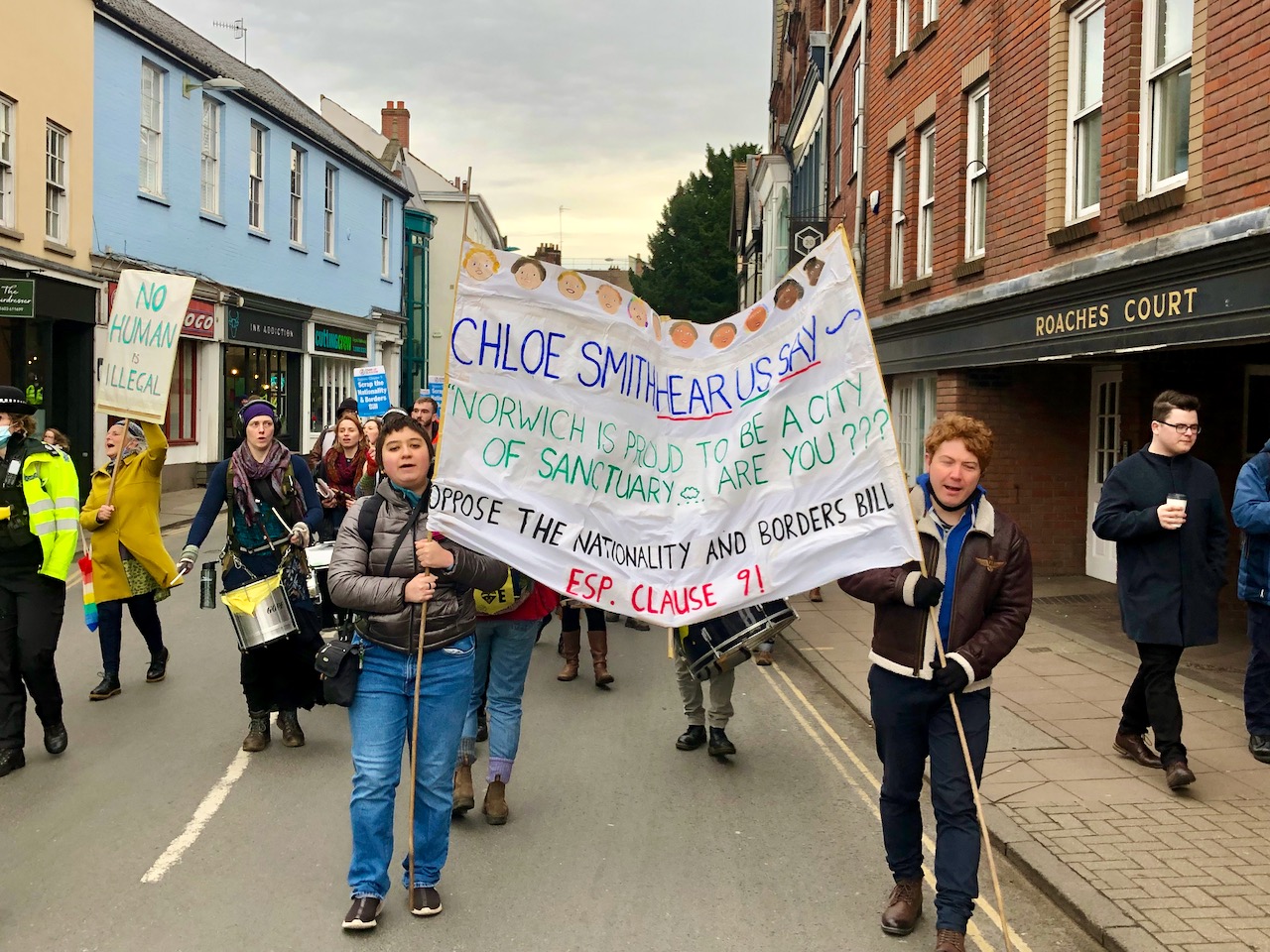
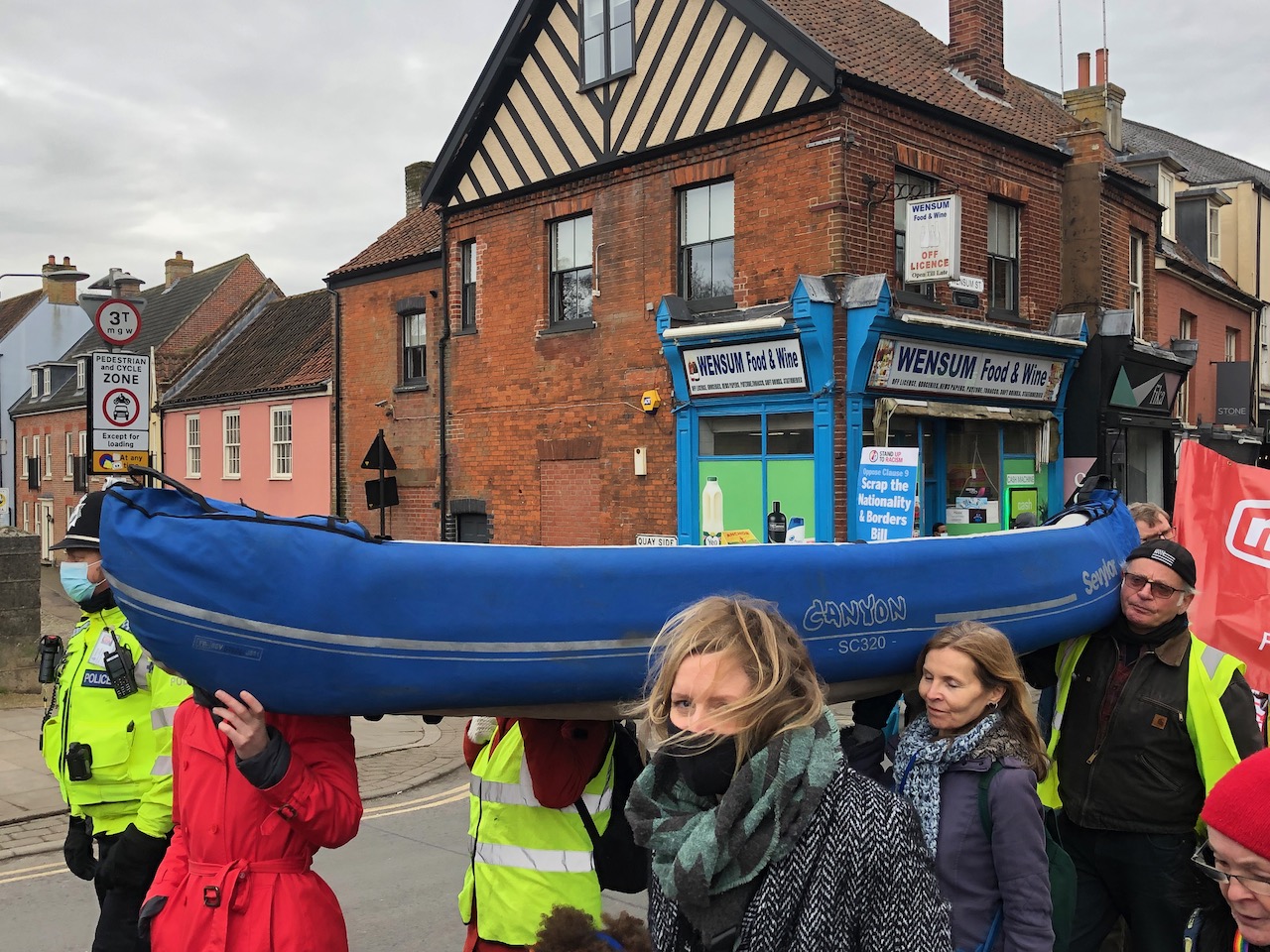
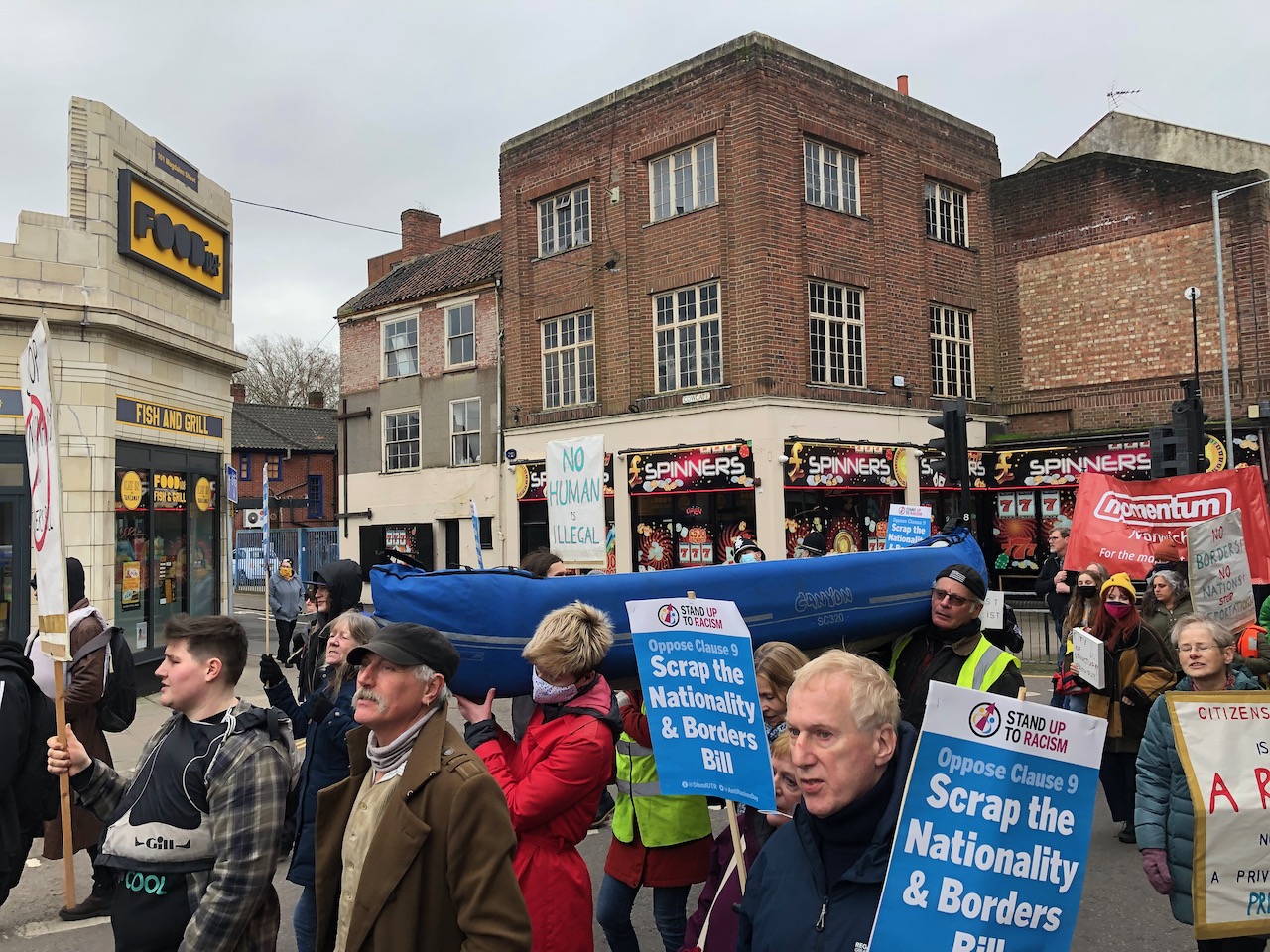
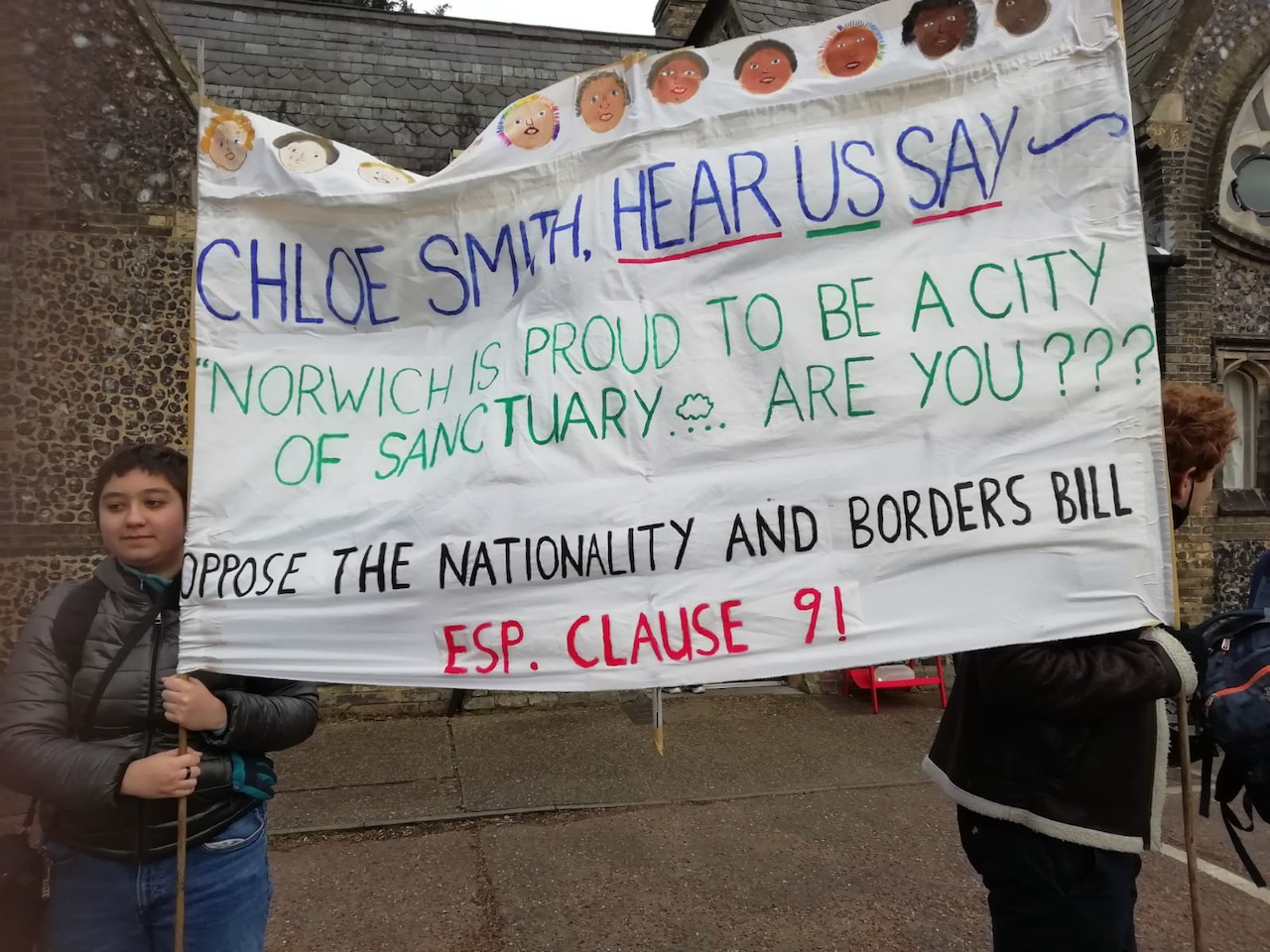
Have you heard to the Nationality and Borders Bill, currently going through Parliament? It will criminalise refugees and asylum seekers, and allow the Government to strip people with dual-nationality of their UK citizenship without warning (clause 9). It’s pretty awful, and another step towards authoritarianism and fascism. I joined a protest in Norwich against it last Saturday, as I don’t want to see more people fleeing for their lives drown in boats crossing the channel, or get persecuted for just wanting a better life for their children. Especially when it comes to climate refugees, of which there are already thousands and will be millions. The UK is historically and currently responsible for this, and we need to help.
Down Magdalene Street we goXR drummers out in forceCanoe representing cross channel deathsDrummers and placards
It feels like the Government is trying to dehumanise refugees by calling them illegal immigrants, and painting them as a burden and threat. Refugees rebuilt cities like Hamburg after the second world war, and have brought so much to this country already. They deserve a chance like anyone else.
Scrap the Nationality and Borders BillOutside City HallAre you listening Chloe Smith?
I think that brings us about up to date. A few bullet points to round us off:
Still doing physio on my knee after falling off climbing wall in November, and awaiting operation to build new ligaments. Luckily I can still cycle and walking is fine
Planning a cycle tour for later this year – I fancy Cornwall
Also might be going to Scotland for a bit for some walking, will probably get lost
Don’t just think about how wrong things are sometimes, try and do something about it. There are tonnes of groups to get involved with, and Extinction Rebellion are taking to the streets in April on another effort change things
Anxiety and depression are a thing, friends are amazing. Keep on keeping on
Happy New Year, here’s to hopefully a less contagious 2022! Or at least less in the way of lockdowns and bad decisions by the powers that be. Maybe I should just stick with less contagious and hope for the best.
Gideon had a good Christmas despite me having to abandon him for a few days; he was well looked after by a friend whilst I escaped to my parents (thanks Adam). I don’t think he would have got on very well with my brother’s dog, given previous experience of him chasing canines around.
He likes cards with cats on themGideon enjoyed ChristmasToo many treats?Getting colder, blankets important
Now it’s getting colder he’s decided staying inside with blankets is probably for the best. I can’t say I blame him.
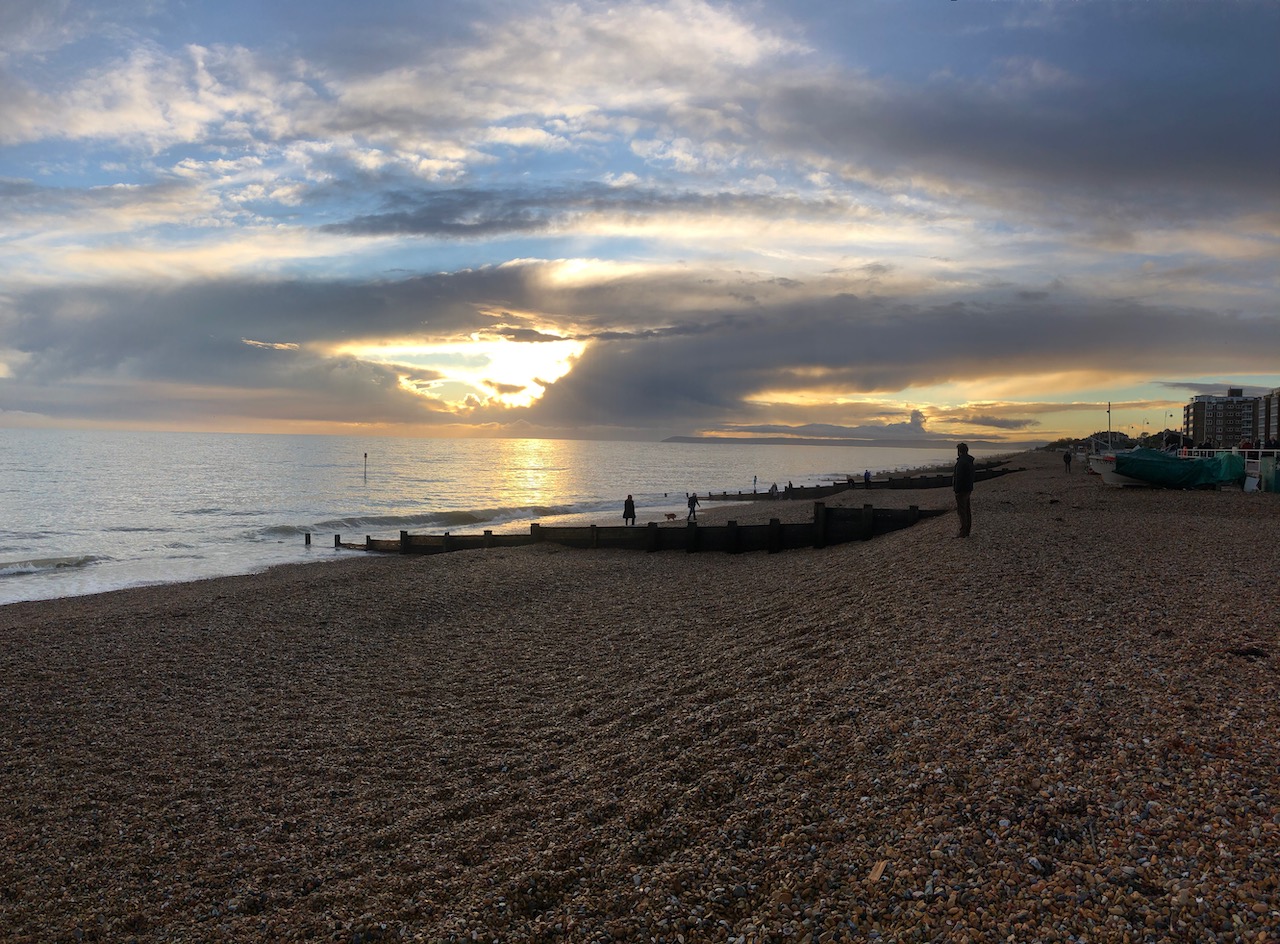
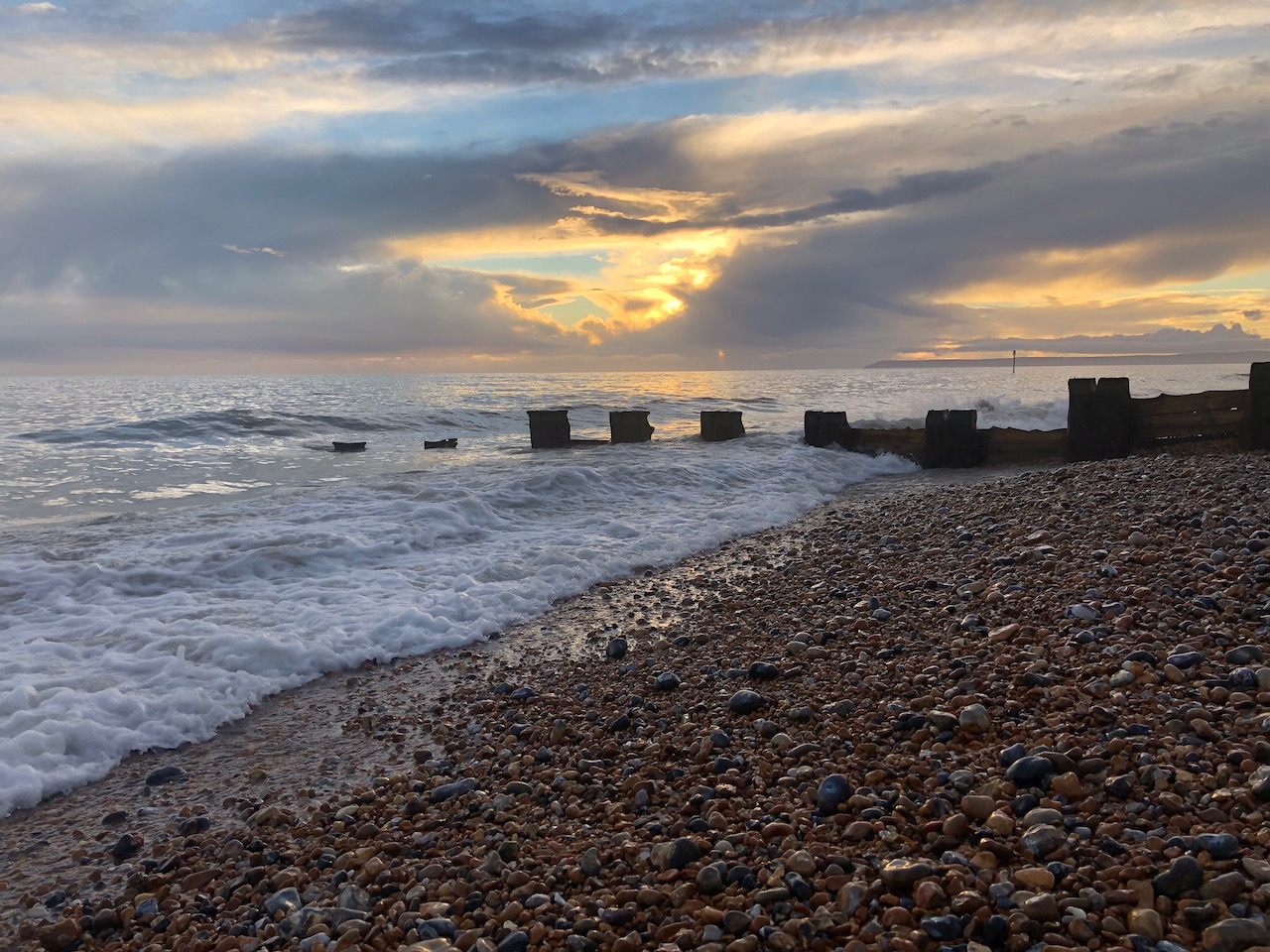
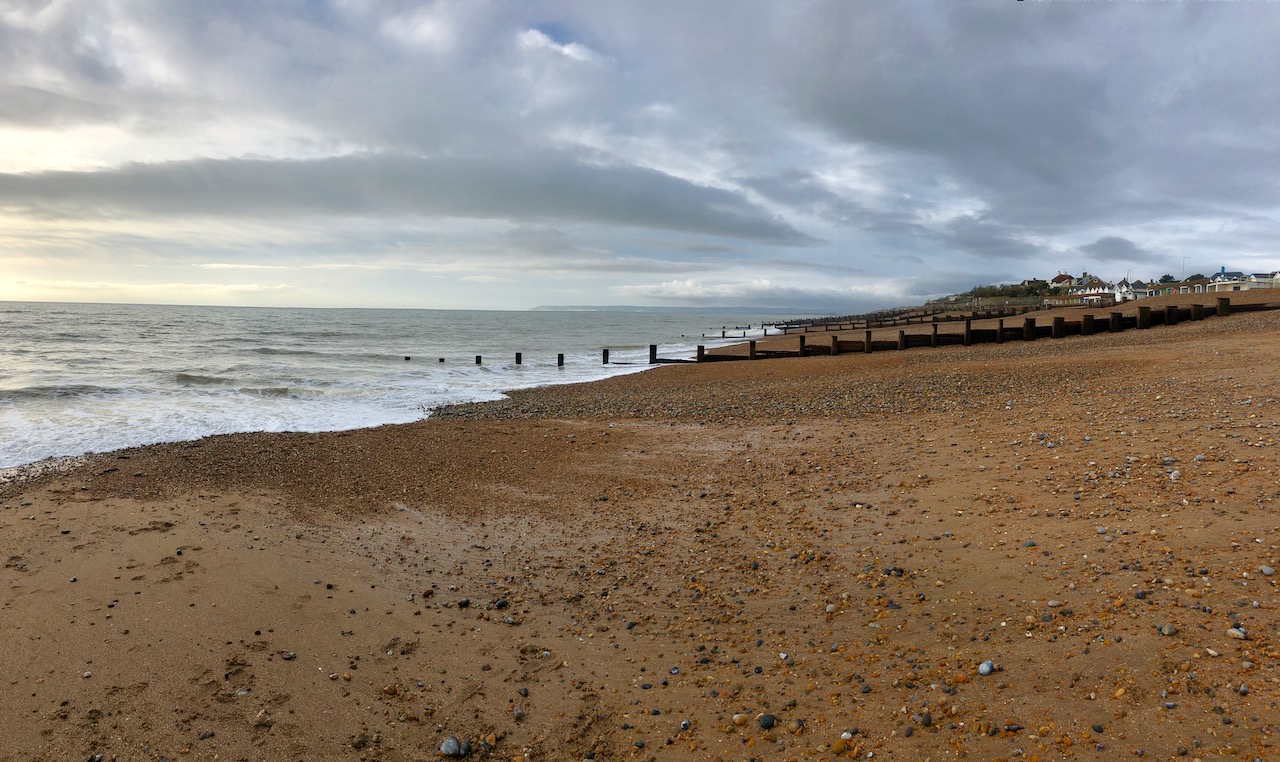
I had a good Christmas break down at my parents’ house in East Sussex, with my brother and sister-in-law’s family too. Great to be able to get together after last year’s shenanigans. Got out for some lovely walks on the beach down in Bexhill, and ate too much.
Beachy Head in the distanceDog thinks it’s brilliantA visit to the beech
I’m generally not a big fan of Christmas. I really hate all the commercialism and pressure to buy stuff. It brings back memories of people no longer with us like Lucy. I can’t believe it’ll be 10 years since she passed away this February. Lots of happy memories of Christmas’ with her but that makes it harder when it comes round again somehow. Still, this was a good one and had lots of fun playing with my niece and nephew; just waiting for reports of what my niece has broken with the catapult I bought her. Naughty presents are what Uncles are for…right? I’m not playing Monopoly against my nephew again though, too many hotels on Mayfair for my liking, and I kept ending up in jail, which as an Extinction Rebellion person does not bode well.
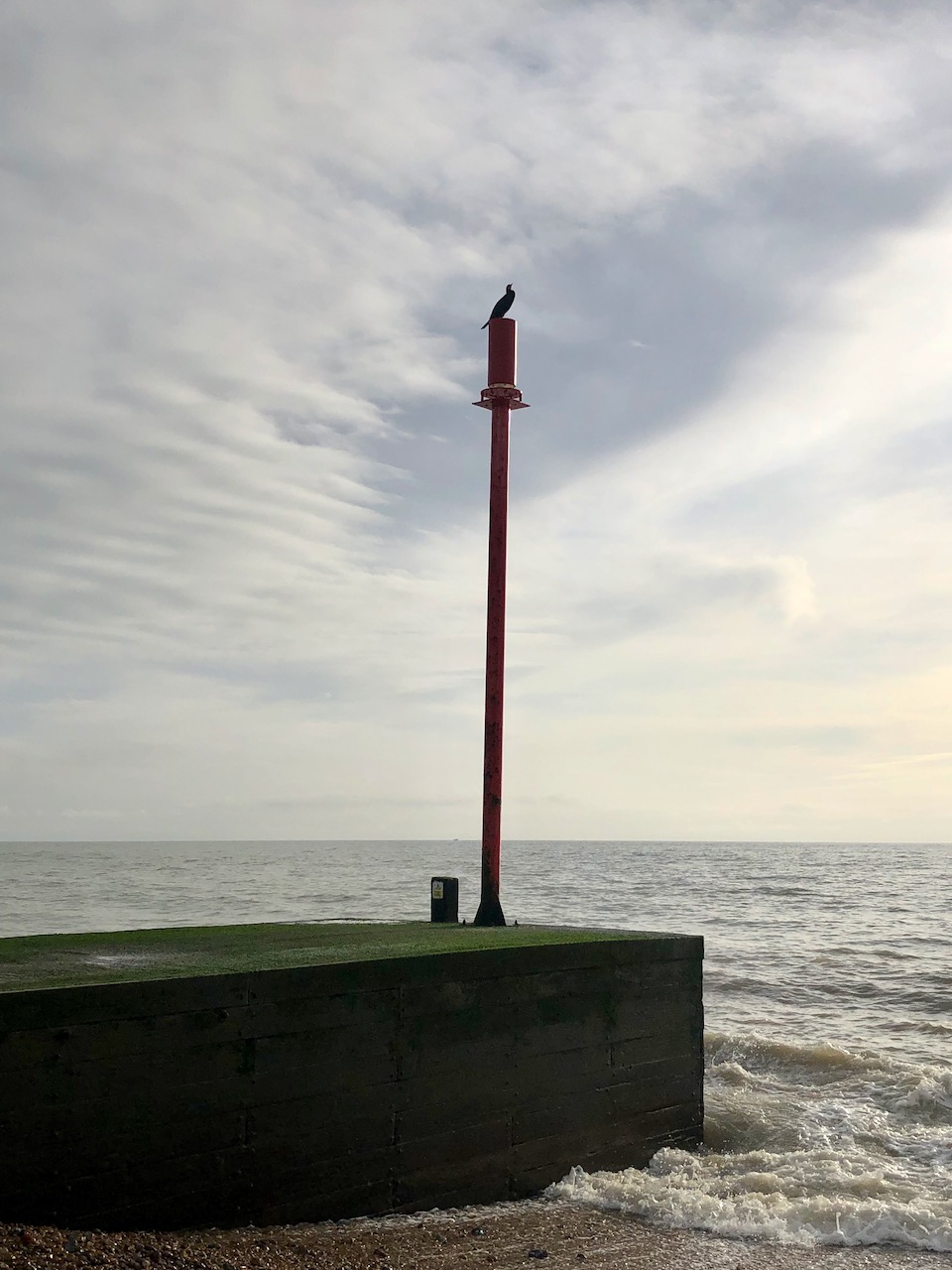
Beach visit again – murky ChannelGood lookout spotCormorant on a poleSouth Coast sunshine
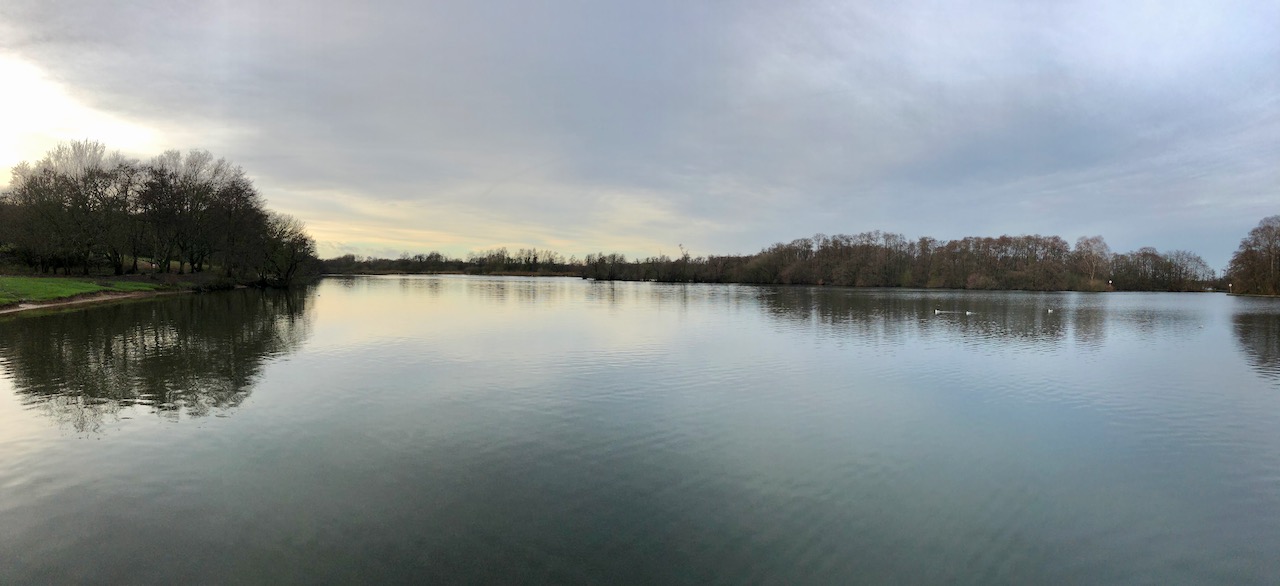
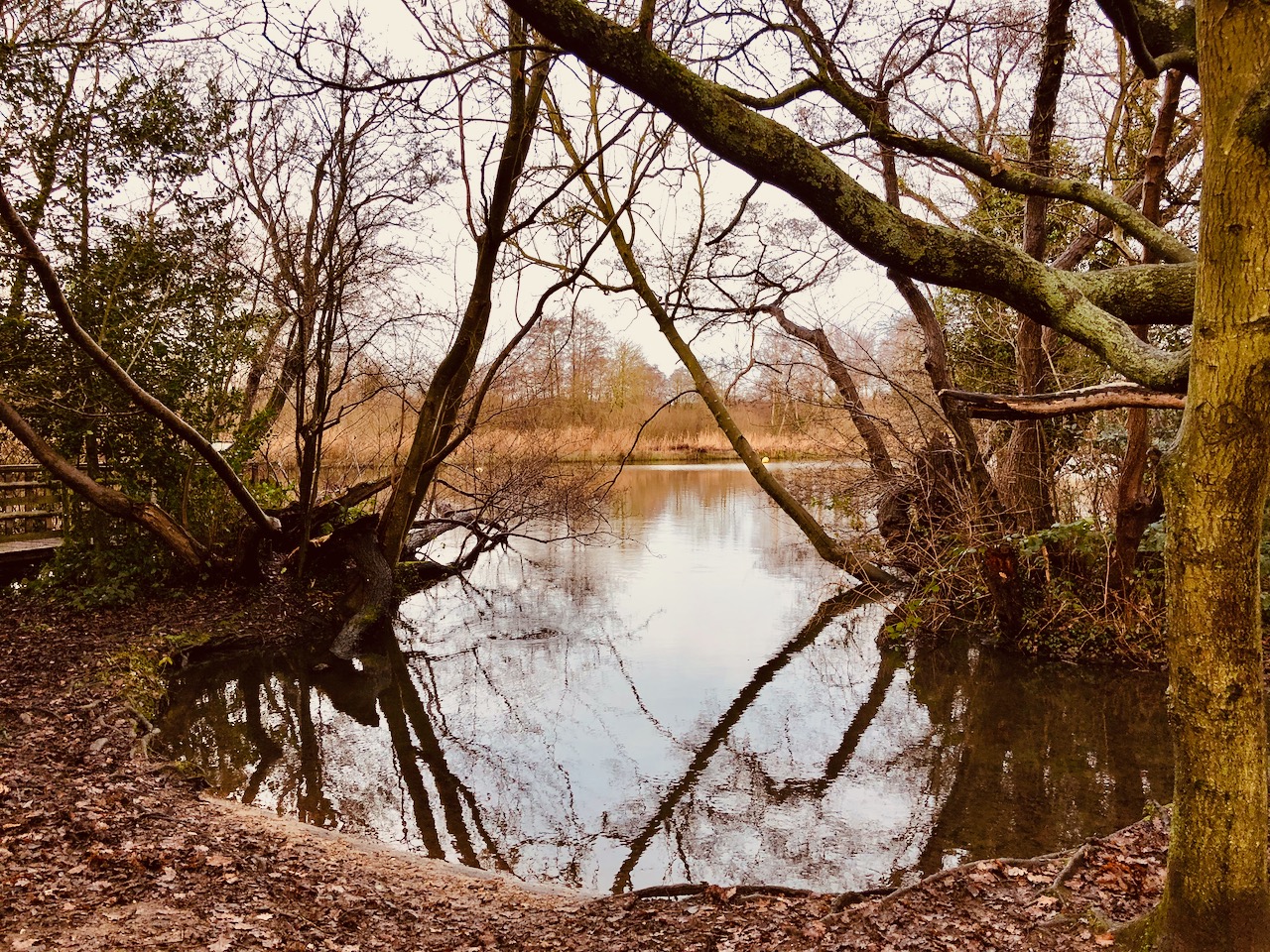
In between Christmas and New Year I managed a few days of not doing very much, aside from more eating, and reading books, pretty good really. Did get out for a few nice walks including down to Salhouse Broad.
It’s really peaceful and regenerative down there at this time of year, without all the boats and bustle. Always seem to bump into someone I know as well – was good to see Nigel, an ex-colleague from work now with longer hair and living the dream playing in bands and whatnot.
ReflectionsHungry swansMajestic swanSalhouse Broad – ducks are a dabbling
I’ve got a bit of a broken knee at the moment due to falling off a climbing wall in November. Some ligaments that are quite important aren’t there anymore, and need to be rebuilt from bits of my hamstring later this year. Means I can’t climb or do Kendo, but can still walk about, albeit with one of those huge knee brace things. I can still cycle. Cycling is in fact encouraged as apparently I need (I was going to do a bad knee pun then but resisted) to have thighs like Chris Hoy’s before the operation. This could be challenging. As always I am thoroughly impressed with the NHS and how hard they work, and enjoyed the MRI scan. They weren’t very complimentary of the Government and how they’ve handled COVID, unsurprisingly.
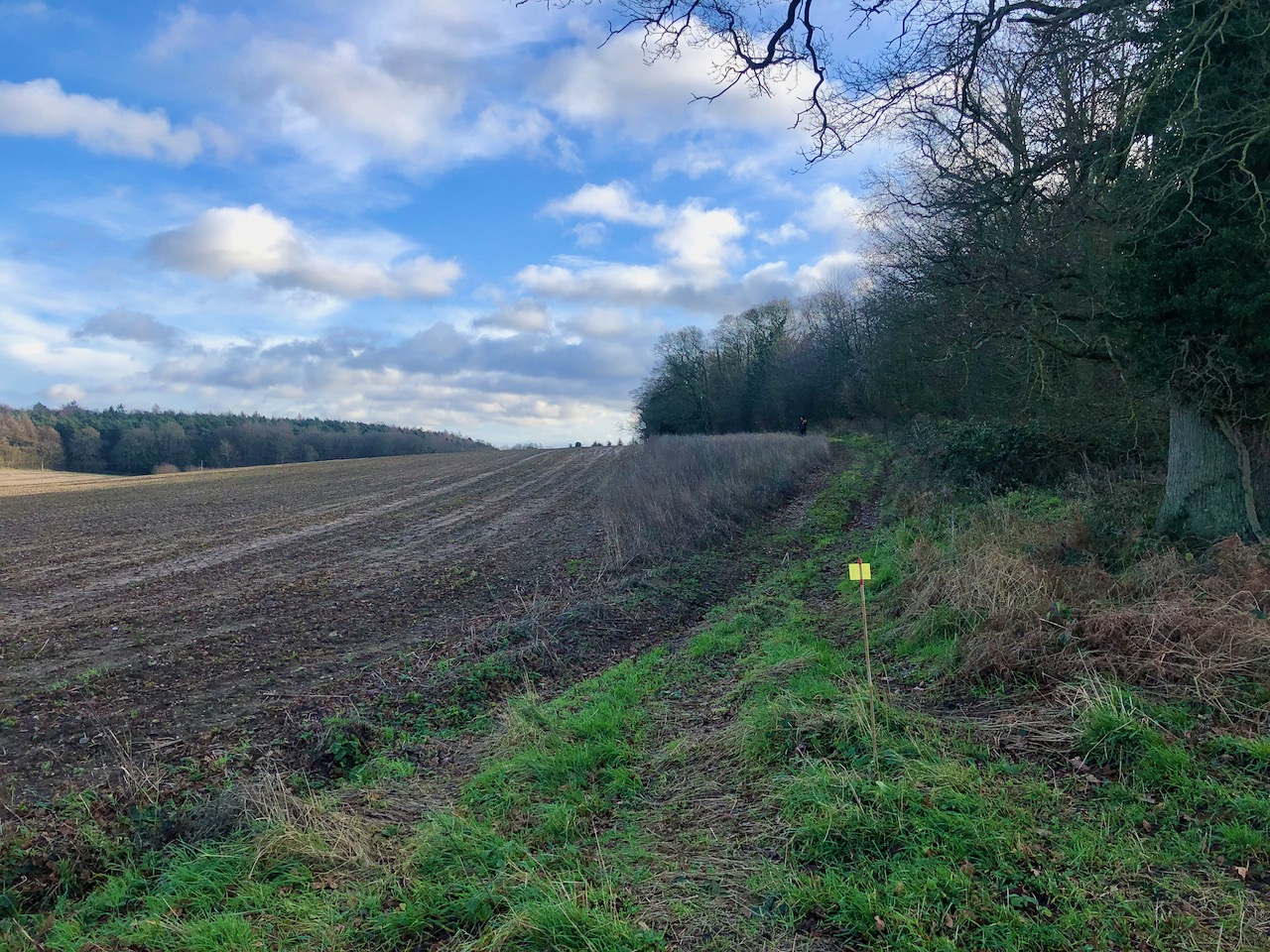
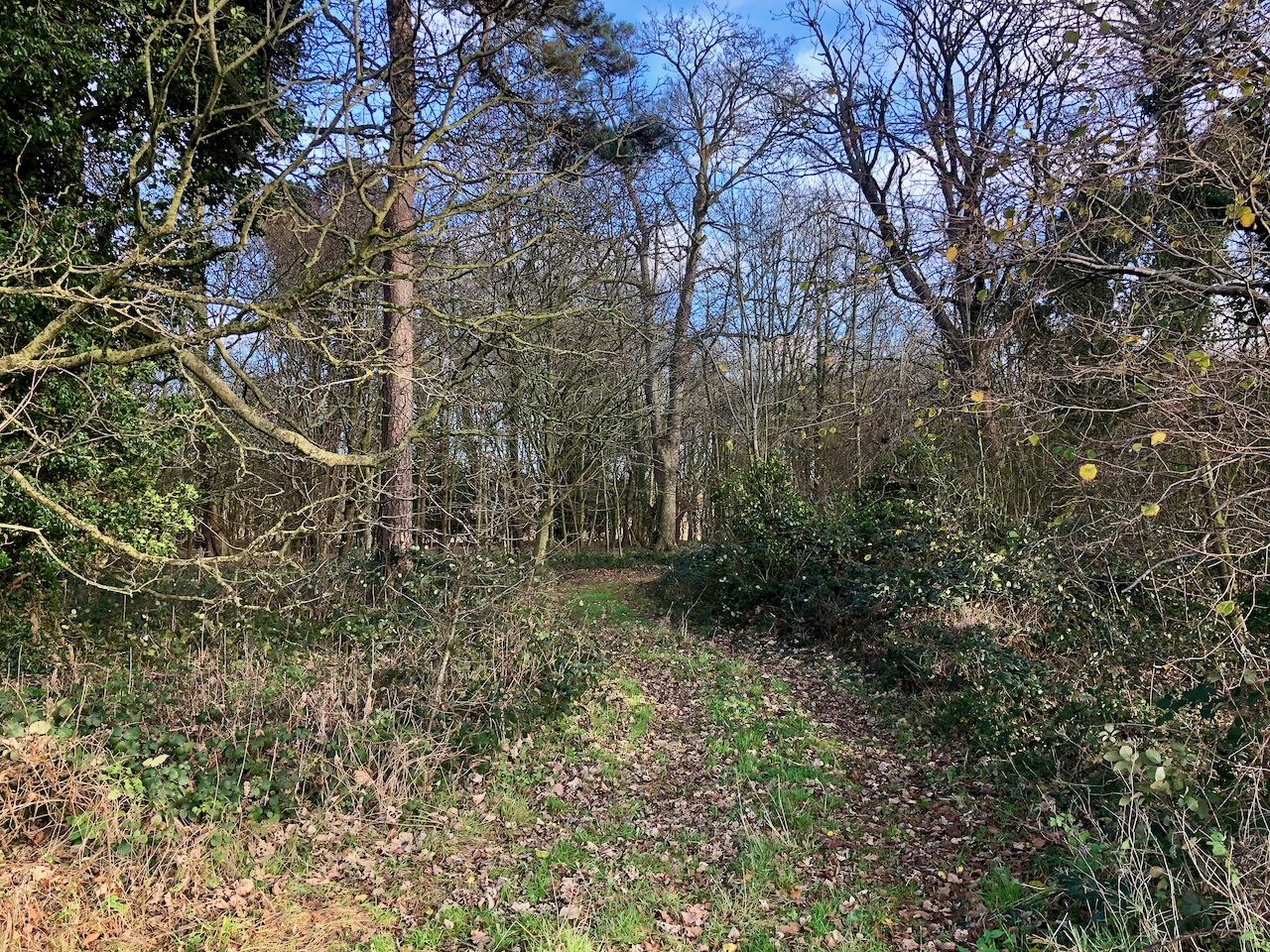
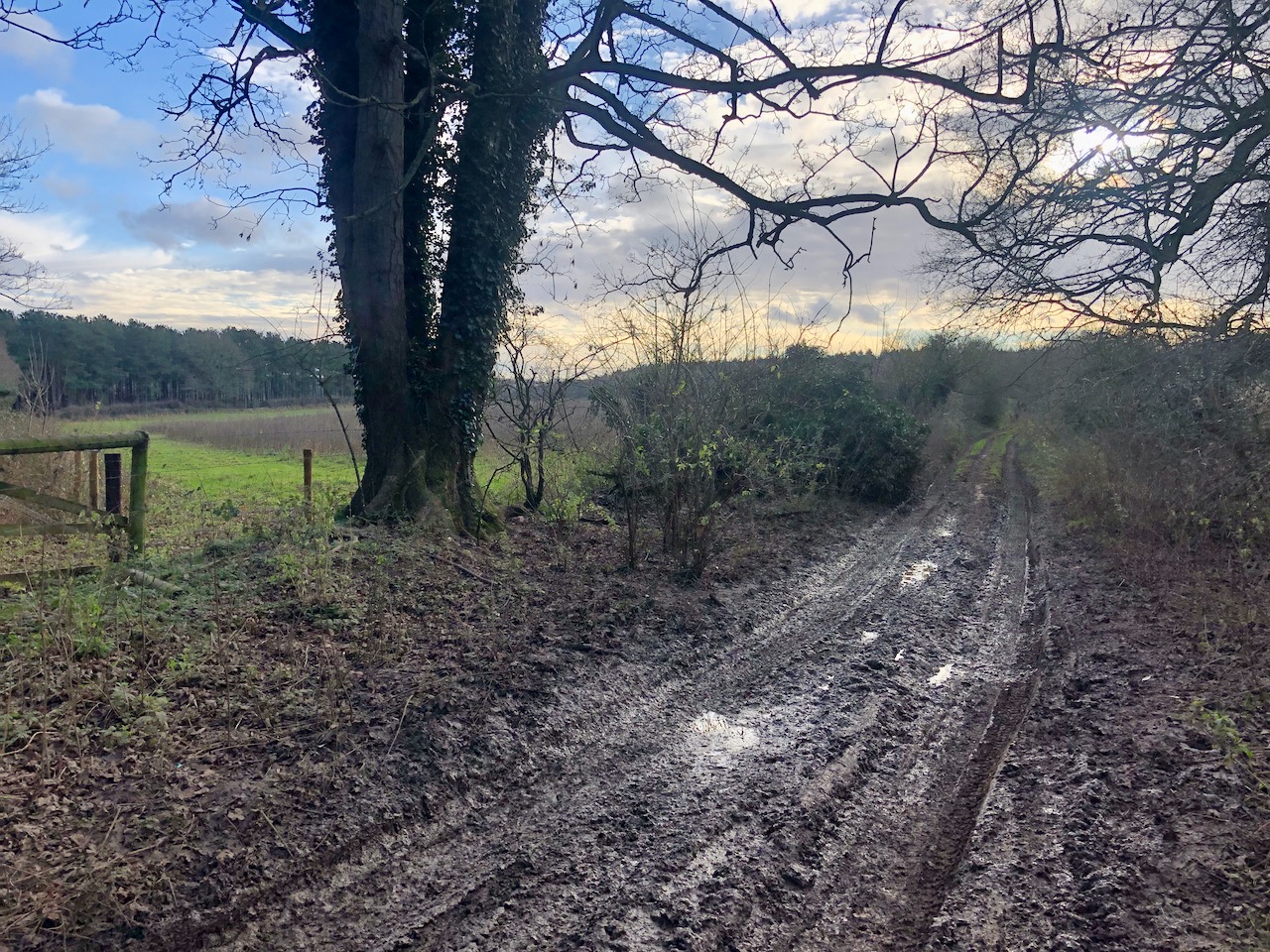
Before going back to work I went for a walk round the Wensum Valley, to look at the proposed route for the Western Link Road. The road will destroy large swathes of beautiful and massively important Norfolk Countryside.
A fine day in the Wensum Valley
The Wensum Valley is a Special Area of Conservation with ancient woodland, rare chalk stream habitat, endangered barbastelle bat colonies and diverse flora and fauna. It would be a travesty if the link road went ahead.
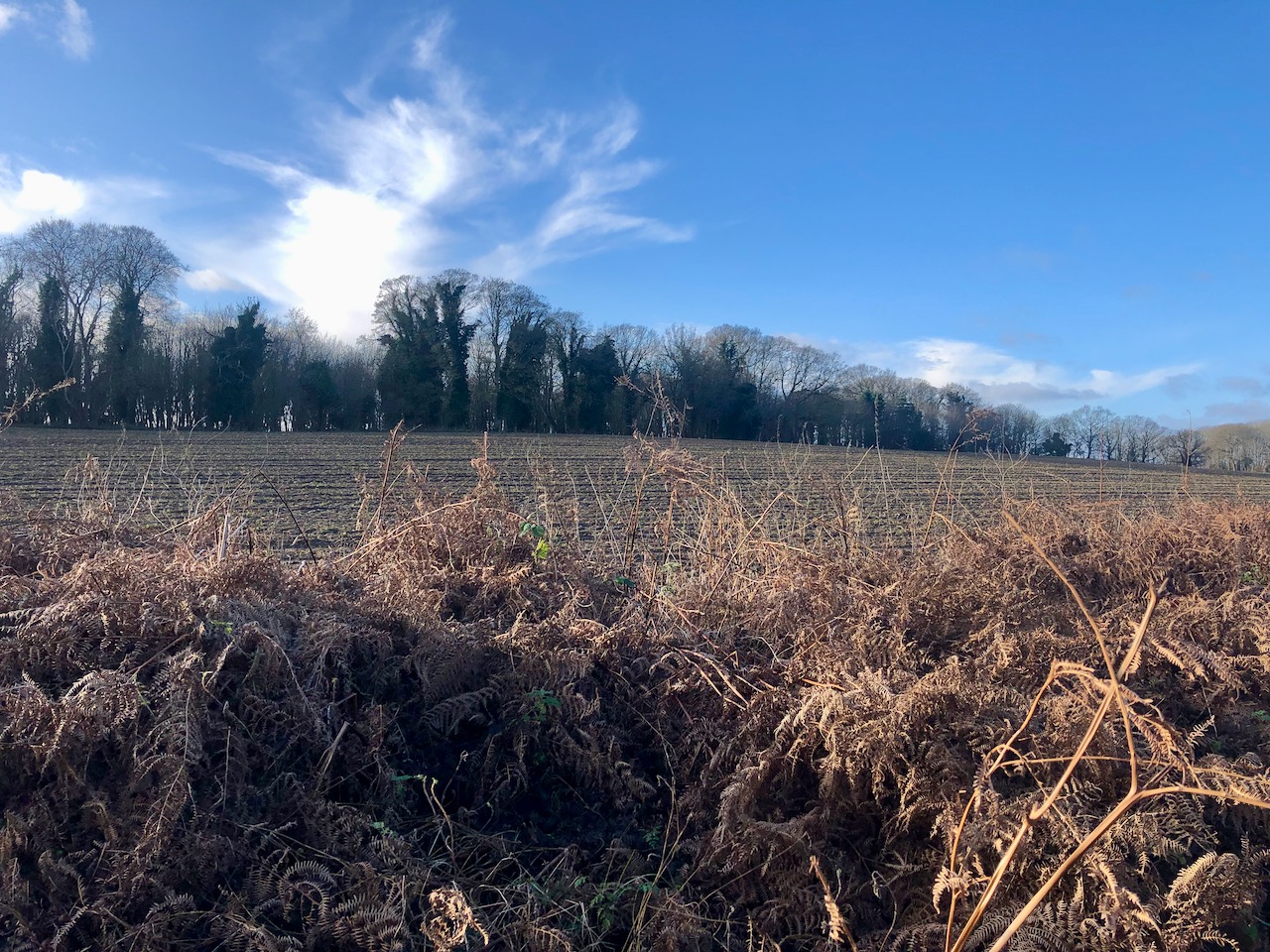
Wetland habitat – Wensum ValleyBracken and birdsongFarmland and Forest
Building the road will devastate rare habitat, plant and animal species, and increase traffic and emissions. We simply can’t afford to carry on with schemes like this whilst we’re in the middle of a climate and ecological emergency. It would be far better if the Council invested in a joined up green public transport plan, including cycling infrastructure, instead of opening up the countryside to more development and cutting 5 or 10 minutes off a journey. The Wensum Valley is the last natural corridor into Norwich, it needs to be saved.
Road will cut through this landscapeWoodland thickets – Wensum ValleyMuddy tracks – Wensum Valley
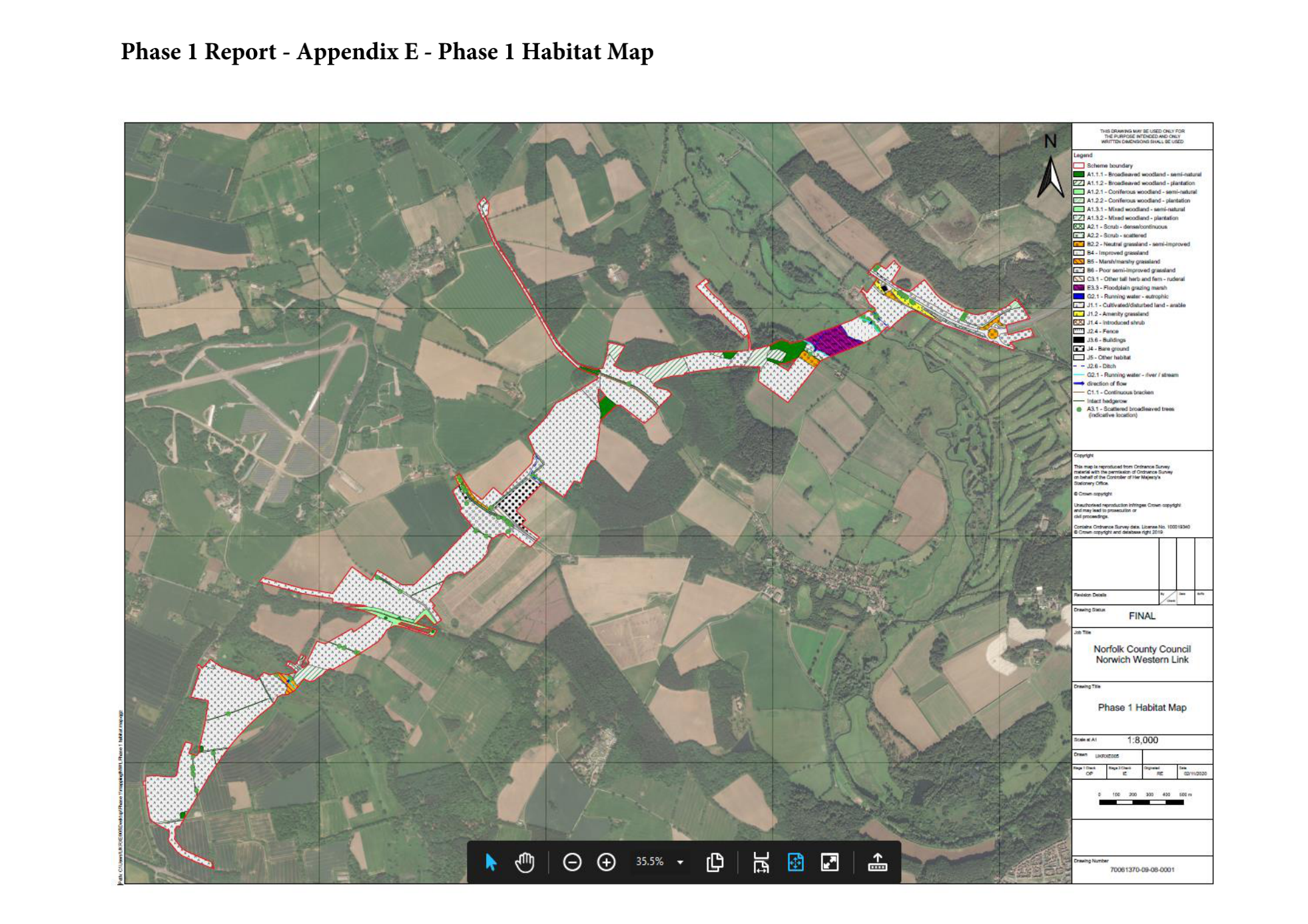
I really do dream of the day when politicians start taking the climate and ecological emergency seriously. Maybe 2022 will be the year for it after last year’s disappointing COP26. Here’s the proposed route for the link road – if you’re Norfolk based please write to your MP and/or councillor to tell them to oppose it, and you can always join the Stop the Wensum Link campaign (or XR Norwich).
Whilst you’re at it please ask them to oppose the Police, Crime, Sentencing and Courts Bill, which could stop you protesting about anything, and will send this country sliding further info authoritarianism. Have a look at the Netpol site for more info.
What else does 2022 have in store? More Extinction Rebellion stuff for me, it feels more important than ever to be out on the streets demanding change, for ourselves as well as the sake of future generations. With wildfires and floods raging round the planet, Antarctic ice melt getting really scary, emissions still going up and the Global South really suffering we need action now, not by 2050. I know this means big lifestyle changes, but surely that’s better than loads of people dying and society breaking down? Maybe see you out rebelling for life later this year – message me if you want to get involved.
I am also hoping for a bit of a gradual career change in 2022. I passed my level 4 Bushcraft course last year, which took two years due to COVID. I am really proud of the achievement and would love to teach stuff to others. Stay tuned for more on that soon. And I can’t recommend The Woodcraft School enough.
And I want to do more cycle touring again. Formulating plans for that too.
Have you watched ‘Don’t Look Up? And if so what did you think? I thought it was brilliant commentary on how politicians and the media don’t take the climate and eco crisis seriously, and how society reacts to it. This was reinforced by much of the media and critics slating it, cos they really don’t get it.
All the best for 2022, and Happy Birthday to Sheila and Susan who are both very young again imminently.
Norfolk. UK. It can be an odd place. There are the obvious jokes that seem to apply to any county that isn’t close to a huge metropolis, or which is agriculturally focussed. After 25 odd years of living here I still find the lack of serious hills a bit boring at times; having grown up in East Sussex with the South Downs, Norfolk can seem a bit flat until you get to the North coast.
It’s a beautiful county though; huge skies and horizons, the Norfolk Broads, the coastline and endless beaches, the picturesque little villages you stumble upon where time still seems to run more slowly than the rest of the world. The people are friendly and hospitable, and not hesitant about sharing a story or two, in fact it can be hard to get away if you engage them in conversation.
Today I went on a slow bike ride around a bit of the the Norfolk Broads, around Neastishead and Irstead, not far from Wroxham. I was deliberately pedalling slowly, just looking at everything, and pausing frequently. There were children playing in the country lanes, neighbours chatting on village greens and staithes (in a mostly socially distant manner) over a glass of cider (ok, can of scrumpy maybe). Nature was thriving everywhere with birds singing, mice foraging, lambs gambolling and even a glimpse of an Otter. And the plants, mighty Oaks and water loving Alder, hundreds of different wildflowers I can’t even begin to name, all buzzing with insect life.
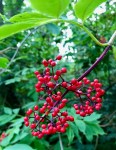
Rowan berries (Mountain Ash have arrived – Sorbus aucuparia
Rowan berries – I think you can make a jelly from them
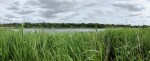
Alder Fen Broad
What’s my point? I was just wondering why people feel the such a compulsion to holiday abroad, getting on a plane, flying to a concrete hotel complex somewhere in the world, with a sterile beach and swimming pool, food they ultimately complain about, with accompanying travel stress and carbon footprint. We have all this on our doorstep. Norfolk isn’t unique in having loads of places to explore and things to do. Coming out of lockdown why don’t we all fly less and visit the wonders on our own doorstep? I’m certain local businesses would appreciate it for a start, and connecting with nature in our local area is so good for folks.
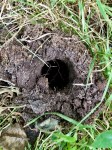
Who would live in a hole like this? Maybe a bank vole?
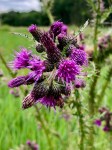
Thistle in bloom
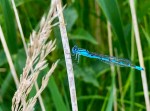
Damsel Fly – so fragile and pretty
I really enjoyed my slow bike ride today, and wander round Alder Fen Broad, then Barton Broad. Highly recommend visiting them; although maybe just leave Alder Fen Broad alone as it’s lovely and quiet, a bit of a hidden gem; so many Dragon Flies!
Feels like there should be crows lined up on this tree
Dragon Fly – don’t know what species – amazing wings
Love the Thistles coming into bloom
Exploring hidden pathways is fun, and did anyone else read Swallows and Amazons as a child?
Hidden waterways
Hidden paths amongst the reeds
Arty grass photo
I’ve really got to get myself a canoe. Sometimes paddling beats pedalling.
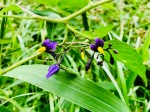
Amazing purple flower with yellow stamens; some sort of vine like plant
Wild raspberries make for a delicious snack
More hidden waterways – I must acquire a canoe
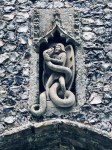
Anyone know the story behind the statue above Irstead Church doorway? Some kind of Broads Serpent maybe? I love how a ride round your local area can inspire your imagination.
Duck weed
Irstead Church and Serpent
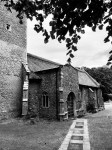
Irstead Church
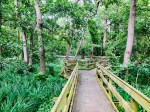
Barton Broad offers another chance to see an example of car woodland; not much of this around anymore.
Barton Broad Boardwalk
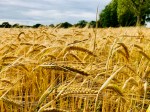
Fields of Barley
It’s been fun exploring my local area whilst I’ve been on holiday. I’m back to work next week, but hoping to work a bit less and get out a bit more!
Finally, for my Extinction Rebellion friends: Next Rebellion announced today, 01 September, Parliament Square in London if you’ve not got a local rebellion. Coincides with Parliament reopening. With Boris saying ‘Build Build Build’ (all the wrong ‘builds’ too), and 4C temp rises now predicted, it’s time to Rebel For Life; We want to Live!
I haven’t written to the Council for a bit, or to my MP, however after pedalling round my local country lanes over the last few days I felt motivated to write the below. I might also submit this to the local newspaper tomorrow to see if they’d life to print a version of it. I’m sharing it on my blog as I’m sure many of you will feel the same way. Here’s a nice photo before getting into the letter; let me know quick if you spot any typos!
Norfolk waterway with willow trees and cow pasture
03 June 2020
Dear Sir/Madam,
I’m sure like me being able to enjoy Norfolk’s glorious countryside over the last few months has been of great solace during lock-down. We have an amazing variety of habitats, plants, mammals and birds, and I was delighted to see the Swallowtail butterflies when I cycled up to Hickling Broad the other day.
I am currently working from home, as are many people; those fortunate enough not to have been furloughed or made redundant, or our committed key workers who run the risk of catching COVID-19. I try to get out once a day for some exercise, which generally involves a bike ride or a walk around the Salhouse area. At the weekend I go on longer rides taking in many of the county’s country lanes, teeming with wildlife and bird song.
One of the upsides of lock-down is that I’ve been able to get out in my local area a bit more, to appreciate nature in all its glory as Spring turns to Summer. The hundreds of varieties of plants and wildflowers, the insects in their multitudes that feed on them, the birds and mammals eating the insects; a wonderful trophic cascade. A couple of week’s ago I spotted a Stoat bouncing down a lane, hunting along the hedgerow, a sight that filled my heart with joy. It was accompanied by the magnificent sound of Skylark’s song overhead.
In the last two weeks it all seems to have dramatically changed, leaving me very sad, and filled with considerable rage.
Now when I cycle down the same routes the roadside verges, once teeming with life, are quiet, shrunken and lifeless things. They have been shorn down to the bare minimum, often the naked earth, as if Mother Nature herself has been scalped. Gone are the wildflowers and plants, the brightly coloured beetles, the butterflies around the nettles, the birds finding food for their young. There is no sign of the Stoat; there’s nothing for it there anymore.
I don’t understand why this is done. I have checked the information on the Norfolk County Council website on the page linked to below:
It says that roadside verges are only cut for safety reasons and not appearance. They are cut to ensure visibility and safety at junctions. It also extols the virtues of ‘almost 10 miles’ of roadside nature reserves; 10 miles, out of the 1000’s of miles of roadside verges we have in the county.
Now I get the safety and junctions point, and to an extent the visibility bit on some stretches, but the cutting goes far above and beyond this. Most cutting, aside from in the very few designated roadside nature reserves, is extreme, leaving very little cover. I am guessing this is to reduce the frequency of cutting, or is just down to ignorance or lack of care for the habitat being destroyed. I guess it’s also possible the contractors doing this work are assessed and have to make sure it’s clear where they’ve cut, and that the council is getting their money’s worth. I imagine there is a whole governance and sign off process around it that’s miles distant from caring about the safety of the plants, mammals and birds whose homes are being destroyed, or the vitality of the habitat that brings so such joy and relief to walkers and cyclists alike.
It’s not just roadside verges. There are reports of park or common land where wildflower meadows that have been allowed to grow, being dramatically cut back, with nesting birds disturbed or killed. Local residents in those areas have been rightfully devastated and angry to find their little bit of nature gone; it’s really bad for people’s mental health.
It appears the temporary reprieve nature had in many parts of the county, due to lock-down, is over. The stay of execution has expired. Not only are roads getting busier again, packed with traffic with a corresponding increase in roadkill (I passed a beautiful grass snake half squashed near Ranworth the other day, and lets not even get into hedgehog deaths), but we have restarted our relentless pursuit of dominance over nature. It’s got to be controlled, cut, shaped, moulded and turned to our purpose.
I request we change the way we’re looking at this. Roadside verges and hedgerows provide some of the last remaining habitat in the UK for our native flora and fauna. We’ve simply got to realise we’re a part of nature, not apart from nature. By destroying it, and roadside verges are just one simple but effective example, we’re harming ourselves and future generations.
Instead of cutting nearly everything back, which seems to be the case in most places, why can’t we reverse the policy and only cut at real key points, such as at junctions as the Norfolk County Council’s website references. On straight stretches of road, with a clear line of sight, there really can’t be any excuse for cutting down to the bare earth. We’re in a climate and ecological emergency, and desperately need to protect our remaining biodiversity. Instead of just a handful of ‘roadside nature reserves’ why can’t we have just a handful of ‘roadside cutting zones’ with the new normal being verdant habitat for wildlife. Give the plants, mammals and nesting birds a chance.
I’d like to talk about a couple of other things, just to support this.
The UK has been hunted, developed and farmed to within an inch of its life for thousands of years. We have very few wild places left, and a massively reduced diversity of plants and animals. Very few bits of ancient woodland, or habitat that has reached its climax state, remain. We are highly critical of other parts of the world who are destroying their own perhaps more obviously biodiverse habitat, such as rainforest, for example for agricultural purposes. The poorer nations doing this are often doing so to provide goods and services for us. They’re doing now what we’ve done to our own country for centuries, and our own corporations are encouraging them to do so in the name of progress and economic growth.
We’re massively exploiting the Global South for things like food, precious minerals for our mobile phones, palm oil and fossil fuels, with profits mostly going to line the pockets of the elite in the Global North. We’re privileged hypocrites and most of the time we don’t even realise it. Can’t we spare our remaining bits of nature the chop, and try and set a bit of an example for other nations? This also links in with social and environmental justice, but that’s a topic for another day.
The Coronavirus originated in China, and it seems evident that anthropogenic (human based) pressure on natural habitats caused the outbreak. Human incursions (habitat destruction, pollution etc) into natural habitat, stressing natural systems and balances, caused this horrible virus to jump to humans, leaving us with a global pandemic and widespread tragedy and grief. I’m not saying that cutting verges and hedgerows will cause a similar outbreak, but it’s the same principle; destroying nature harms us in the long run, and we’ve got to learn to live alongside it and not try and tame it all the time.
I was really hoping that we could emerge from the pandemic with a new strategy for life, a refreshed system, with no going back to old harmful and destructive practices. I know many people are trying to change the way they live, with working from home becoming the new normal, and perhaps reduced consumption rates and associated emissions. Please can we do all we can to encourage this, including stopping the highly destructive practice of roadside verge and hedge cutting where it’s not needed? It may seem like a little thing, but all these small steps add up to something bigger.
And if we can get a new normal, with more working from home and much less traffic on the roads, we could scrap other environmentally and ecologically destructive projects such as the Wensum Link Road, or housing developments on County Wildlife Sites such as Thorpe Woodlands, or plans to expand Norwich airport. We desperately need to invest in a greener and more sustainable future, and to relieve ourselves of the suicidal notion that unfettered economic growth is either possible, a positive measure of success, or leads to happiness and satisfaction.
I humbly request that as a county we revisit the policy on grass verge cutting, as well as decisions made in a different era on developments that are no longer needed, and which don’t make any sense when we know we need to reduce emissions and protect biodiversity.
If we don’t act now, we wont leave anything for future generations. Please stop scalping Mother Earth.
Yours sincerely,
James Harvey
Salhouse resident
P.S. Photographic evidence of excessive roadside verge cutting available upon request













































 Self Propelled