It’s February, and I’m still consumed by rage – with a generous side-order of despair – at our direction of travel. Are we really this stupid? Are we genuinely going to let a tiny proportion of the world’s population completely screw the rest of us over?
Last week I wrote about the government report on the risks of ecosystem collapse to national security. The report was finally released in January, but accusations abound, including from The Times, that this is not the full version. Some of the most worrying conclusions, particularly around food supply chains and geopolitical instability, appear to have been quietly redacted. Hardly in the public interest. And, as mentioned last week, all very Don’t Look Up.
I also wrote a letter to several regional newspapers on the subject, which was published today in the heady heights of the Sunderland Echo.
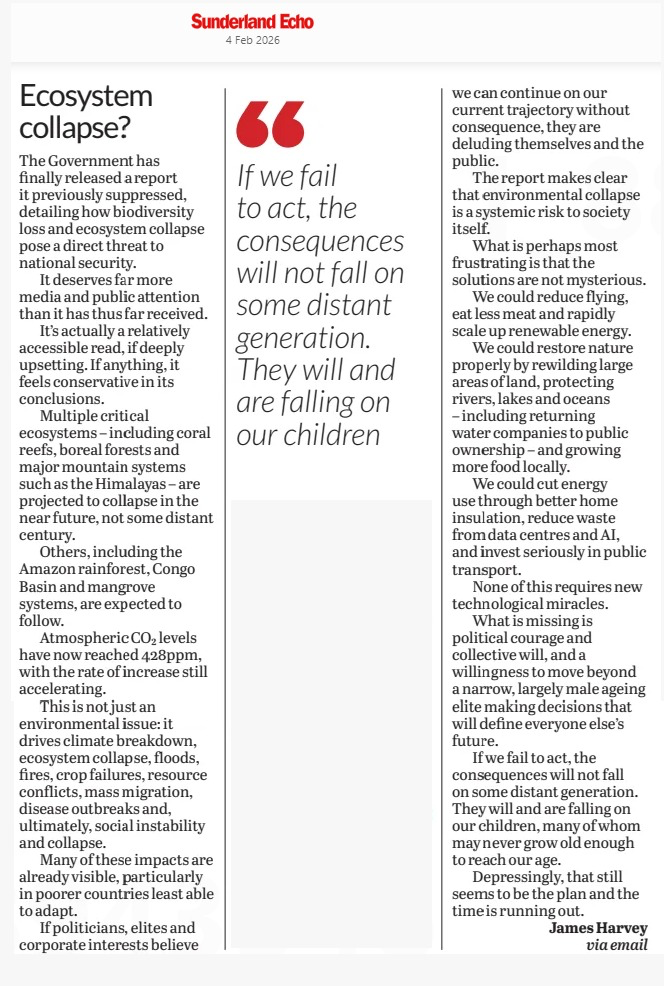
It’s also appeared in the Eastern Daily Press, Derby Telegraph, Leicester Mercury, and a few others – and, unlike the government report, it hasn’t been redacted. For some reason the Daily Mail hasn’t picked it up yet, but I’m sure it’s only a matter of time.
Our excessive lifestyles are driving global heating. Greenhouse gas emissions are still rising, and the climate and nature crises are accelerating, catalysed by feedback loops that are pushing us over, towards – or dangerously close to – irreversible tipping points. When I say “our excessive lifestyles”, I mostly mean the richest 1% of the global population, who are responsible for a grotesquely disproportionate share of emissions and pollution. According to Oxfam, they emit as much as the poorest 66% — around five billion people.
And even within that 1%, things get worse. A tiny subset – the top 0.1% – is responsible for a massive share of those emissions again, thanks to private jets, yachts, multiple mansions, and lifestyles so carbon-intensive they should probably come with a health warning for the planet.
In other words, a microscopic number of people are wrecking the climate for everyone else.
| Group | Approx % of Global Population | Approx % of Global Emissions |
|---|---|---|
| Bottom 99% | ~99% | ~(~84% total, much of it very low per person) |
| Top 1% | ~1% | ~16–17% total emissions (Oxfam International) |
| Top 0.1% (subset of 1%) | ~0.1% | A very large share of that 16% — maybe several % of total emissions just from this tiny slice (per high-emitting daily footprints) (Oxfam International) |
| Top ultra-rich / Billionaires | <<0.1% | Extremely high emissions share per capita (data vary) (Oxfam America) |
What makes this even more obscene is that while countries like the UK are somewhat insulated from the worst impacts of climate breakdown, it’s poorer countries that are already bearing the brunt: floods, fires, crop failures, heatwaves, and displacement. I say “somewhat insulated” deliberately. We’ve already felt the impacts here over the past few years, and they’re accelerating.
If the AMOC (Atlantic Meridional Overturning Circulation) slows down and stops, as recent research warns it might, the UK will experience far colder conditions alongside extreme weather, making food production incredibly difficult. This is not something we should be sitting comfortably about. It could happen within our lifetimes.
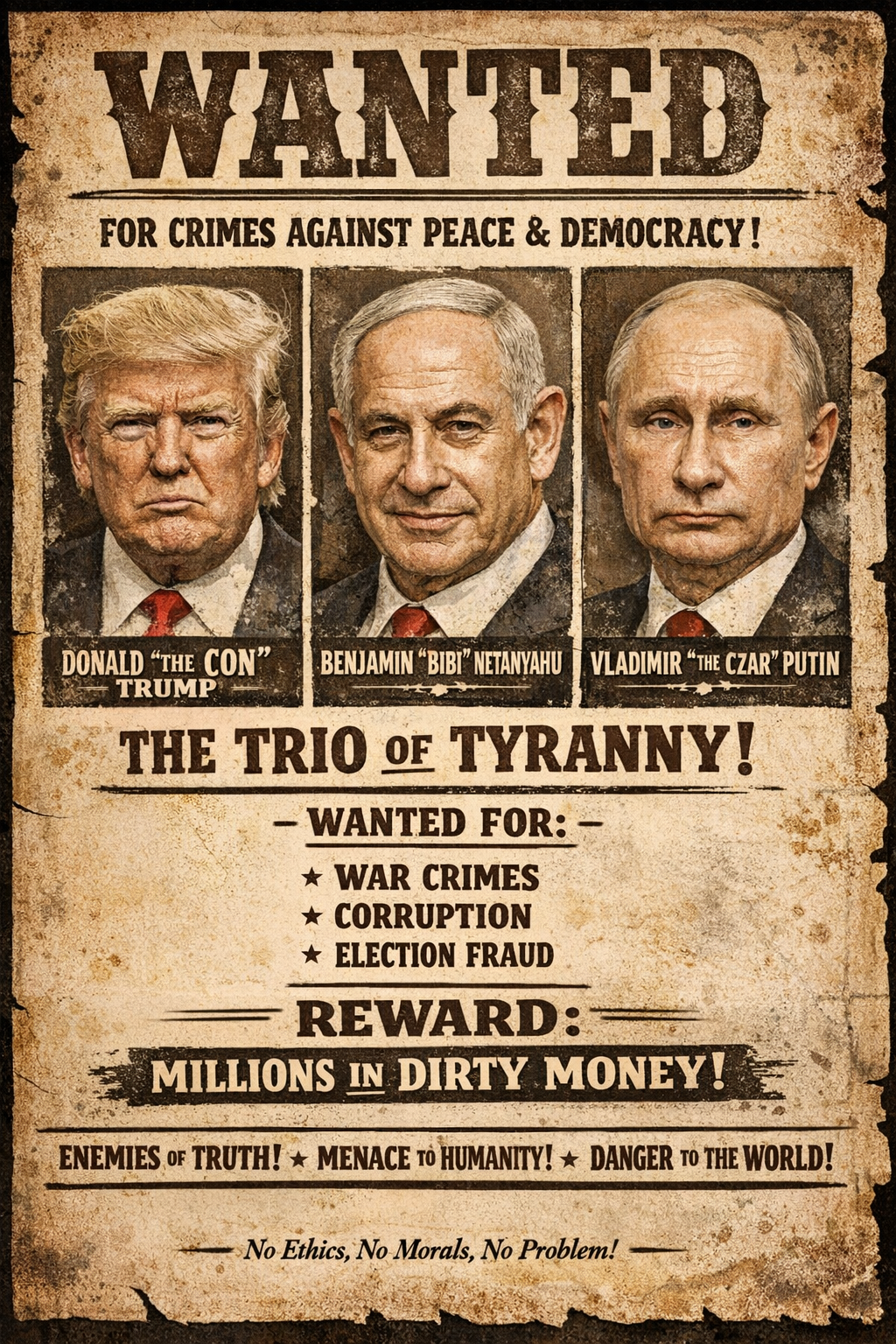
So yes, a small percentage of the world’s elite – the super-rich who control the media, politics, economies, and militaries – are conning us. For years they tried to hide it. Corporations shifted responsibility onto individuals: BP invented the personal carbon footprint calculator; airlines peddled dubious offsetting schemes. But now many of the conmen aren’t even pretending anymore, openly lusting for more power and levels of wealth I can’t even comprehend.
Trump openly told us Venezuela is “about the oil”. An increasingly likely conflict with Iran would be too. Greenland? Rare earth minerals. Netanyahu and Trump have both fantasised about turning Gaza into the “Riviera of the Middle East” – built on the blood, bones, and bodies of Palestinians, thousands of them children. It’s immoral. It’s grotesque.
We’re in the middle of a pandemic, but not COVID, Ebola, or anything biological in the usual sense. This one often presents as a middle-aged or elderly white man with obscene wealth and a messiah complex. A tiny clique with so much money and influence they can bend even well-meaning politicians to their will through donations, threats, blackmail, litigation, and lies.
You see it constantly with oil and gas giants. Their lobbyists meet ministers hundreds of times a year – a level of access completely unavailable to ordinary people. And that access isn’t accidental: it’s transactional.
It’s not just oil and gas. It’s billionaire media barons like Murdoch, pulling the public’s strings while extracting enormous political power. No UK government in recent history has been elected without Murdoch’s blessing. It’s arms manufacturers profiting from wars they often help create through political and media influence. And behind it all sit the financiers and investment firms, funding corruption, death, division, and lies – all to keep shareholder payouts flowing and the illusion alive that they’re “on our side”.
They’re not.
Epstein is one of the most flagrant examples of how far this rot goes. How deep does the abuse run? How far does the money trail stretch? Andrew Mountbatten-Windsor has been outed. Peter Mandelson has been exposed for accepting money and handing over state secrets. Elon Musk, Bill Gates, Bill Clinton, Richard Branson, Steve Bannon, Howard Lutnick, Larry Summers, Brett Ratner, Ehud Barak — all appear in the files, with more names emerging all the time.
Epstein’s links to Putin, the Kremlin, and other authoritarian regimes are well documented. And then there’s Trump – already a convicted sex offender – whose Department of Justice has redacted anything remotely incriminating about him. Yet he’s corrupted the US political system to enrich himself while his brown shirts ICE agents round up and deport thousands, or shoot and kill innocent US citizens.
I’m not saying everyone named in the Epstein files is guilty of a crime. Some will be innocent. But there is a common thread: wealth, power, and overwhelmingly white men. And it’s telling that the only person imprisoned for what Epstein enabled is a woman – Ghislaine Maxwell – while powerful men hide behind redactions. Meanwhile, victims’ names and images are dumped online.
This isn’t justice. It’s a parody of it.
The corrupt, immoral patriarchy rules. A small cabal of the super-rich manipulates political, economic, and social systems to maintain power, controlling much of the media and warping public perception via algorithms and social platforms. The introduction of Palantir will make this worse, but that’s a topic for another day.
In the UK we now live in a surveillance state, with increasingly repressive anti-protest laws, restrictions on freedom of speech, and even the right to trial by jury – enshrined in Magna Carta – under threat. Can we really make the changes needed to safeguard liberty, wellbeing, and democracy in the face of climate breakdown, resource wars, economic collapse, and rising fascism and authoritarianism?
I see no hope in the traditional parties. Labour has reneged on promise after promise and looks set to lose badly next time around. The Conservatives have learned nothing and are racing Reform to the far right. Reform, despite its “anti-establishment” cosplay, is stuffed with millionaire MPs who broke the country, most of them ex-Tories, and now want to privatise what remains — including the NHS.
I do feel hope with the Green Party – of which I’m a member and a District Councillor. Membership is growing. Good, honest candidates are winning. Hannah Spencer stands a strong chance in the Gorton and Denton by-election. Parliamentary gains don’t feel impossible anymore. Coalition power doesn’t feel impossible. Nothing does, not with Labour and the Conservatives floundering and Reform slowly being found out.
But will it be enough?
Will it take back power from billionaires, patriarchy, and the men pulling global strings? Will it stop fascism, protect children, dismantle elite abuse networks? I don’t think it will, not on its own. The systems are too entrenched, too corrupt. Any new party entering power risks being absorbed, neutralised, or corrupted by Westminster and the global elite.
These systems aren’t reformable. They’re fundamentally broken.
Which leaves one conclusion.
We need a revolution – preferably a peaceful one, because history shows violent revolutions rarely deliver lasting justice.
Revolution is the only way to make the radical changes required for a survivable, fair, and just future: tackling the climate and nature crises, redistributing wealth, ending wars of greed, dismantling elite impunity and stopping the rise of fascism. You can already see it beginning: resistance campaigns, mutual aid, community organising, people growing food, fixing things, giving time, showing kindness under adversity.
Resistance is alive. But oppression and repression are fighting back, and the sparks of revolution must be fanned – through non-violent direct action, communication, campaigning, and community – if they are to survive and grow into a blaze that not even the billionaires can extinguish 🔥
If you want to see one example, look at https://takebackpower.net/. There are many others. And yes, consider joining the Green Party. We’ll need its people, ideas, and values for whatever comes next.
That’s all for today.
Simple, really.
We just need a revolution. ✊
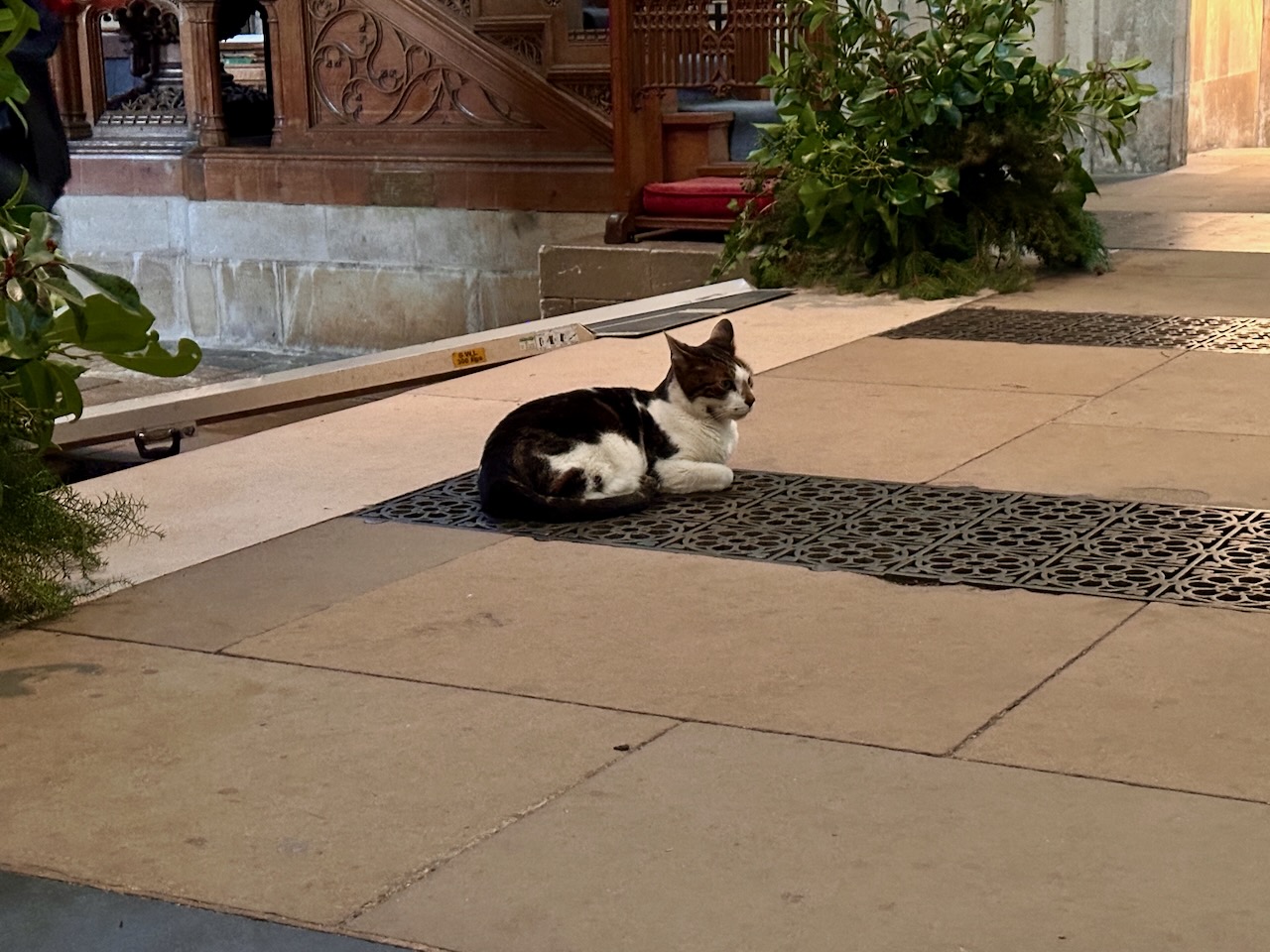
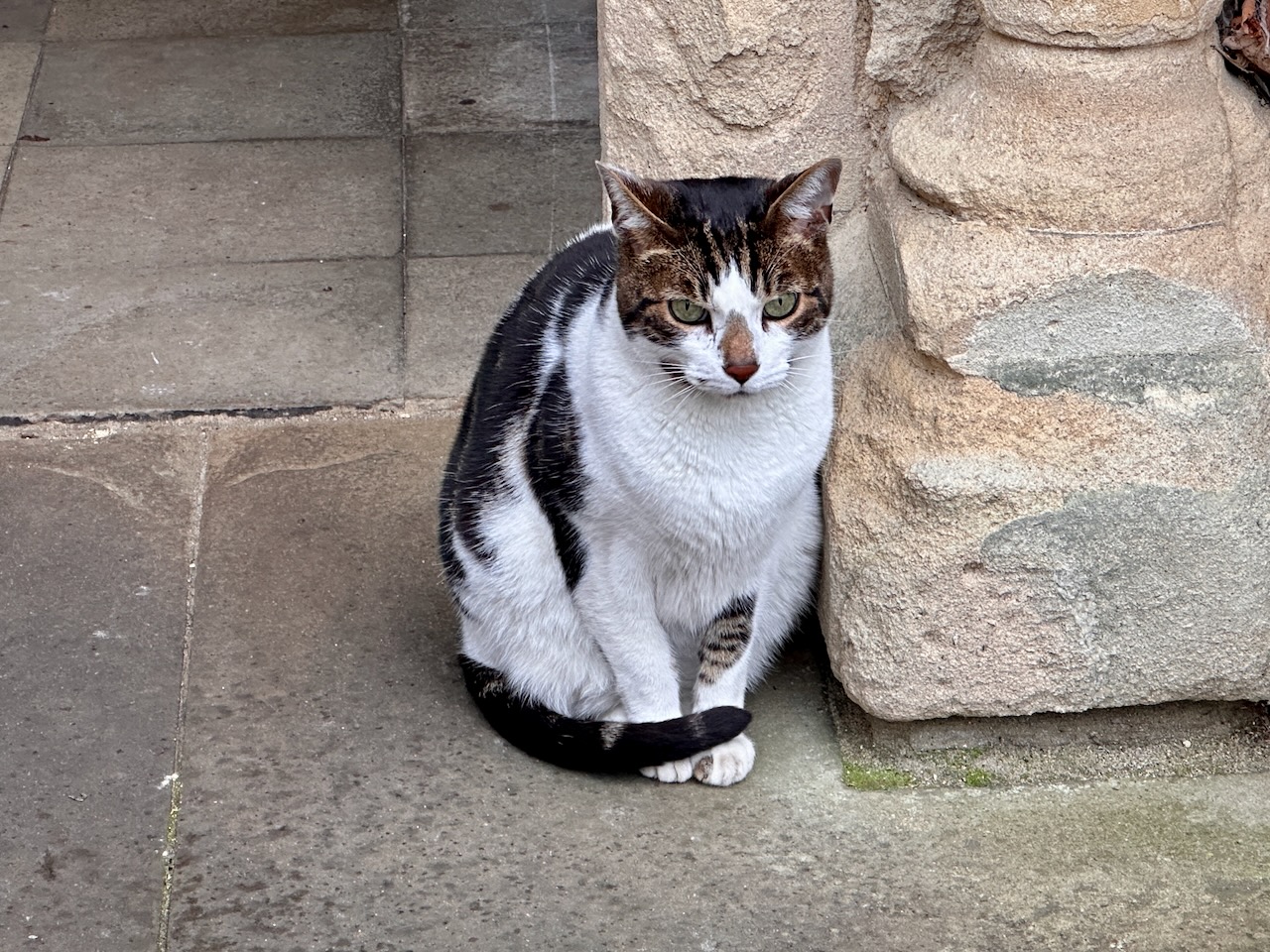
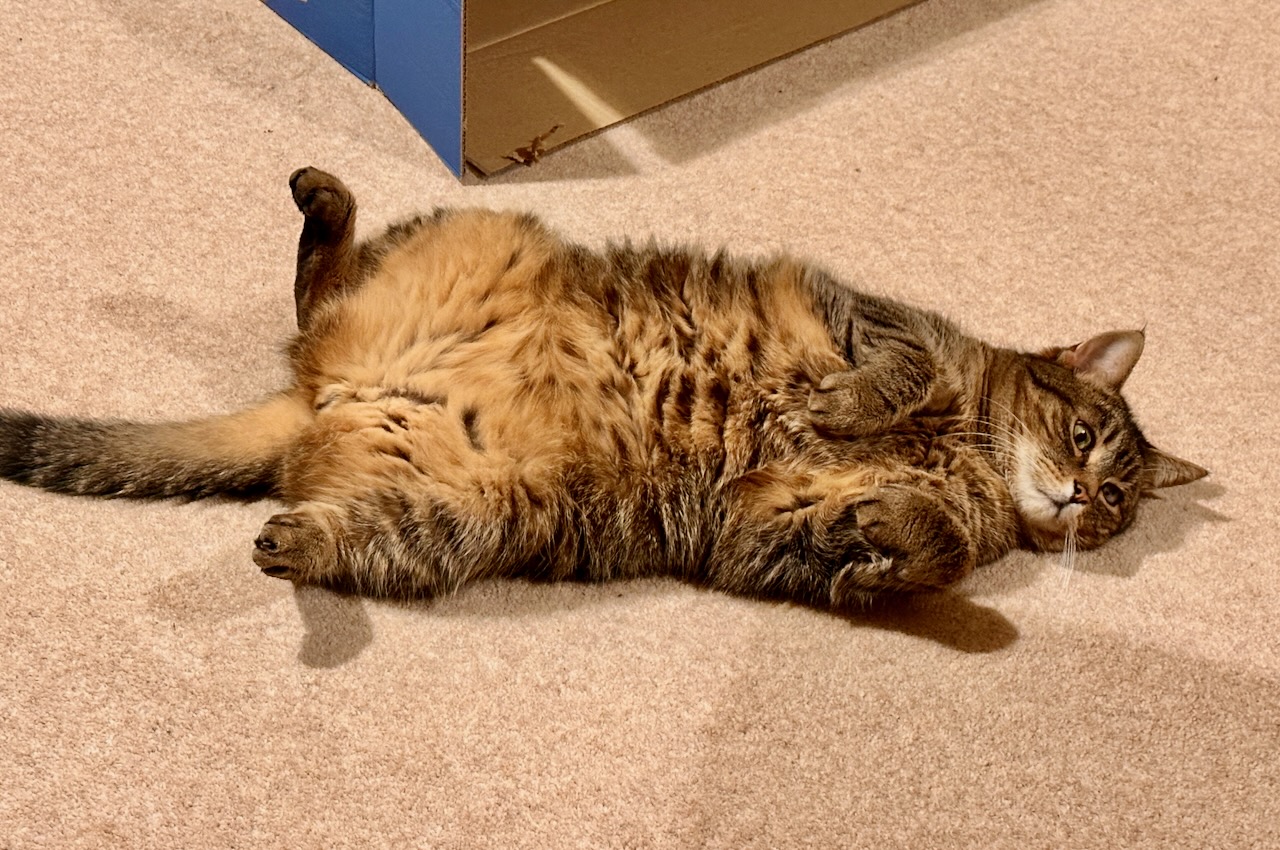
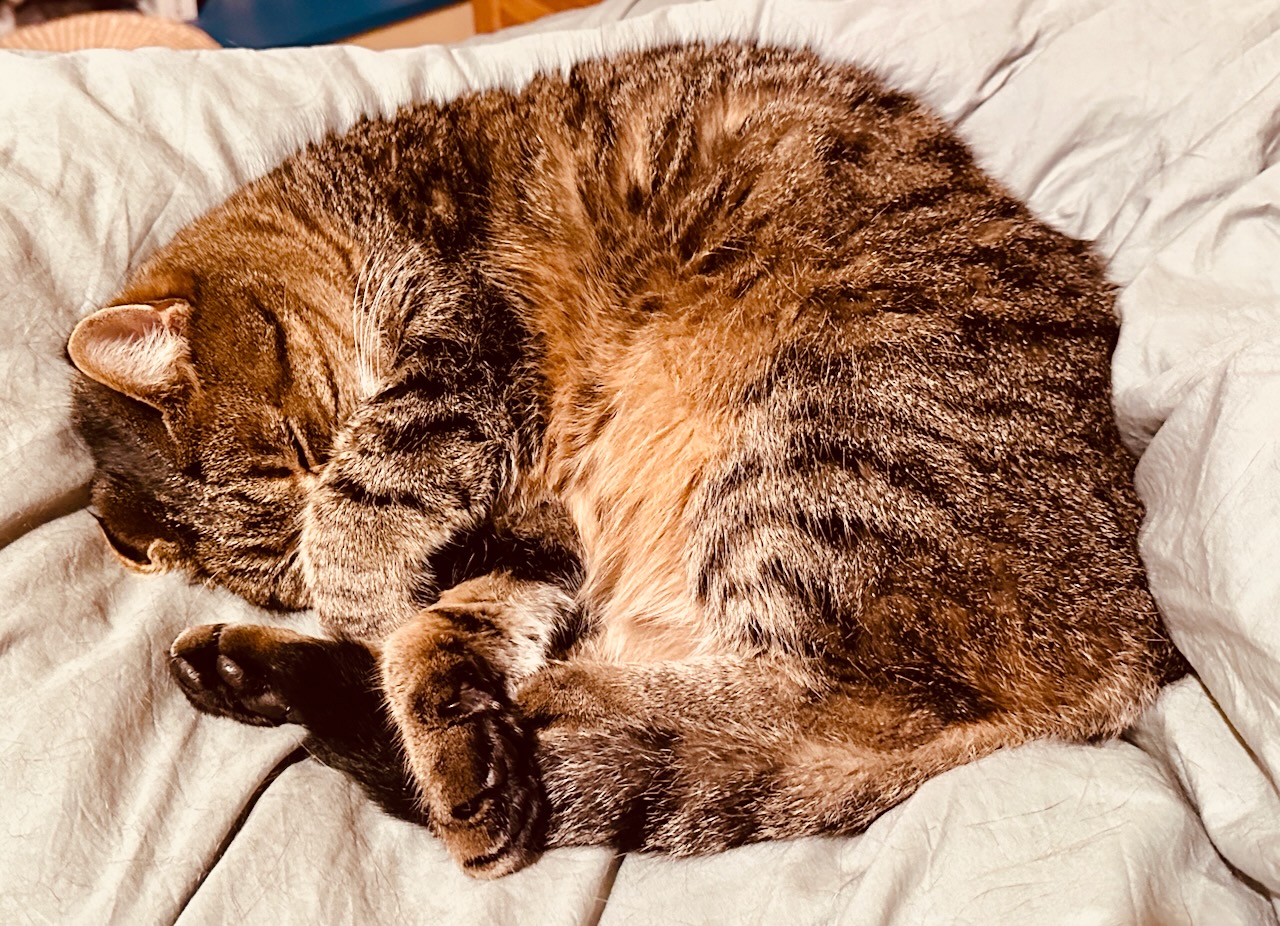
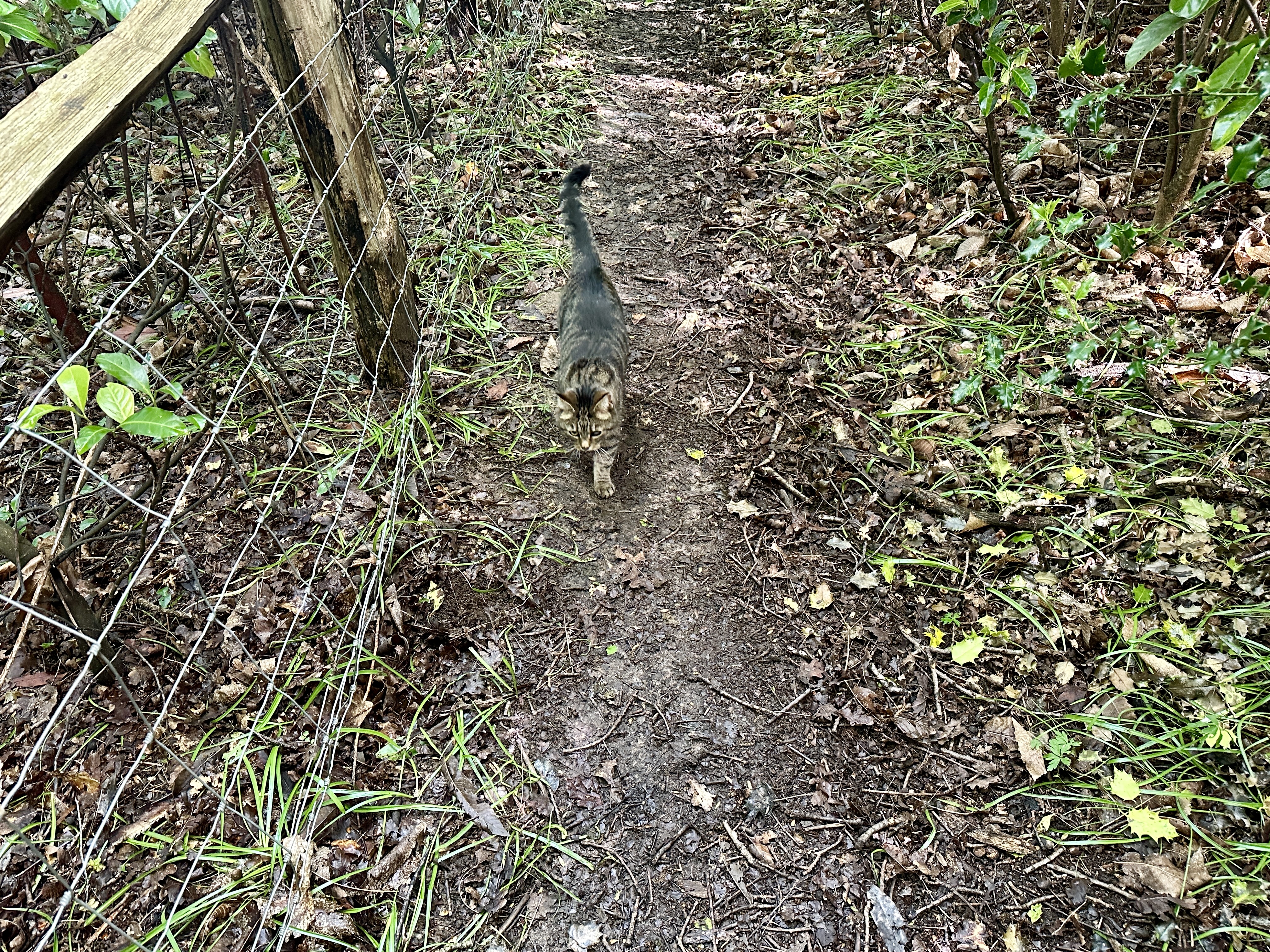
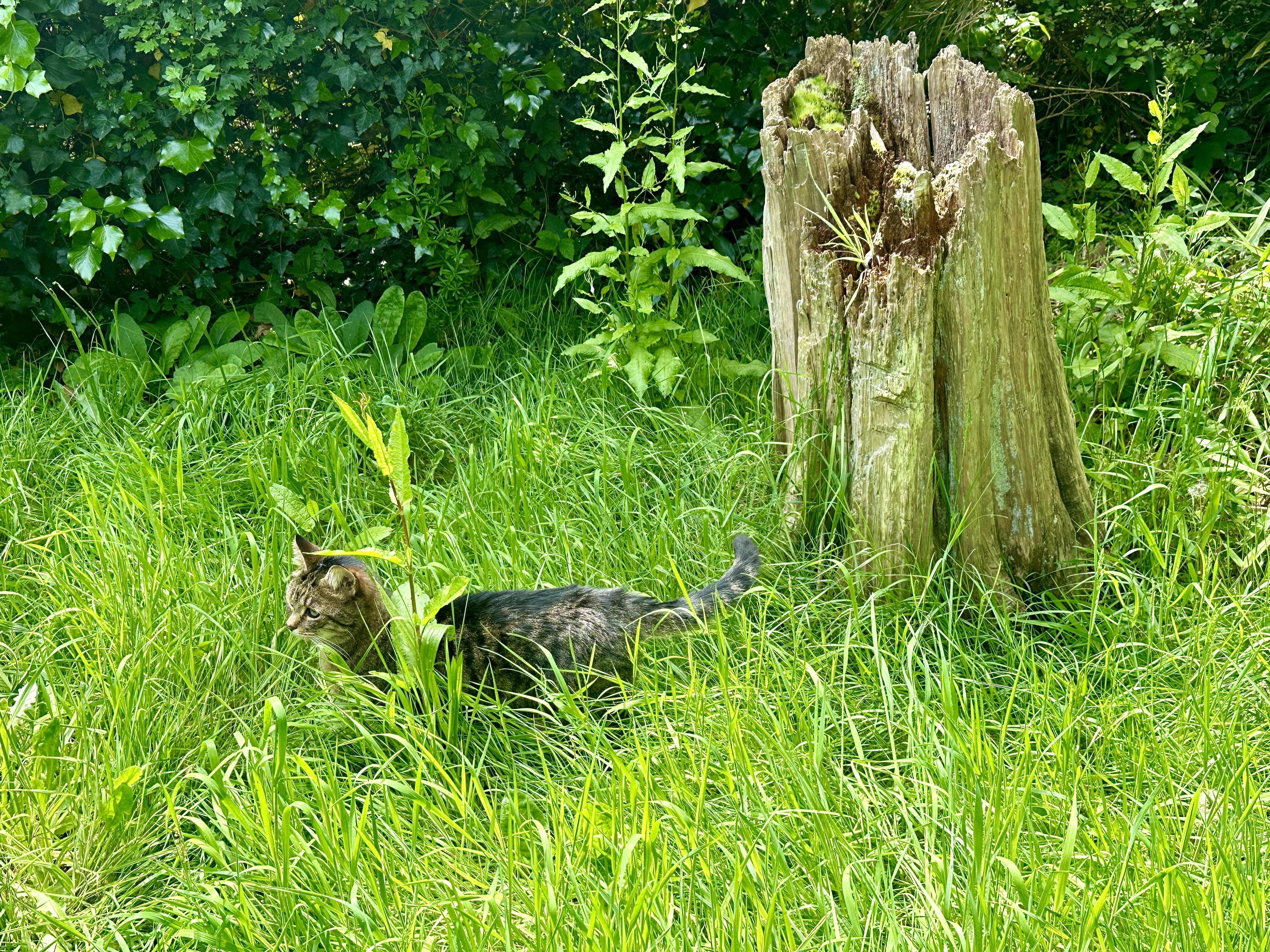
For some light relief here are two pictures of Budge, the Norwich Cathedral cat who I like to visit, and one of Gideon, who runs my house. Who do you think is the most dignified?




 Self Propelled