Tag Archives: Broadland Green Party

Let’s Make Hope Normal Again

I find it increasingly strange, and frankly disturbing, how we’re being conned by politicians, much of the media, and mega-corporations. From birth, we’re bombarded by advertising designed to shape our thinking; by MPs who chase votes with half-truths, misdirection, or outright lies; and now by social media echo chambers that trap us in a cycle of misinformation.

As a Green Party member, I find it refreshing to have leadership that isn’t afraid to tell the truth. As a district councillor, I can vote in the best interests of my constituents – and with my conscience – rather than following the orders of a party whip. Zack Polanski’s election as Green Party leader, by a huge majority, has brought articulate and intelligent debate to the forefront again – on immigration, the climate crisis, renewable energy, and human rights. His policies on taxing the super-rich (the top 1%), reforming the private rental sector, renationalising water companies, and providing universal free childcare are resonating deeply with people across the country.

Green Party membership is now over 140,000, making us the UK’s third-largest political party. Polls put us around 15% of the vote, level with the Lib Dems and closing in on Labour and the Conservatives. Reform UK may be polling slightly higher, but perhaps that’s unsurprising when they’re not bound by things like telling the truth, or avoiding donations from dubious sources. People are joining the Greens in their thousands because we’re the only party that speaks plainly, answers questions directly, and puts people before profit.

Why don’t other political parties do the same? Surely an MP’s job is to represent their constituents – and by acting in their best interests, you’d think re-election would follow naturally. But that’s not how it works. Other parties are deeply influenced by corporate lobbying. Labour, for instance, met oil and gas company representatives over 500 times in their first year of power – that’s an average of two meetings every working day between ministers and fossil fuel lobbyists. Meanwhile, the Conservatives, Labour, and Reform continue to accept large donations from oil and gas interests, climate denial think tanks, and polluting industries. Is it any wonder, then, that their policies serve those industries – while the public is distracted with talk of immigration and welfare spending?

There’s a growing frustration with politicians who dodge questions or distort the truth. Brexit was, in part, a reaction to this. Westminster has become synonymous with elitism, corruption, and detachment from reality. It’s not even a criminal offence to lie in the House of Commons. Again and again, politicians mislead the public with impunity, aided by a media that too often fails to hold them accountable—especially those on the right.

Why isn’t Nigel Farage grilled about the £350 million-a-week NHS pledge that vanished after Brexit? Or challenged on the fact that immigration is essential to sustain our NHS, care sector, farms, and schools, as well as to support an ageing population and pensions system? Why aren’t we hearing that renewable energy is cheaper, faster to build, and infinitely safer than oil and gas?

In 2008, I was fortunate enough to visit the Great Barrier Reef on my honeymoon and swam among the coral and turtles – a breathtaking experience. Last week, I read that we’ve passed the planet’s first major climate tipping point: warm-water coral reefs are dying and will soon disappear. Hundreds of millions of people depend on them for food and livelihoods. Other tipping points – Amazon rainforest dieback, ocean current collapse, permafrost melt, and ice sheet loss – are not far behind. Each accelerates the next, creating feedback loops that speed up climate breakdown.

Then, this morning, I received an email from the Government responding to a petition to halt airport expansion. Part of it read:

“The Government therefore supports airport expansion where proposals contribute to economic growth, can be delivered in line with the UK’s legally binding climate change commitments, and meet strict environmental requirements on air quality and noise pollution.”

The list of planned expansions – Gatwick, Luton, Stansted, and beyond – was all about “economic growth” and maintaining the status quo. But if we don’t act decisively to cut emissions, climate breakdown will destroy any chance of growth – and in some regions, any chance of survival.

Carbon dioxide levels are still rising. Meanwhile, the fossil fuel industry funds anti–net zero campaigns and uses politicians as mouthpieces to protect their profits. Green energy offers a massive opportunity: it can create jobs, cut bills, and reduce emissions. We could lower bills immediately by cutting the link between electricity and gas prices, but that would hurt oil and gas profits, so it doesn’t happen. These same companies continue to receive huge public subsidies that dwarf support for renewables.

Airport expansion is simply incompatible with our climate goals. No amount of greenwashing through “sustainable aviation fuel” or dodgy carbon offsetting schemes will change that.

If we’re serious about telling the truth, we need to be honest about green energy too: why we need to decarbonise, why solar panels (covering just 0.7% of UK land – less than golf courses) can help power our future, and why upgrading the grid and installing battery storage is essential – even if that sometimes means projects are built near where we live. Time and money are tight, and we don’t have time to always wait for the perfect solution.

The clock is ticking. Hundreds of millions in the Global South are already dying from floods, fires, famine, and disease linked to climate breakdown. We’re not immune here either: UK farmers face failing harvests, rising food prices, and more frequent flooding. Some truths will be uncomfortable and require lifestyle changes – but that’s a small price to pay compared with a world of famine, fire, and forced migration.

Scientists and even insurance companies are warning us. The Institute and Faculty of Actuaries (IFoA) recently projected global GDP losses of up to 50% between 2070 and 2090 and warned that a +3°C world – possible as soon as 2050 – could cause over four billion deaths, social collapse, and mass extinction events. GDP loss seems almost trivial in comparison.

The Green Party tells it like it is – guided by science, compassion, and a commitment to act in the best interests of the majority, not a privileged few. Our membership continues to grow rapidly. We’re out on the streets, talking to people, telling the truth, and offering real solutions not tainted by corruption or corporate influence.

The good news? If we act now, we can still build a fairer, healthier, and more hopeful future – for ourselves, our children, and the countless other species we share this planet with.

Come join us – and let’s make hope normal again.

Promoted by James Harvey on behalf of Broadland Green Party, a constituent party of the Green Party of England & Wales PO Box 78066, London, SE16 9GQ

Green Party

Our Countryside Deserves Better Than Endless Development

This is a blog post I wrote for the Broadland Green Party website, partly in my capacity as a Green Party district councillor. I think I therefore have to include a digital imprint, so here it is: Promoted by James Harvey on behalf of Broadland Green Party, a constituent party of the Green Party of England & Wales PO Box 78066, London, SE16 9GQ

It can often feel as though our farmland, countryside, and the few remaining wild spaces are being steadily consumed in the name of “growth” — the relentless drive to build more houses and satisfy developers’ appetite for profit.

This was evident at the recent Broadland District Council Planning Committee meeting, where permission was granted for 200 dwellings, including 90 retirement apartments, alongside a country park and parking. This decision was made despite the development not being in the local plan, and despite strong objections from the Parish Council, local residents, and Green Party district councillors.

Communities Ignored

Time and again, developments are approved against the wishes of local communities.
People are rightly concerned about a wide range of issues, including:

  • The loss of good-quality farmland needed for growing food
  • The destruction of nature — our woods, hedgerows, and wildlife habitats are under threat
  • Local roads already struggling with traffic and in poor condition
  • Overwhelmed sewerage systems and limited water supply
  • Insufficient local employment opportunities
  • Overstretched doctors and dentists, making appointments hard to get
  • Local schools with no spare capacity
  • Flood-prone land — a risk worsened by climate breakdown
  • Rising air and noise pollution from more houses and roads
  • Poor public transport links and lack of cycling infrastructure

Yet these legitimate objections are often ignored, overruled, or dismissed due to complex planning regulations and housing targets set by central government.

How the System Fails Local People

Planning officers frequently cite what can be a bewildering array of planning rules and legislation that make it hard for councillors — let alone residents — to challenge inappropriate developments.

Government policy requires councils to maintain a five-year housing land supply, ensuring “sustainable residential development” as set out in the National Planning Policy Framework (NPPF) 2024. Unfortunately, the Labour Government under their “Build, Build, Build” mantra increased the housing target for every Local Plan by 34%. Hence, no sooner had we agreed and published the GNLP it was out of date.

There will now be a “call for sites” in early 2026 to accommodate the extra 600 houses per year, an increase from 2,000 to 2,600. Because Broadland currently cannot demonstrate a five-year housing supply, developers are allowed to put forward speculative (or predatory) proposals for sites outside the Greater Norwich Local Plan (GNLP) – even when local people object.

It’s worth noting that Broadland Green councillors were not in favour of the GNLP, but without a plan, developers would have free rein to build wherever they wanted. Supporting the GNLP became, unfortunately, the lesser of two evils.

A Growing Sense of Anger and Frustration

We fully understand why residents feel angry and powerless as excessive housing developments encroach on towns and villages, straining local infrastructure and changing the character of cherished communities.

We can argue that new developments can bring opportunities, diversity, and economic benefits. While that may sometimes be true, it’s hard to make that case when local councillors and residents alike see their surroundings being irrevocably changed — often without meaningful local input.

The Challenge of Objecting

To make a legitimate objection, we must show how a proposal conflicts with planning policy. Each application must be judged on its own merits, and when there’s a housing shortfall, the so-called “tilted balance” comes into play — meaning that planning permission should be granted unless there are strong reasons for refusal.

This makes it incredibly difficult for communities to resist developments, even when the case against them seems obvious.

Developers and Trust

Many people simply don’t trust developers — and who can blame them? Too often, promises about affordable or social housing are quietly dropped once planning permission is secured.

Meanwhile, faith in national politics has eroded. Too many politicians fail to understand or represent the people they serve. The planning system itself is deeply flawed, with too much power concentrated in the central Planning Inspectorate, which can and does overrule local decisions.

If proposals for single “unitary councils” — Broadland has suggested three — go ahead, this erosion of local democracy could get even worse. All the while, the drive for endless growth continues on a planet with finite resources.

Smarter Solutions Exist

There are better ways to meet housing needs without destroying green spaces.

In England, there are over one million empty homes — including long-term vacant properties, second homes, holiday lets, and homes left empty due to care or probate. According to Action on Empty Homes, around 325,000 people are currently in temporary accommodation, with many more sleeping rough.

Instead of relentlessly building on our countryside to enrich a small number of developers, why not prioritise bringing empty homes back into use?

We also need a wealth tax to address the widening gap between the super-rich and everyone else, ensuring fairer funding for housing and public services.

Building the Right Homes in the Right Places

Some new housing is, of course, necessary. But it must be the right kind of housing — affordable for local people and built in the right locations.

We need more urban regeneration and brownfield development, not sprawl across our countryside and remaining natural habitats. It’s unacceptable that key workers in the NHS, emergency services or care-workers, and other essential services can’t afford to live near where they work, or that local young people are priced out of their own communities.

Likewise, those moving into new areas should have access to suitable housing — and that means utilising empty properties and building responsibly.

And it’s long past time to end the Right to Buy scheme, which has depleted social housing stock and worsened the housing crisis.

Hope for a Greener Future

The Green Party is growing, with more members and support than ever before. Under the new leadership of Zack Polanski, we will continue to challenge government policies that fail local people — both in councils and in Parliament.

With your support, we can build a fairer, greener, and more democratic future — one where communities have a genuine voice, and where hope becomes normal again.

James Harvey, Green Party district councillor for Plumstead Ward

Tree Survey – NDR – initial visit

Today was one of those glorious Autumn days, cold and bright, with a lovely fresh smell in the air. For a while now I’ve been wondering how many trees the council planted alongside the new dual carriageway near me have actually survived, so I thought I go take a look. Short answer from the small survey of 216 trees on one particular stretch: 16% have died.

The Northern Distributor Road (NDR) has been open for a few years now, and had lots of trees planted alongside it to try to restore the damage done by the road. We’re supposed to call it the Broadland Northway now; I think this is probably an effort by Norfolk County Council to disguise the fact that its purpose is to open up the countryside to more development, distributing traffic to new parts of the county.

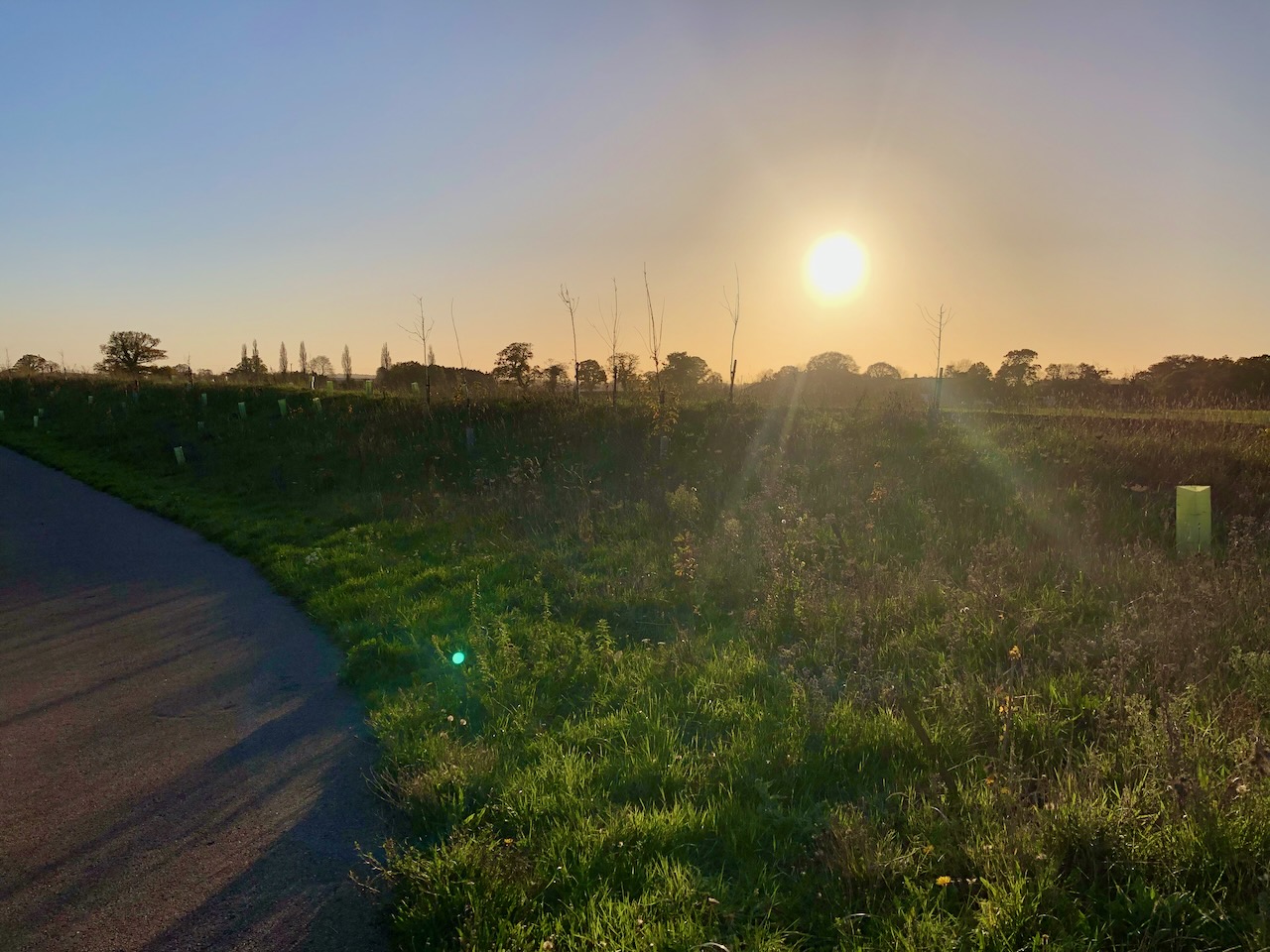
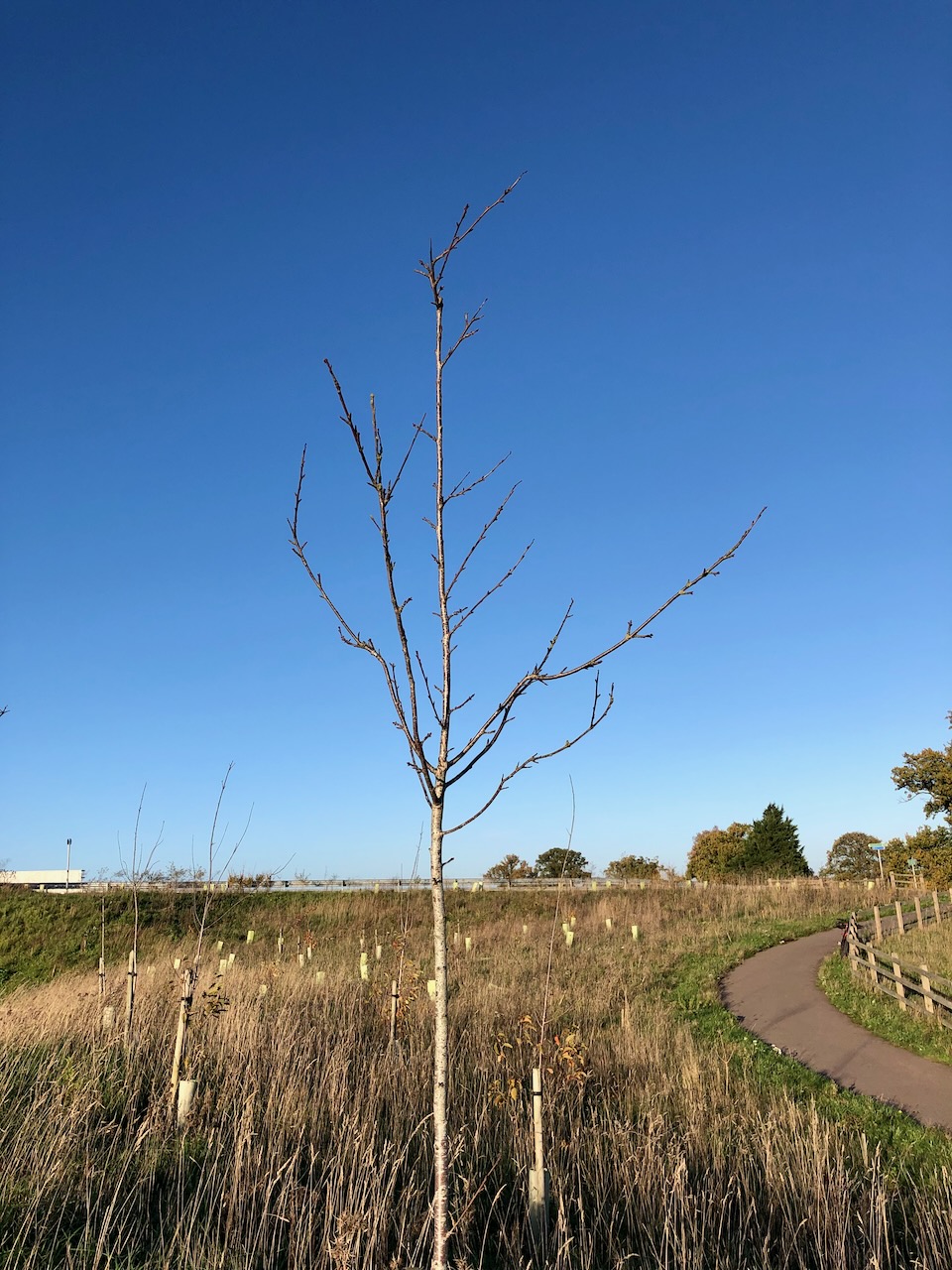
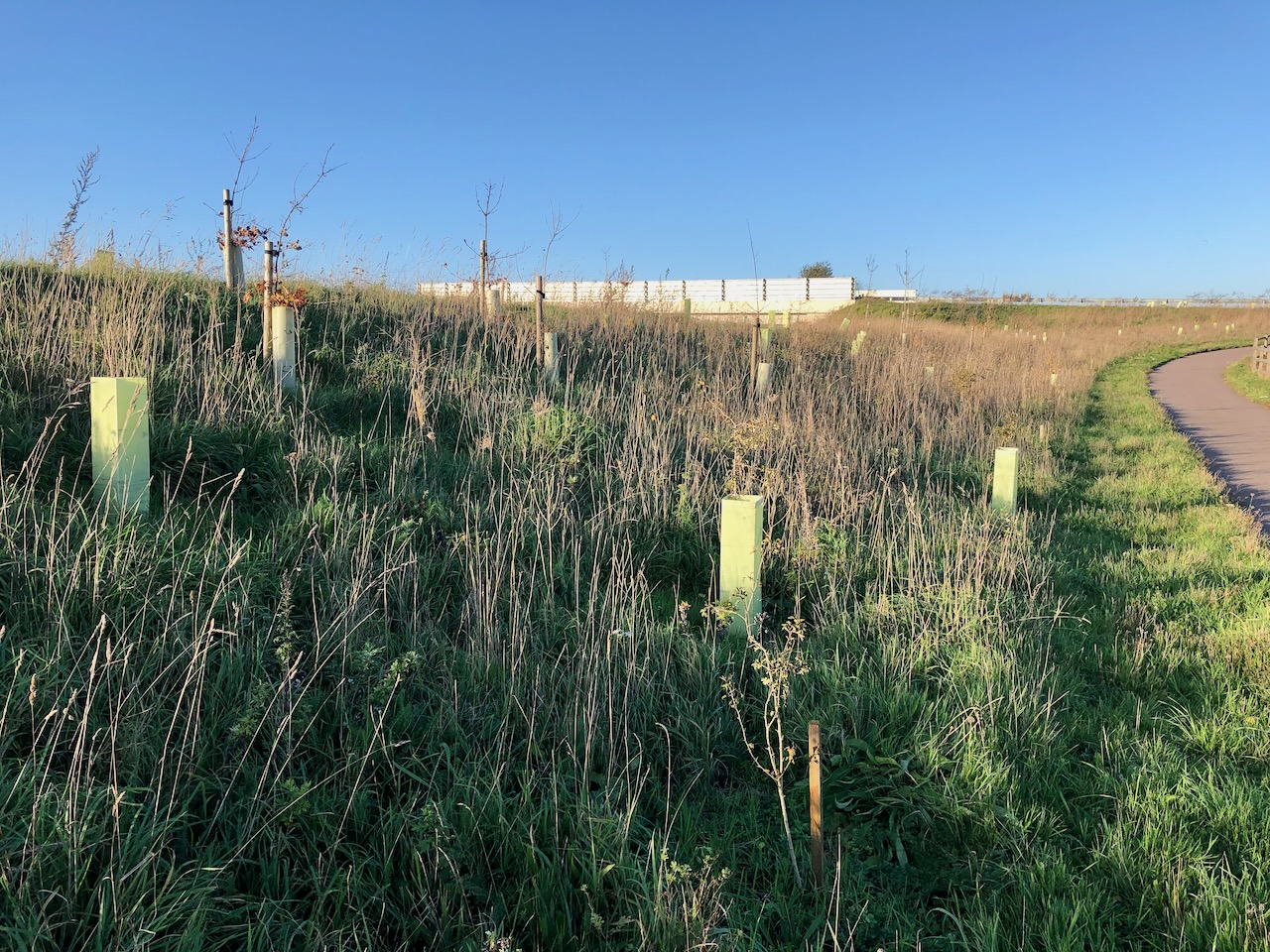
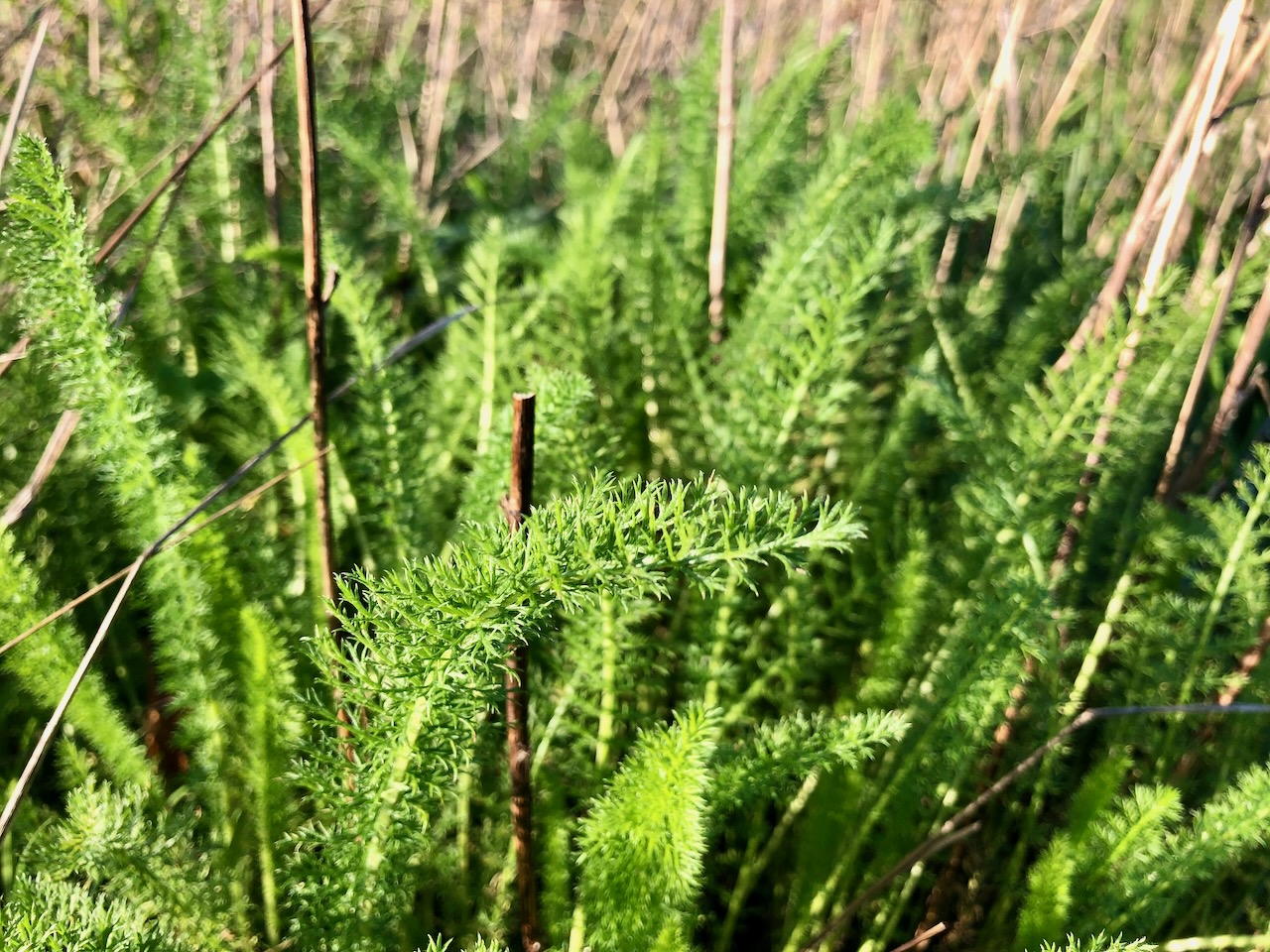
Unfortunately, many of the trees planted have died due to the extreme weather we’ve been having. It’s just been too hot and dry, and they haven’t been watered sufficiently. A plethora of plastic tree guards now stand empty in many places, grave markers for the saplings that have sadly perished. It was good to see so many other plants growing in the verge alongside the road, however I’m sure Yarrow shouldn’t be flowering at this time of year; I guess that’s because of how warm it’s been.

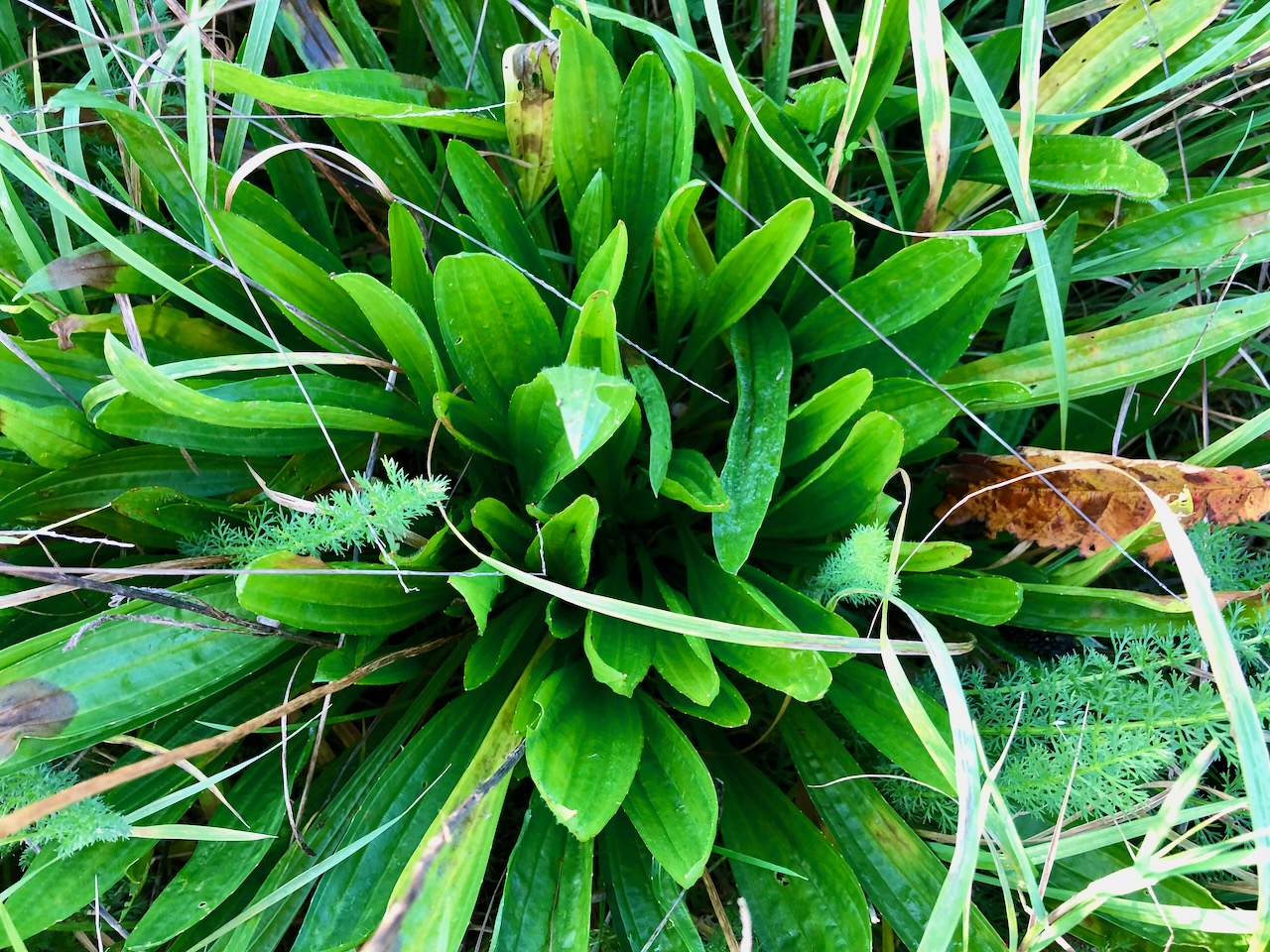
My plant ID skills aren’t brilliant, but I saw Comfrey, Yarrow, Ribwort and Greater Plantain, as well as thistles, Red Campion, Hogweed, Common Mugwort in abundance, Oxeye Daisies and Buttercups. There were loads of other species however I’ll have to take along a guide to ID them next time. Roadside verges can contain lots of biodiversity, I’ve seen hares feeding alongside the cycle path, kestrels hunting, and lots of insects in the summer. However, I don’t think the verges really make up for the swathe of destruction caused when the road was built.

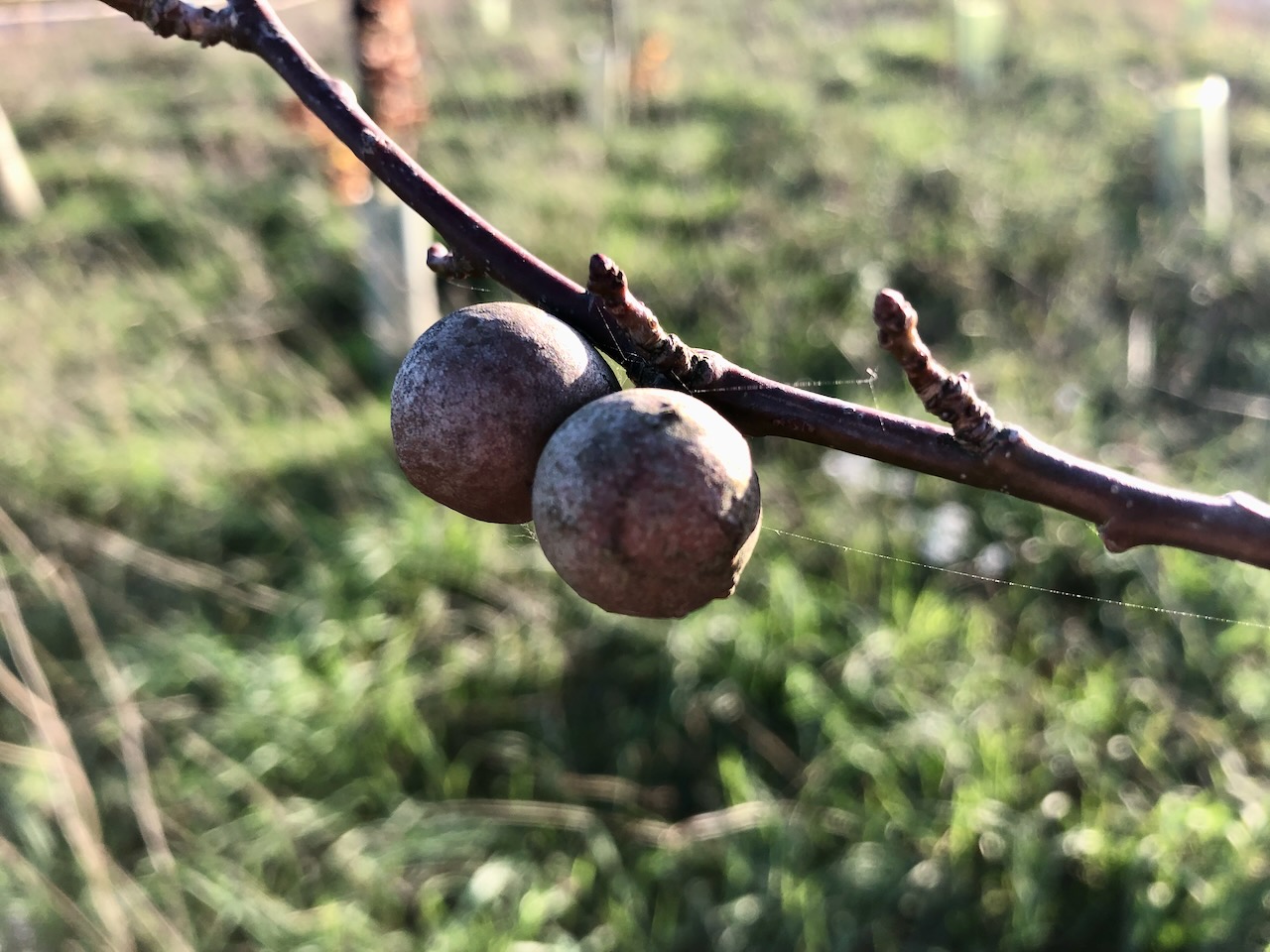
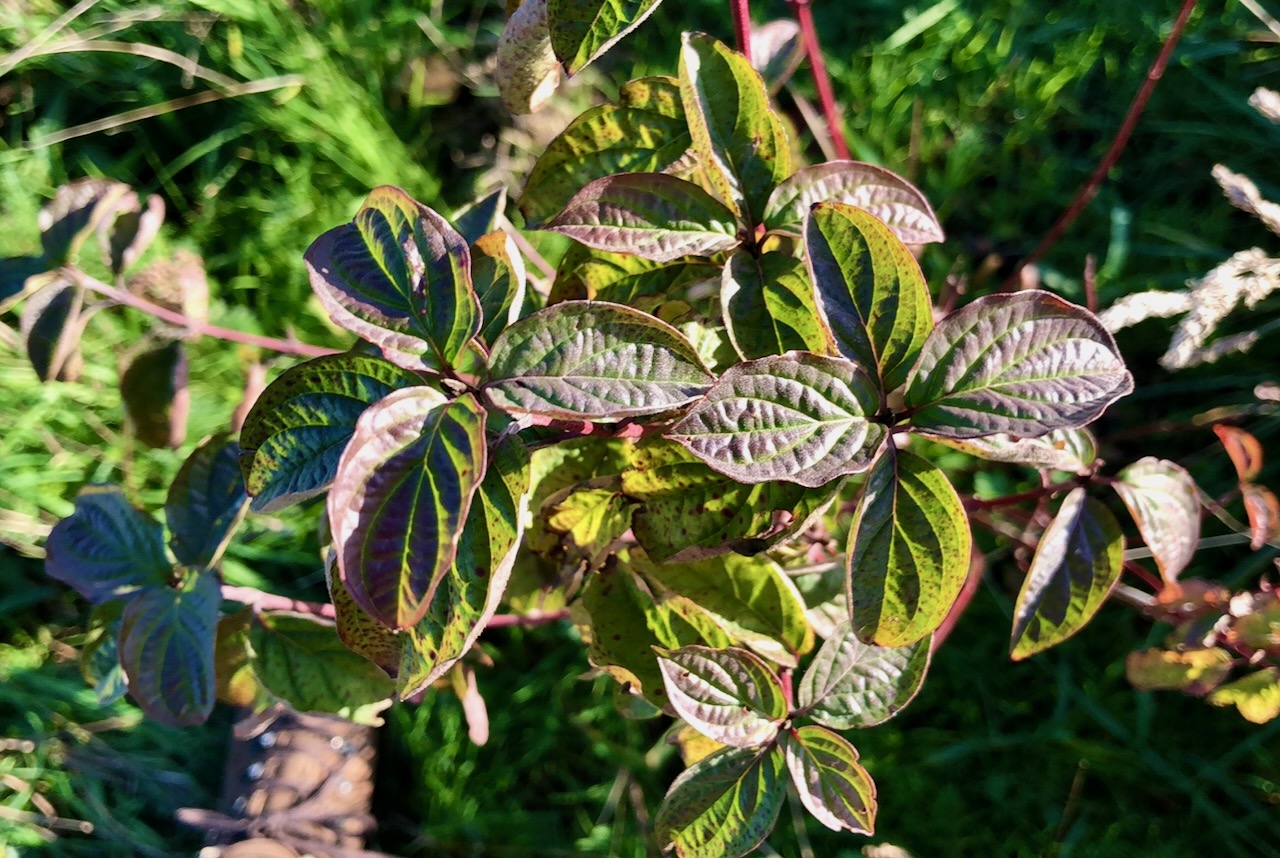
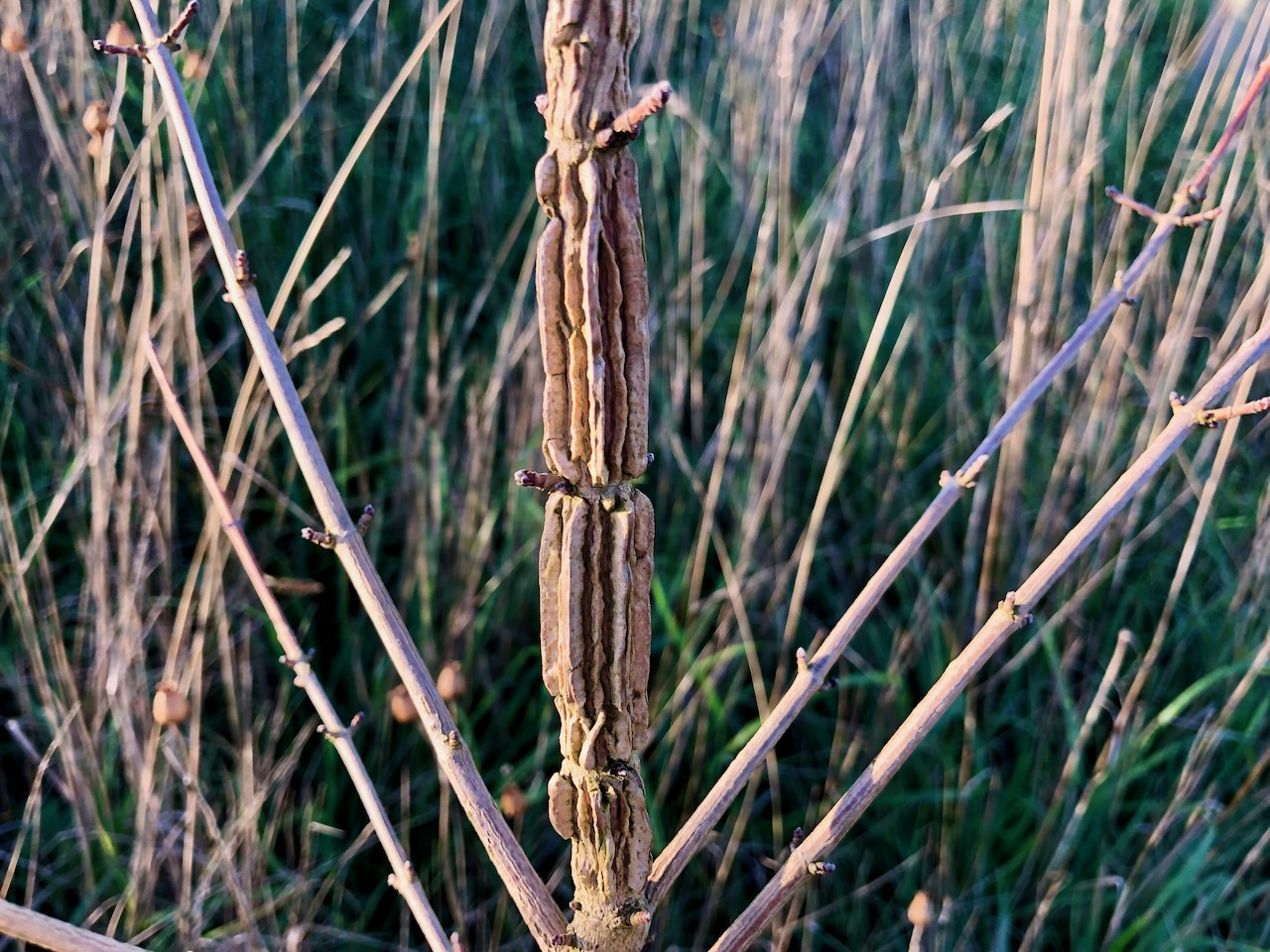
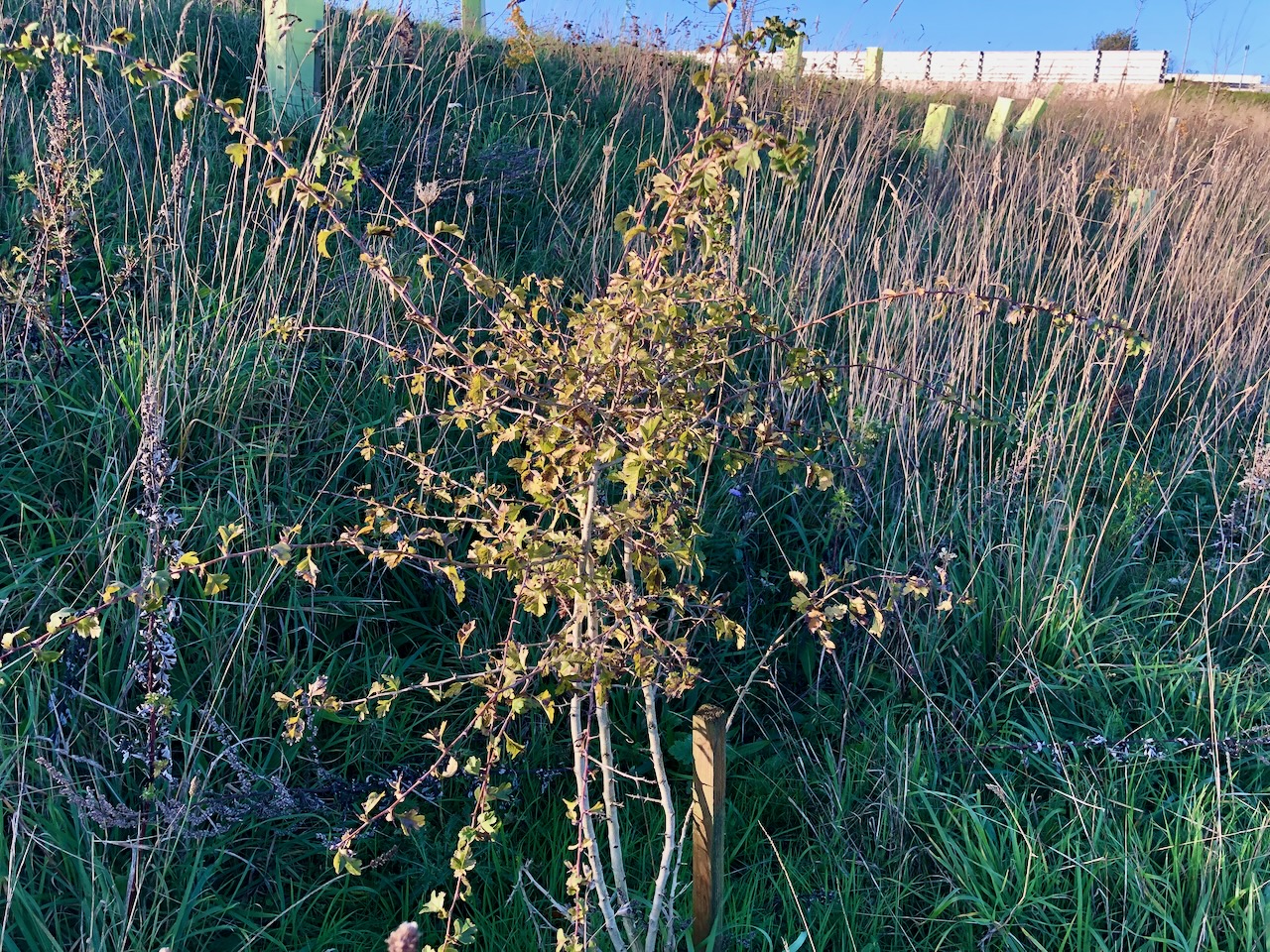
Today was an exploratory visit. I counted trees on a hundred metre stretch not far from the Plumsteads, noting down species as well as dead or missing trees. I concentrated on the eastern side of the bank built up next to the dual carriageway, which is more shaded. The western side looked to have more empty tree guards, however it’ll need a return visit to confirm this. Results of this initial exploratory survey below.

SpeciesCountPecentage
Dead/missing3516.20%
Hawthorn4922.69%
Field Maple5625.93%
Oak (English)2310.65%
Dog Rose73.24%
Cherry73.24%
Dogwood62.78%
Apple31.39%
Blackthorn2612.04%
Spindle41.85%


Total216
TREE SURVEY 25 NOV 2022

Here’s a pie chart of the results.

Field Maple came our top, followed by Hawthorn, however it was good to see other species mixed in such as Cherry, Spindle, a good number of English Oaks, Dogwood and Blackthorn. Lots of good species for wildlife to use. Unfortunately 16% of the tree guards were either standing empty, or had dead saplings inside them. I suspect the percentage is in fact a bit higher than this as some tree guards have either been removed or have blown away. I think the western side of the bank will have a bigger percentage of dead trees, and I know other stretches have been impacted to a greater or lesser degree. I’ll have to get out and do other surveys in different locations.

I believe around 6,000 trees were cut down to build the NDR, a road that cost £205m to build. It was reported in October last year that around 3,500 of the trees planted to replace those lost when the road was built have died. Norfolk County Council pledged to plant 5 trees for every 1 they cut down, 30,000 in total. They must be a long way off this target, especially as many more trees and shrubs, lots of them replacement replacements, perished during the heatwave this summer.

It’s frustrating that Norfolk County Council think you can just replace mature trees and habitat, destroyed to make way for road building, with saplings that will take decades to do anything meaningful in terms of carbon sequestration. It will also take centuries for the soil to recover, species to translocate, and for any sort of mature woodland landscape to settle back in. The Council are planning the same with the Northern Distributor Road; it just doesn’t add up when we’re in a climate and ecological emergency, not to mention the impact it has on local communities, flood mitigation, and local wildlife. It’s also frustrating to see so many empty plastic tree guards littering parts of the landscape next to the NDR.

I hope to get out for further surveys over the coming weeks so I can report back findings to Broadland Green Party, who will be able to raise this with Broadland District Council. Tree ID gets a bit trickier as they lose their leaves, so I’ll have to put my winter buds knowledge to use.

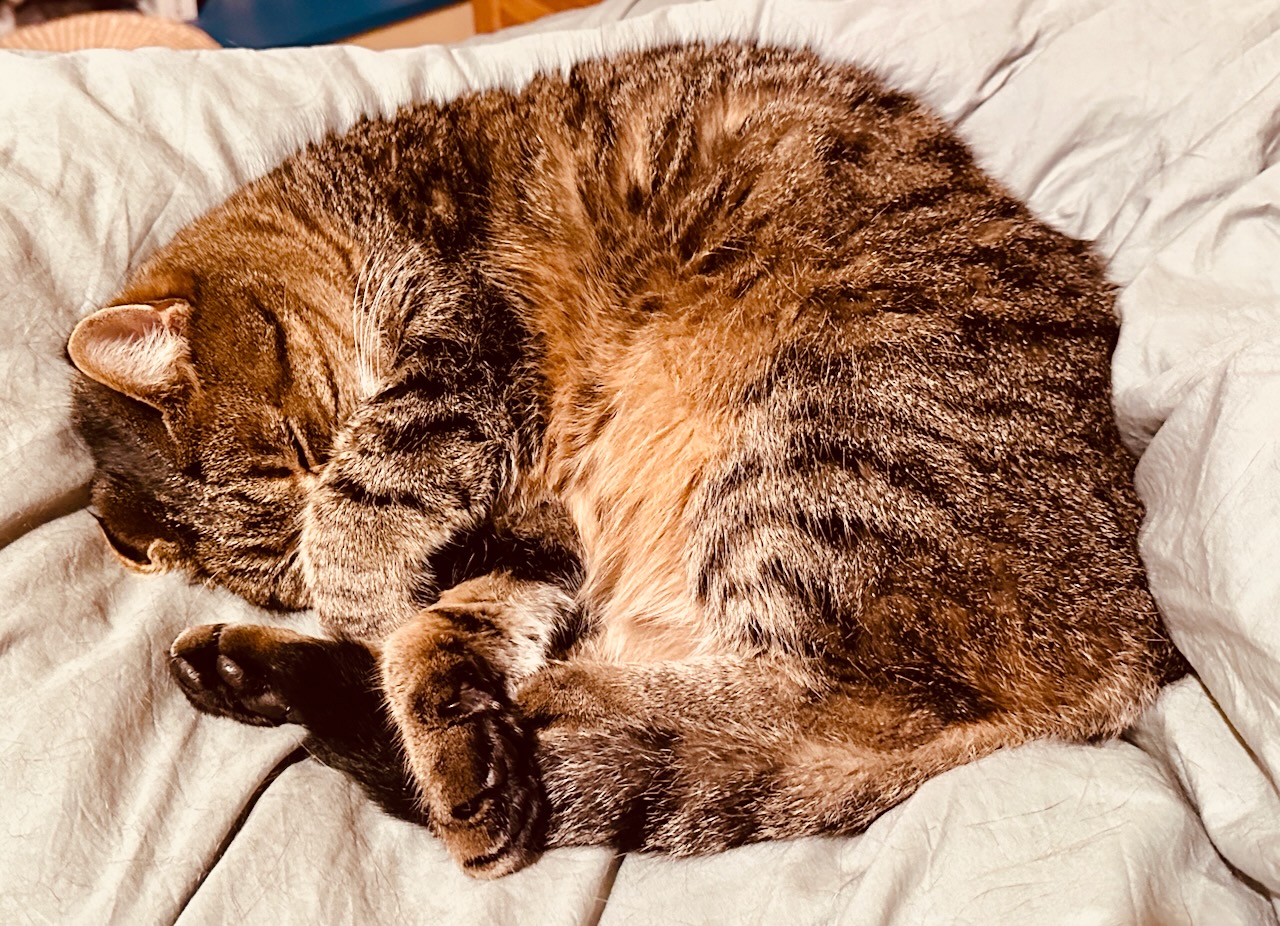
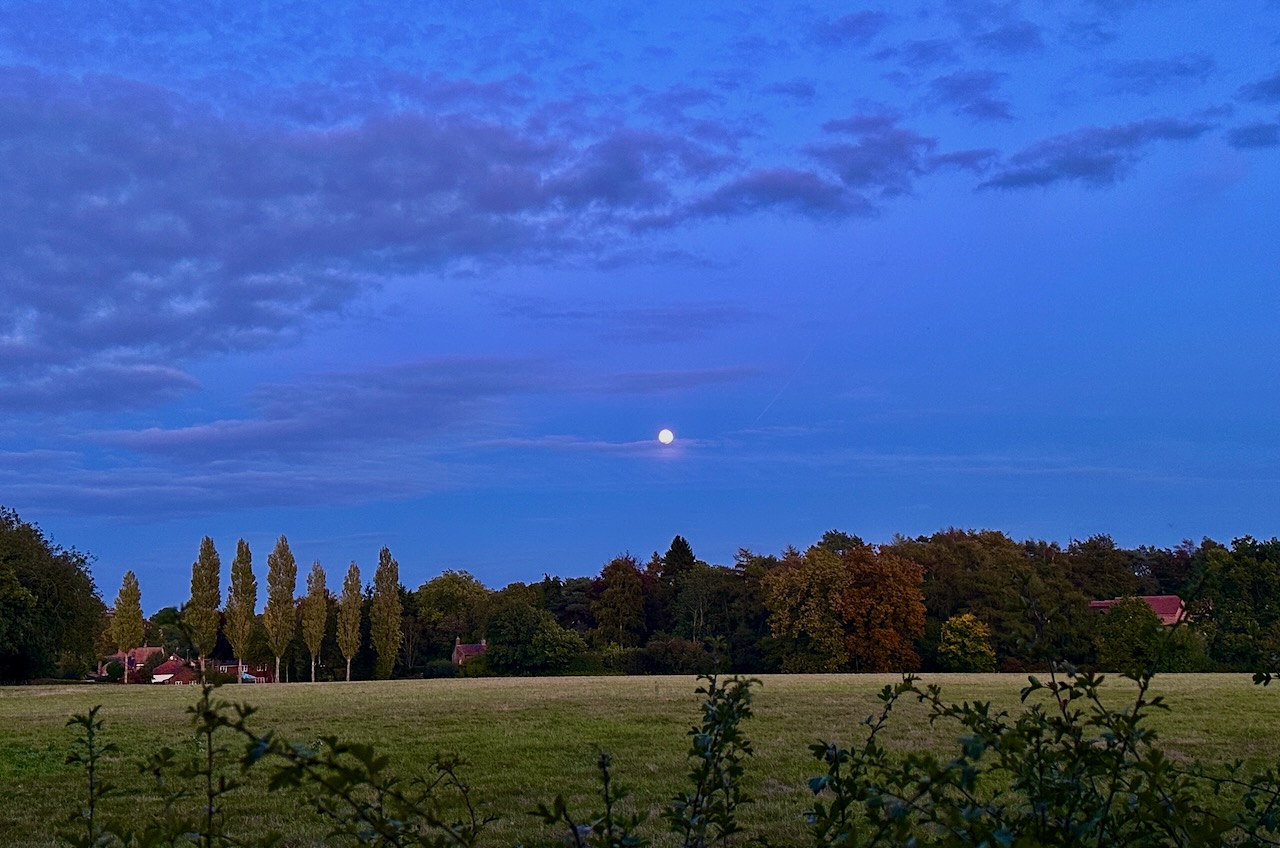
No pictures of Gideon on this blog post I’m afraid, he’s hiding somewhere after having an argument with one of the neighbour’s cats. I’ll leave you with some pictures of a glorious Norfolk sunset from the other evening.