It’s February, and I’m still consumed by rage – with a generous side-order of despair – at our direction of travel. Are we really this stupid? Are we genuinely going to let a tiny proportion of the world’s population completely screw the rest of us over?
Last week I wrote about the government report on the risks of ecosystem collapse to national security. The report was finally released in January, but accusations abound, including from The Times, that this is not the full version. Some of the most worrying conclusions, particularly around food supply chains and geopolitical instability, appear to have been quietly redacted. Hardly in the public interest. And, as mentioned last week, all very Don’t Look Up.
I also wrote a letter to several regional newspapers on the subject, which was published today in the heady heights of the Sunderland Echo.
It’s also appeared in the Eastern Daily Press, Derby Telegraph, Leicester Mercury, and a few others – and, unlike the government report, it hasn’t been redacted. For some reason the Daily Mail hasn’t picked it up yet, but I’m sure it’s only a matter of time.
Our excessive lifestyles are driving global heating. Greenhouse gas emissions are still rising, and the climate and nature crises are accelerating, catalysed by feedback loops that are pushing us over, towards – or dangerously close to – irreversible tipping points. When I say “our excessive lifestyles”, I mostly mean the richest 1% of the global population, who are responsible for a grotesquely disproportionate share of emissions and pollution. According to Oxfam, they emit as much as the poorest 66% — around five billion people.
And even within that 1%, things get worse. A tiny subset – the top 0.1% – is responsible for a massive share of those emissions again, thanks to private jets, yachts, multiple mansions, and lifestyles so carbon-intensive they should probably come with a health warning for the planet.
In other words, a microscopic number of people are wrecking the climate for everyone else.
A very large share of that 16% — maybe several % of total emissions just from this tiny slice (per high-emitting daily footprints) (Oxfam International)
Top ultra-rich / Billionaires
<<0.1%
Extremely high emissions share per capita (data vary) (Oxfam America)
What makes this even more obscene is that while countries like the UK are somewhat insulated from the worst impacts of climate breakdown, it’s poorer countries that are already bearing the brunt: floods, fires, crop failures, heatwaves, and displacement. I say “somewhat insulated” deliberately. We’ve already felt the impacts here over the past few years, and they’re accelerating.
If the AMOC (Atlantic Meridional Overturning Circulation) slows down and stops, as recent research warns it might, the UK will experience far colder conditions alongside extreme weather, making food production incredibly difficult. This is not something we should be sitting comfortably about. It could happen within our lifetimes.
So yes, a small percentage of the world’s elite – the super-rich who control the media, politics, economies, and militaries – are conning us. For years they tried to hide it. Corporations shifted responsibility onto individuals: BP invented the personal carbon footprint calculator; airlines peddled dubious offsetting schemes. But now many of the conmen aren’t even pretending anymore, openly lusting for more power and levels of wealth I can’t even comprehend.
Trump openly told us Venezuela is “about the oil”. An increasingly likely conflict with Iran would be too. Greenland? Rare earth minerals. Netanyahu and Trump have both fantasised about turning Gaza into the “Riviera of the Middle East” – built on the blood, bones, and bodies of Palestinians, thousands of them children. It’s immoral. It’s grotesque.
We’re in the middle of a pandemic, but not COVID, Ebola, or anything biological in the usual sense. This one often presents as a middle-aged or elderly white man with obscene wealth and a messiah complex. A tiny clique with so much money and influence they can bend even well-meaning politicians to their will through donations, threats, blackmail, litigation, and lies.
You see it constantly with oil and gas giants. Their lobbyists meet ministers hundreds of times a year – a level of access completely unavailable to ordinary people. And that access isn’t accidental: it’s transactional.
It’s not just oil and gas. It’s billionaire media barons like Murdoch, pulling the public’s strings while extracting enormous political power. No UK government in recent history has been elected without Murdoch’s blessing. It’s arms manufacturers profiting from wars they often help create through political and media influence. And behind it all sit the financiers and investment firms, funding corruption, death, division, and lies – all to keep shareholder payouts flowing and the illusion alive that they’re “on our side”.
They’re not.
Epstein is one of the most flagrant examples of how far this rot goes. How deep does the abuse run? How far does the money trail stretch? Andrew Mountbatten-Windsor has been outed. Peter Mandelson has been exposed for accepting money and handing over state secrets. Elon Musk, Bill Gates, Bill Clinton, Richard Branson, Steve Bannon, Howard Lutnick, Larry Summers, Brett Ratner, Ehud Barak — all appear in the files, with more names emerging all the time.
Epstein’s links to Putin, the Kremlin, and other authoritarian regimes are well documented. And then there’s Trump – already a convicted sex offender – whose Department of Justice has redacted anything remotely incriminating about him. Yet he’s corrupted the US political system to enrich himself while his brown shirts ICE agents round up and deport thousands, or shoot and kill innocent US citizens.
I’m not saying everyone named in the Epstein files is guilty of a crime. Some will be innocent. But there is a common thread: wealth, power, and overwhelmingly white men. And it’s telling that the only person imprisoned for what Epstein enabled is a woman – Ghislaine Maxwell – while powerful men hide behind redactions. Meanwhile, victims’ names and images are dumped online.
This isn’t justice. It’s a parody of it.
The corrupt, immoral patriarchy rules. A small cabal of the super-rich manipulates political, economic, and social systems to maintain power, controlling much of the media and warping public perception via algorithms and social platforms. The introduction of Palantir will make this worse, but that’s a topic for another day.
In the UK we now live in a surveillance state, with increasingly repressive anti-protest laws, restrictions on freedom of speech, and even the right to trial by jury – enshrined in Magna Carta – under threat. Can we really make the changes needed to safeguard liberty, wellbeing, and democracy in the face of climate breakdown, resource wars, economic collapse, and rising fascism and authoritarianism?
I see no hope in the traditional parties. Labour has reneged on promise after promise and looks set to lose badly next time around. The Conservatives have learned nothing and are racing Reform to the far right. Reform, despite its “anti-establishment” cosplay, is stuffed with millionaire MPs who broke the country, most of them ex-Tories, and now want to privatise what remains — including the NHS.
I do feel hope with the Green Party – of which I’m a member and a District Councillor. Membership is growing. Good, honest candidates are winning. Hannah Spencer stands a strong chance in the Gorton and Denton by-election. Parliamentary gains don’t feel impossible anymore. Coalition power doesn’t feel impossible. Nothing does, not with Labour and the Conservatives floundering and Reform slowly being found out.
But will it be enough?
Will it take back power from billionaires, patriarchy, and the men pulling global strings? Will it stop fascism, protect children, dismantle elite abuse networks? I don’t think it will, not on its own. The systems are too entrenched, too corrupt. Any new party entering power risks being absorbed, neutralised, or corrupted by Westminster and the global elite.
These systems aren’t reformable. They’re fundamentally broken.
Which leaves one conclusion.
We need a revolution – preferably a peaceful one, because history shows violent revolutions rarely deliver lasting justice.
Revolution is the only way to make the radical changes required for a survivable, fair, and just future: tackling the climate and nature crises, redistributing wealth, ending wars of greed, dismantling elite impunity and stopping the rise of fascism. You can already see it beginning: resistance campaigns, mutual aid, community organising, people growing food, fixing things, giving time, showing kindness under adversity.
Resistance is alive. But oppression and repression are fighting back, and the sparks of revolution must be fanned – through non-violent direct action, communication, campaigning, and community – if they are to survive and grow into a blaze that not even the billionaires can extinguish 🔥
If you want to see one example, look at https://takebackpower.net/. There are many others. And yes, consider joining the Green Party. We’ll need its people, ideas, and values for whatever comes next.
That’s all for today.
Simple, really.
We just need a revolution. ✊
For some light relief here are two pictures of Budge, the Norwich Cathedral cat who I like to visit, and one of Gideon, who runs my house. Who do you think is the most dignified?
Budge on heating ventBudge standing guardGideon…I dunno…
The Government has finally published a report it previously suppressed, calmly explaining that biodiversity loss and ecosystem collapse pose a direct threat to national security. Which is nice of them. Always good to know when the house is on fire, even if the alarm only goes off after the roof has already collapsed.
The report itself is actually quite readable. That’s part of what makes it so disturbing. It doesn’t scream. It doesn’t rant. It doesn’t glue itself to the road or throw soup at a painting. It just politely lays out, in civil-service prose, how the life-support systems of the planet are failing, and how that might be a bit of a problem for economies, borders, food supplies, public health, and, you know, civilisation.
Critical ecosystems are at risk of collapsing
If anything, it feels conservative, which is fairly typical of government or scientific reports on the climate and nature crises. Multiple critical ecosystems – coral reefs, boreal forests, major mountain systems like the Himalayas – are expected to collapse soon. Not in 2100. Not for our grandchildren to worry about. Soon soon. Others, including the Amazon rainforest, the Congo Basin and mangrove systems, are likely to follow. Dominoes, but with forests and oceans instead of plastic rectangles.
Key judgements
Meanwhile, atmospheric CO₂ has reached 428 parts per million, and the line on the graph is still curving upward. That single number underpins a whole cascade of consequences: climate breakdown, ecosystem collapse, floods, fires, crop failures, water stress, resource conflicts, mass migration, disease outbreaks, and increasing parts of the planet becoming uninhabitable. From there, social instability and collapse aren’t radical ideas — they’re logical outcomes.
Much of this is already happening, of course, especially in poorer countries that did the least to cause the problem and are least able to adapt. But don’t worry – I’m sure the market will fix it. Any day now.
What’s particularly maddening is that this isn’t some unsolvable mystery. There is no missing equation. No magical technology yet to be invented by a mega-corporation keen to make an even more obscene profit. We already know what to do.
We could fly less. Eat less meat. Scale up renewable energy at speed — the way China is doing while we argue about whether onshore wind or solar is “a bit unsightly”. We could rewild vast areas of land instead of treating nature like a decorative afterthought. We could protect rivers, lakes and oceans – which might help if water companies weren’t allowed to behave like extraction businesses with a sewage fetish. Public ownership, anyone?
We could grow more food locally. Insulate our homes properly. Use public transport that actually works. Stop pouring obscene amounts of energy into data centres and AI so that a chatbot can write slightly worse emails than a human already can. None of this is revolutionary. It’s just unfashionable — and it directly contradicts the Government’s growth mantra.
There will be no growth, of money or nature, on a planet stricken by floods, fires and water shortages, or on one with finite resources that will inevitably run out, despite billionaires’ protestations to the contrary. It’s all a bit King Cnut — in fact, with a little rearrangement, that surname could apply to many world leaders and tech bros.
History remembers King Cnut kindly; he was making a point — today’s leaders genuinely expect the tide to obey.
What really blocks progress isn’t technology — it’s power. Decisions about the future of the planet are still overwhelmingly made by a small group of ageing men, many of them white, some of them inexplicably orange, who will be comfortably dead before the worst consequences arrive. They continue to gamble everyone else’s future while telling us to be realistic. At times, I genuinely wonder whether Trump’s plan is simply to burn everything down, unable to tolerate the idea of a world continuing without him.
And here’s the thing: if we fail to act, the consequences won’t land on some distant, hypothetical generation. They’re already landing. They will fall hardest on our children – many of whom may never grow old enough to reach our age, let alone retire.
But don’t worry. The plan still seems to be: carry on, extract more, emit more, suppress awkward reports, and hope no one joins the dots.
I just listened to Trump justify the US invasion of Venezuela, and the kidnapping of President Maduro and his wife, Cilia Flores. To give him credit, at least he didn’t bother hiding his intentions: stealing the largest remaining proven oil reserves in the world. He stood there, flanked by sycophants Hegseth and Rubio, and brazenly told the world how the US will run the country “until such a time as we can do a safe, proper and judicious transition.”
I don’t know how true the accusations are that Maduro is involved in drug trafficking, money laundering, embezzlement, and election fraud. It seems entirely possible there’s a case to be made. But is it really right for “Team America: World Police” to invade another sovereign nation, kidnap its elected leader and their spouse, and kill an unknown number of Venezuelan soldiers – and possibly civilians – in the process?
I wrote this in my blog the other day:
“Fight the narcissistic, misogynist, arrogant old white men who have clawed their way to the top of the fetid political pile, treating truth, human lives, welfare, and civil rights as expendable commodities — traded for votes or simply discarded as democracy and the right to protest are eroded.”
The US actions against Venezuela — the power-gaming, the enormous armada sitting off the Caribbean coast, the overwhelming military might, including supposedly unrivalled “American Warriors” from the Department of “War” — are a very clear signal of US foreign policy going forward. And Trump isn’t even pretending otherwise. He wants to boast about it, wrapping naked imperialism in hollow words like “Peace, Liberty and Justice” — three concepts I’m not convinced he understands at all.
Referring to Venezuela, Trump said::
“Run the country til such a time as we can do a safe, proper and judicious transition.”
And referring to other dictators – or, more accurately, any foreign leader he and his administration don’t like – he added:
“What happened to Maduro can happen to them”
Trump has just seized control of the world’s largest remaining proven oil reserves and openly stated he’s sending in US oil companies to manage them — securing vast new fossil fuel supplies and obscene amounts of cash for Chevron and friends. We can’t afford to burn the oil we already have; the climate crisis is spiralling out of control. But of course, Trump doesn’t believe in that. It’s all a hoax, apparently.
He also made it very clear that the US is:
“Ready to stage second and much larger attack if needed.”
So yes — the gloves are well and truly off. If they were ever on to begin with. He’s not even trying to disguise the threats of violence anymore.
Meanwhile, Netanyahu continues slaughtering Palestinians and stealing their land, despite an arrest warrant from the International Criminal Court for war crimes. Putin continues his illegal invasion of Ukraine, with a similar ICC warrant hanging over him. At what point do we stop pretending this is normal? Are we living in some dystopian fever dream? Who, exactly, are the real criminals here?
Wanted – The Trio of Tyranny
I could have limited the poster to Trump alongside Hegseth and Rubio. But it feels more honest to include his international war-criminal allies: Netanyahu and Putin. What a tight little club of ageing, authoritarian strongmen. Xi Jinping could arguably be added too, but somehow his crimes feel almost restrained by comparison. The patriarchy is alive and well.
It seems Team America: World Police is here to stay – with US foreign policy openly embracing the right to take whatever it wants, from whoever it wants, whenever it wants. The question is whether Europe will finally find the backbone to stand up to Trump, or whether we’ll continue playing the role of obedient lickspittles and sycophants.
“America, fuck yeah,
Comin′ again to save the motherfuckin’ day, yeah,
America, fuck yeah,
Freedom is the only way, yeah”
And of course, none of this would be possible without the loyal supporting cast: the allies who nod gravely, issue “deeply concerned” statements, and then quietly sign the arms deals anyway. The UK and Europe will huff, puff, and clutch their pearls – right up until Washington snaps its fingers, at which point we’ll rediscover the ancient art of obedience. It’ll all be waved away as “pragmatism”, “security interests”, or the timeless classic “we had no choice”. History, however, has an annoying habit of remembering who spoke out – and who smiled politely while the bombs fell.
Here’s to hoping 2026 is full of more kindness, empathy, and positive change than 2025 ever managed.
Yeah. A likely fucking story. Fuck this shit.
The Labour government in the UK has been a betrayal — yes, even accounting for media bias and the usual right-wing bullshit. With a mandate that large (even if not proportionally representative), they could have done so much better. Instead, we get this hollow, managerial nothingness. So what the hell has happened to Labour? What’s happened to democracy? To the right to protest? To freedom of speech? To simply being a decent human being?
I went for a brief walk around the local church graveyard today, on my way back from the doctors — I’ve succumbed to the traditional Christmas viral cold / bronchitis combo. The gift that keeps on fucking giving.
I love Yew trees (Taxus baccata). The berries are magnificent right now — just don’t eat them. If you do, spit out the kernels very quickly, or you’ll get very sick. Possibly dead. Nature doesn’t fuck about.
There are several Yews around Salhouse Church. I often wonder whether they were there before the main church was built in the 14th century. The site certainly has older origins. Maybe it was sacred long before Christianity turned up — first to the Norse who occupied East Anglia, before them the Saxons, before them the Celts, and before that the people who left those astonishing footprints on the Norfolk coast nearly a million years ago.
Who knows what kind of religion or leadership that hominid family followed. Hopefully not the same patriarchal bullshit we’re still trapped in today.
The Yews got me thinking about rebirth as the year turns. About how they grow — sending out looping branches that strike the ground, take root, and become new trees. That process repeats over centuries, meaning that over thousands of years Yews effectively walk across the landscape, if left alone. They’re said to have walked across from America when the continents were joined. Allegedly that’s where Tolkien got the idea for Ents (thanks, Bushcraft instructor Phil – check out https://www.philbrookelongbows.co.uk/).
That ties neatly to my personal motto: Keep On Keeping On. Be like a Yew.
We have to keep trying to make things better — not just for younger generations, who are utterly screwed as things stand, but for ourselves too. And for the climate. And for other animals, plants, birds, sea life.
What’s happening to the oceans right now is devastating: coral reefs dying, overfishing continuing, grotesque bycatch, ghost nets trapping, suffocating, killing. It’s heart-breaking.
So yes — we need to fight. Non-violently, but relentlessly. Fight for everything:
Fight the far right and hateful extremism in all its poisonous forms.
Fight the oil and gas companies making obscene profits at the expense of climate stability, nature, and human lives.
Fight corrupt governments and politicians who lie, profiteer, and mostly serve themselves. There are notable exceptions — but our own government, and much of UK politics, seems firmly lodged in the corrupt category rather than the redeemable one.
Fight media companies run by billionaire owners desperate to preserve the status quo and their hoarded wealth — whether social media giants or legacy press — pulling political strings while brainwashing us with consumerist advertising and clickbait bullshit.
Fight the narcissistic, misogynist, arrogant old white men (yes, there are women too, but far fewer) who have clawed their way to the top of the fetid political pile, treating truth, human lives, welfare, and civil rights as expendable commodities — traded for votes or simply discarded as democracy and the right to protest are eroded.
Fight banks and insurance companies that prioritise mega-corporations and polluting industries over ordinary people, worshipping shareholder profit while morality gets flushed down the toilet.
Fight the ultra-rich — the billionaires — who hold more wealth and power than any individual should, often avoiding tax while amplifying extremist views from inside their tiny, self-reinforcing echo chambers.
Fight fascism. It’s rising. The warning signs are everywhere. Thanks to my GCSE history teacher — and many books about the 1920s and 30s — for making that painfully obvious. Books are good.
Fight for those worst off: people suffering under neo-colonialism or living on the front lines of climate breakdown. They are dying because of our emissions, our lifestyles, our privilege, entitlement, arrogance, and ignorance — perpetuated by media propaganda, poor education, and comfortable denial.
Fight for Palestinians still being killed in Gaza, and in the West Bank where illegal settlements continue, aid agencies and journalists are blocked, tents sit on rubble, children starve or freeze to death.
Israel is, right now, acting as a terrorist state — and our government still supports it with arms, intelligence, and foreign policy cover. It is heartening to see so many Jewish people worldwide, including within Israel, opposing these war crimes — and to see young Israelis resisting the draft. Please support the UK hunger strikers.
Fight for the people of Sudan, where genocide continues. And for people everywhere —men, women, children — being injured, raped, displaced, and killed. Men use religion as justification, or don’t bother with excuses at all, to dominate, profit, rape, and murder as climate collapse accelerates and wars over finite resources intensify.
We do have abundant resources: sun, soil, ecosystems — if we care for them. But they don’t generate exponential profit for the already-rich, so they’re ignored. They just allow us to live.
You can’t eat money. We could eat the super-rich, but it wouldn’t be very nutritious. Or sustainable.
Fight for refugees fleeing war, climate catastrophe, and persecution — much of which we helped create. And if you don’t like refugees coming to the UK, then fight for foreign aid instead of cutting it. Cut aid, increase refugees. It’s not fucking complicated.
Fight those putting up flags to spread hate, lies, and division — marking territory for the far right. They target migrants, refugees, LGBTQ+ people, neurodivergent people, black and brown communities — anyone they can scapegoat instead of confronting those actually responsible. They’re manipulated by toxic media and lying politicians. I do wonder how many of those politicians are sponsored by Russia, the US, or both.
Fight for women’s rights — which after decades of struggle are now sliding backwards. And honestly, given the shit job men have done for the last 2,000+ years, maybe it’s time to let women run the show properly. The Abrahamic religions certainly haven’t covered themselves in glory.
Fight for the homeless, the mentally ill, disabled people abandoned by the state while funding is slashed to build obsolete aircraft carriers and weapons of mass destruction. Fuck that shit.
Fight the cult of eternal economic growth on a finite planet. Fight airport expansion. Fight the destruction of our remaining wild spaces, waterways, and seas. Fight pesticides killing insects, herbicides and fertilisers poisoning the land. Fight unnecessary new roads — we need public transport, not more cars. Fight single-use plastic; it’s just oil-industry brainwashing again. Screw Shell, BP, Exxon, Total, and the rest of them.
There is so much to fight for. So many injustices. How the hell do people just ignore it all?
Fight “the man.” Stand up for kindness, empathy, community, and solidarity. Grow things. Get soaked in the rain and dance anyway. Play music. Just… play.
We can resist this seemingly inevitable slide toward corporate rule, billionaire oligarchy, and societal collapse—but only if we stand up and take back power.
Resist.
People love to say they wouldn’t have stood by while books were burned, neighbours interrogated, friends dragged off to camps. Well, we’re edging frighteningly close to that shit now. Peaceful protesters in the UK are already being arrested in their homes, surveilled, raided.
Democracy, free speech, and the right to protest are being stripped away across the UK and Europe—and it’s far worse elsewhere, including the US, where armed forces are deployed against citizens by a deranged, orange, wannabe strongman and his boot-licking entourage.
So what am I trying to say?
I dunno. Be like a Yew.
Keep on keeping on. Relentless. Sheltering. Regenerative. Toxic to immoral, illegitimate power.
Work with your neighbours. Trees always do.
So yeah. Happy New Year. Roll on 2026.
And for fuck’s sake—resist before it’s too late.
Or just have a snooze as it all collpases, like Gideon.
Salt, Sea Devil ambassador: “These are the words of a politician, vetted and craven and hollow. You would answer.”
Barclay, Ambassador for human-kind: “Because we were stupid. That’s the truth of it. And the whole planet is going to hell right now because we didn’t understand the consequences.”
Salt, Sea Devil ambassador: “But now, you do?”
Barclay, Ambassador for human-kind: “Yeah, now we do. Still every day water companies are pumping poison and sewage into our rivers and oceans, all the while dishing out bonuses to their bosses. And the thing is, we are letting them get away with it! We’re just sat at home, flicking through our phones, making tea, thinking it’s someone else’s problem! But it’s not. This is my fault. We all played our part. Now we have to help fix it. And the thing is, our kids know this! Our kids. They’re way ahead of us! Why aren’t we listening? Well, today’s the day we start.”
Salt, Sea Devil ambassador: “I think you are my favourite human.”
This exchange from the new BBC/Disney+ series The War Between the Land and the Sea stayed with me long after the episode finished. The sets, costumes and visuals are impressive — but it was Barclay, the unlikely ambassador thrust into responsibility, who delivers the most piercing truth:
“And the thing is, we are letting them get away with it!”
“Why aren’t we listening?”
Two lines that feel painfully relevant.
Water companies, oil and gas giants, the media, the banks, and the politicians who prop them up have been getting away with it for decades — and we’ve let them.
Where am I going with this?
This post is about why we must accelerate the transition to renewable energy, whilst also bringing essential services like water back into public ownership. For decades, executives have prioritised profit, bonuses and shareholders over public good. Since privatisation in 1989, it’s been yet another “victory” for neoliberal capitalism — one that has spectacularly screwed us over.
We’ve Been Betrayed
The science on greenhouse gases has been clear for almost two centuries.
In 1824, Joseph Fourier described the greenhouse effect.
In 1861, John Tyndall identified the gases responsible. The Tyndall Centre for Climate Change Research — named after Tyndall — is just down the road from me in Norwich.
In 1900, Knut Angstrom, discovers CO2 strongly absorbs parts of the infrared spectrum.
In 1938, Guy Callendar showed that temperatures rose over the previous century. He demonstrated that CO2 concentrations had increased over the same period, and suggested this caused the warming. His claims were dismissed.
In 1968, US President’s Advisory Committee panel warned that the greenhouse effect is a matter of “real concern”.
In 1975, scientist Wallace Broecker put the term “global warming” into the public domain.
The above has been followed by countless IPCC (Intergovernmental Panel on Climate Change) assessments, and COPs (Conference of the Parties) to try to solve the challenge of climate breakdown. Some progress has been made, but not nearly enough.
We’ve known the facts. We’ve proven them. And yet oil and gas companies hid their own research, just as tobacco companies once hid the link between smoking and cancer. Billionaire-owned media outlets are defending them. Politicians were and are being lobbied into paralysis – just look at COP30. And so we are being lied to, misdirected and exploited whilst the planet is burning.
We have been failed time and time again by successive Governments who have put the interests of mega-corporations, profit and power, ahead of ordinary people. They have betrayed us to the altar of profit, lied, misdirected, and in some cases filled their pockets with blood money.
We didn’t “fail to understand” — we are being denied the truth.
We’re Not Stupid
Barclay says, “Because we were stupid.”
But we weren’t. We were and are being deliberately misled.
Instead of honesty, we got greenwashing, smokescreens, and faux responsibility — like BP inventing the personal carbon footprint calculator to shift the blame from corporations onto individuals.
Imagine if the public could be given the same clarity scientists shared recently at the National Emergency Briefing. The shift in understanding — and action — might come rapidly and radically.
You can find recordings of the various segments of the National Emergency Briefing on YouTube.
How Fast Can We Decarbonise?
In the UK, we’ve reduced emissions — but we still emit far more per person than many countries with less wealth and fewer resources. And we should have made the major cuts twenty years ago. We’re now out of time for a gentle transition. We must act rapidly, even if it’s uncomfortable.
This will upset people, especially in a country used to convenience and abundance. But climate physics does not negotiate. Deaths, harm, migration, are all being caused right now by our carbon emissions.
Our Obligations
We are privileged — often without realising it. Given our historic emissions, the UK has a moral obligation to move first and fast.
The alternative? Pull up the drawbridge, protect ourselves for a few extra years, and ignore suffering elsewhere. But our food imports, supply chains and future mass migration make that fantasy laughable.
Billions will be on the move. The question is whether we meet that future prepared — or panicked.
Tell the Truth
People are not being told the truth by politicians or the media. If they were, they’d understand what we are facing:
As laid out at the National Emergency Briefing, the collapse of AMOC (the Atlantic Meridional Overturning Circulation – a crucial system of Atlantic Ocean currents acting as a giant conveyor belt) could mean:
–30°C winters
extreme summer heat
chronic water shortages
the UK unable to grow food
the British becoming climate refugees
The irony isn’t lost on me; one wonders whether we’ll have enough small boats.
Extinction Rebellion warned we needed major emissions cuts in 2018. Oil and gas companies and wealthy governments around the world denied it, buried it, or have since waved around Carbon Capture and Storage — a technology unproven at meaningful scale, and one that conveniently ignores the huge emissions from extraction and transport of natural gas in the first place. Profit over life, again.
So, What Can We Do?
We need rapid, large-scale deployment of renewables:
Wind
Solar
Tidal
Geothermal – there’s some exciting stuff going on with old coal mines
Fusion power would be ideal, but remains underfunded and decades away. We also need to upgrade the grid and to build massive battery storage facilities. This is all doable and exciting, and will create huge potential in terms of sustainable economic growth, jobs and wellbeing, we just need the politicians in power to stop dragging their heels.
But there are obstacles. Solar is a prime example.
Solar Energy: What’s The Problem? Rooftop solar is brilliant — low impact, popular, and efficient. But we no longer have the luxury of time. Large solar farms are faster to deliver and much cheaper per megawatt.
Using ChatGPT for initial comparisons (yes, with a pinch of salt but it saves me hours of trawling through websites and research papers), I asked, when looking at the electricity 4,000 acres solar panels could generate, what is cheaper and quicker to build – a large solar farm or rooftop mounted solar:
Large Solar Farms
400MW: ~£400–600m plus land/grid costs
800MW: ~£800m–1.2bn
Build time: 12–24 months after permitting
Distributed Rooftop Solar
400MW: ~£600–800m (likely more)
800MW: ~£1.2bn–1.6bn+
Rollout time: 5–10+ years
Planning times for solar farms could be slashed if government finally treated the climate emergency like an emergency.
And then there’s capitalism: energy companies don’t want millions of small producers cutting into profits. Legislation could fix this — but it requires political will. We already know neoliberal capitalism needs serious reform.
As for the criticism that solar farms use agricultural land:
They would occupy only 0.45%–0.82% of agricultural land, some of which is fallow at the moment anyway.
We already face food insecurity. Solar barely dents agriculture.
Meanwhile, golf courses consume five times more land than solar would — and I know which I’d rather repurpose.
You can’t tee off on a golf course that’s underwater.
Unfortunately, there is significant opposition to solar farms, largely from people living near proposed sites — which is understandable
Grid Upgrades: The Unavoidable Backbone
We need new pylons, underground cables, or subsea routes — plus battery storage. None of this is optional, and the arguments are similar to the above. All options have ecological impacts, but we’re out of time for perfect solutions.
Pylons may be ugly, but they’re cheaper, faster, and even capable of creating wildlife corridors. France has even turned some into public art. If only imagination were a UK policy priority.
Large Scale Renewables Are the Clear Winner
Solar farms and other renewable energy sources are the clear winner if our priority is rapid decarbonisation. They are cheaper, quicker to build, will create new jobs and provide clean energy. They are our future proofing.
We face a choice: continue failing, continue betraying younger generations, retreat into selfishness and isolation—or respond to the climate and ecological emergencies with the urgency they demand, adopting something akin to a wartime mobilisation.
It may already be too late to avoid severe impacts. But every fraction of a degree of avoided warming saves lives, ecosystems and stability.
CO₂ rises → temperature rises → runaway climate impacts:
floods, fires, drought, famine, harvest failure, extreme weather, mass migration, ocean collapse, extinction events… and then societal collapse.
The stakes could not be higher.
The Path Ahead
We change — or we face the consequences.
The graph below shows how CO2 concentrations in the atmosphere have changed over the millennia, using data from ice core samples.
Renewables give us a fighting chance of reducing emissions and avoiding societal collapse. Oil, gas and nuclear leave only waste and devastation. Renewables can coexist with nature and even help restore it when designed well.
It comes down to communicating honestly, successive governments, oil and gas companies, supported and controlled by billionaire media magnates, have denied people that honesty: change now, or our children will not live to the same age we do.
We don’t have to let them make us stupid, but they won’t change on their own. We have to force it.
From billionaires. From fossil fuel companies. From media moguls. From corrupted politicians who may not even realise how compromised they are. Let’s stop them getting away with it.
They’ve been getting away with it for decades. They are “craven and hollow.” We can stop them.
And yes — I’m going to say it:
Vote Green. Let’s make hope normal again
Promoted by James Harvey on behalf of Broadland Green Party, a constituent party of the Green Party of England & Wales PO Box 78066, London, SE16 9GQ
I recently wrote to the BBC to complain about their coverage of the climate crisis, which I, and many others, believe remains woefully inadequate given the existential threats it poses. Below is the complaint I submitted.
Coverage of climate change
I’m writing to complain about the BBC’s inadequate coverage of today’s letter from the Climate Change Committee to Government on the UK’s preparedness for at least 2°C of global warming by 2050.
This is a matter of profound national importance, yet your main news programmes gave it little to no prominence. Such omission feels negligent at best, and at worst suggests a deliberate downplaying of vital information, whether due to editorial decisions, management influence, or political pressure. The public deserves transparency on issues that will shape our collective future. It is already known that Downing Street blocked a government report warning that the collapse of rainforests, reefs, and mangroves could raise food prices in UK supermarkets.
Earlier this year, the Institute and Faculty of Actuaries (IFoA) warned of escalating climate risks -more floods, fires, droughts, and ecosystem collapse. Their analysis projected GDP losses of up to 50% between 2070 and 2090, and warned that global heating of +3°C, possible as early as 2050, could cause over 4 billion deaths, societal collapse, and extinction events.
Despite the gravity of these findings, BBC reporting on the climate and nature crises remains inconsistent and insufficient. This undermines your stated purpose “to provide impartial news and information to help people understand and engage with the world around them.”
While I appreciate an article appeared on your website, this story should have led your main news bulletins, with clear context on what climate breakdown, mitigation, and adaptation mean for ordinary people. It would not have been difficult to feature credible climate scientists or policy experts.
I urge the BBC to give greater priority to the climate and nature crises, ensuring the public are properly informed and able to make meaningful democratic choices, particularly about which leaders and policies will act to safeguard our future and that of coming generations.
The CCC warns that the UK must urgently strengthen its adaptation objectives to protect food security, infrastructure, public services, the economy, and access to financial services such as insurance. Many properties are already becoming uninsurable due to flood risk.
We are beyond the stage where it’s possible to mitigate all catastrophic climate impacts. Yet the current levels of adaptation -and even the plans for adaptation – remain unambitious and wholly inadequate. Inadequate seems to be the word of the day when it comes to both government and media responses to the climate and nature crises.
This is the response from the BBC I received last night:
Dear Mr Harvey,
Thank you for getting in touch about BBC News at Ten on 15 October.
We’re sorry you feel insufficient coverage was given to the letter addressed to the government from the Climate Change Committee (CCC), warning that the UK should be prepared to cope with weather extremes as a result of at least 2C of global warming by 2050.
We know that not everyone will agree with our choices on which stories to cover, or the order in which they appear. Our news editors make these complex decisions, based on the editorial merit of all the stories at hand. We accept that not everyone will agree with each decision – various factors are at play and there’s often debate in the newsroom too.
BBC News did cover this across our news outlets however and you can read the online report here:
The BBC has been reporting on both the effects of climate change and the changes that individuals and governments can make in order to reduce carbon emissions for many years. In recent years these reports have had increased prominence as the evidence grows about the speed and impact of climate change.
To read our latest News on the issue of climate change, you may be interested in the following link:
We can assure you that the BBC is committed to providing fair and impartial coverage of the latest News stories to our audience, and climate change is an issue that the BBC takes very seriously.
We very much value your feedback. Complaints are sent to senior management and we’ve included your points in our overnight reports. These reports are among the most widely read sources of feedback in the BBC. This ensures that your concerns have been seen by the right people quickly, and helps to inform decisions about current and future content.
I appreciate that the complaints team forwards feedback to senior management, and I can only hope that the BBC – and the wider media – will soon recognise the urgency of reporting on the existential crisis that is climate breakdown.
This crisis threatens the lives and livelihoods of billions over the next 25 to 50 years — and millions are already being affected, displaced, and killed by its impacts. It demands coverage that reflects its true urgency, accuracy, and frequency.
I’d be very interested to hear what others think — please feel free to leave a comment or share your perspective below.
I find it increasingly strange, and frankly disturbing, how we’re being conned by politicians, much of the media, and mega-corporations. From birth, we’re bombarded by advertising designed to shape our thinking; by MPs who chase votes with half-truths, misdirection, or outright lies; and now by social media echo chambers that trap us in a cycle of misinformation.
As a Green Party member, I find it refreshing to have leadership that isn’t afraid to tell the truth. As a district councillor, I can vote in the best interests of my constituents – and with my conscience – rather than following the orders of a party whip. Zack Polanski’s election as Green Party leader, by a huge majority, has brought articulate and intelligent debate to the forefront again – on immigration, the climate crisis, renewable energy, and human rights. His policies on taxing the super-rich (the top 1%), reforming the private rental sector, renationalising water companies, and providing universal free childcare are resonating deeply with people across the country.
Green Party membership is now over 140,000, making us the UK’s third-largest political party. Polls put us around 15% of the vote, level with the Lib Dems and closing in on Labour and the Conservatives. Reform UK may be polling slightly higher, but perhaps that’s unsurprising when they’re not bound by things like telling the truth, or avoiding donations from dubious sources. People are joining the Greens in their thousands because we’re the only party that speaks plainly, answers questions directly, and puts people before profit.
Why don’t other political parties do the same? Surely an MP’s job is to represent their constituents – and by acting in their best interests, you’d think re-election would follow naturally. But that’s not how it works. Other parties are deeply influenced by corporate lobbying. Labour, for instance, met oil and gas company representatives over 500 times in their first year of power – that’s an average of two meetings every working day between ministers and fossil fuel lobbyists. Meanwhile, the Conservatives, Labour, and Reform continue to accept large donations from oil and gas interests, climate denial think tanks, and polluting industries. Is it any wonder, then, that their policies serve those industries – while the public is distracted with talk of immigration and welfare spending?
There’s a growing frustration with politicians who dodge questions or distort the truth. Brexit was, in part, a reaction to this. Westminster has become synonymous with elitism, corruption, and detachment from reality. It’s not even a criminal offence to lie in the House of Commons. Again and again, politicians mislead the public with impunity, aided by a media that too often fails to hold them accountable—especially those on the right.
Why isn’t Nigel Farage grilled about the £350 million-a-week NHS pledge that vanished after Brexit? Or challenged on the fact that immigration is essential to sustain our NHS, care sector, farms, and schools, as well as to support an ageing population and pensions system? Why aren’t we hearing that renewable energy is cheaper, faster to build, and infinitely safer than oil and gas?
In 2008, I was fortunate enough to visit the Great Barrier Reef on my honeymoon and swam among the coral and turtles – a breathtaking experience. Last week, I read that we’ve passed the planet’s first major climate tipping point: warm-water coral reefs are dying and will soon disappear. Hundreds of millions of people depend on them for food and livelihoods. Other tipping points – Amazon rainforest dieback, ocean current collapse, permafrost melt, and ice sheet loss – are not far behind. Each accelerates the next, creating feedback loops that speed up climate breakdown.
Then, this morning, I received an email from the Government responding to a petition to halt airport expansion. Part of it read:
“The Government therefore supports airport expansion where proposals contribute to economic growth, can be delivered in line with the UK’s legally binding climate change commitments, and meet strict environmental requirements on air quality and noise pollution.”
The list of planned expansions – Gatwick, Luton, Stansted, and beyond – was all about “economic growth” and maintaining the status quo. But if we don’t act decisively to cut emissions, climate breakdown will destroy any chance of growth – and in some regions, any chance of survival.
Carbon dioxide levels are still rising. Meanwhile, the fossil fuel industry funds anti–net zero campaigns and uses politicians as mouthpieces to protect their profits. Green energy offers a massive opportunity: it can create jobs, cut bills, and reduce emissions. We could lower bills immediately by cutting the link between electricity and gas prices, but that would hurt oil and gas profits, so it doesn’t happen. These same companies continue to receive huge public subsidies that dwarf support for renewables.
Airport expansion is simply incompatible with our climate goals. No amount of greenwashing through “sustainable aviation fuel” or dodgy carbon offsetting schemes will change that.
If we’re serious about telling the truth, we need to be honest about green energy too: why we need to decarbonise, why solar panels (covering just 0.7% of UK land – less than golf courses) can help power our future, and why upgrading the grid and installing battery storage is essential – even if that sometimes means projects are built near where we live. Time and money are tight, and we don’t have time to always wait for the perfect solution.
The clock is ticking. Hundreds of millions in the Global South are already dying from floods, fires, famine, and disease linked to climate breakdown. We’re not immune here either: UK farmers face failing harvests, rising food prices, and more frequent flooding. Some truths will be uncomfortable and require lifestyle changes – but that’s a small price to pay compared with a world of famine, fire, and forced migration.
Scientists and even insurance companies are warning us. The Institute and Faculty of Actuaries (IFoA) recently projected global GDP losses of up to 50% between 2070 and 2090 and warned that a +3°C world – possible as soon as 2050 – could cause over four billion deaths, social collapse, and mass extinction events. GDP loss seems almost trivial in comparison.
The Green Party tells it like it is – guided by science, compassion, and a commitment to act in the best interests of the majority, not a privileged few. Our membership continues to grow rapidly. We’re out on the streets, talking to people, telling the truth, and offering real solutions not tainted by corruption or corporate influence.
The good news? If we act now, we can still build a fairer, healthier, and more hopeful future – for ourselves, our children, and the countless other species we share this planet with.
Come join us – and let’s make hope normal again.
Promoted by James Harvey on behalf of Broadland Green Party, a constituent party of the Green Party of England & Wales PO Box 78066, London, SE16 9GQ
What’s published in the media on climate collapse isn’t usually the full view of scientists, not as bad as they think the situation really is. If you talk to climate scientists you’ll largely find them depressed, sick of not being heard, of being ignored by politicians. They have to ensure the information they publish is backed by facts, by peer reviews, but in private they’ll tell you it’s probably a lot worse than that, we just can’t prove it yet.
It is hard to compute. Our brains don’t want to think about it. We are averse to thinking about our own demise. It has got me thinking about it all again this evening.
The Mediterranean Sea is apparently 28oC in some places. It’s like walking into a hot bath. This is incredibly bad for habitats and wildlife.
Temperatures records are being broken year on year, month on month, and sometimes day on day. We’ve just seen the wettest 18 months on record. Wildfires have burnt down half of Jasper in Canada and threaten Athens, California ablaze, similar in parts of Russia and South America: Patagonia, the Patanal in Brazil which is the world’s largest wetland, Venezuela and Chile. And in Australia, South Africa, Turkey, Cyprus, the list goes on, hardly anywhere is left untouched. We have field fires in Norfolk too, where I live.
Norfolk straw fire 15 August (source EDP)Norfolk field fire 15 August (source EDP)
Heatwaves in India approaching wet bulb mass mortality range. Tasmanian and Boreal (northern) forests dying. Harvests failing; Norfolk farmers had a hell of a time of it earlier this year, due to flooding, when they couldn’t plant crops or graze livestock. Italian and Swiss villages destroyed by floods, similar in Germany. 20,000 washed out to sea in Libya. 2022 floods in Pakistan impacting 33 million people. Sea level rise threatening low lying island states already. Amazon not absorbing carbon dioxide anymore and at risk of turning into desert. Bats and birds dropping out of the sky due to heat stroke. Caribbean islands being hit by record hurricanes which have destroyed all the buildings in some places, leaving women to give birth in the dirt. Devastating famine and water shortages in Africa. Water is now monetised, it’s being bought and sold to the highest bidders, traded on the stock market.
We’re on track for +2.7oC global heating, above pre-industrial averages, by end of century. It’ll probably be more than that due to the acceleration we’re seeing and tipping points being crossed such as the loss of albedo, meaning less of the sun’s radiation is reflected back into space, and methane being released from the permafrost. And the concentration of carbon dioxide in the atmosphere is still going up.
What does this mean? It equals food shortages, the mass migration of 1 billion people by 2050, if not earlier as it’s happening now, more wars for remaining resources which means more emissions, pollution and death. More holidays to places that are too hot to live in, or on fire, or flooding, or where the native populations are being made homeless or starving. It means economies will crash, people will lose their jobs, their pensions, their savings, their houses. There will be more civil unrest as people feel failed by the system. It means the rise of the far right, again already happening, which occurs when people are scared and need someone to blame; we know this from history. The breakdown of law and order follows, disease, pandemics and health service failure. Then, eventual societal collapse and the death of billions.
It’s not me saying this, it’s not my cause, it’s not Just Stop Oil or Extinction Rebellion’s cause either. It’s what climate scientists are stating, 99.9% of whom say we’re in big trouble due to global heating caused by our carbon emissions.
It’s what the UN Secretary General, Antonio Guterres, who is advised by climate scientists and the Intergovernmental Panel of Climate Change (IPCC) is saying; “we’re on the highway to climate hell with our foot on the accelerator“. The IPCC itself has said “the world is facing a “rapidly closing window of opportunity” to secure a sustainable future.” This window of opportunity is only a few years long, perhaps by the end of this decade, if not sooner.
And if you don’t believe them, or the International Energy Agency, Greenpeace, Friends of the Earth or the Red Cross, maybe you’ll believe Sir David Attenborough who said, amongst many other powerful things:
“Climate change is also really important. You can wreck one rainforest then move, drain one area of resources and move onto another, but climate change is global. If my grandchildren were to look at me and say, ‘You were aware species were disappearing and you did nothing, you said nothing’, that I think is culpable.“
Small communities might survive by the end of the century, in Northern territories, but they could all be screwed too if AMOC (Atlantic Meridian Overturning Circlation) stops. If that stops all bets are off, people could be squeezed into a very narrow habitation zone, where they’ll no doubt fight to survive. Here’s what Laura Jackson, a scientist from the MET office had to say on it. Her view is perhaps a moderate one, with other scientists saying the collapse of AMOC could come a lot quicker. We just don’t know for sure.
Some, if not all of this, is locked in. But we can still try to stop making it worse. We can come together, stop emissions that are causing global heating, stop burning oil and gas for energy, change the way we live (recycling just doesn’t cut it), grow food locally, stop eating so much meat, build resilient and well connected communities, reject consumerism and infinite growth, adopt doughnut economics. We can accelerate the transition to renewable energy, equitably across the globe, stick solar panels on every roof, paint stuff white to reflect solar radiation back into the atmosphere. We can stop building new roads, stop building houses in areas at risk of flooding or which include important wildlife habitats, preserve and restore nature, reuse and yes, recycle.
We could tax the super rich and use funds to build renewables and for adaptation. Tax the fossil fuel companies and put their execs on trial for genocide by oblique intent (see Rome statutes). Prosecute the media for spreading lies and half truths which have led so many astray. Prosecute corrupt politicians and business persons who have done the same and profited from it. Set up legally binding Citizens’ Assemblies to decide what we need to do. Change the whole system. If we do all this we might stand a fraction of a chance. We might not die.
At the moment though governments, the oil and gas industry, some banks and a lot of the media seem intent on waging war on humanity. We are being led astray by people we are told we should trust. I find it devastating when I hear people planning for 10, 20, 30 years in the future, for their kids futures, when the world is already on fire or flooding. What do you think our children are going to face in 10 years time, let alone by the time they are 50?
I’m not doom-mongering, I refuse to be complicit, even though we’re all trapped by the system we’re in and hypocrites to one degree or another. I refuse to stick my head in the sand and wait for someone else to sort it out. I refuse to be a bystander whilst millions die; that’s happening right now. I’m not being self righteous, or virtue signally, I’m panicking, I’m scared, I’m raging at a system which thinks we can just carry on as normal, and spends billions of dollars trying to convince everyone we can. More recently I’m massively saddened to see rampant racism and hate out on the UK streets, with young kids being swept up by it, I’m anxious due to receiving telephone threats from far right thugs after I attended counter protests. But I have to carry on, taking action is the only thing that gives me hope when I lie awake thinking how the lives of my niece and nephew, my godchildren, all children can and are being cut short. And that’s hard to write.
I will no doubt perish far sooner than my Mum. She lived to 83. I won’t.
But, I, along with thousands of other ordinary people will try to make a difference by taking non-violent direct action. I hope you do too.
Couldn’t leave without a picture of Gideon, he is judging you, are you culpable?
Judgemental Cat
Feel free to message me if you would like further information on how to take action with Just Stop Oil or Extinction Rebellion, or with local ’causes’ in Norwich and Norfolk. I am growing to hate that word…’causes’.
A friend messaged me last week asking if I wanted to join them for a foray up to the North Norfolk coast, for an overnight campout on the beach. Initially my head was full of excuses as to why I couldn’t possibly join them; too much work, catching up on activism stuff, garden needs attention, cat would be very disappointed with my service levels, and a host of other nonsense. I thought about it for 10 minutes and realised this is exactly the sort of thing I should be doing, getting away for a short break to de-frag, reset, and enjoy myself. I’ve realised that if I don’t do different things during the course of the year time passes even more quickly, and everything becomes a blur until it’s Christmas again, then New Year, and time to start again.
I broke the news to Gideon gently in the garden whilst he was hunting butterflies. He’s not very successful at hunting butterflies cos of the whole one eye thing, but he loves pouncing round the grass and hiding, ready to spring an ambush.
Explaining to Gideon I’m going on an adventure, without himUnimpressed cat retreats to the long grassGrumpy face
After finishing work on Friday I threw some kit in a bag and headed up to the North Norfolk coast, initially to Cley next the Sea to meet up for a pint, then on to Well-next-the-Sea. I don’t know why some villages in Norfolk use the ‘next the sea’ description, seems quite obvious to me, or why ‘Cley next the Sea’ isn’t hyphenated like ‘Wells-next-the-Sea’, must be one of those crazy Norfolk things. There are lots of interesting spellings of town and village names in Norfolk too, many of which aren’t pronounced as they’re spelt. I still don’t know how to say Stiffkey properly, I think it might be ‘Stukey’, and Happisburgh and Wymondham are a constant struggle for visitors; ‘Hazeborough’ and ‘Windham’ respectively.
We arrived in Wells and had dinner in a pub, which as one would expect was pretty expensive, the sea-side town being a popular holiday resort. It was worth it though, and I really did feel like I was on a proper holiday.
Wells-next-the-Sea harbourLots of crabbing boatsNorth Norfolk sky amazing at sunset
It was great sitting on the quay watching the sunset. The fish and chip shops along the seafront must make a fortune at this time of year; long queues of tourists from all over the country and abroad, judging from the accents and languages.
What is this life if, full of careWe have no time to stand and stare.Wells-next-the-sea at dusk
I think Wells has a pirate festival at some point in the year, but sadly no pirates were in evidence during our stay. We spotted a potential pirate ship, but there was no rum or pillaging going on. Our attempts to find a discotheque were also a failure; not sure Wells has that sort of thing, or that it would have been a good idea. After a few pints of ale we walked up to the beach, then along the dunes and cut into the forest to find a place to sleep for the night; no tents, just a roll mat, bivvy bag and sleeping bag. The Perseid meteor shower was happening and we managed to glimpse a few through the tree canopy before falling asleep. I slept pretty well, but might have snored a bit; I’m told I did, scandalous lies.
Waking up in the morning when wild camping is always a delight, especially when you’ve pitched up in the dark and don’t know what everything is going to look like. The forest and dunes did not disappoint.
Waking up at sunriseIn the pines, in the pinesBit nervous about velociraptors in the long grass Hammocks for the winSun rises over the dunesThere were quite a few people sleeping in the Marram Grass
An initial explore down to the beach revealed other people waking up in the dunes. I suspect many a had come to watch the Perseids. I wonder if they all bedded down completely unaware there were other like-minded people not very far away at all.
Quite a way to the seaNot looking too dishevelledBack in the forest, staying alert for dinosaurs
I did think about going for a morning swim, however apparently there has been a lot of sewage released into the sea at Wells recently, after the rain storms. I really wish water companies would get their act together and fix things, rather than paying massive profits to shareholders and big bonuses to executives; criminals. Come on Anglia Water, sort it out. We should nationalise all critical service companies to stop this sort of thing from happening. Anyway, breathe, I was on holiday and I’m trying not to rant about things.
Pines, bracken and spiderwebs in the morning sunForest meets dunesA trek back towards WellsA natural sundialWells harbour in the morning
After exploring the woods down to Holkam, and trying unsuccessfully to get the Jurassic Park theme tune out of my head, we headed back to Wells for a cup of tea, stopping for a swift peanut butter sandwich and fruit breakfast on the way. I had a second breakfast of croissant in a lovely bakery cafe on the sea front.
There concluded a thoroughly enjoyable micro-adventure to Wells, with no trace left of our sleep-over other than a bit more money in the coffers of local merchants.
My weekend of fun was not however, over. On getting back to Norwich, and after a siesta, I loaded up my touring bike (Smaug) and headed down to Whitlingham Broad to meet friends. This involved some further negotiation with Gideon who was a bit peeved but is really bad at staying aloof and annoyed for any length of time; bribery with cat treats also helps.
Touring bike loaded up
It’s been quite a while since I put all my panniers onto my bike and pedalled somewhere to camp. It really made me think about going on another cycle tour, even if it’s only a short one. Cycle touring is such a low impact way to travel, and a great way of meeting people and seeing the world. I loved my tour round the coast of Britain in 2013, and round Europe in 2015. It’s been too long since I’ve done something similar; doing the coast of Britain again is very tempting, I wonder if Gideon would be okay in a basket.
Camping in the top field, Whitlingham BroadWhitlingham Campsite
Whitlingham Campsite is excellent. I’d not been there before despite cycling past it for years on my way to and from work. It’s relatively small, family run, allows fire pits, has a small shop and very decent wash-block. I’d definitely recommend it, especially with the Broad on your doorstep for canoeing, kayaking, SUP’ing etc. There’s also a decent pub within walking or kayaking distance.
Sunset – sky on fireWondrous clouds hiding dragonsFire pit to sit around
In this instance I stayed at the campsite and relaxed, chatting with friends. The sunset was very dramatic; it looked like Norwich was on fire (it wasn’t thankfully), and provided a good backdrop for a pretty murderous game of Werewolf; the werewolf’s won, however I was slain. I was a werewolf so it was probably fair, I’d eaten quite a few villagers by that point.
After a late night catching up with old and dear friends, then a good sleep in tent this time, I pedalled home in the morning. I’m definitely going to have to do more micro-adventures; I was reminded today, by some sad news, how important it is to make the most of the time one has. I’ll just make sure I find the time between everything else; it’ll help stop me going flabby – see this Alastair Humphries, which really resonated with me –> https://alastairhumphreys.com/flabbiness-2/
Final thoughts for the day. I don’t eat beans on toast enough. It’s such a magnificent meal, and healthy (please don’t tell me it isn’t). I’m going to be really upset when there aren’t things like baked beans, and Colman’s mustard, due to the climate crisis and everything going wrong.
Beans on toast, a modern wonder of the world
Thoughts are with the people of Maui, who have either been killed, displaced, or otherwise horribly impacted by the wildfires, which are being made so much more frequent and worse by the climate crisis, which is caused by us. We need to stop new oil and gas, and stop our criminal politicians like Sunak, Shapps and Braverman who think opening new oil and gas fields is a good idea.
It feels to me like we’re stuck. The current political system and western society we live in isn’t fit for purpose in terms of making the difficult decisions needed to secure a liveable future. We are too trapped by corrupt politicians, climate change denying corporations, and a way of life we don’t want to compromise.
We may go down in history as the first civilisation to end itself because it wasn’t deemed economically viable or politically popular to make the changes needed to survive. We won’t save ourselves or most of the species we share the planet with because it’s too expensive, and politicians are worried they might lose an election over it. Sounds crazy, but that’s what seems to be happening. Sunak announced approval of over 100 new oil and gas projects in the North Sea last week, which flies in the face of what climate scientists, the UN, the Government’s own Climate Change Committee, the Intergovernmental Panel of Climate Change, the International Energy Association and many other organisations are saying.
Economically, socially, and politically, are we really set up to deal effectively with the challenges happening now, let alone the challenges that are going to happen next year, in 10 years, in 50 years, due to the climate and ecological crises? Are we emotionally ready for it, or even awake to the fact radical change has to happen if we want our society to survive?
Churchill said “democracy is the worst form of government – except for all the others that have been tried.”
It’s very debatable as to whether we live in a true democracy in this country; we don’t have proportional representation. There are perhaps 2 other countries in Europe that have first past the post systems. I posit this is one of the reasons UK society is increasingly divided, and as to why decisions being made in Westminster make no sense to the majority of the rest of the country and are driving us further towards civilisational collapse.
Would another form of Government be better placed to save us from the mass migration, war, famine, drought, ocean death, food system collapse, economic breakdown, health service demise, panic and societal collapse we’re facing? I don’t know the answer to that question, but the Tory party are really making me start to wonder if we ought to try something else.
And sod the criticism we keep getting about using alarmist language. Have the critics actually looked at what’s happening right now? Wildfires in Canada and across Southern Europe, massive floods in China and the Philippines, harvest failures becoming increasingly frequent, ocean heatwaves killing millions of fish, and temperature records broken on a monthly basis. Let’s not even get started on how species extinction rates are way above the natural baseline. These are not just due to ‘seasonal changes’ or ‘a natural cycle’, this is proven beyond doubt to be down to human caused ‘global boiling’, quoting Antonio Guterres, caused by us burning fossil fuels. Anyone denying this needs to get their heads out of their posteriors, and have motivations thoroughly examined. Criminal charges need to, and no doubt will be made in many cases against politicians, media and journalists deliberately misleading the public, banks like Barclays and JP Morgan financing fossil fuel companies, oil and gas lobbyists and execs, and climate change denying think tanks.
Earth Hour – Texas Public Radio – The Voice
Last week I was interviewed on Texas Public Radio on a show called The Source. I was nervous about being interviewed in my role as a Just Stop Oil spokesperson by the US State built on oil and gas. But…it was a really good experience, with lots of great questions and points from callers. One of the comments made was that the system of Government in the US isn’t fit for purpose either. Generally people get it, they get we’re in a crisis. We turn to our Governments for protection and solutions and they don’t seem to understand, and instead make things worse.
Why did Sunak announce the approval of over 100 new oil and gas projects in the North Sea? Profit? Energy security? Bowing to pressure from the likes of Murdoch and oil and gas companies? By the way this was shortly after his wife’s family business, InfoSys, signed a massive deal worth a reported $1.5bn with BP. I’m sure there is no connection.
It’s worth noting that new North Sea oil and gas:
Won’t come online for decades, in many cases beyond the Government’s net zero target of 2050, which will be blown by these new fields
Does nothing in terms of UK energy security; we don’t own it. BP, Shell etc own it and will sell it to the highest bidder
Is more expensive than renewable energy which is cheaper and quicker to build, but far less profitable for the monsters making billions at our expense
Will increase emissions which can’t be countered by carbon capture and storage; this is unproven at scale and mostly a way of excusing the stranded assets that stopping new oil and gas will cause, funny that
I love this world, the biodiversity, the people, the cultures, the amazing ecosystems we have that are a result of billions of years of evolution. Are we really going to destroy it all, in a matter of a few hundred years, to make the super-rich even richer, and to preserve a completely unsustainable way of life for people who mostly live in the Global North? The super-rich will only be richer for a short period of time, before the pitchforks arrive at their gated communities demanding justice.
We’re being betrayed by our politicians, much of the media, and by huge corporations, all of whom have been told what will happen if we continue on our current trajectory. The Government and politicians in general seem completely unable to face the truth and do something about it, which can only be because they’re afraid it will lose them the next election, as well impact the profits of vested interests, mixed in with a fair dose of denialism. This seems like madness to me, there won’t be elections or economics if society breaks down. As has been the case for too long it’s all about short term politics and short term decisions when in fact the choice is clear: Change or Die, millions are already dying because of the climate crisis.
What are the difficult decisions I’m talking about? Here are some I think about a lot.
Telling the truth: People deserve to know exactly how dire the crises impacting us are. I’d love to see the same amount of money spent on advertising and greenwashing by fossil fuel companies, and on fossil fuel lobbyists, instead spent on educating the public on the latest science and solutions. Did you know that there were more fossil fuel lobbyists than representatives of the ten nations most impacted by the climate crisis registered to attend COP27; around 636 lobbyists in total. And between January and March this year Government ministers met with oil and gas representatives 54 times. Is it any wonder their priorities aren’t in our best interests? Why isn’t the truth a priority? Because it would cut into profits and would be viewed as unpopular without the right education. Politicians don’t dare tell the truth, they’d be called out, hung, drawn and quartered, and lose the backing of their donors.
Stopping new oil, gas and coal projects: We have around 7 years of reserves in existing oil and gas fields to keep the lights on whilst we transition to a more sustainable way of living using renewables. We don’t need to open new fields if we invest in solar, tidal and wind, including onshore wind which is currently effectively banned in England; Ukraine built more onshore wind-farms than we did (we built 2) in the last few years, and they’re at war. Instead of subsidising fossil fuel companies to the tune of £236m a week, why don’t we direct that money towards renewables which are cheaper and quicker to build, and would create thousands of new jobs? Seems like a sensible decision to me, however that would disrupt the status quo and shift power away from those that currently have it.
Invest in the grid: To get the electricity from where it’s produced from renewable sources we need massive investment in our energy grid and storage. This would counter the argument of not having a reliable and resilient baseline power supply. This would be another decision viewed as unpopular by some, because of unsightly pylons, or trenches being dug for power cables. Again I think this comes down to education; what would people rather have, unsightly power lines or societal collapse? We should have started this decades ago, with a joined up plan, but of course that didn’t happen because it was too difficult, and the Tories would lose votes if they built pylons through the countryside. Oil and Gas mega-corporations would also oppose such developments; I heard recently that the objectives of companies like Shell are to survive for as long as possible versus their competitors, and to maximise their profits.
Insulate and retrofit houses: We need to stop poking round the edges and properly commit to insulating our existing housing stock, before retrofitting air source heat pumps to replace gas boilers. It’s not happening fast enough and there isn’t enough investment. If we implemented a proper windfall tax on energy companies, without loopholes they can offset against, we could fund things like this. It needs a big training programme to produce the skilled workers required, which would mean more jobs. We also need to make sure developers do a better job on new builds with insulation, solar panels made mandatory, and phasing away from gas boilers. This is all pretty difficult if you’re a politician worrying about an election in a few years time; no motivation to do the right thing.
Public Transport expansion and Electric Vehicles: I’m really sorry, we’re being sold a lie that swapping your petrol or diesel car for an electric one will make things better. Electric Vehicles are heavier, have a large carbon footprint when they’re constructed, and are not without particulate emissions which increase air pollution. Their weight makes them more dangerous, and could mean some structures such as multi-storey carparks and bridges aren’t suitable anymore. I’m also not entirely sure what’s going to happen to all the batteries when they reach the end of their useful life, although they’re improving all the time. I like electric vehicles, and think electric bikes are brilliant, but we can’t just swap one bad thing for another to keep the car industry and economy afloat; and where are all those rare earth minerals going to come from exactly? Invest instead in better public transport; trains, buses and trams. Invest in more cycle and foot paths (active transport). Introduce more clean air zones which in turn will mean less deaths from air pollution. Another difficult decision for those in power as in the short term it would no doubt be incredibly unpopular to tell people the age of personal car ownership is over. Just look at the reaction to ULEZ.
Consume less and change the economic model: Our emissions per capita (per the average person) are much higher in the UK and other westernised countries (the Global North) compared with the Global South. We consume far more in terms of single use products, meat, fast fashion and goods produced from fossil fuels. We also travel more, especially by plane. This is a massive privilege and not accounted for in UK emissions a lot of the time, as the goods are produced abroad and emission statistics don’t include shipping or aviation. This is one of the reasons the ‘UK is only responsible for 1% of global emissions, go and protest in China’ argument is so infuriating. It’s based on yet another lie. Selling the idea that we need to buy less stuff, eat less meat, and not go on holiday by plane as much is going to be a tough sell for politicians, so let’s strike this one off the list straightaway. It will however happen of its own accord if we don’t make the changes needed; not having a viable society equals lack of shops, food, and holidays.
On the economic model front we need to stop basing success on GDP (Gross Domestic Product = a monetary measure of the market value of all the final goods and services produced in a specific time period by a country or countries). Instead we could move to doughnut economics to ensure that “no one is left falling short on life’s essentials, and an ecological ceiling, to ensure that humanity does not collectively overshoot the planetary boundaries that protect Earth’s life-supporting systems.” Read Kate Raworth’s book for more information. The current economic model seems to rely on the fiction that our planet has infinite resources, which it doesn’t. We’ve got to move to a sustainable model or we’re just going to burn out; countries in the Global South are already quite literally burning out due to our addiction to GDP.
Sadly changing our economy would upset a lot of rich people, and those in power, and wouldn’t be painless for a lot of the population in the short term. But the long term benefits, and the fact it would help us survive seem, to me, to outweigh that. It would take a pretty charismatic and courageous politician to sell that though.
Refugees: You know how angry people are getting about thousands of migrants and refugees trying to get into the UK? It’s going to get a lot worse as parts of the world become uninhabitable, which is already happening. In the meantime the UK is cutting overseas aid budgets and pulling up the drawbridge. Shouldn’t we be doing all we can to help these people? A lot of the impacts being felt in places like Africa and India, and small island nations, are a result of our colonialist policies of the past, and the fact we’ve been burning fossil fuels for centuries. The people least responsible for the climate crisis are suffering the worst, and are the least able to mitigate and adapt to it. I get people have concerns about how much room we have, and our public services and infrastructure being overwhelmed, however surely we have a duty of care due to our past and present actions? The least we could do is increase our aid budget and cut emissions to give these people a chance in their own countries; they don’t want to have to move, we’re forcing them to. This is a political hot topic and it appears those in power, or aspiring to form the next Government, have decided it would be political suicide to help refugees. History will judge us, if we have one.
Protect our remaining wild spaces and seas, and re-wild: I really don’t get why this isn’t happening. Most of the public clearly support it and it would win votes. Yet we consistently cut down woodland to build houses and industry, ignore protected zones in our seas, and continue to pollute our landscapes, persecute wildlife, and destroy rare habitats. The UK is the most nature-denuded country in Europe. Our national parks are ecological wastelands most of the time. Insect populations are plummeting, an estimated decline of 64% between 2004 and 2022 due to the continued overuse of pesticides. Our waterways are full of sewage, and our fields and ground water full of excess fertiliser and animal faeces from agriculture. We’ve been getting it so wrong. Thankfully there are efforts to stop and reverse the destruction and pollution, and to rewild across large parts of the country. There are some brilliant efforts being made by farmers to change their practices, use less chemicals and not just grow monocultures. However they’re up against greedy developers, a Government that still wants to trash our countryside with new roads, and a general public misconception about what nature looks like and how it should be managed; see national parks comment. And of course big-pharma who really don’t want us to stop using all those nice chemicals they make for fertilisers and pesticides, and who rubbish and persecute soil scientists trying to convince us otherwise.
New roads: The Welsh Government has very sensibly said no to new road building, however we’re still ploughing ahead with it in England. New dual carriageways, bypasses and link road plans abound. I could write an entire post just about this, and how new roads equals more traffic (induced traffic demand) and more emissions, not too mention how the emissions from building them will contribute to breaking our net-zero targets. This is a sensitive issue in Norfolk, where I live, where there are several schemes going through at the moment including the Norwich Western Link road. The link road will destroy rare chalk stream habitat, cost a fortune, increase emissions, air, light and water pollution, all for the sake of cutting minutes of a car journey. Again, we need to stop our car-centric view of the world and invest in public and active transport, then we wouldn’t need all these new roads. This is another political hot potato, with pro-road campaigners and politicians accusing anti-road campaigners of being anti-growth, and not being in line with ordinary working class people. It’s a back and forth argument, however most politicians in England are still on the side for new roads for economic growth.
I really wish we had more joined up thinking across all these challenges. Why can’t politicians see we’re shooting ourselves in the foot? There are no doubt more examples of difficult decisions politicians won’t make, however maybe you could suggest some in the comments. I’m starting to feel a bit burned out about it all.
It does indeed feel a bit hopeless when you look at what we’re up against. How can we hope that any politicians that want to get elected are going to make these difficult decisions? But they could do, if they explained why they’re needed truthfully, why it is 100% necessary for survival, and that it could result in a better way of life after perhaps a tough transition period. We really need to move onto a global war footing to start solving these challenges, with daily updates similar to those we had during the COVID pandemic.
The benefits of all these changes will be massive when they happen. I say when they happen, because they have to happen if we want to survive. Better physical and mental health, more joined up communities supporting one another, and an appreciation of what’s really important in life. And the great news, we can still have things like the internet and lots of the stuff we enjoy today, but in a sustainable and balanced fashion with the rest of the world’s inhabitants, without breaking through ecological ceilings. I dream of nature being allowed to regenerate, clean air and water, thriving habitats and healthy soil, and of species currently struggling or nearing extinction making a comeback. I really believe that one of the reasons so many people are ill at the moment, both mentally and physically, is because we’re totally out of balance with nature. At a subconscious level I think we all know it. We’re all fundamentally a part of nature, not apart from it.
The longer we maintain our current destructive way of life the more difficult and expensive it will get to change things, and the more people and animals across the planet are going to suffer and die. I know we’ve locked in a lot of climate change impacts now as greenhouse gas emissions stay in the atmosphere for so long, but we need to fight against every fraction of a degree in temperature rise, and against every ecological tipping point being reached.
Why is Sunak, who appears to be spineless, so willing to go along with this countdown to extinction? I’m pretty sure his daughters don’t agree. Kudos to the Greenpeace supporters that climbed on one of his houses this week to call him out; they knew he and his family weren’t there, and knew how to climb the building safely. Feels like he’s a child trying to survive politics in an aquarium full of sharks, and he’s hiding in the coral which incidentally is dying due to yes, you guessed it, the climate and ecological crises. Sadly I don’t think Starmer will be much better. He’s already said he will keep the new oil and gas licenses the Tories have approved, and he seems pro most other things that will make matters worse, whilst supporting legislation to silence ordinary people protesting about it. We’re up against huge vested interests, worth billions of pounds, whilst activists only have a fraction of the resources.
That was a heavy but I hope informative stream of consciousness, and I’d love to hear what you think about it all. By way of light relief here are some pictures of Gideon being his usual self, and of a hedgehog that’s visiting me each night.
Arrives most nights, about 11pmVisiting hedgehog having a drinkHiding in the brassicasIn the brassicas againHunting butterflies, I tried explaining about insect number declinesApparently rain water in a bucket is bestPropping up sunflower due to high windGideon supervising gardening
Finally, just to acknowledge the passing of Sinead O’Connor. Here’s one of my favourite songs of hers. What a powerful voice, full of emotion and conviction. Such a loss. And such a travesty that she was hounded by so many for speaking the truth.
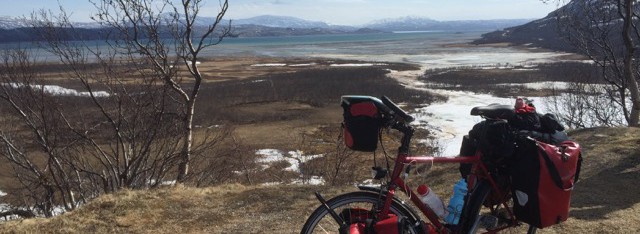
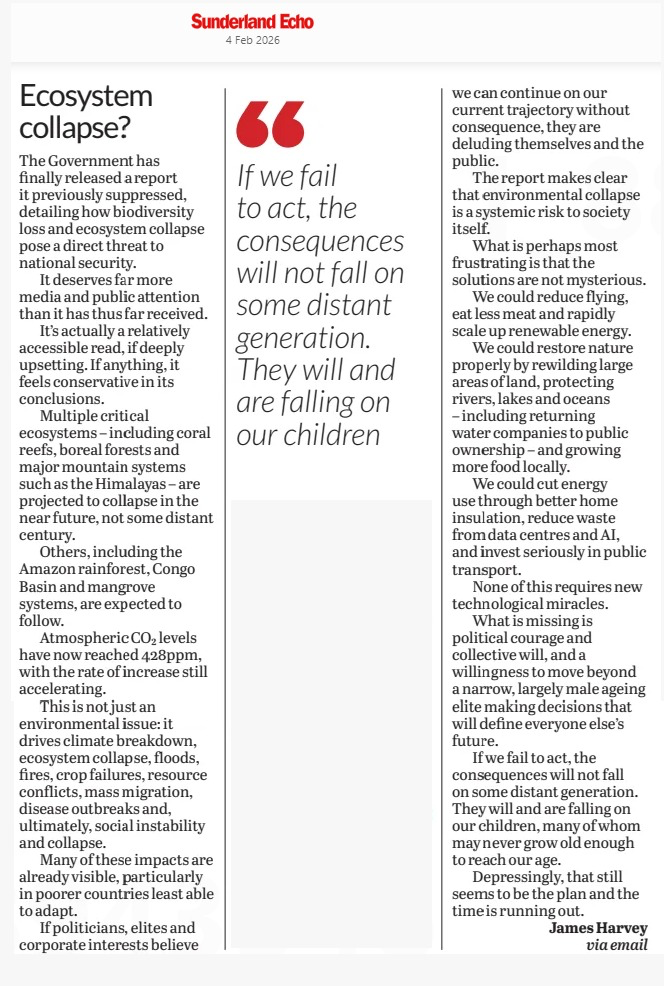
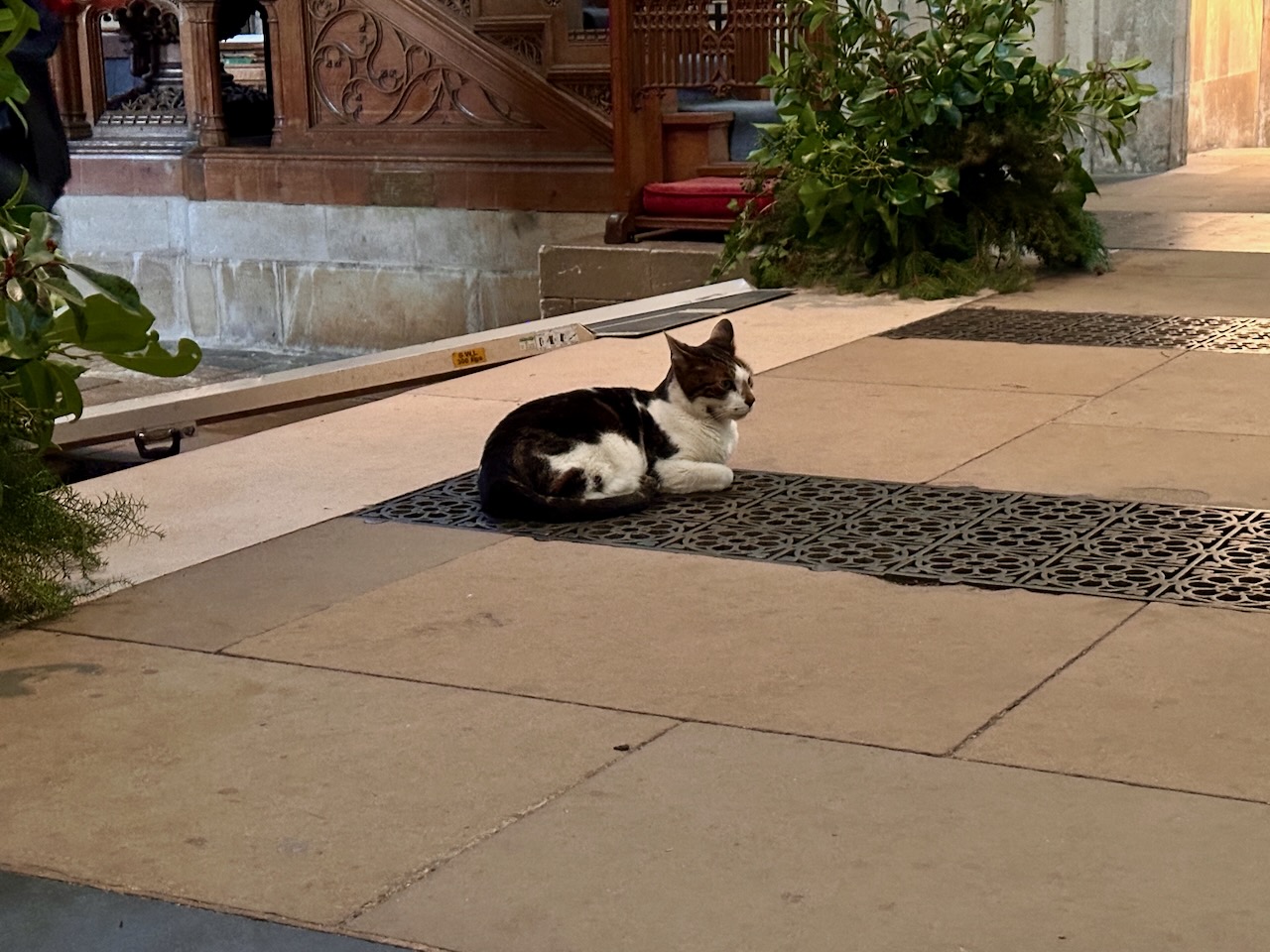
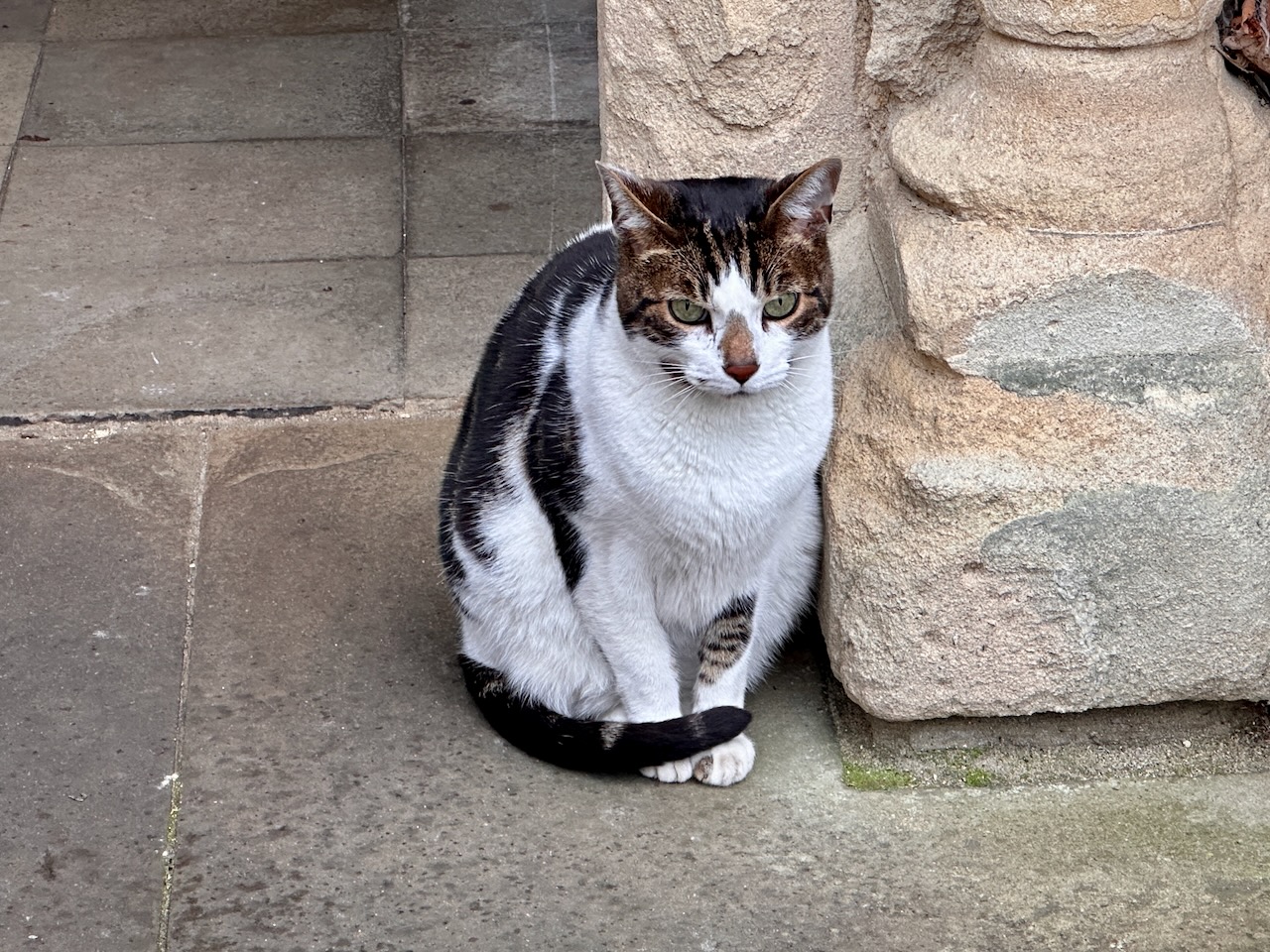
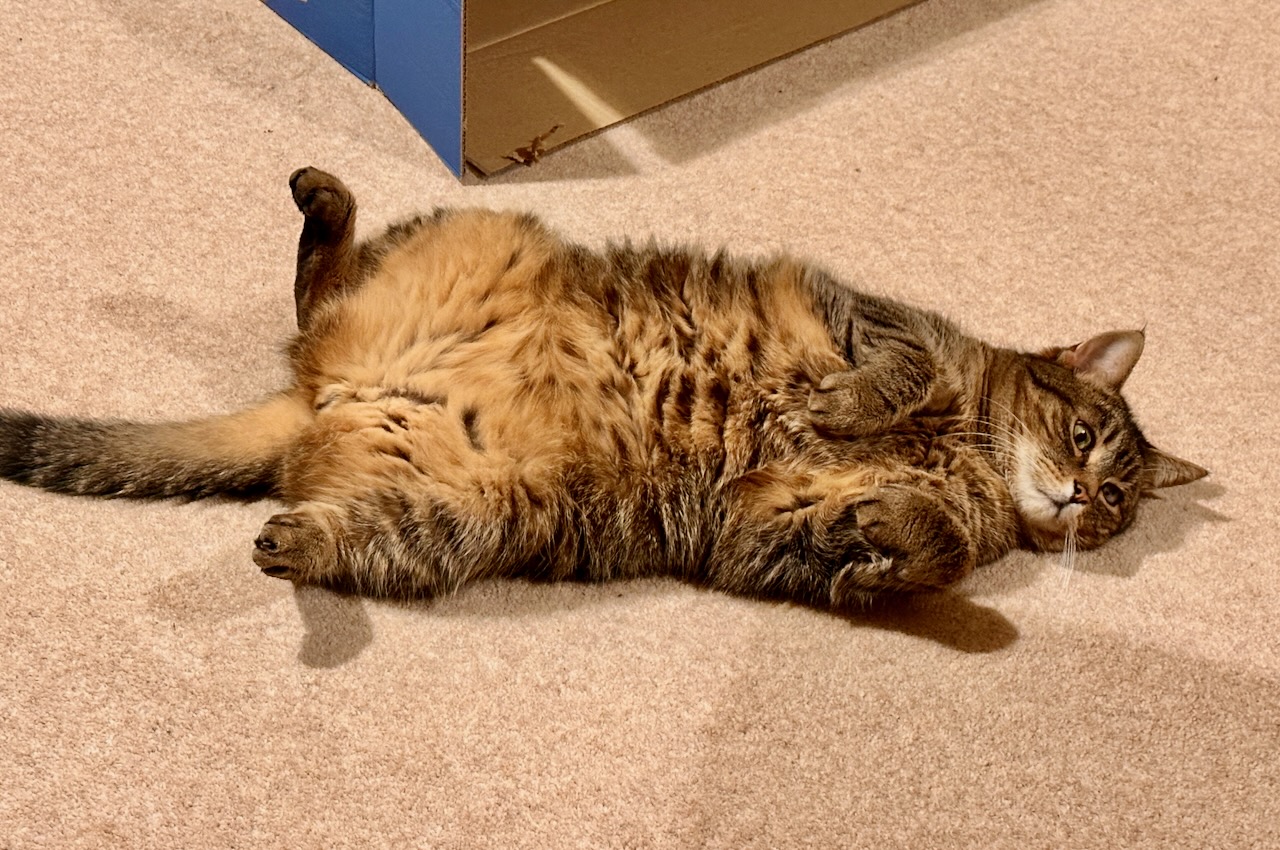
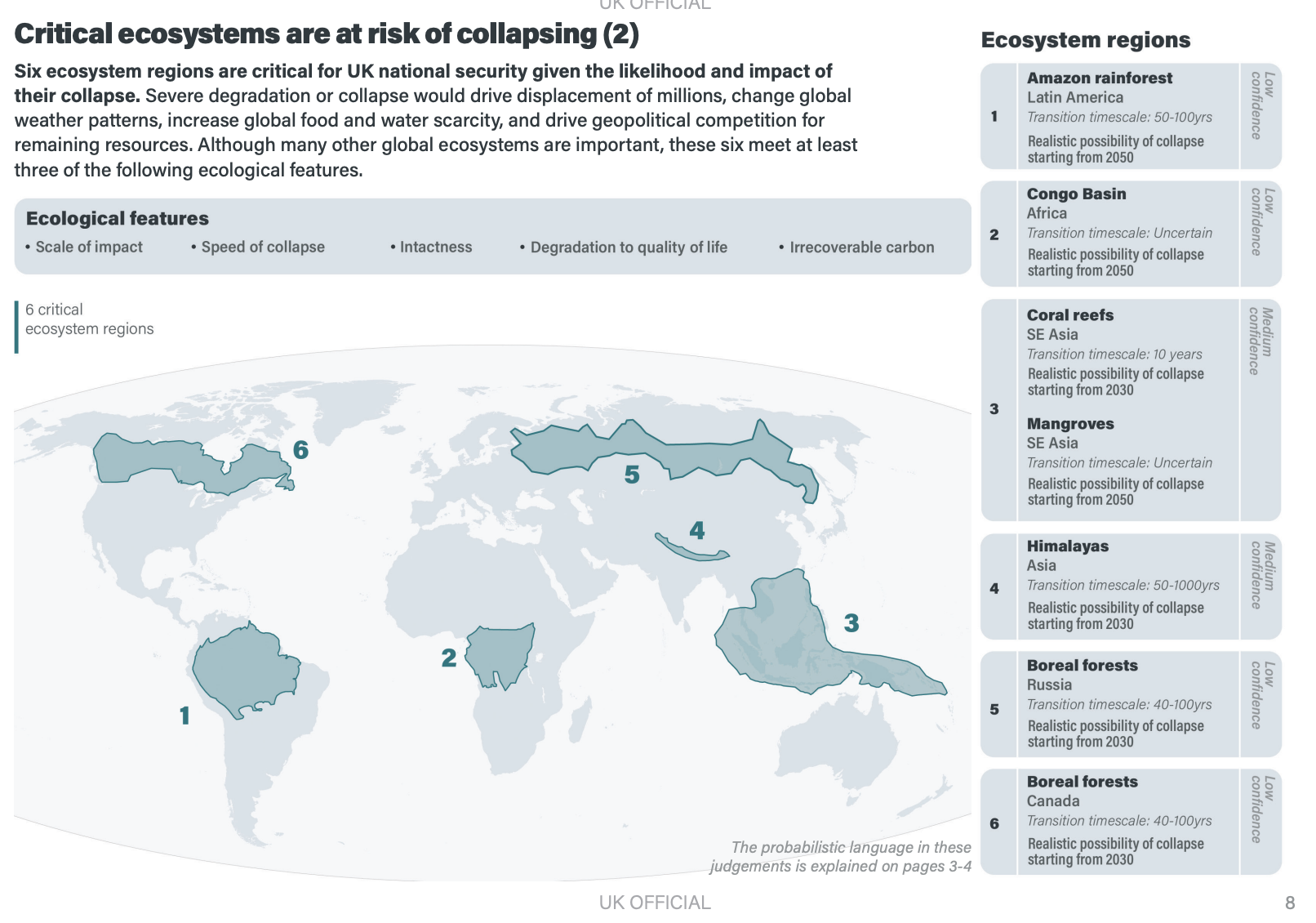
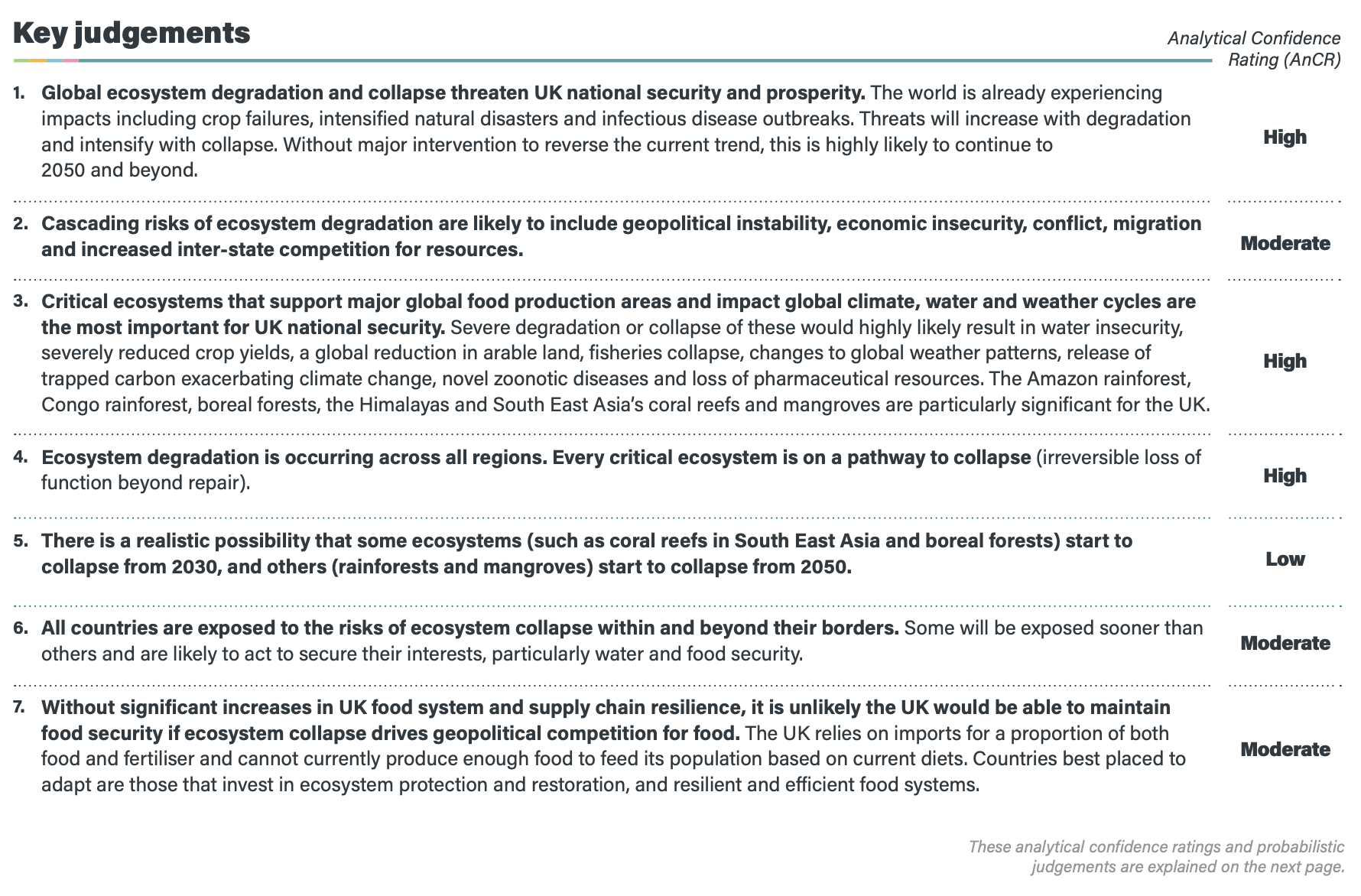


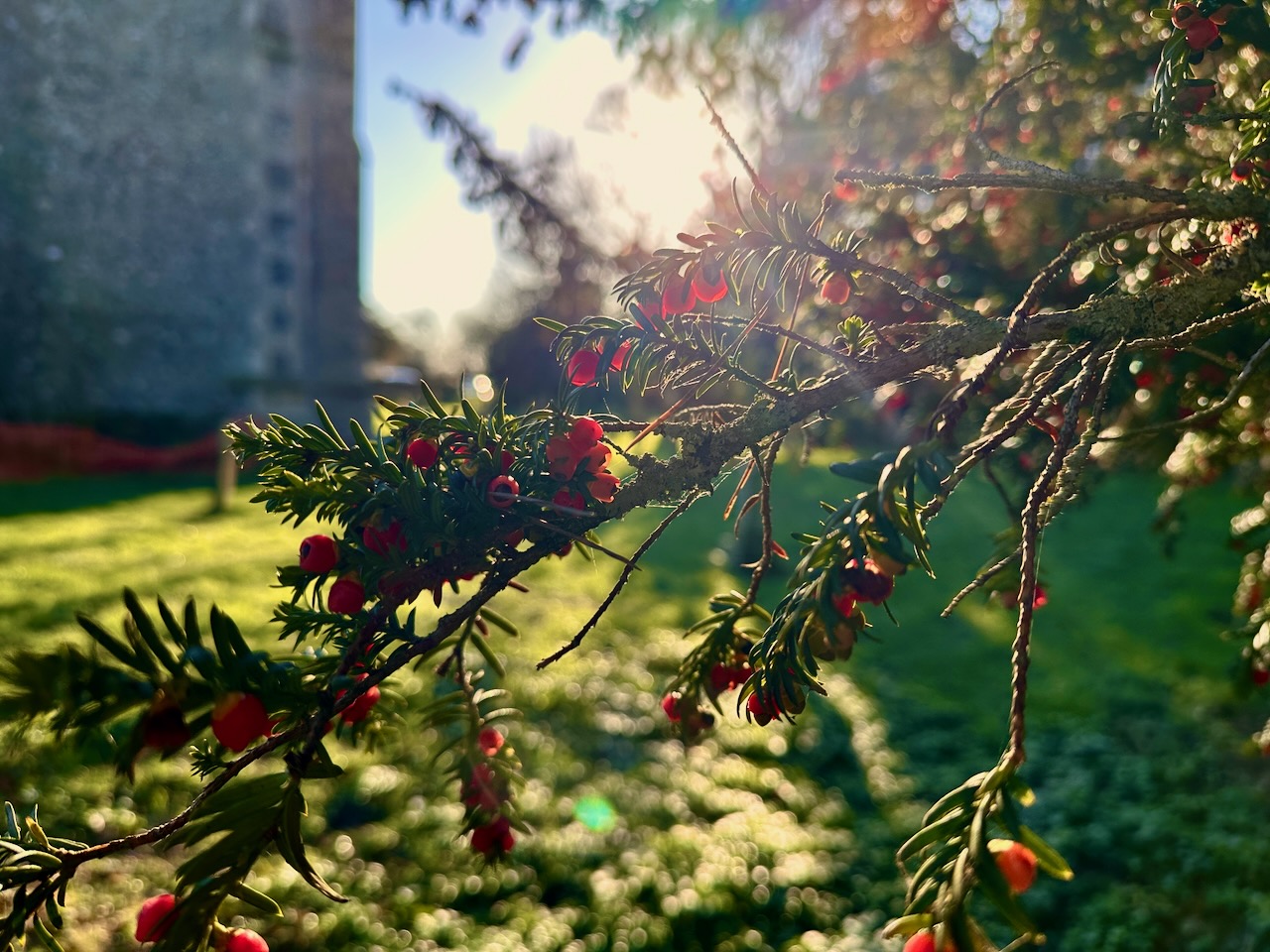
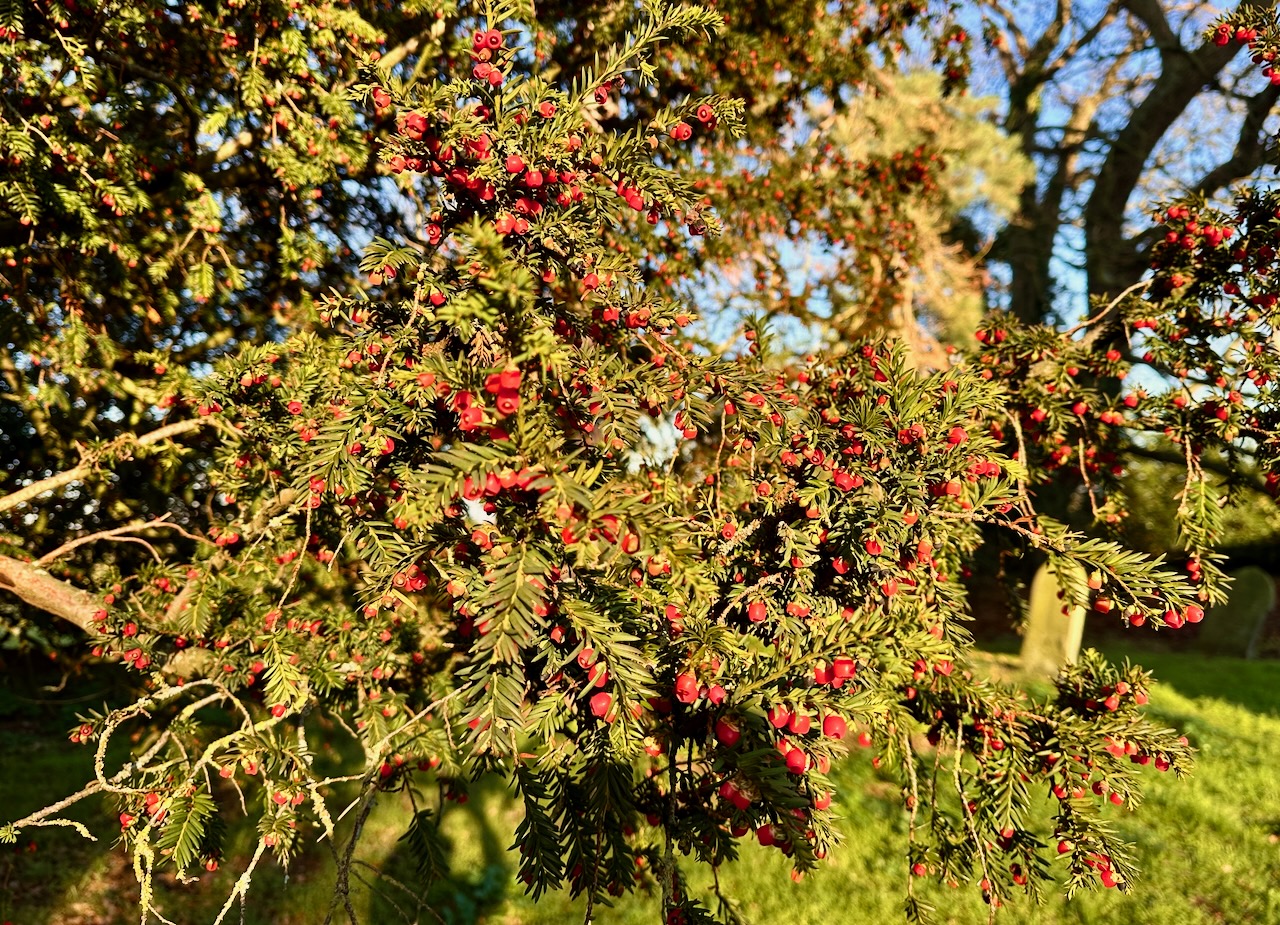
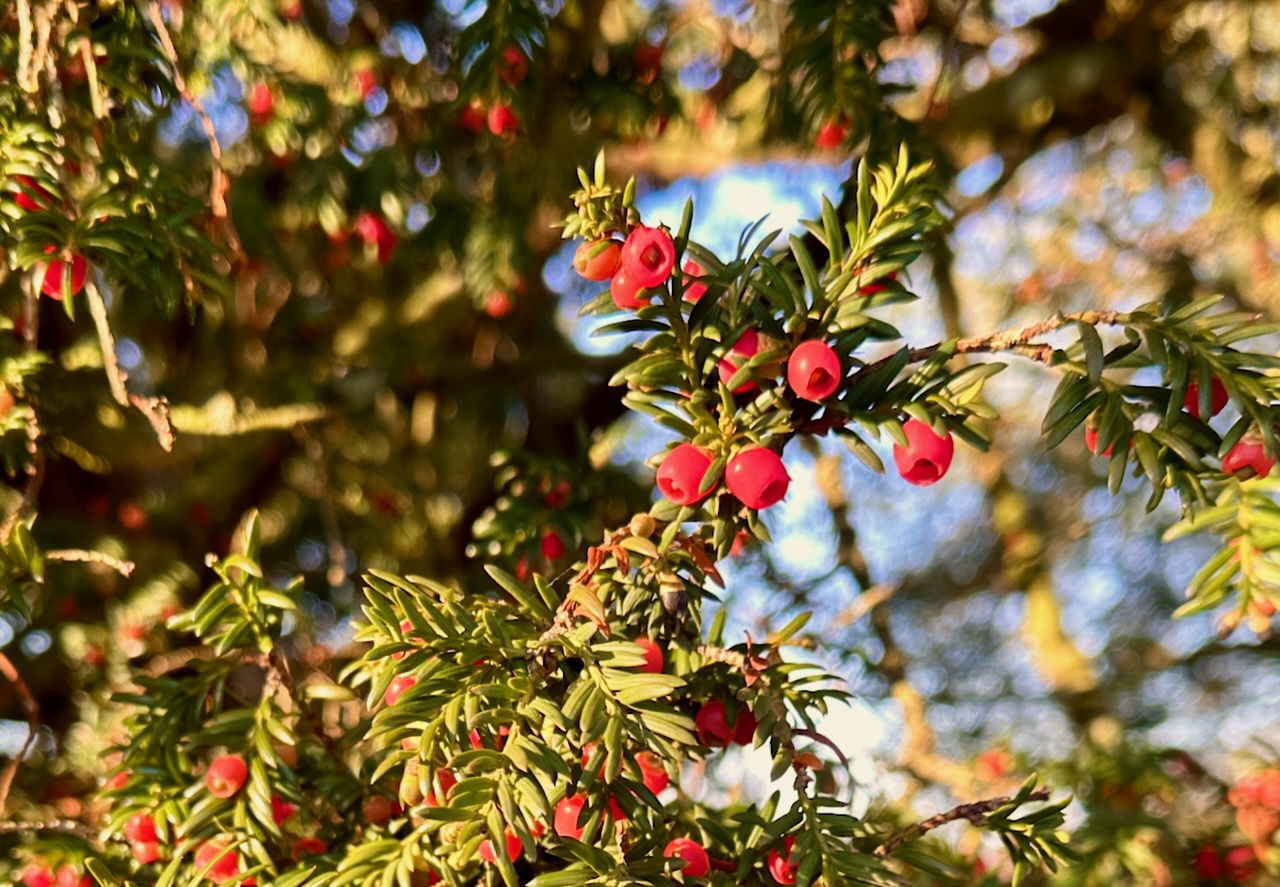
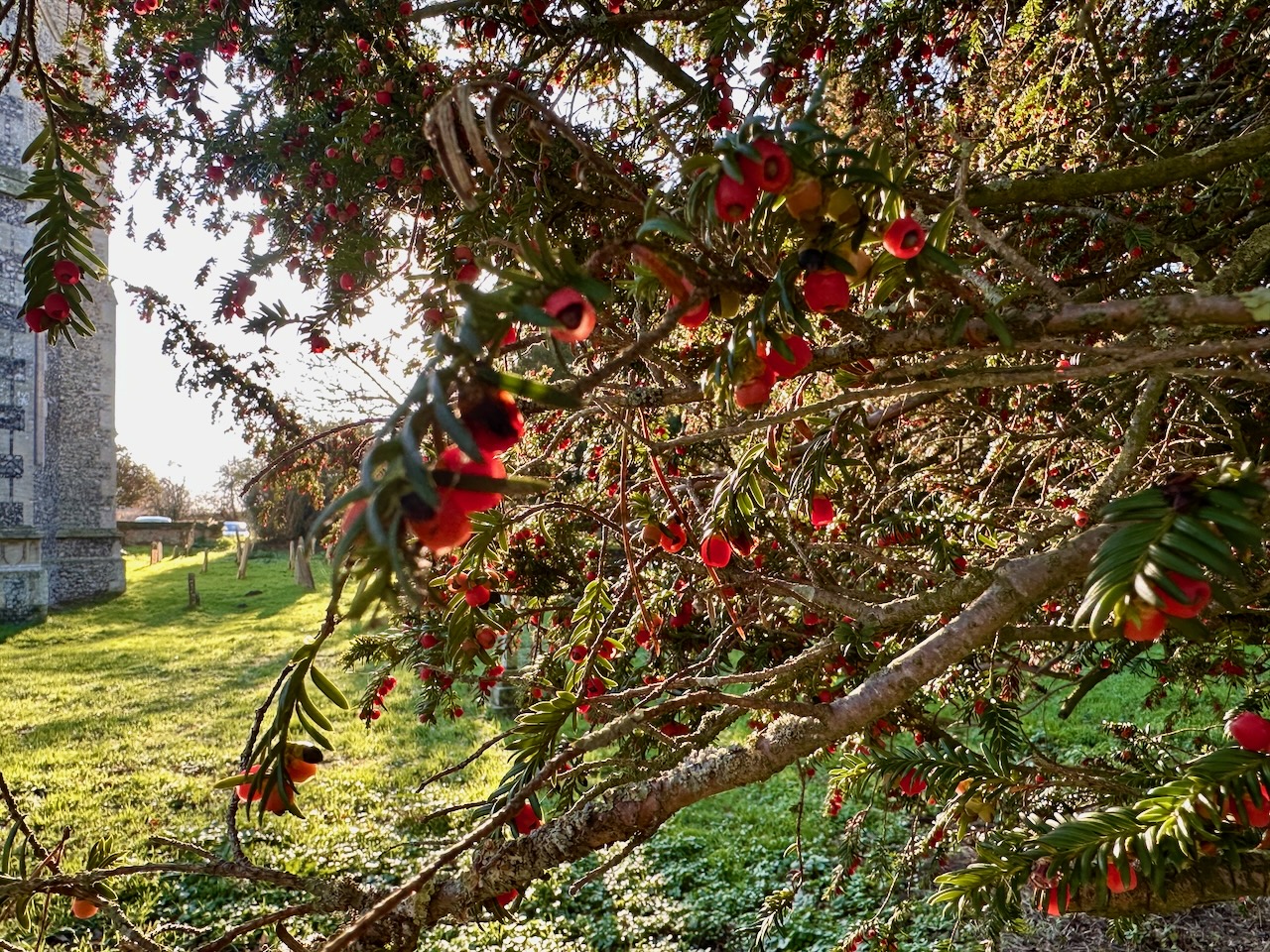
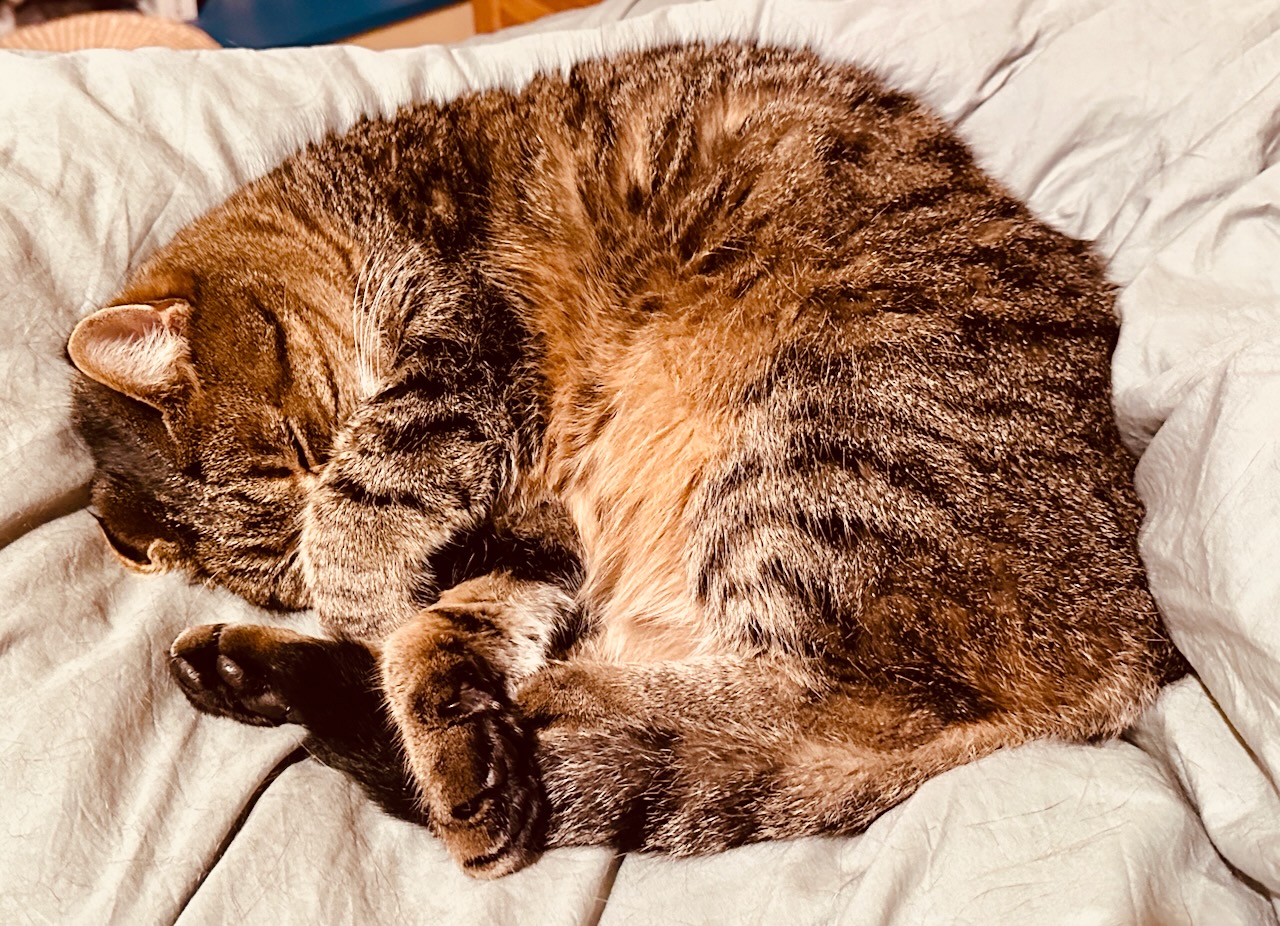
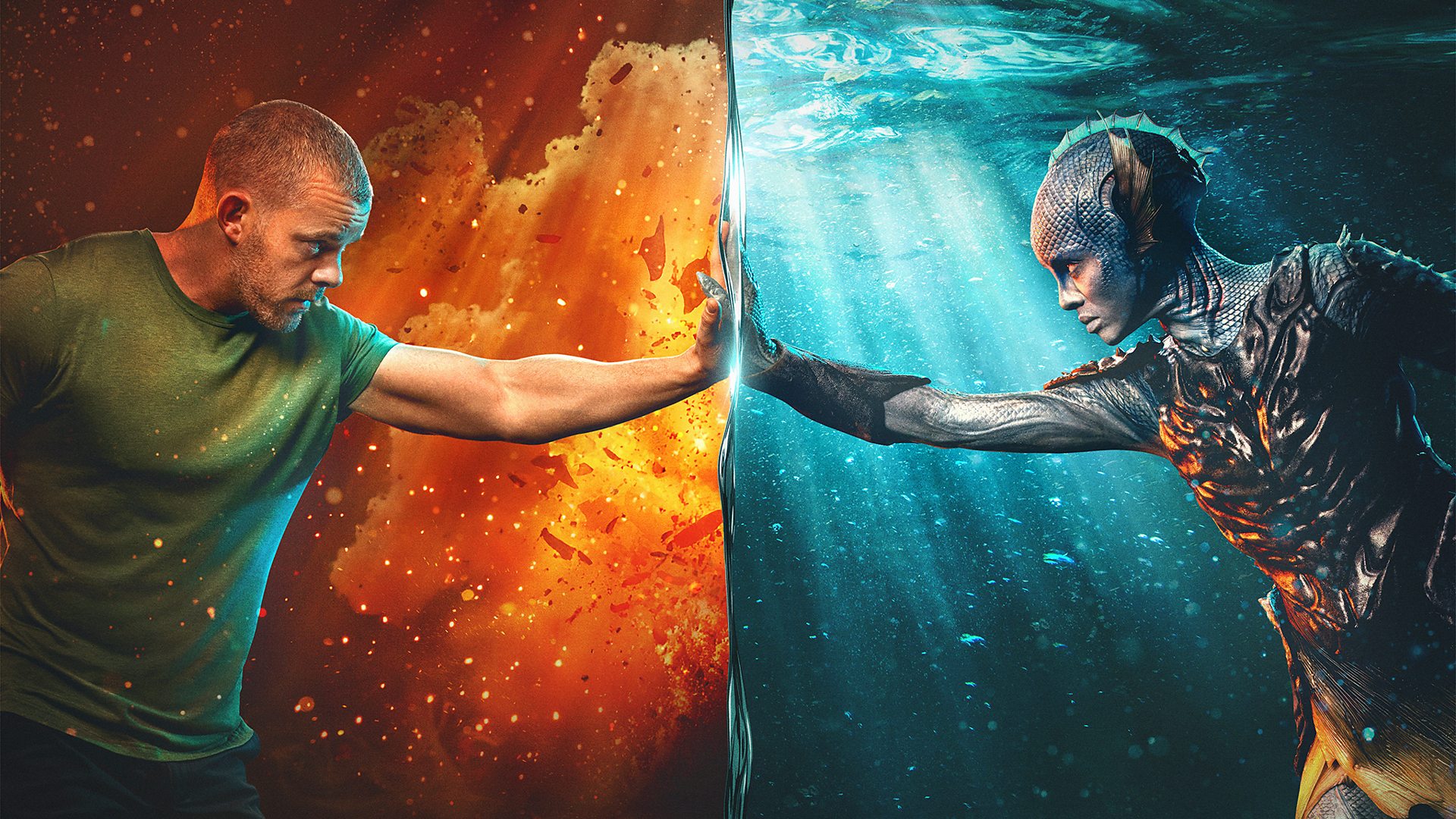

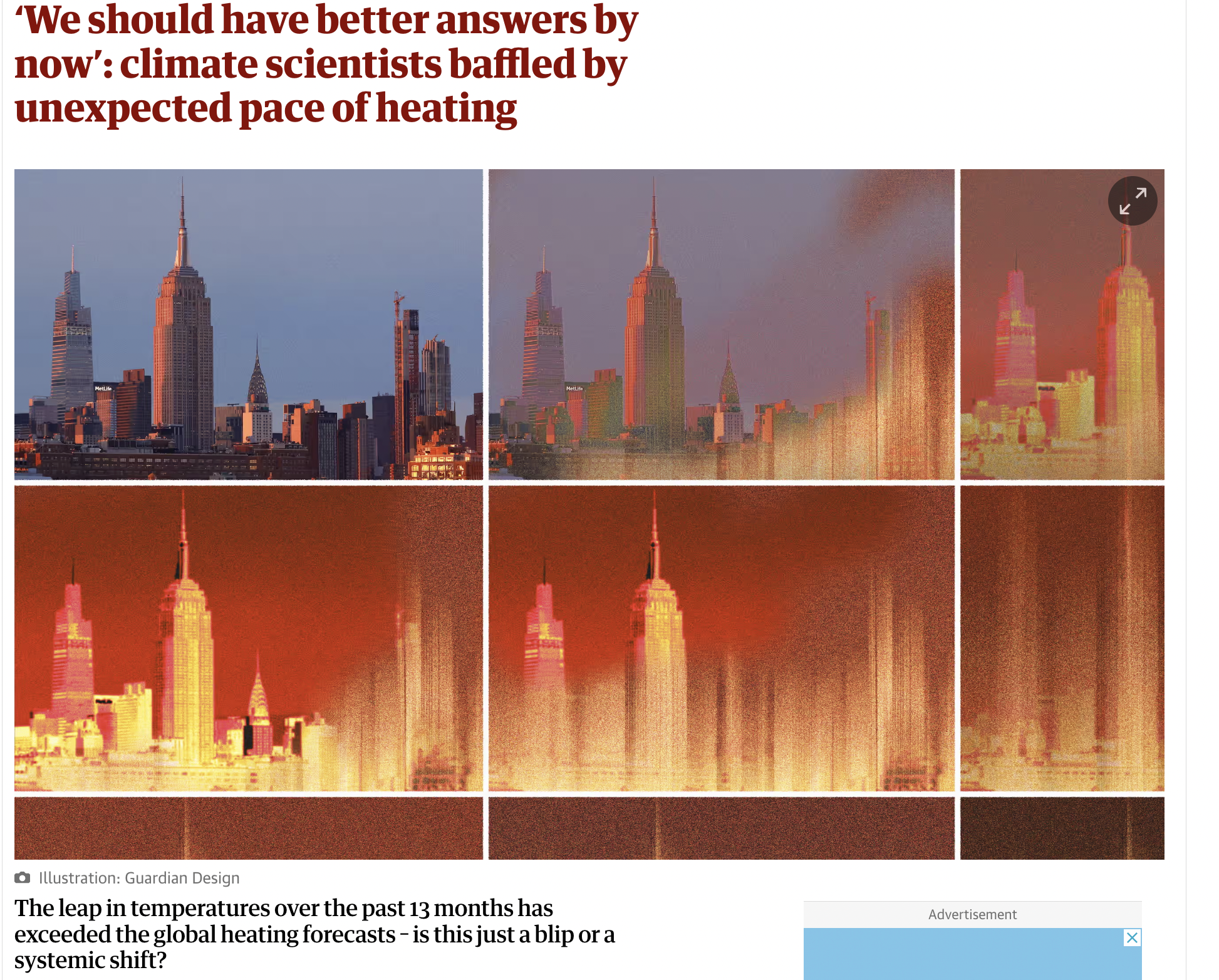
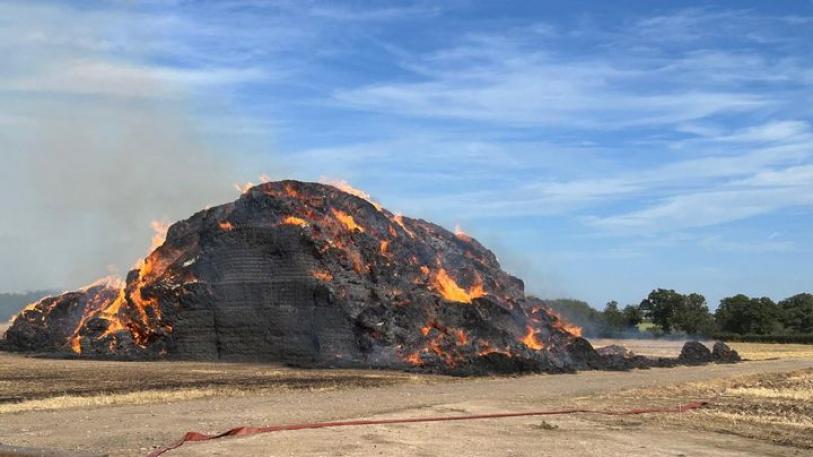
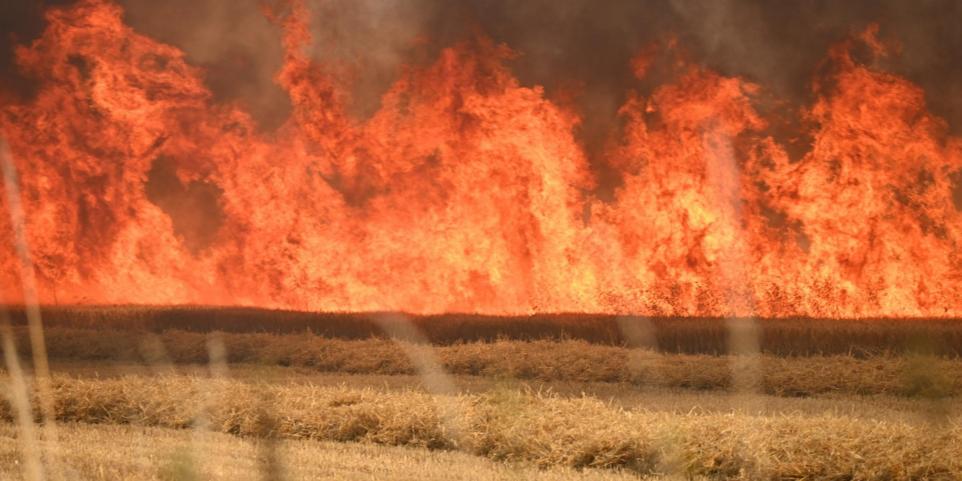
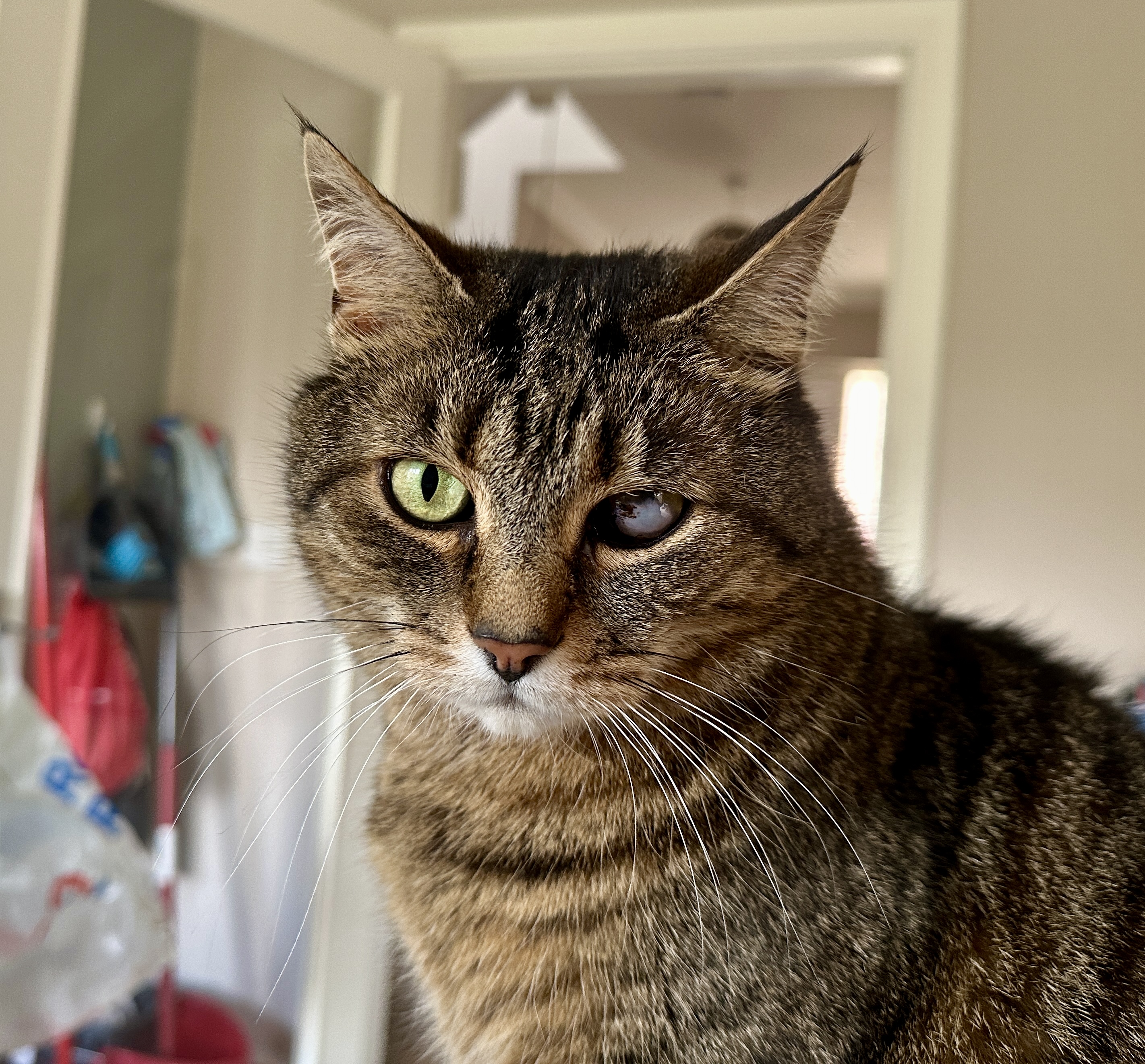

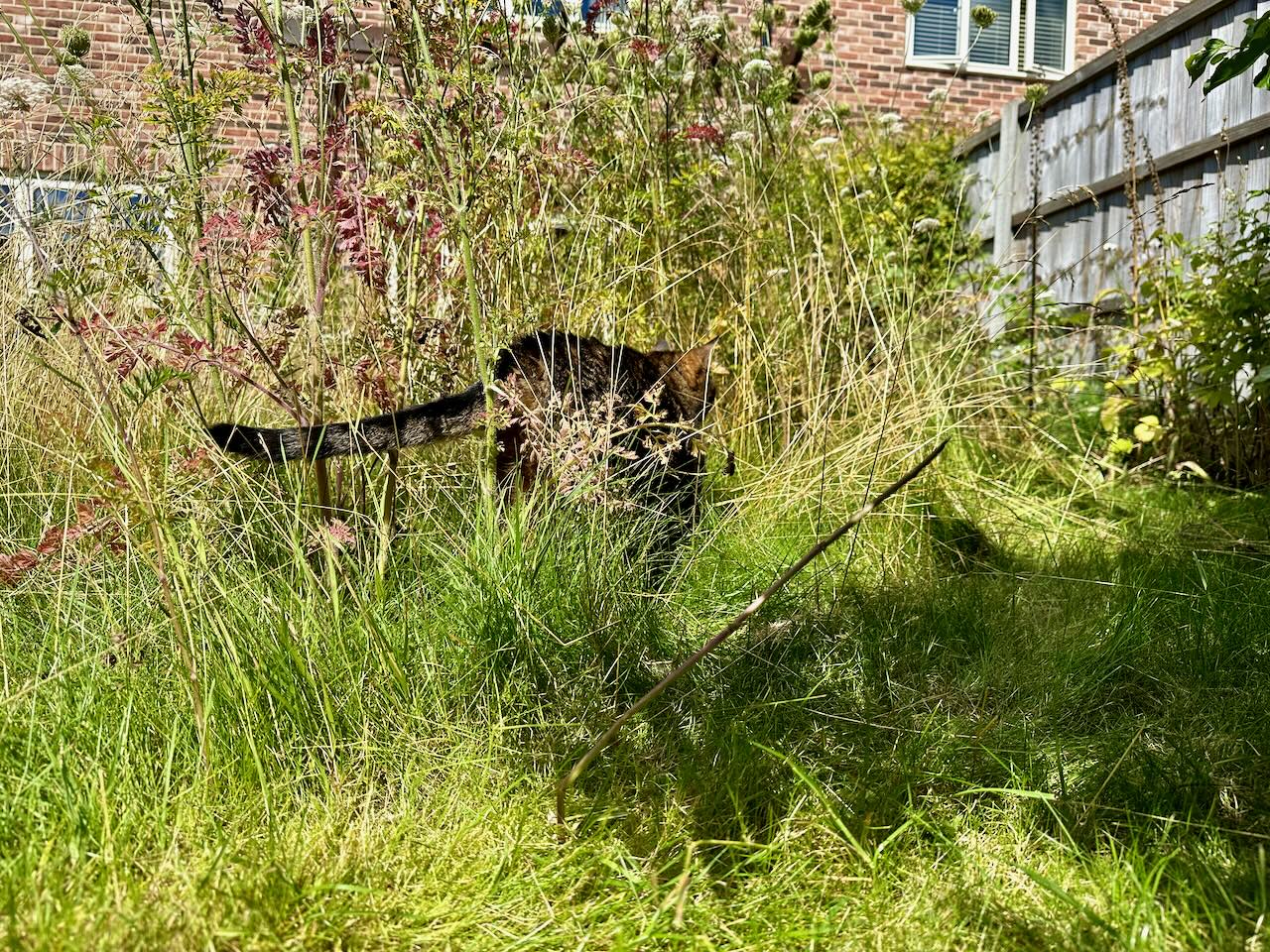
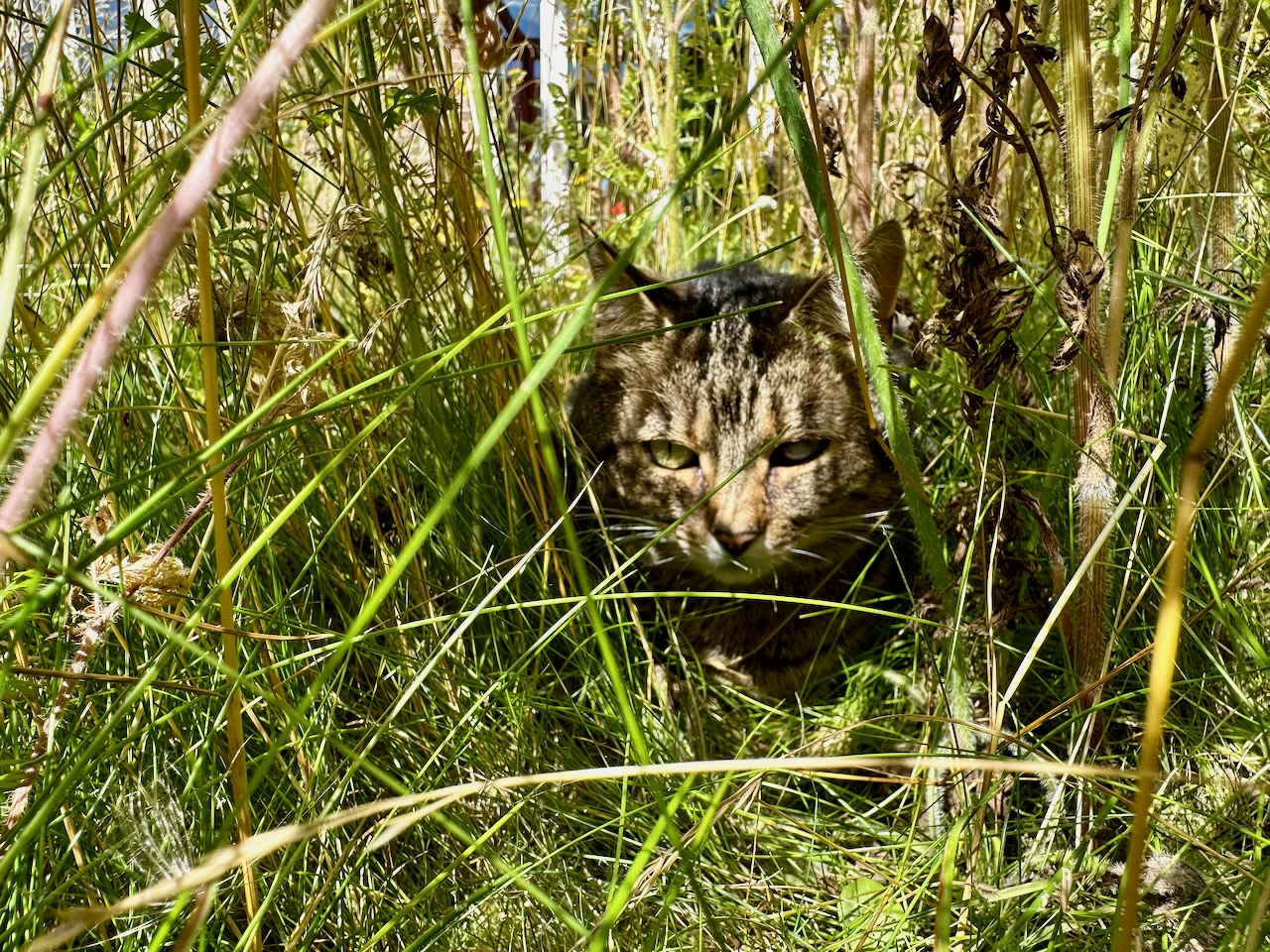

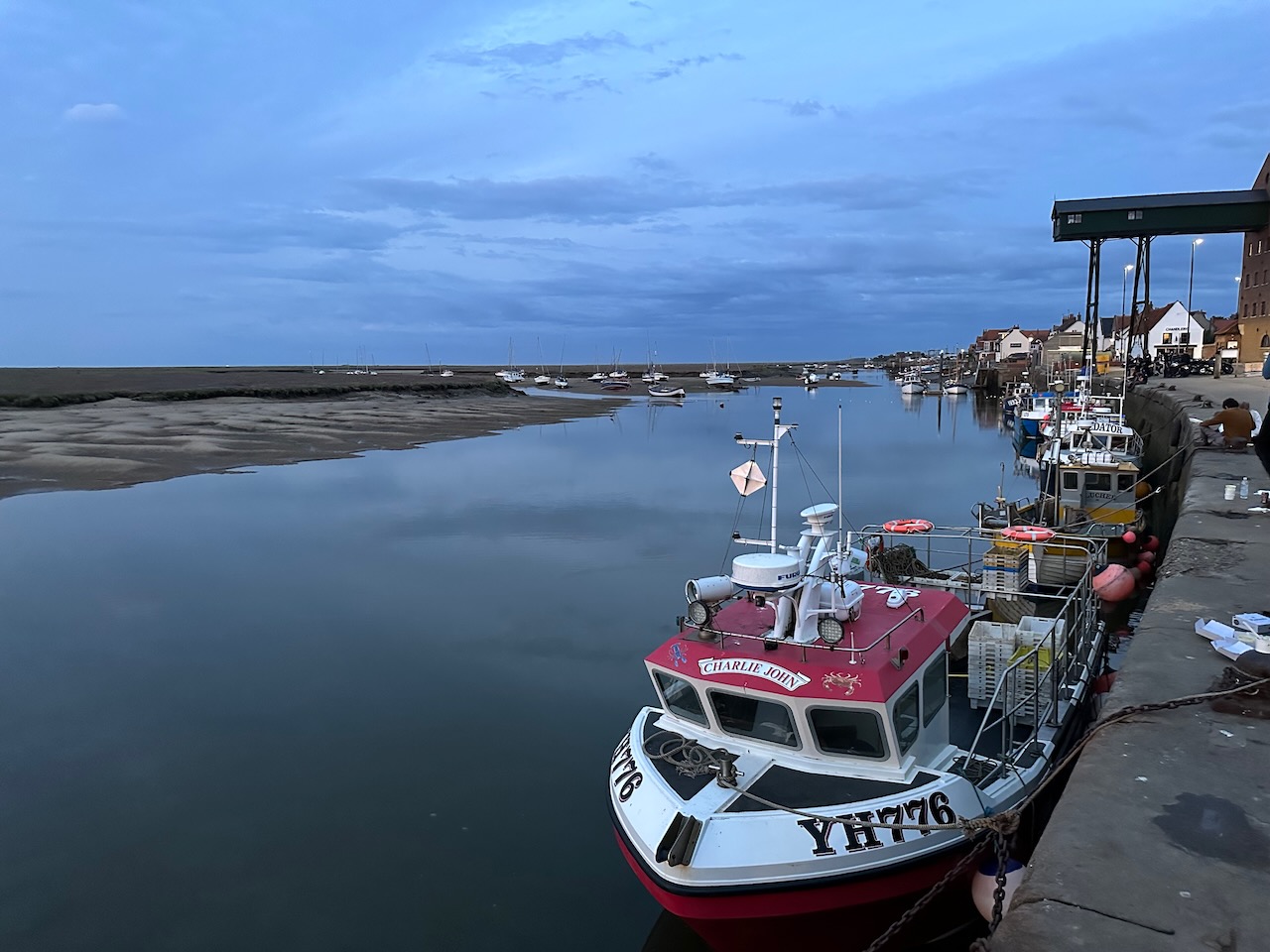
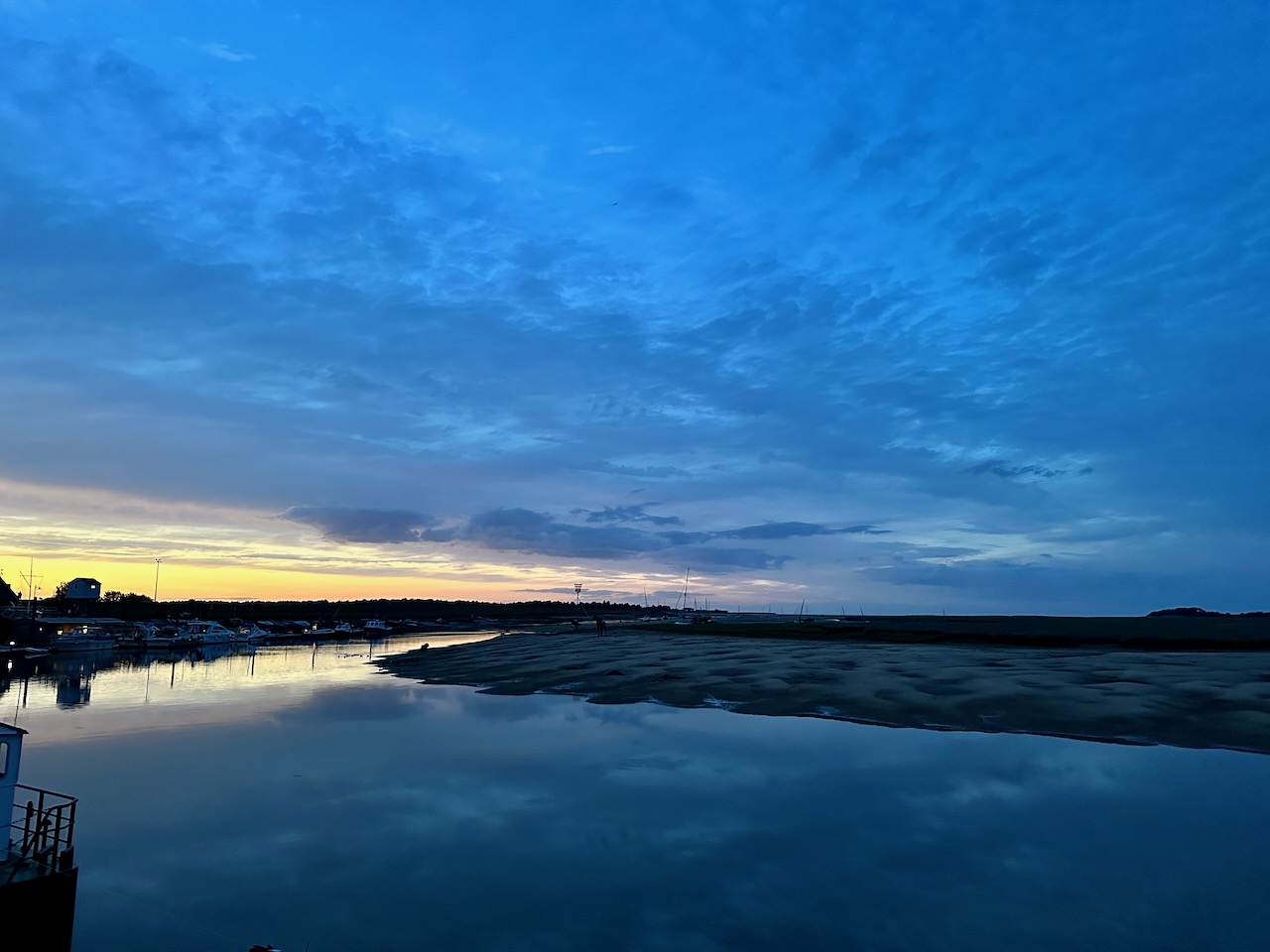
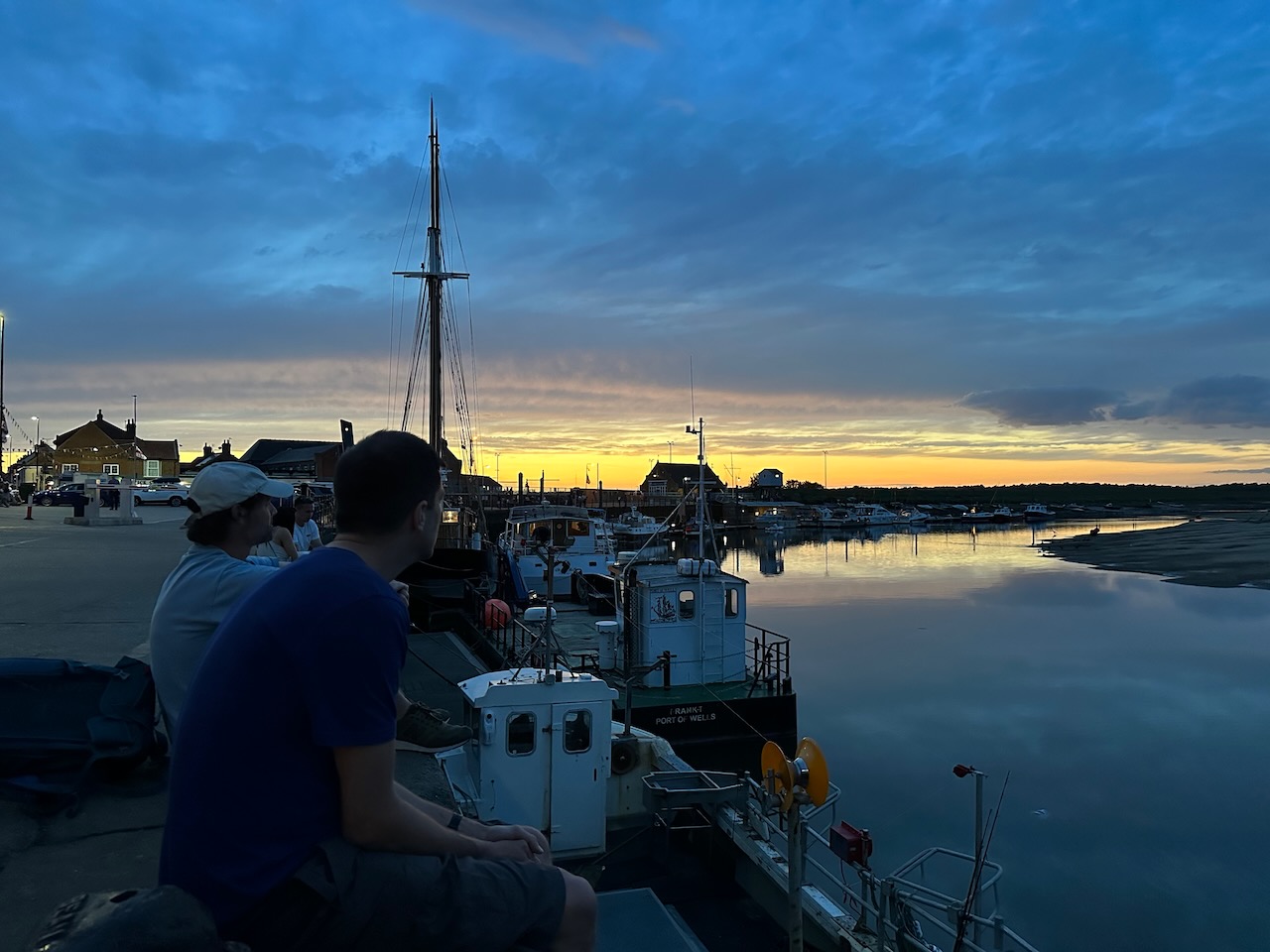
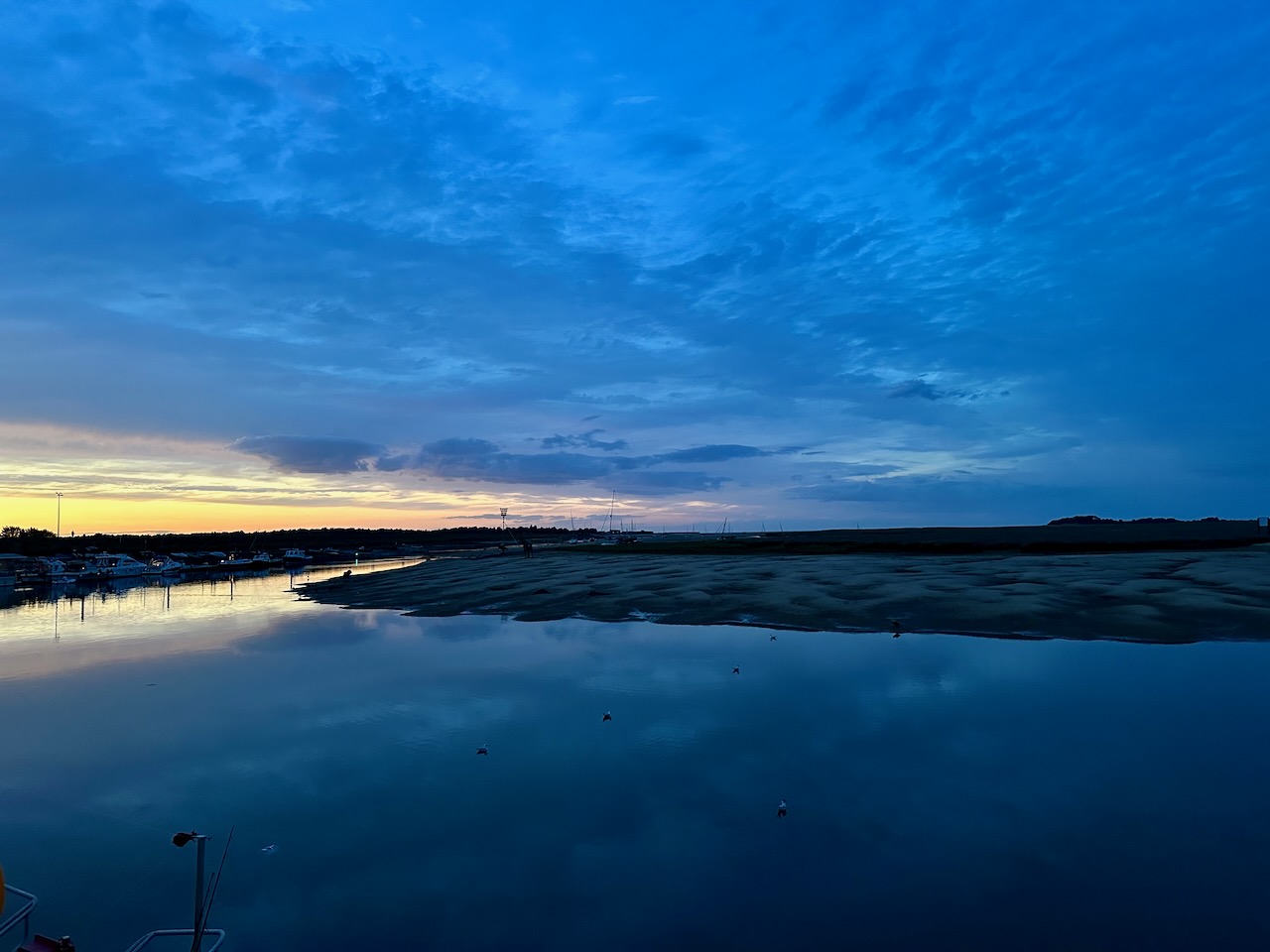

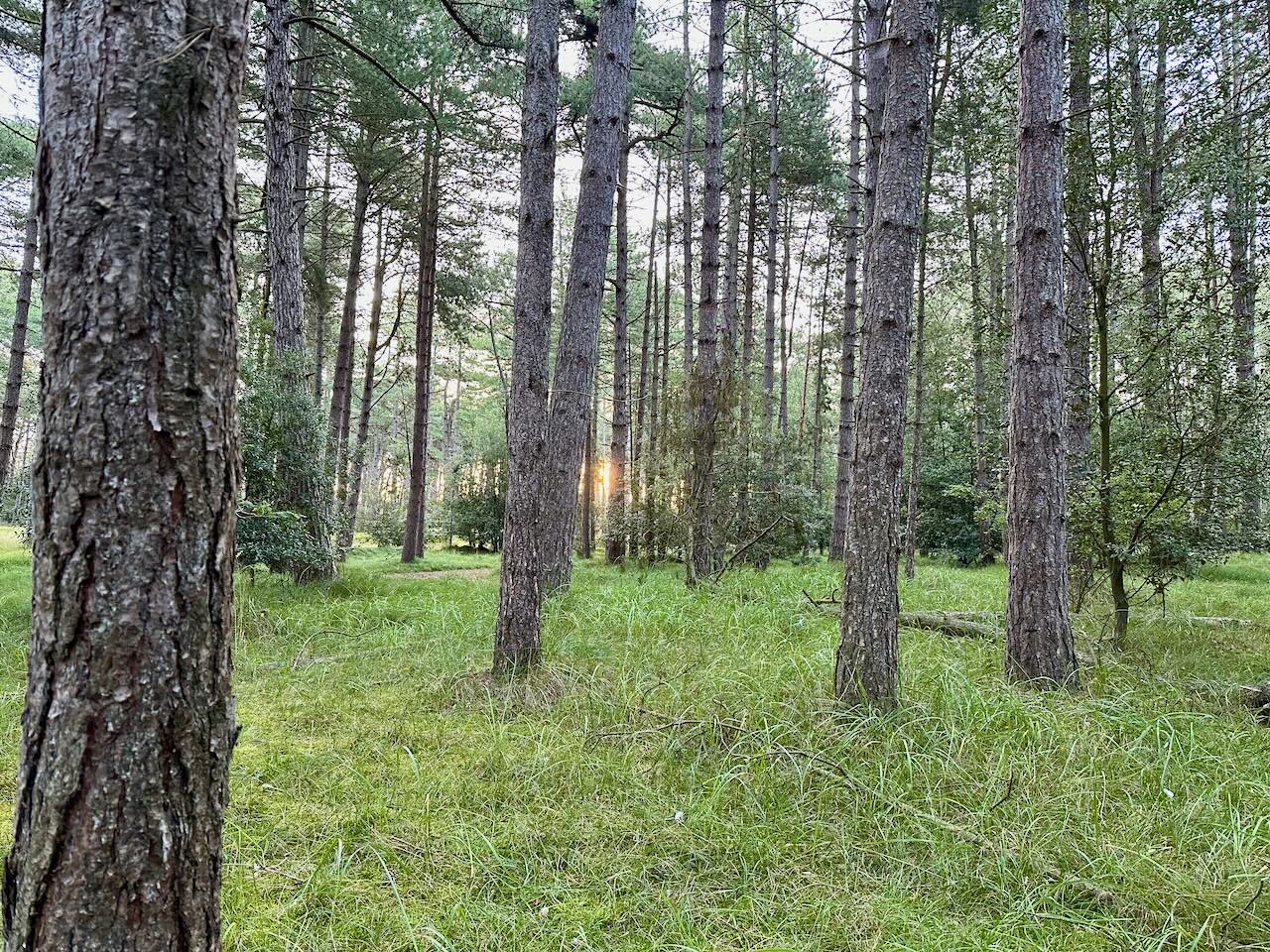
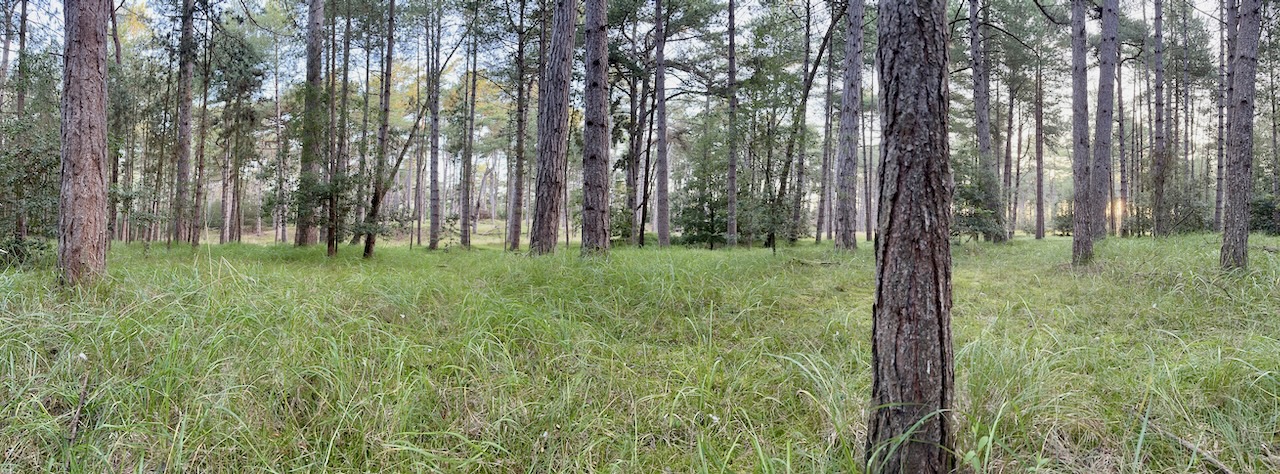
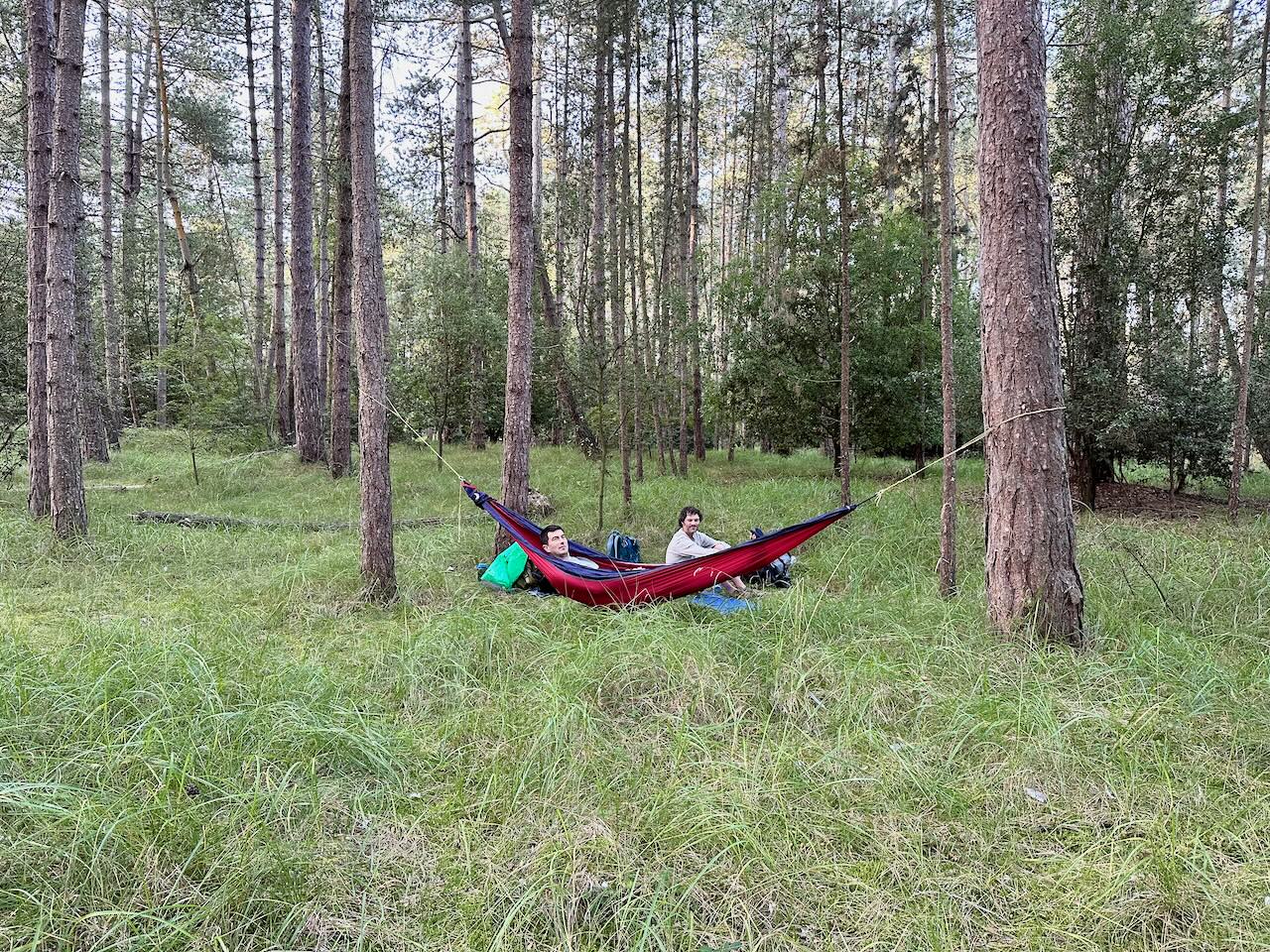
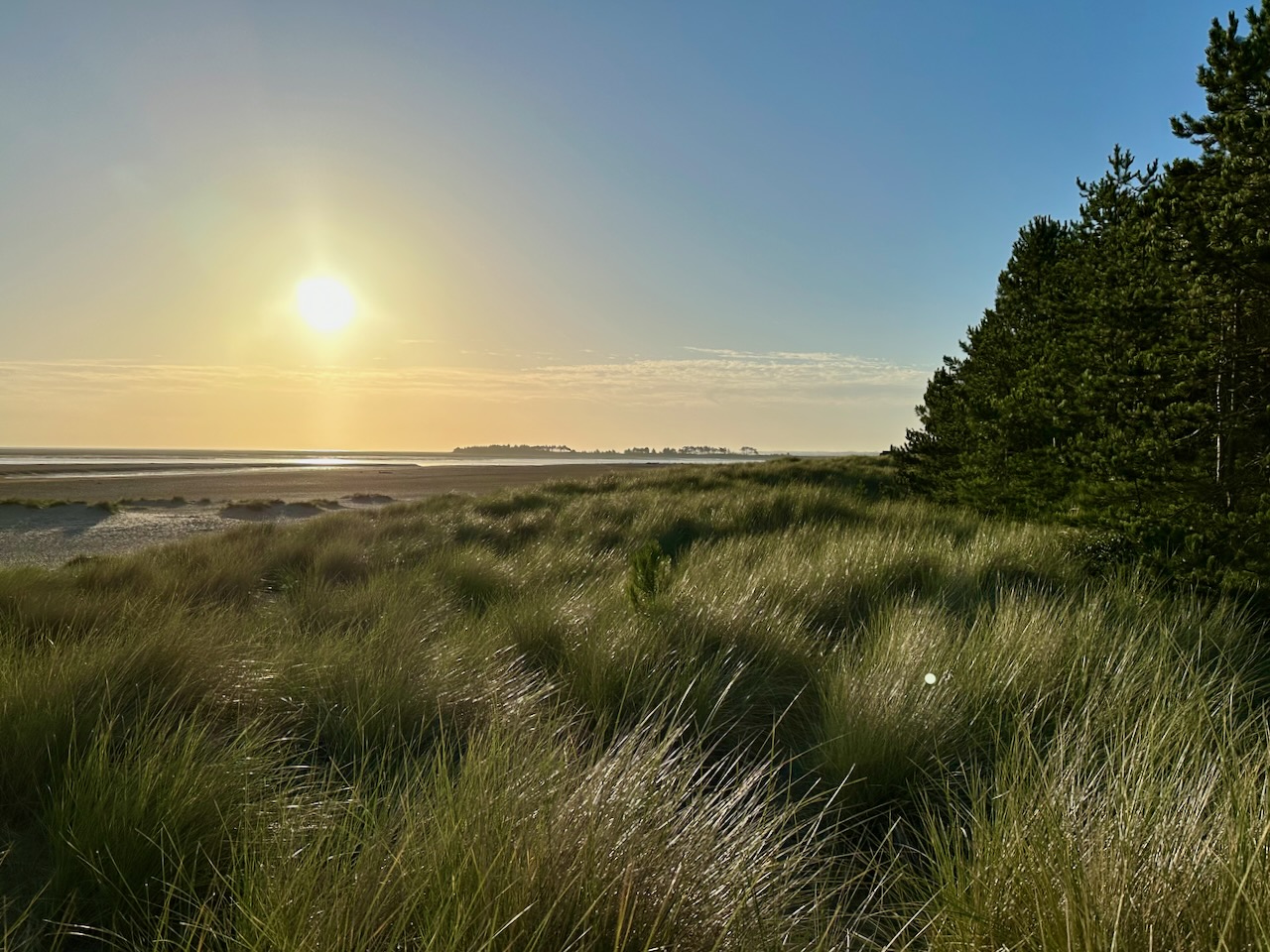


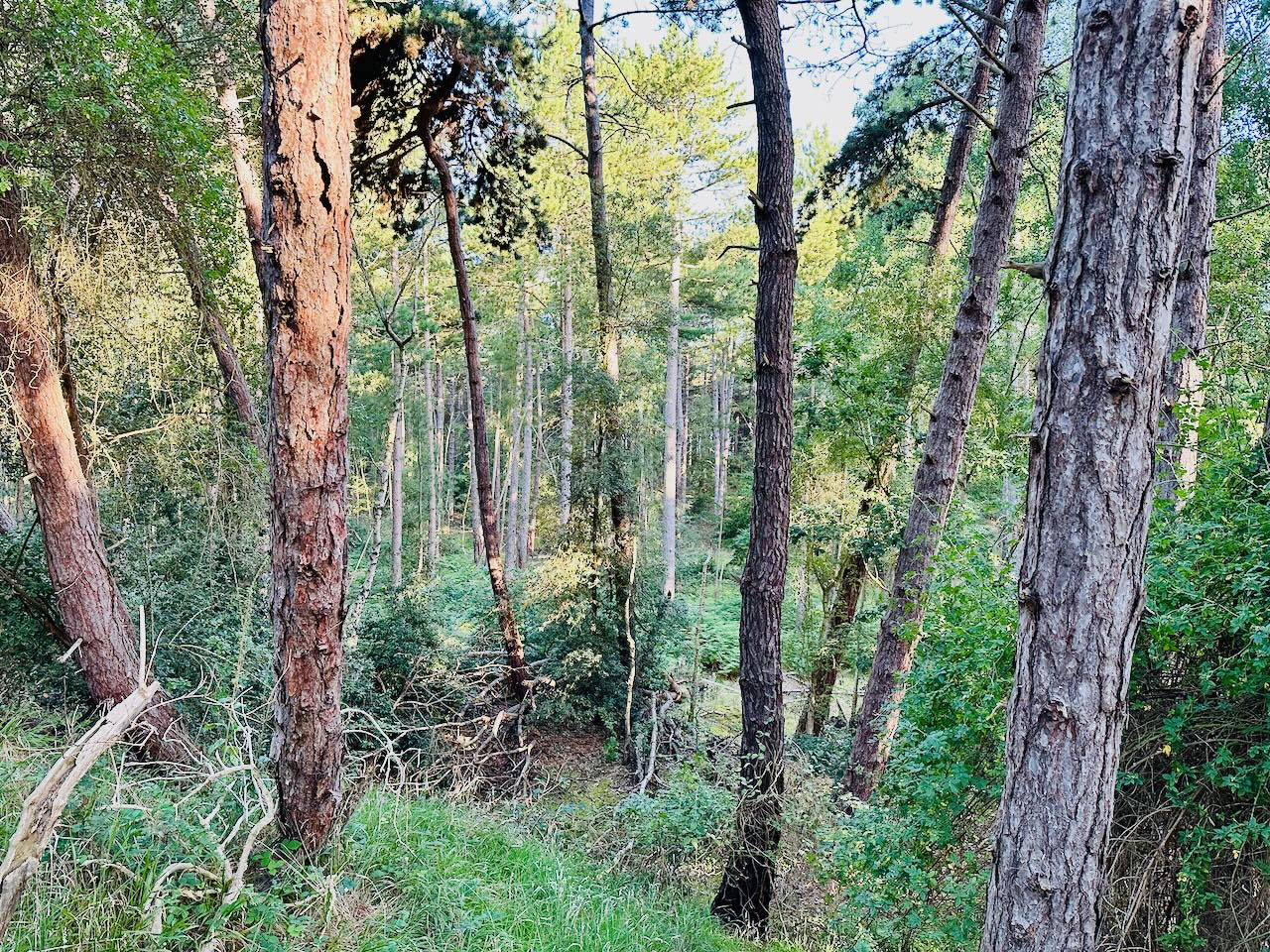

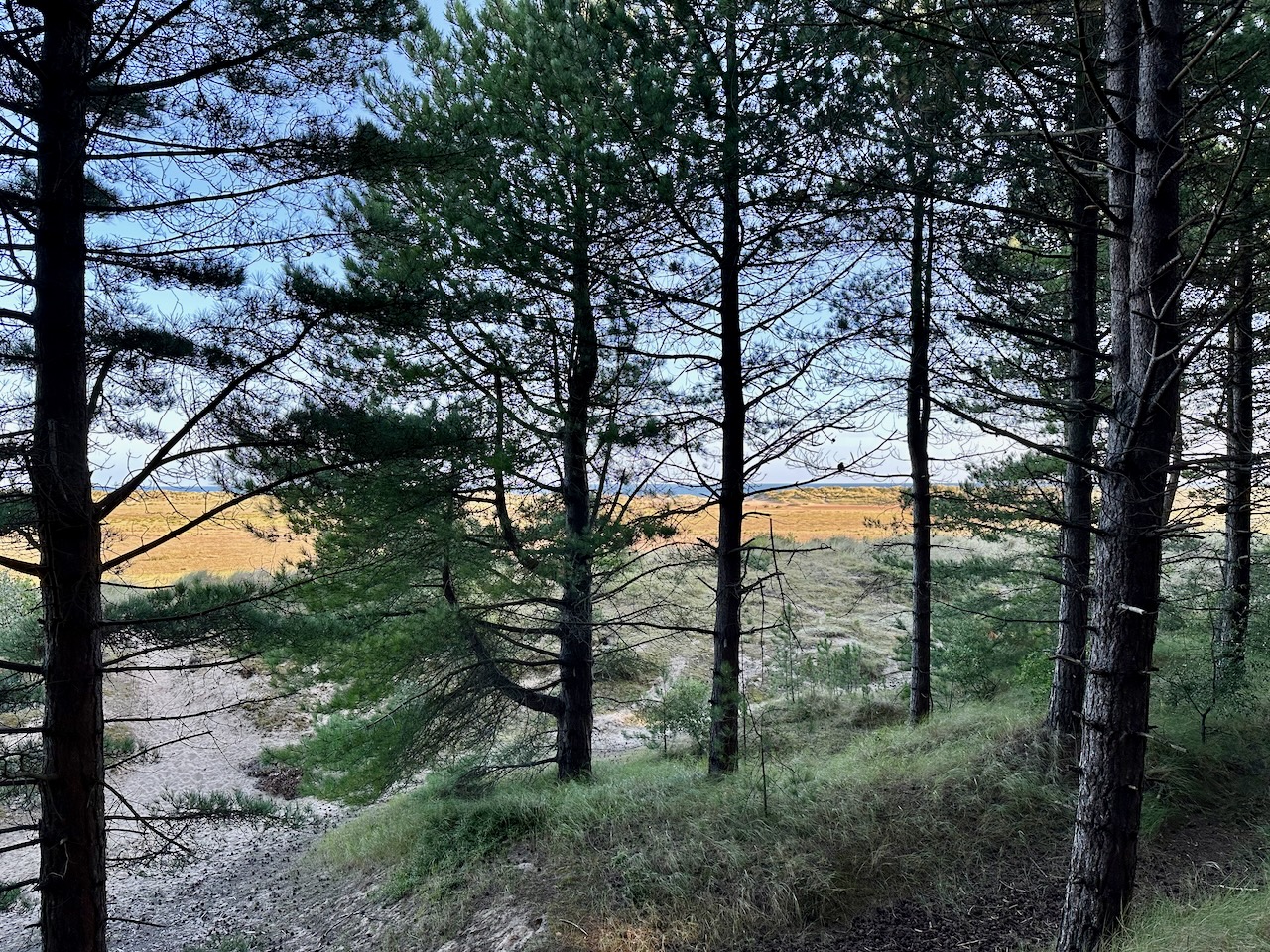
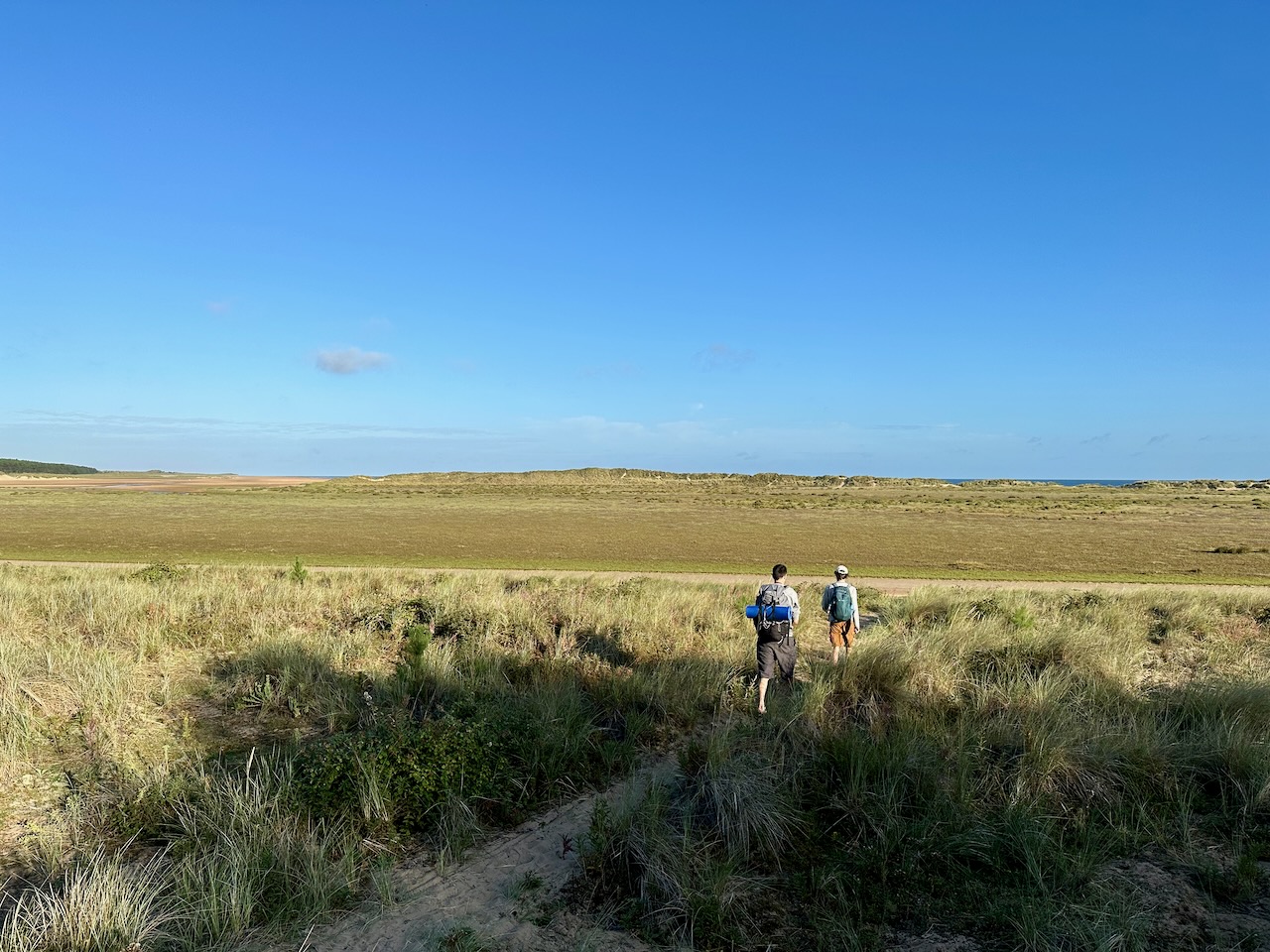

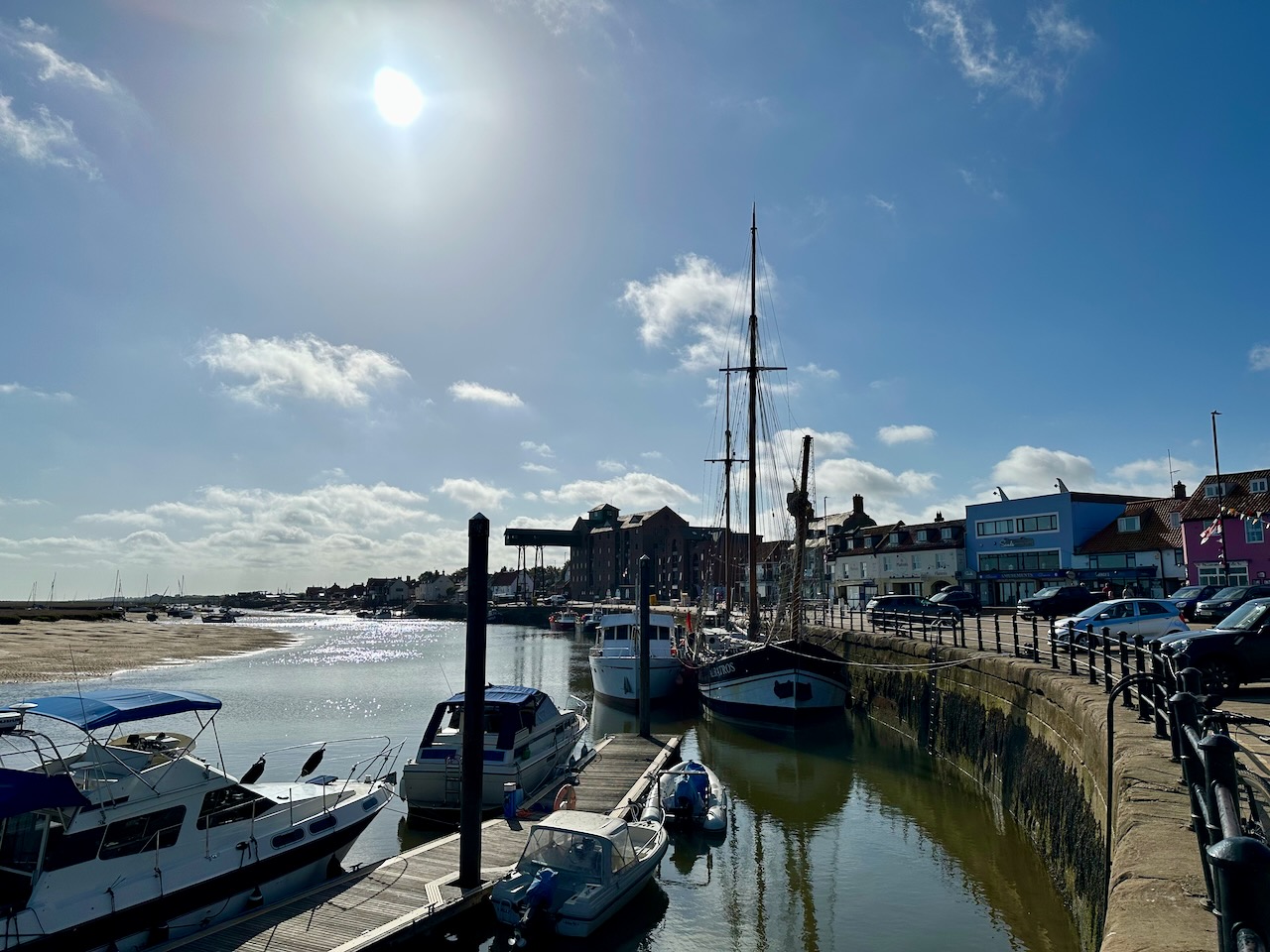


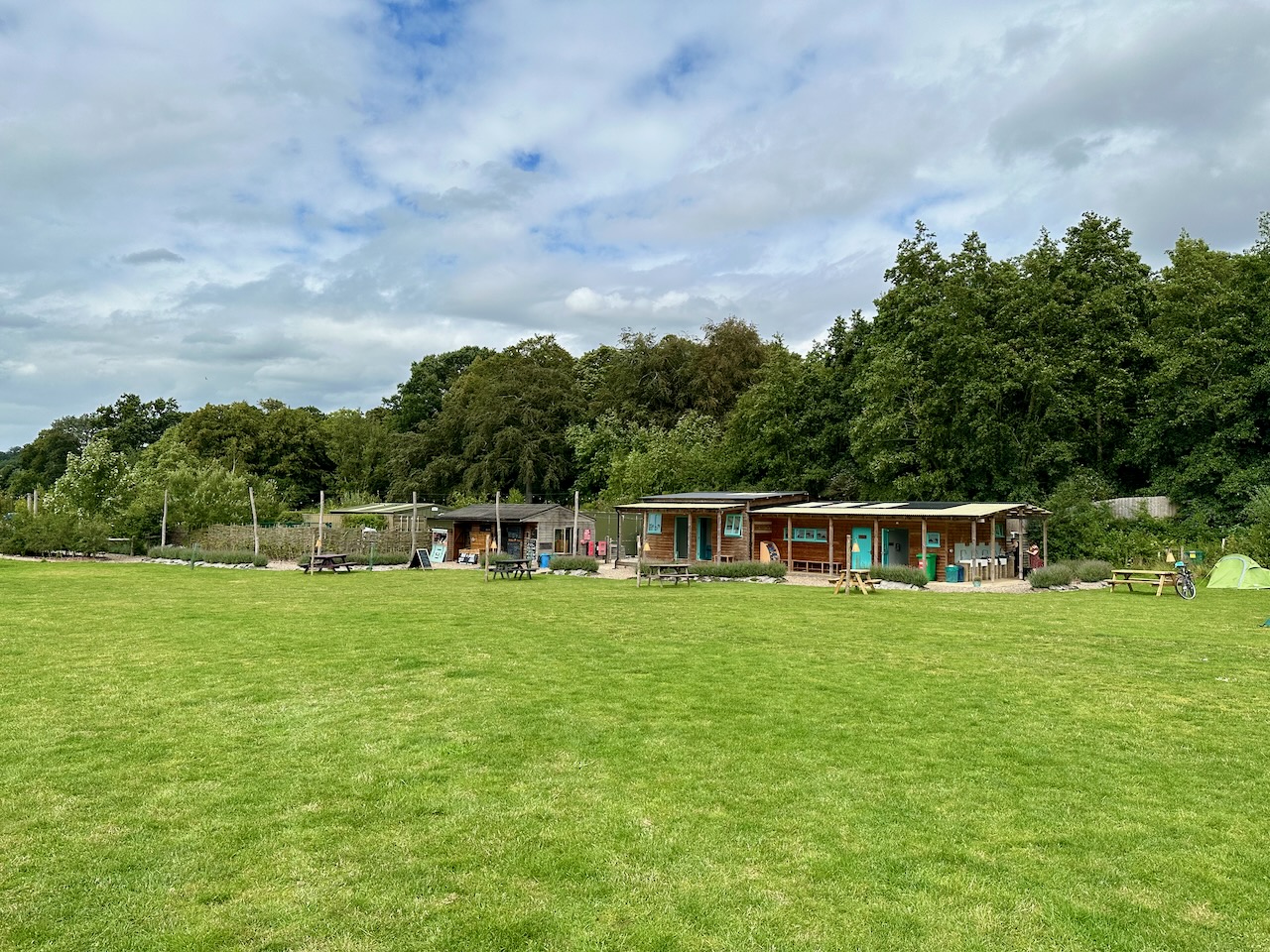


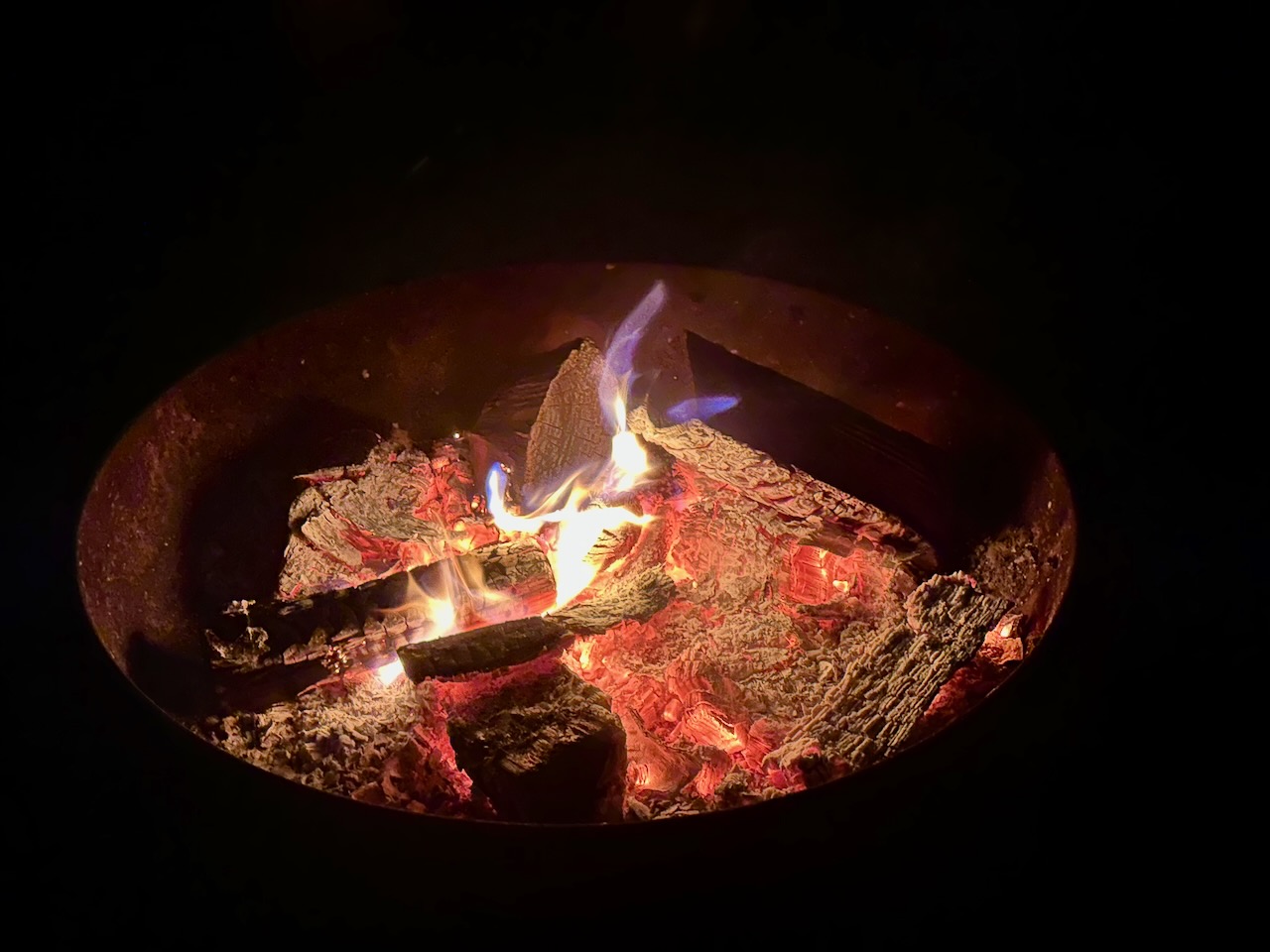
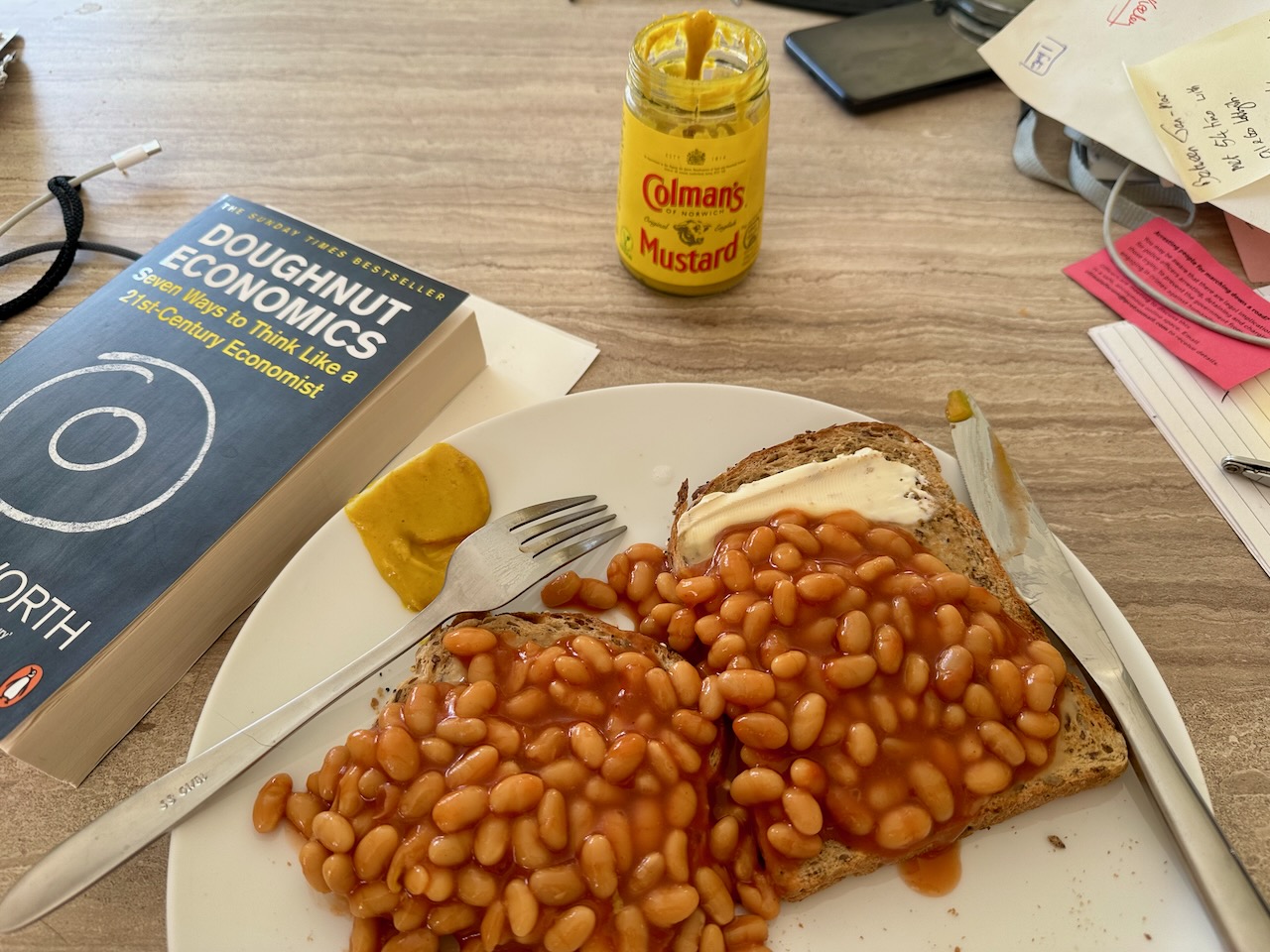
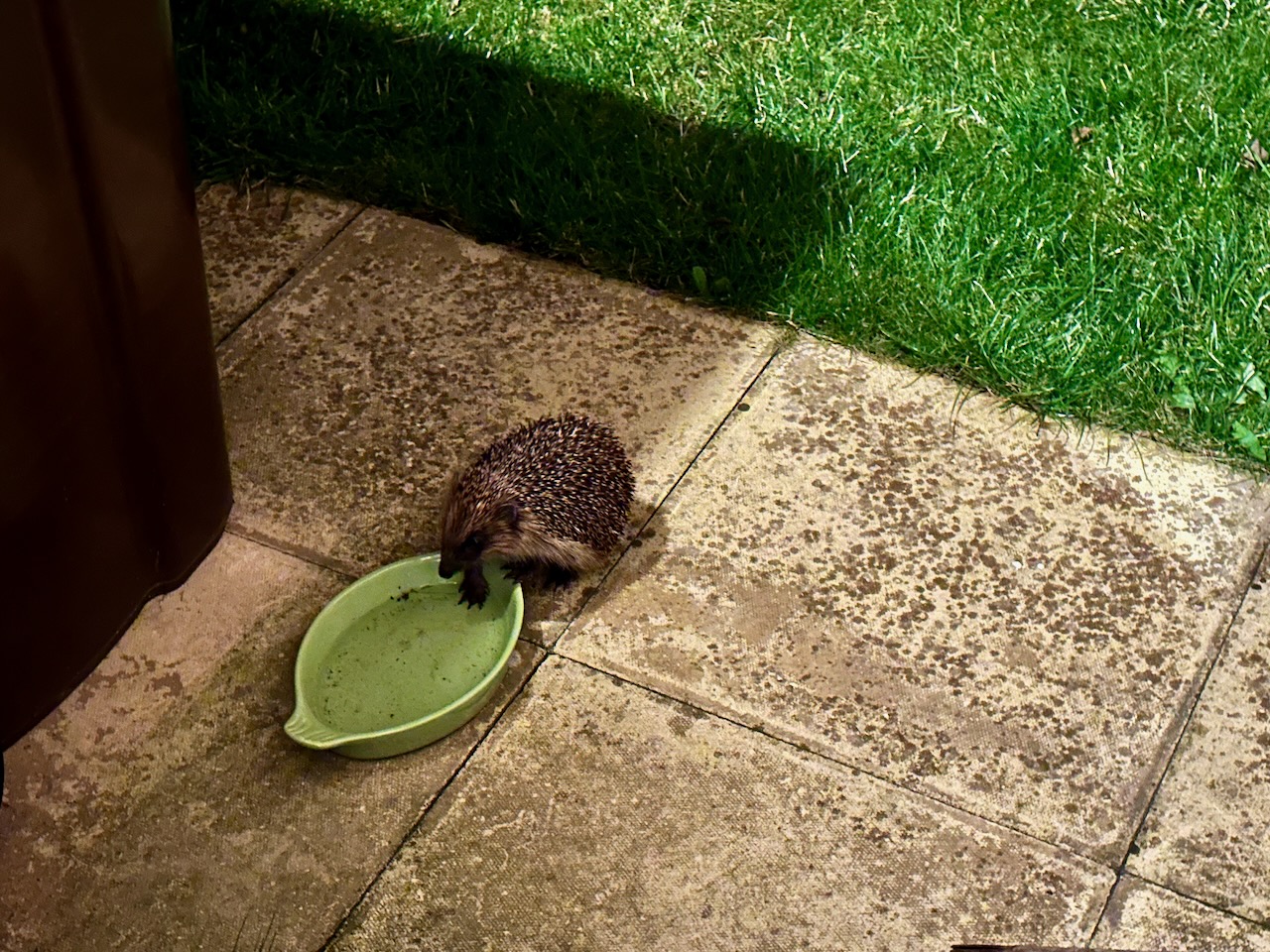



 Self Propelled